
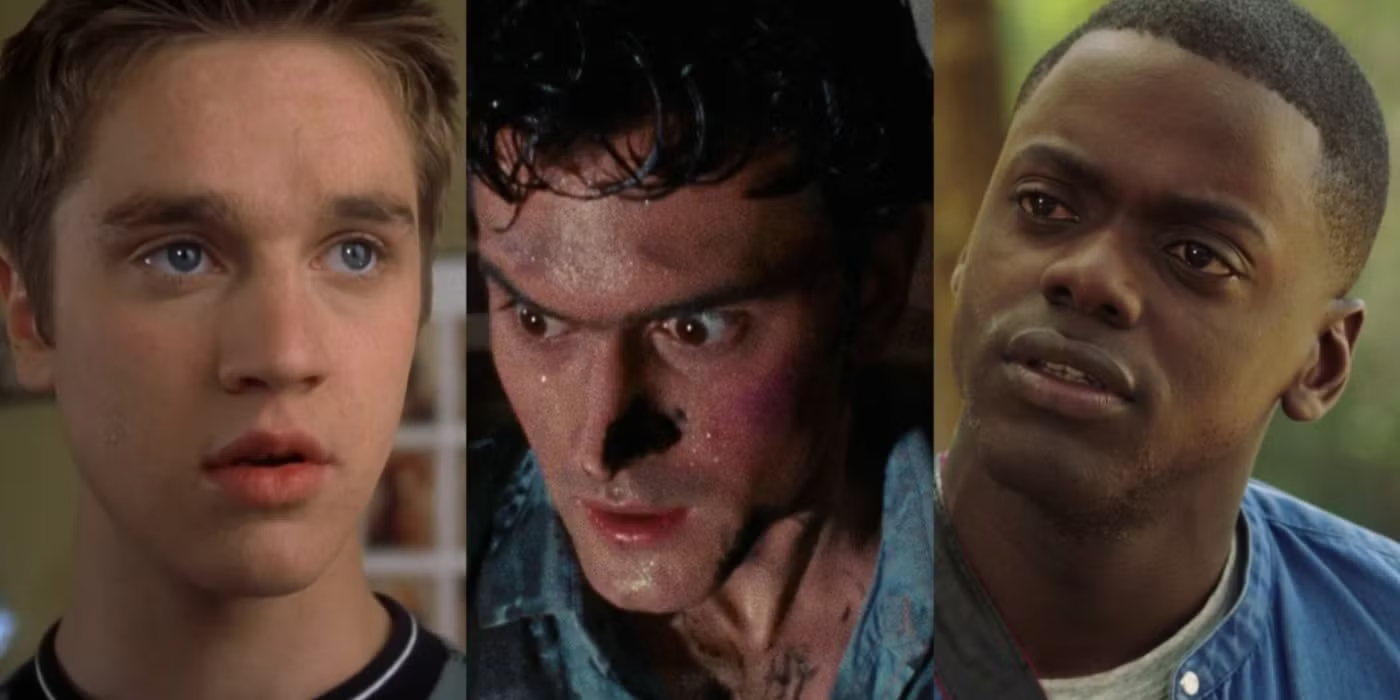
Even though “final girls” are more common in horror films, there are a few “final guys” who leave their mark in the genre. They don’t adhere to traditional action-hero tropes, although they can sometimes grow into that strength, and they usually convey more vulnerability than some of their other male counterparts.
They’re resourceful, aren’t afraid to admit when they’re afraid, and push back on machismo attributes. Horror is no doubt a genre dominated by strong female leads, but now and then, we get some scream kings that can stand up against some of our better scream queens. So, with Halloween around the corner, this felt like the best time to break down the five best final guys in horror that you might come across during some of your frightfest marathons.
Honorable Mention: Andy Barclay in Child’s Play (1988, 1990, 1991, Chucky 2021-2024)
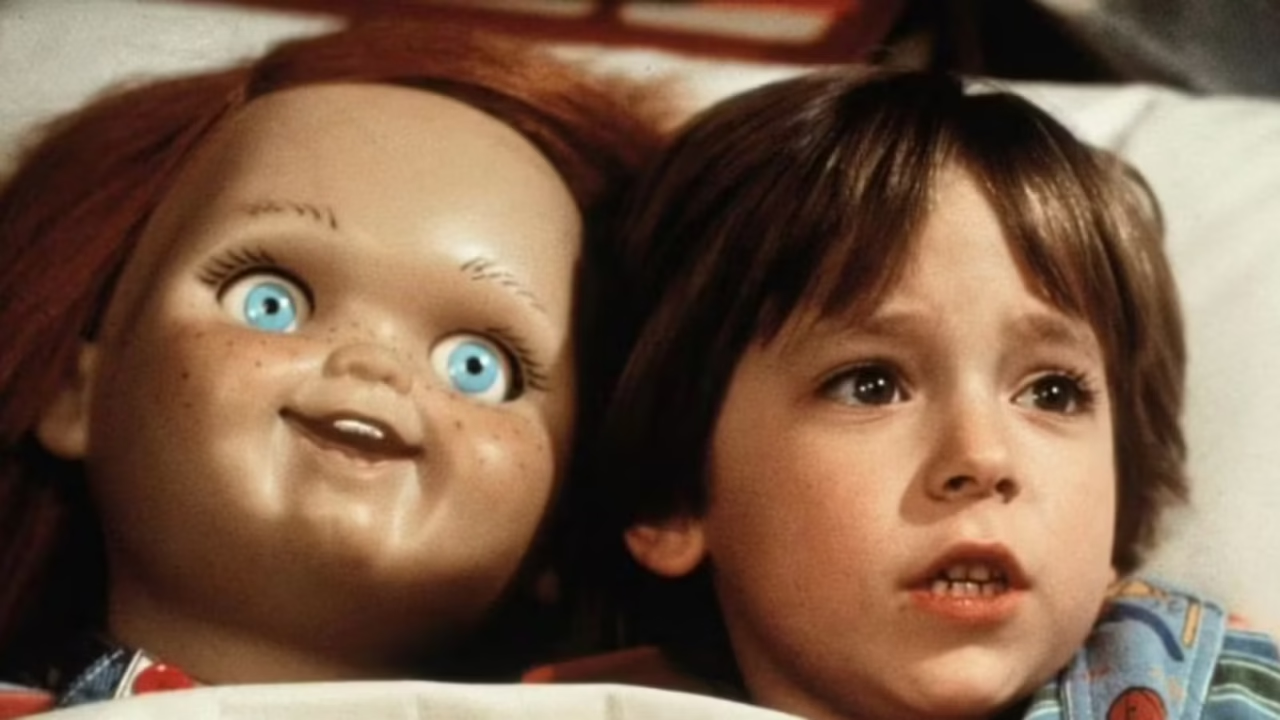
Can final guys be kids? Andy Barclay’s makes a strong case in Child’s Play as the object of a doll possessed by the soul of a serial killer who wants out of the doll’s body and into Andy’s. There is no denying that Catherine Hicks’ Karen Barclay, Andy’s mom, takes charge during key moments of the original film, but Andy, even at age six, outsmarts Chucky (Brad Dourif) and gets to set him on fire, complete with a badass line before doing so (“This is the end, friend”!).
Despite being very young when he made the film, Alex Vincent portrays Andy with an unpolished charm that makes him instantly relatable and makes the audience root for his survival and safety. He also joins a long line of kids in horror movies who keep telling the adults something more sinister is going on, and yet they don’t believe him. They say kids are usually the first to spot evil in their home, and that evil begins with Andy as a doll who seems like his “friend till the end,” but is really a ploy to gain his trust and strip him of his body and soul.
By Child’s Play 2, Andy has been taken from his mom, put into foster care, and brought in by foster parents who mean well but aren’t nearly prepared for Andy’s needs and the killer doll who has tracked him down. Andy is a good final guy because, by this point, he has to navigate a lot of this alone, although he does get the aid of the cynical and street-smart Kyle (Christine Elise) along the way. After being aged up and replaced by Justin Whalin in Child’s Play 3, Andy takes agency when Chucky sets his sights on young Tyler as his new body of choice. The great thing about Andy is that there is a clear character evolution from child to adult. If you factor in the Chucky TV series, Andy becomes a prepared, resourceful adult vigilante ready for Chucky, turning his childhood fear into a fight-back mentality that makes him a unique final guy in the genre.
5. Alex Browning in Final Destination (2000)
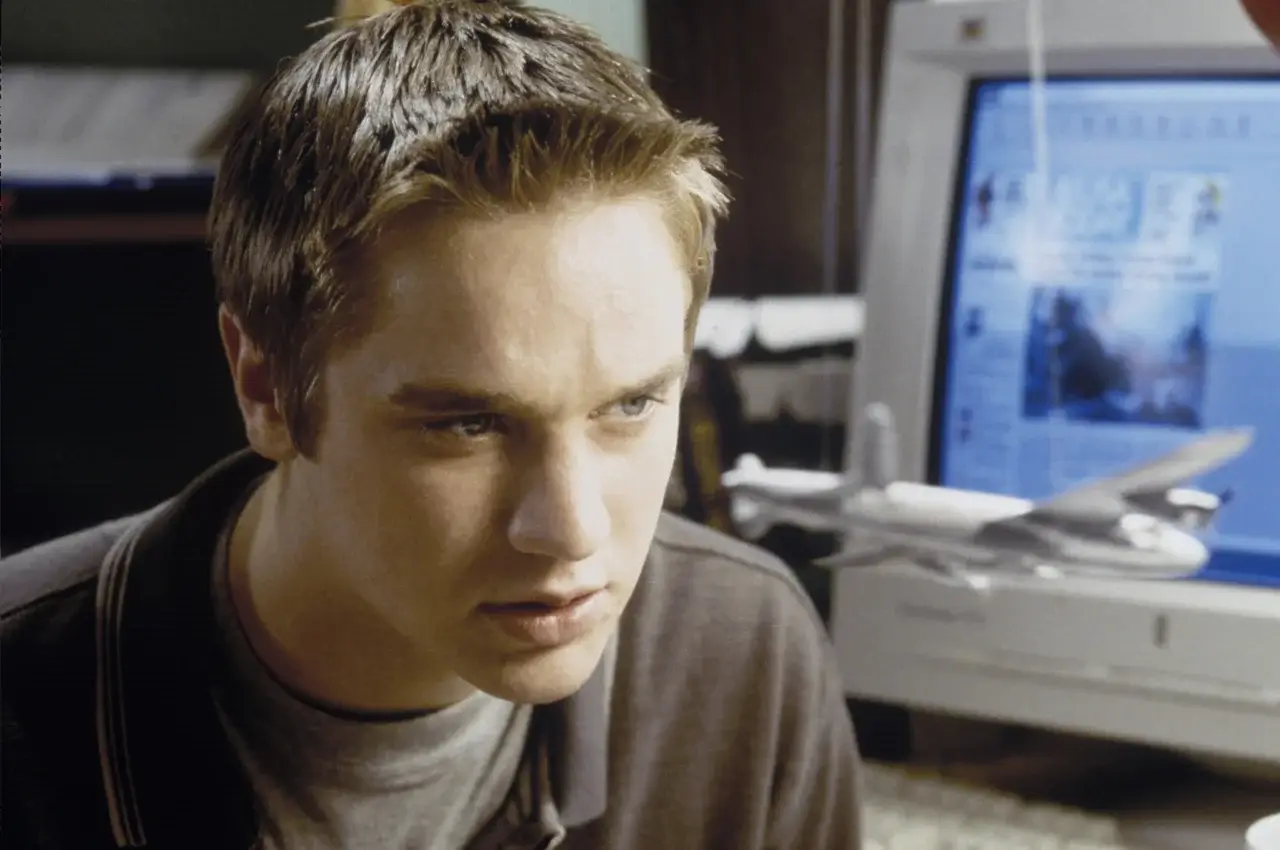
In the case of the final guys who act on instinct and based on the situation they’ve found thrust upon them, Alex Browning (Devon Sawa) stands out in the first Final Destination as he learns that cheating death doesn’t mean it won’t keep chasing you. Alex is faced with a premonition of a plane explosion involving himself and several of his classmates on the way to Paris. Following the vision, Alex panics and tells everyone the plane is going to explode, resulting in himself and six others exiting the plane following a fight that breaks out due to Alex’s hysterics.
However, as it turns out, Alex’s hysteria turns out to be very real, and the plane explodes, beginning a more calculated story where death won’t be cheated, and those who escaped the fateful plane explosion have to find ways to continue to cheat the Grim Reaper to stay alive. Andy stands out as a final guy because he has to play this all by ear. He’s learning about death’s design as he goes along, and honestly, he’s discovering all of this through his intelligence and a dash of paranoia, which makes it hard for most to believe him (all expertly portrayed by Sawa throughout).
Despite everyone’s reluctance to initially be on his side, Alex frequently throws himself into danger once he realizes that death his hunting him and his friends, even when it makes him the focus of two FBI agents who think it’s mighty strange that he continues to be at the center of these strange occurrences. Since he’s the first to experience these Final Destination premonitions, Alex operates without a blueprint and rulebook, making him much different than the leads in the subsequent sequels who can look back on past circumstances to guide them through their current tangle with death. At the end of the day, Alex is a normal teenager put in an impossible situation who acts without much thought to try and figure a way out of it. It’s his grounded realism that makes him a final guy to remember
4. Jesse Walsh in A Nightmare on Elm Street 2: Freddy’s Revenge (1985)
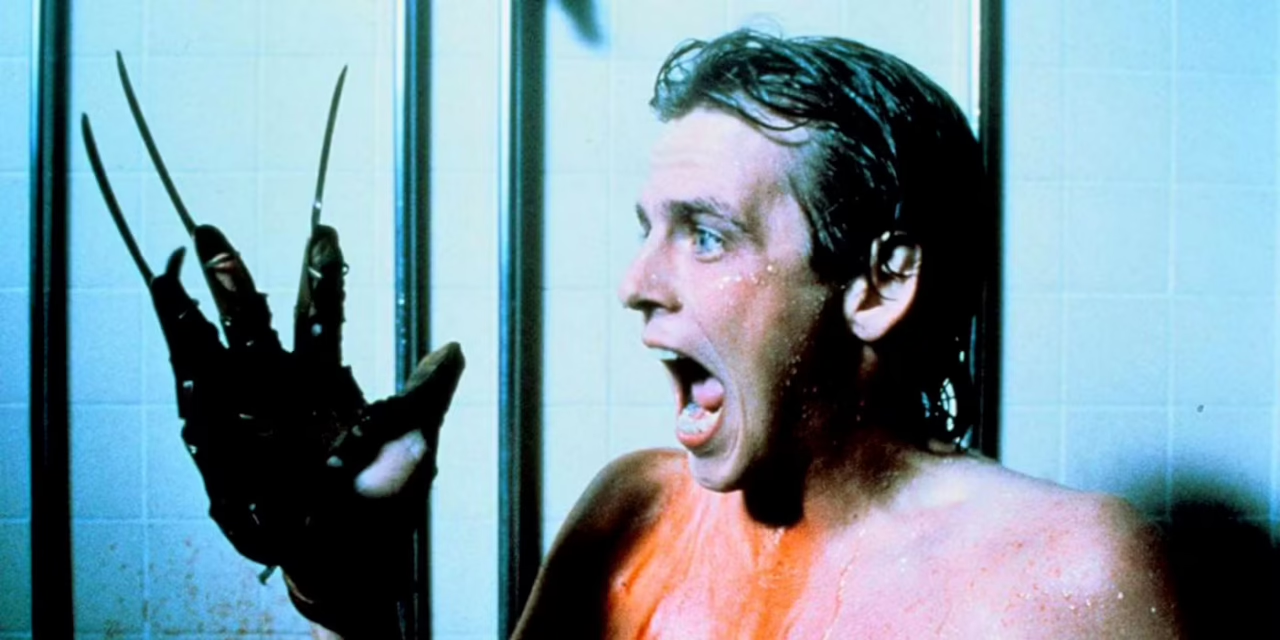
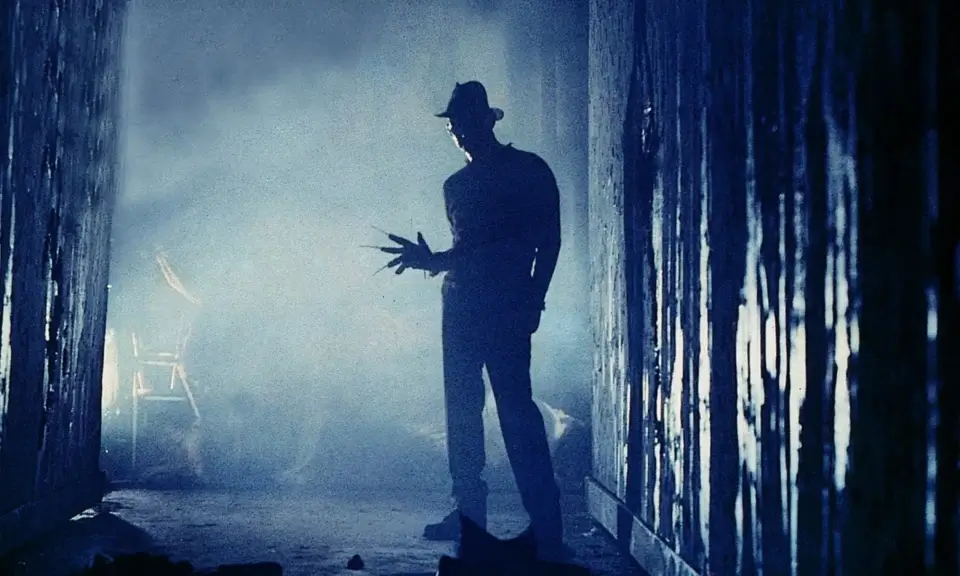
Jesse Walsh (Mark Patton) is probably a landmark final guy of the genre because he represented many firsts in a lot of ways and continues to be the benchmark by which final guys are measured. He’s the second person to be pursued by Freddy Krueger (Robert Englund) in A Nightmare on Elm Street 2: Freddy’s Revenge, making him the first major male protagonist of the franchise and perhaps the most significant of any franchise at that time.
Shifting away from Nancy Thompson (Heather Langenkamp), the sequel follows Jesse Walsh, a teenager who has just moved into Nancy’s home with his family and is having recurring nightmares about Freddy Krueger, who seems to want to use Jesse as a vessel for murder in the real world. There is a much deeper subtext going on in A Nightmare on Elm Street 2 that many of the creatives attempted to shrug off as nonsense when they were making the movie. There is no denying the LGBTQ+ overtones and iconography in the film and, in the case of Jesse (or more so the actor portraying him, who was Gay), there is a deeper psychological story about coming out and being afraid of the thoughts inside of you that you can’t control.
Freddy’s Revenge ends up becoming a coming-of-age story about self-discovery with a horror twist, and a lot of it rides not just on Jesse the character, but on Patton as an actor who isn’t afraid to showcase a vulnerability that wasn’t deemed masculine for a male lead. The great thing about the reevaluation this film has seen over the years is that it has become a signature movie for many who are struggling with their own sexuality and find strength in the Jesse character because no matter how much he might shriek and scream, he remains proactive in figuring this all out and owning the psychological tug of war between himself and Krueger as he tries to possess his body. Jesse doesn’t end the film as the victim and learns that he’s stronger along the way. A great watch for more perspective about Patton and the character of Jesse Walsh is the documentary Scream, Queen! My Nightmare on Elm Street. In the end, it’s a documentary about acceptance and adds even more context to who still stands as a signature final guy of the genre.
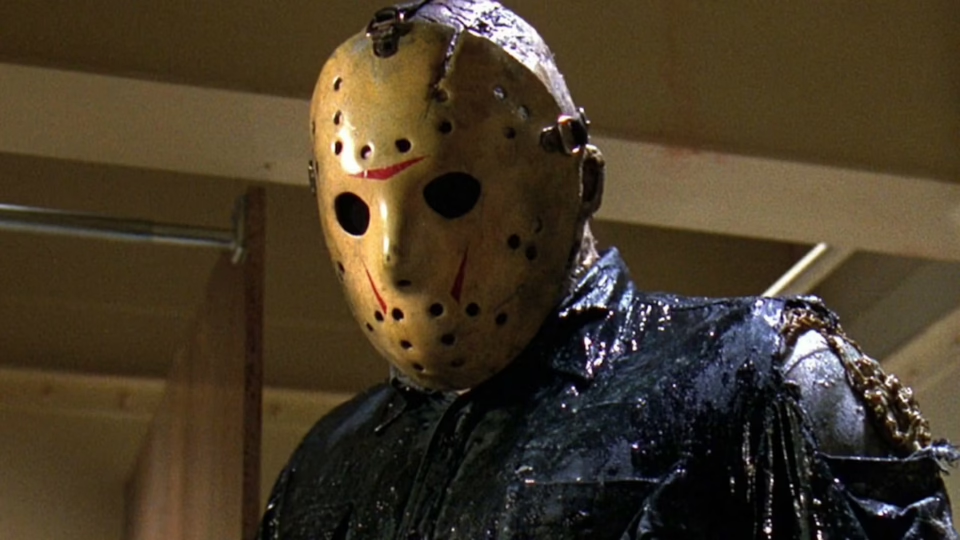
3. Tommy Jarvis in The Friday the 13th Franchise (1984, 1985, 1986)
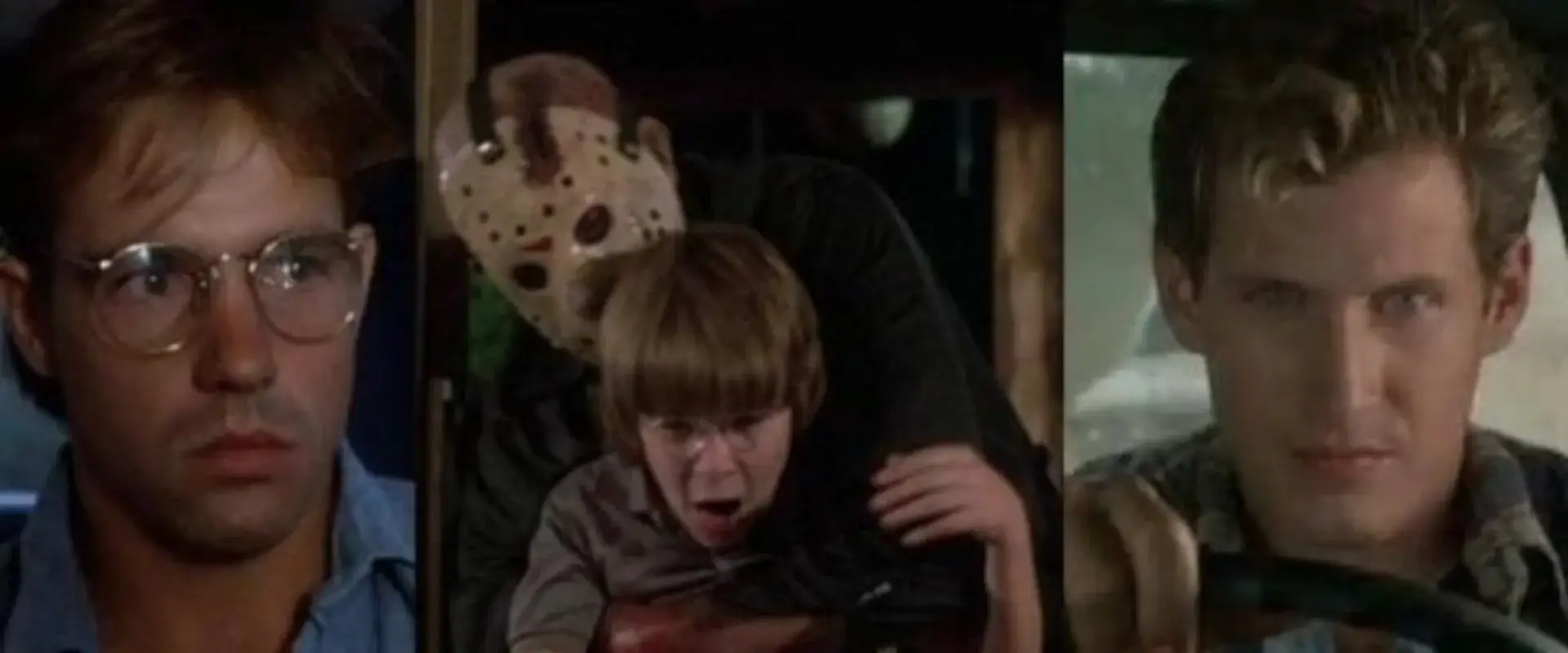
The Friday the 13th franchise rarely scores points for its continuity or viability as top-notch cinema (but hell, we still love them), but one of the few character aspects this IP got right was the development of Tommy Jarvis, who gets to grow across three films in his battle against Jason Voorhees. Tommy begins his journey, portrayed by Corey Feldman, in Friday the 13th: The Final Chapter, introduced to audiences as a creative kid enamored with monster makeup and props.
He’s the youngest member of a sprawling cast of would-be victims, and yet, alongside his sister Trish (Kimberly Beck), he takes on the most agency and bravery when it comes to taking down the monster. He doesn’t do this all through brawn; in fact, he has a tactical enough mind to use Jason’s past against him (as seen by the head-shaving trick to resemble him as a boy) to lower his defenses, which leaves Jason open to a brutal machete to the side of the face by Trish. The totality of the trauma in that film is then unleashed once he suspects Jason might still be alive, which drives Tommy to go scorch Earth on Jason (this was intended to be the final film of the franchise).
This ending sets things up well for where we find him in Friday the 13th: A New Beginning, now portrayed by John Shepherd after a brief Feldman flashback. Tommy is tormented by nightmares of Jason, and this has resulted in him being admitted to numerous psychiatric hospitals before he’s transferred to the Pinehurst Halfway House. Shepherd’s portrayal of Tommy is darker than Feldman’s because he hasn’t gotten over the trauma of the events of the previous film, but he finds strength by the end of the film to help kill imposter Jason (you’ll have to watch the movie), and when he’s haunted by another vision of Jason before the credits roll, he makes him disappear.
The Tommy of Friday the 13th Part VI: Jason Lives, now portrayed by Thom Mathews, may still have some of the paranoia, but it’s mixed with a determination and strength to ensure that Jason can never kill again. This isn’t someone waiting for someone else to save him; he wants all to know how dangerous Jason is, and he makes no qualms about wanting to kill him. Much like Andy Barclay, we get to see the character evolve across a multi-film arc that actually makes sense as we track him from a traumatized yet tactical boy into an adult warrior fighting to stop Jason by any means necessary.
2. Chris Washington in Get Out (2017)
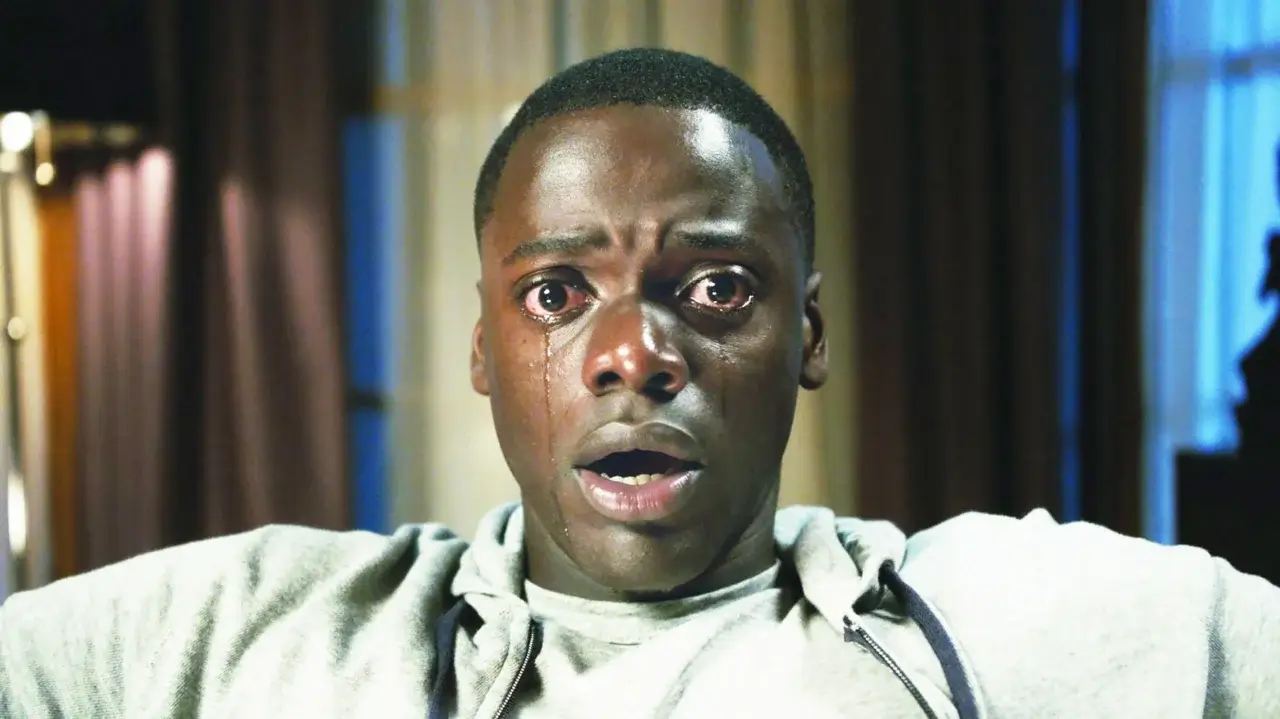
Sometimes it’s escaping the real-life horrors that makes for a good final guy, and that’s where we find Chris Washington (Daniel Kaluuya) in Get Out as he discovers shocking secrets when he meets his white girlfriend’s family for the first time. Get Out is rich in social commentary and satire, which is why it has been lauded as one of the greatest horror films of the 21st century, and the most signature aspect of that commentary falls on Chris and his reactions to the insidious system going on around him. Is his paranoia coming from being a Black man meeting his white girlfriend’s parents for the first time, or is there something more sinister going on?
That’s the brilliance of Get Out because it walks both of those lines expertly, and Chris becomes the audience’s vessel in doing so. Kaluuya, in an Oscar-nominated performance, portrays Chris in the beginning as someone who might appear more passive, but there is a calm resilience and sense of observation that is also present throughout. Due to his background as a photographer, he has a sharp eye, which makes him observe the unnatural behaviors of those around him as the film progresses. He can see hidden truths that others can’t, and that is mixed with his ability to be a quick thinker alongside natural survival instincts that don’t allow him to be a passive victim of circumstance.
Even though those around him might be insisting that he’s paranoid and blowing things out of proportion, Chris is keenly aware that there is more going on, and he doesn’t let anything sway him from listening to his own instincts. Also, due to the nature of the film and its commentary about race, Chris is a unique final guy because he’s fighting more than traditional monsters. He’s also fighting oppression others wish to put on him in order to take control of him. As a Black man, that’s a much deeper battle and triumph that sets him apart from other final guys.
1. Ashley “Ash” J. Williams in The Evil Dead Franchise (1981-2018)
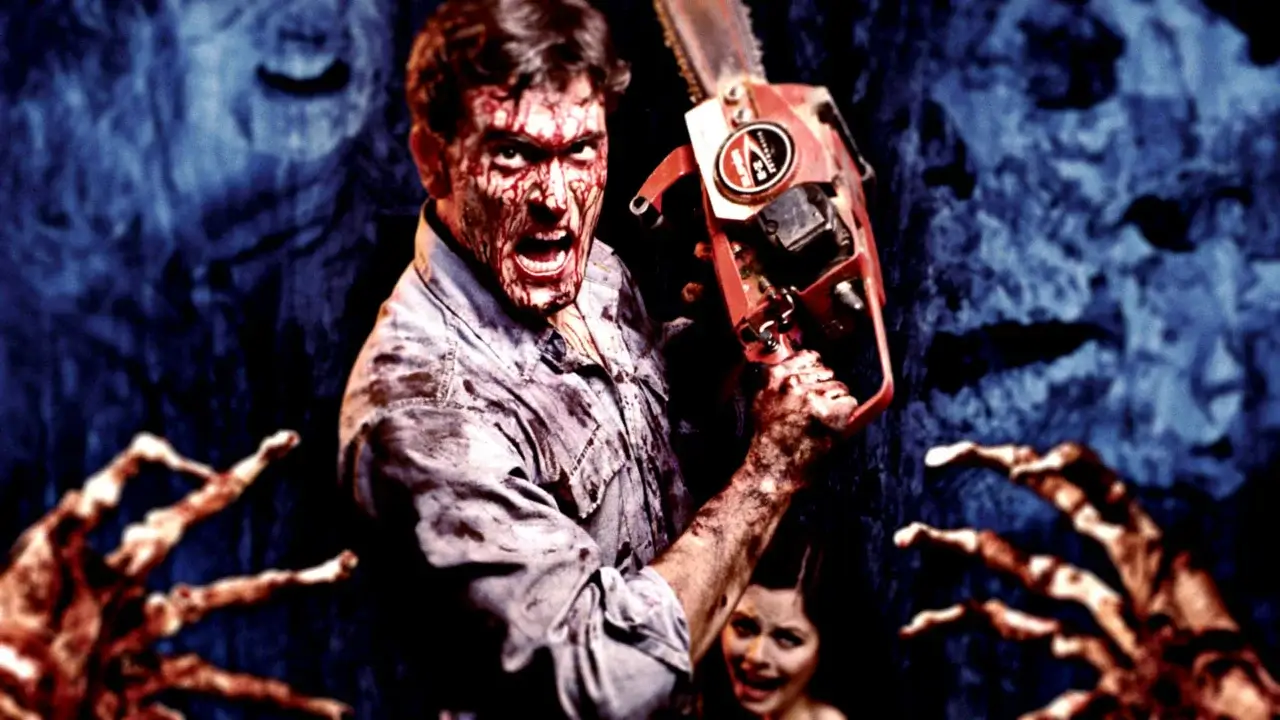
The best example of the evolution of a final guy from his more frightened beginnings to a premier badass has to be Ashley “Ash” J. Williams in The Evil Dead franchise. He is a staple of the genre for a reason, thanks in large part to Bruce Campbell’s portrayal of the character across the films and TV show, which only cemented him as a final guy legend. He begins as an everyman in 1981’s The Evil Dead, when a legion of demonic entities come to fruition after playing an audio tape that summons them, to a chainsaw-wielding warrior when he has to endure a plethora of gory mayhem (Evil Dead II, Army of Darkness, Ash vs. Evil Dead).
The great thing about Ash, especially in the beginning, is that he’s one of us. He doesn’t have the DNA of a would-be action hero as he fumbles his way through the proceedings, after making his share of mistakes, but his tenacity makes him never give up despite it. Even though he might lack some of the intelligence to battle the Deadites (he has misread his fair share of spells), he makes up for it with immense ingenuity, especially when involved in a crisis. His quick thinking leads to improvising weapons (the 12-gauge broomstick) and turning himself into a weapon of demon-fighting destruction.
The franchise also finds a way to make Ash a badass legend but also allows him to be cartoonish in his depiction. He’s charismatic, yet goofy, and even though he has more than proven himself in action, the franchise is never afraid to showcase his sheer panic and over-the-top fear. It’s not an easy character to portray, but Campbell has found the right balance over the years to make Ash a generational final guy for the ages. Even though Campbell has said that Ash is retired and won’t be seen again, horror fans can at least be thankful that his mark on the genre will never be erased and he’ll forever be a loud-mouthed legend of the genre (“Hail to the king, baby”).
Happy Halloween!



Reviews