
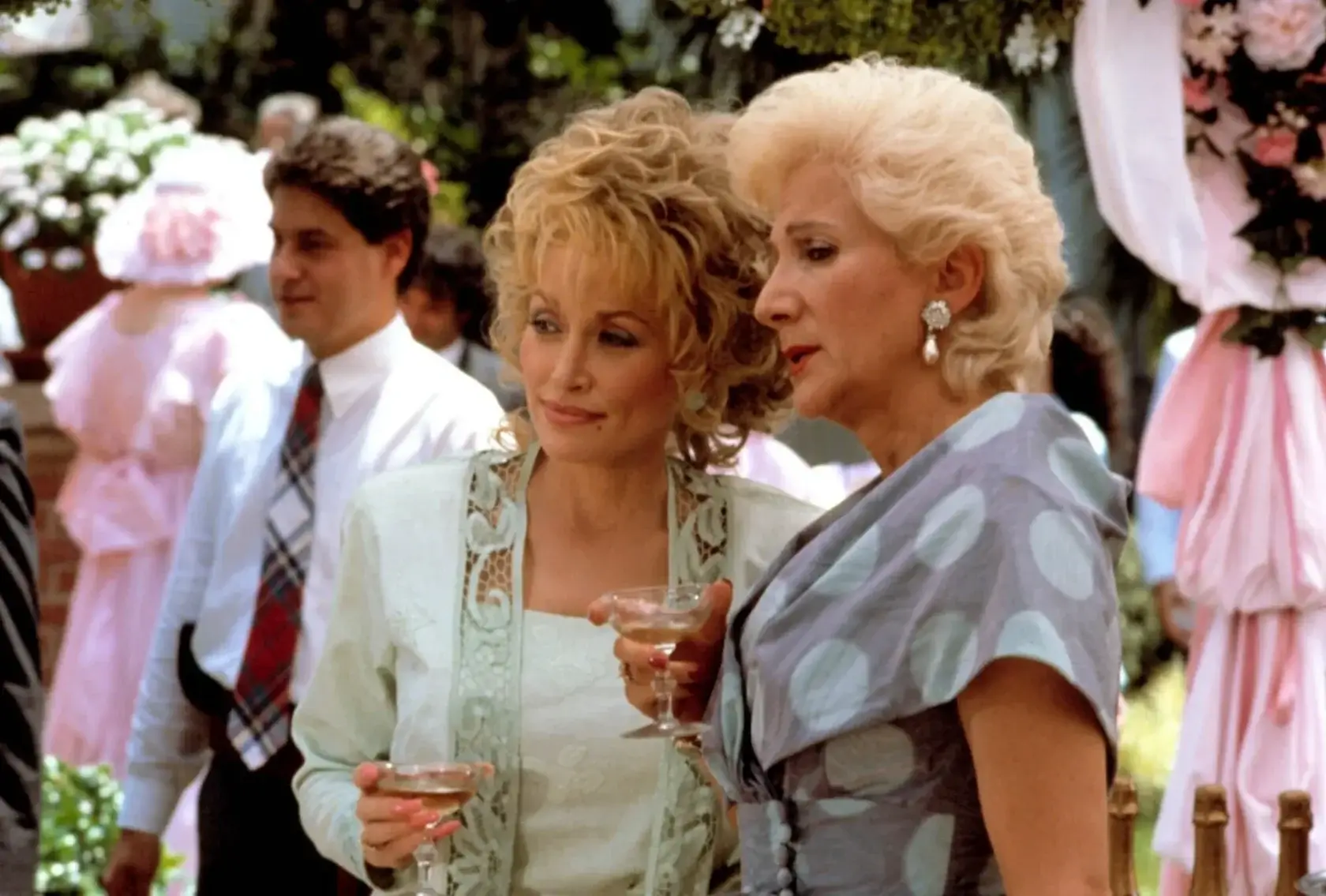
The world lost an angel on Earth yesterday. That is what you’ll see universally said about the passing of the “Queen of Country,” Dolly Parton, who sadly lost a brief battle with cancer, according to a statement released by her team. It was a collective shock because many believed someone with such a big personality would likely live forever. No one could really fathom a world without Dolly Parton’s talent, grace, humor, cultural influence, empathy, and heart. As the news continues to sink in, people of all ages will flock to her music and other work, and others who might be unfamiliar will discover an icon who put her stamp on the industry in several ways. As That Hollywood Show wants to keep you in the know about all things entertainment, particularly film & TV, let’s look back at the essential ways that Dolly Parton influenced this medium and will continue to do so for years to come.
1. 9 to 5 (1980)
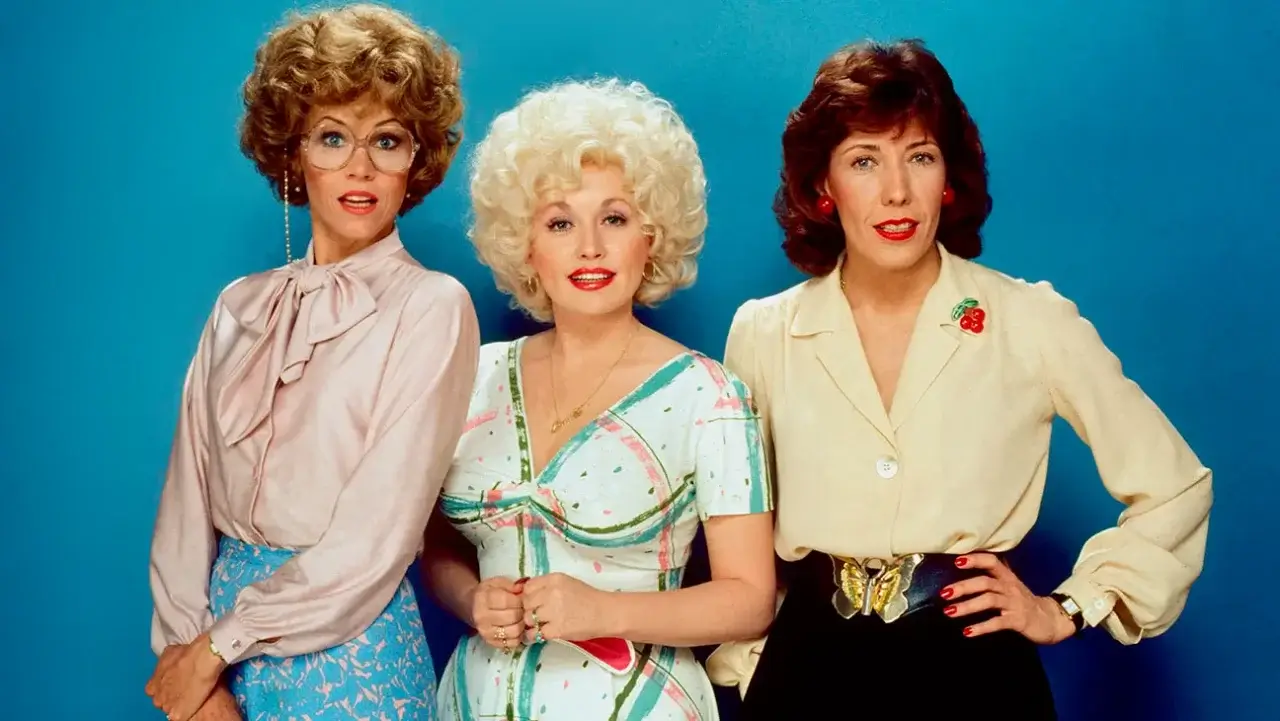
Most will be most familiar with the Colin Higgins-directed comedy film, 9 to 5, where Parton co-stars, in her film debut, as Doralee Rhodes, the married secretary of Franklin M. Hart (Dabney Coleman), the married Vice President of Consolidated Companies who habitually flirts with and harasses the women at his workplace, particularly Doralee. Higgins co-wrote 9 to 5 with Patricia Resnick, and it follows thre women (Parton, Jane Fonda, and Lily Tomlin) who get to live out their fantasies of getting even with their company’s egotistical and sexist boss at their company. 9 to 5 thrives on the chemistry between Parton, Fonda, and Tomlin, who would go on to be livelong friends as a result of filming 9 to 5 together and its eventual success.
As a film debut for Parton, it showcases her genuine humor and cracking wit, with the singer-songwriter displaying genuine comic timing that simply can’t be taught. Some people just have it, and Parton had it in spades. Even though 9 to 5 is a comedy, the film spoke to several truths about how women were treated at the workplace at the time (and continue to have similar hurdles even today), and it’s even something Parton had to battle in her own right. With her blonde hair and signature curves, Parton was able to joke about her looks over the years, but she also had to find a lane where she would have the respect she deserves for her talents rather than her appearance. That’s why Doralee feels so lived in as a character.
Parton saw a lot of herself in that role, and it shines through in every one of her scenes, resulting in her Golden Globe nomination for Best Actress in a Motion Picture- Musical or Comedy. 9 to 5 would go on to gross $103.3 million on a slim $10 million budget, launch a TV series that ran for five seasons, and a musical stage adaptation that featured new songs written by Parton. Speaking of music, the theme song of the same name, written and recorded by Parton, would go on to be one of her biggest hits, spending two weeks at number one on the Billboard Hot 100. The song was nominated for the Academy Award for Best Original Song, and it won two Grammy Awards in 1982 for Country Song on the Year and Female Country Vocal of the Year.
2. The Best Little Whorehouse in Texas (1982)
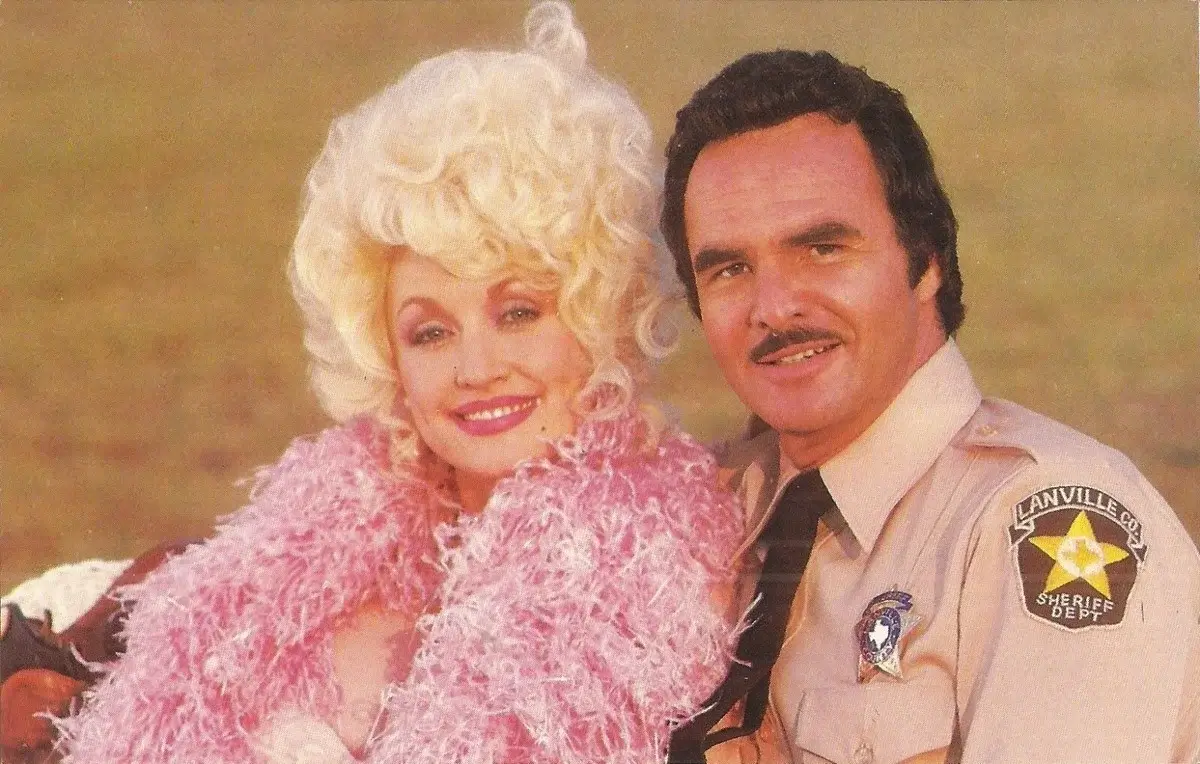
Parton followed up her role in 9 to 5 by portraying Miss Mona Stangely in the musical comedy film, The Best Little Whorehouse in Texas. Directed by Colin Higgins, who also helmed 9 to 5, and based on a screenplay he co-wrote with Peter Masterson and Larry L. King, The Best Little Whorehouse in Texas is based on the 1978 stage musical by King, Masterson, and Carol Hall. The film focuses on the proprietress of a brothel named Miss Mona Stangely (Parton) and her Sheriff lover (Burt Reynolds), who fight to keep the brothel open after it becomes the target of moral crusader Melvin P. Thorpe (Dom DeLuise).
Once again, Parton brings natural warmth, charisma, and wit to a role that could’ve been a walking stereotype and caricature, but Parton is able to imbue her with humanity. There is a natural magnetism that she brings to Miss Mona Stangely, and it shows growth on her film debut, proving that 9 to 5 was no fluke. Even though Parton joked over the years that she was essentially playing herself in the film, the movie went a long way to show how much of her natural she was on screen. That’s not to say that her jokes weren’t memorable about the movie. She once said, “I make a better whore than a secretary,” a direct reference to her debut in 9 to 5, and she jokingly quipped that her most famous line in the film, “It costs a lot of money to look this cheap,” would end up on her tombstone.
All jokes aside, there was nothing cheap about Parton, and The Best Little Whorehosue in Texas would go on to be another success, grossing $69.7 million on a reported budget of $20.5 million-$35 million. The movie also recorded the biggest opening weekend box office for a musical film ever at the time and it would go on to earn two Golden Globe nominations, one for the film itself and another nom for Parton for Best Actress in a Motion Picture – Musical or Comedy.
3. Rhinestone (1984)
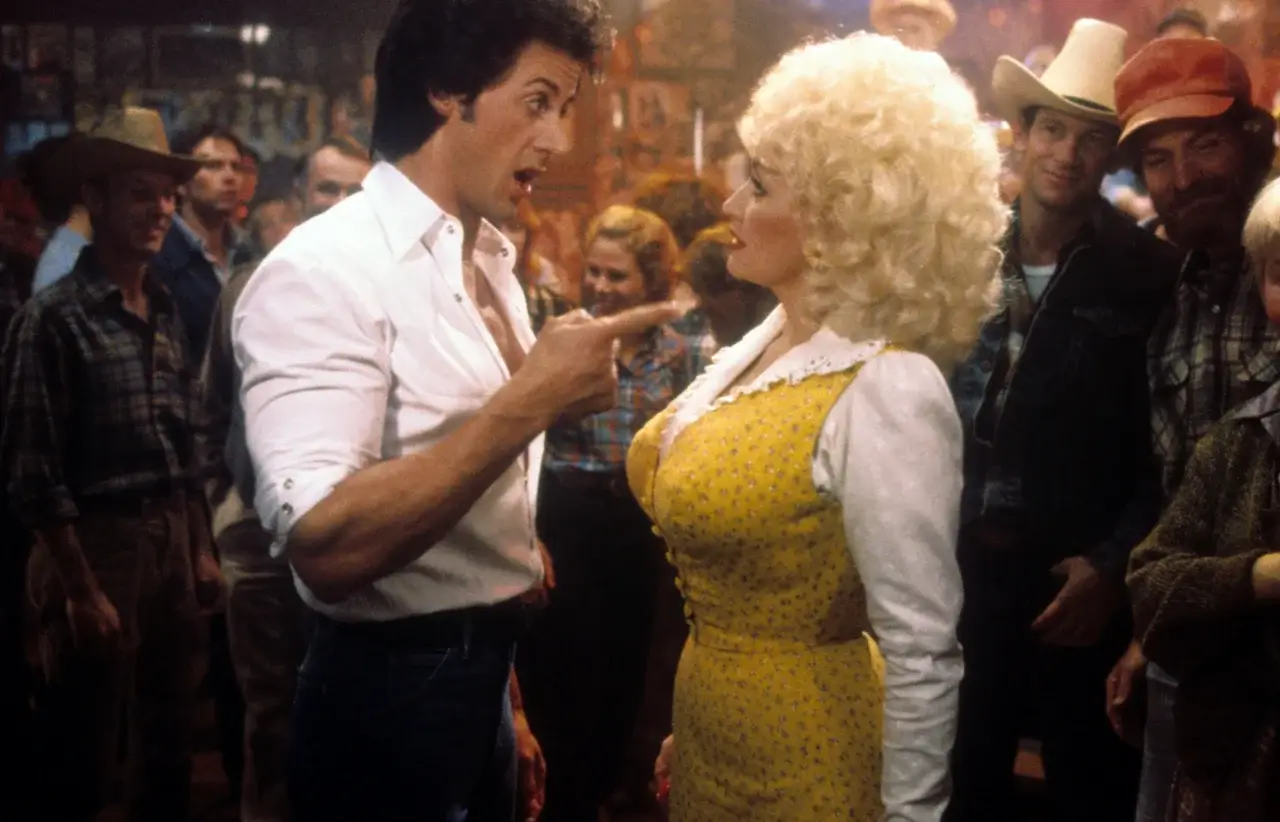
Probably the lesser-known of her filmography is the 1984 romantic comedy, Rhinestone, where Parton stars opposite Sylvester Stallone. Directed by Bob Clark and from a screenplay by Stallone and Phil Alden Robinson, Rhinestone is based on the 1975 Larry Weiss song “Rhinestone Cowboy,” and it follows a country music star named Jake Farris (Parton) who bets her manager that she can turn any random person into a country singer, which turns out to be Nick Martinelli (Stallone). Trapped in a long-term contract where she has to perform at the New York City nightclub called “The Rhinestone,” should she win the bet and turn him into a country singer in two weeks, her contract will be voided, but if she loses, she has to extend her contract and sleep with her sleazy manager, Freddie (Ron Leibman).
Again, Parton brings her natural charm to the role and is endearing throughout the film, but the movie itself had a lot of behind-the-scenes problems. Mike Nichols, according to Stallone, was supposed to direct the film, but plans were changed by 20th Century Fox to have Clark direct, and the movie went in a direction that wasn’t originally intended. Stallone wanted something a bit more serious, and if there was comedy, he wanted it to be a bit darker, essentially wanting something a bit more down and dirty. Rhinestone was a critical and commercial failure, grossing $21.4 million on a $28 million budget, but it did earn Parton two top-ten country hits on the Billboard Hot Country Songs chart (“Tennessee Homesick Blues” and “God Won’t Get You”).
If anything, Rhinestone proves how charming Parton was, as Stallone has expressed over the years that he loved working with her and, for her part, Parton has spoken highly of the film and called it one of her most fun moviemaking experiences. Not to be someone who doesn’t address her failures, Parton wrote in her 1994 autobiography Dolly: My Life and Other Unfinished Business, “I guess the public didn’t want to see Sylvester Stallone do comedy – or see me do Sylvester Stallone.” Gotta love that signature Dolly humor.
4. Steel Magnolias (1989)
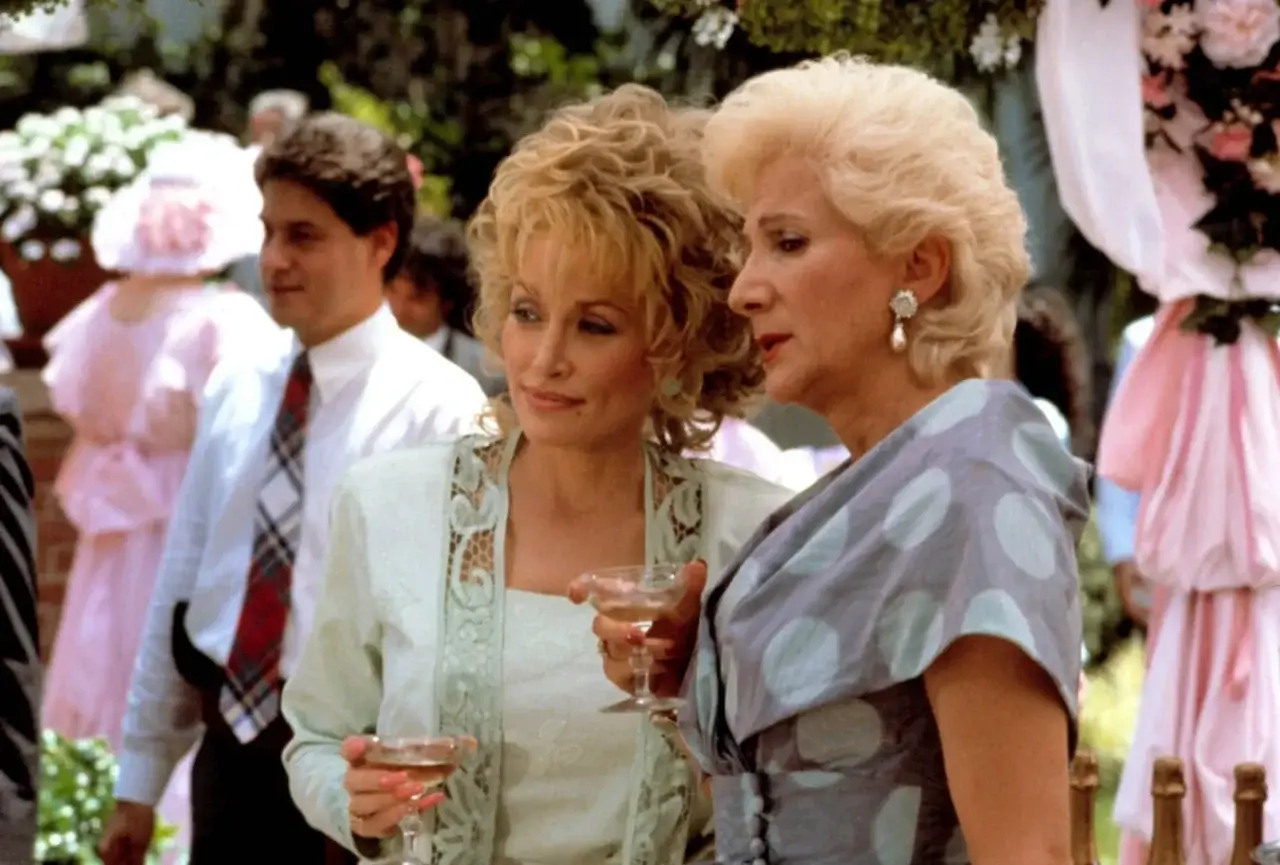
Your mom or your grandmother has probably shouted from the rooftops about how much they love Steel Magnolias and about how much it makes them cry, but it’s not a film that is meant purely for women. A good movie is a good movie no matter what demographic it targets, and Steel Magnolias tugs at heartstrings that are universal, despite a cast led by six powerhouse actresses, Parton included.
Directed by Herbert Ross and written by Robert Harling, Steel Magnolias is based on Harling’s 1987 play of the same name, and centers on the bond a group of women shares in their Southern community and how they have to cop with the death of one of their own. Parton portrays Truvy Jones in the film, the town gossip and glamour technician, who also provides the movie with most of its levity but, as an actress, she proved to have suitable dramatic chops as well. Parton has to stand tall against some strong performances from Sally Field, Shirley MacLaine, and Julia Roberts, and she does so by not trying to match their pitch but by anchoring scenes with warmth, heart, and humor that is more understated than her turns in 9 to 5 or The Best Little Whorehouse in Texas.
Truvy’s beauty salon, as is commonly the case, is the primary hub for the women in the film to gather and share their thoughts, the good and the bad, and having Parton portray that role with such openness adds another layer to Steel Magnolias that amplifies its themes of sisterhood through life, love, and tragedy. Despite a more mixed critical reception, Steel Magnolias became a cornerstone of 1989 in its own right, grossing $96.8 million worldwide on a $15 million budget.
Steel Magnolias speaks to the honesty of friendship and how important it is to have through all of life’s trials and tribulations. That’s why it struck a chord in 1989 and why it continues to do so today. As for Parton, despite a larger than life personality, she had the skills and instincts to know that she was the important part of this ensemble and not the primary focus. Steel Magnolias represents a sense of solidarity and that’s something that Parton seemed to really believe in throughout her life.
5. “I Will Always Love You” (1973 and 1992)
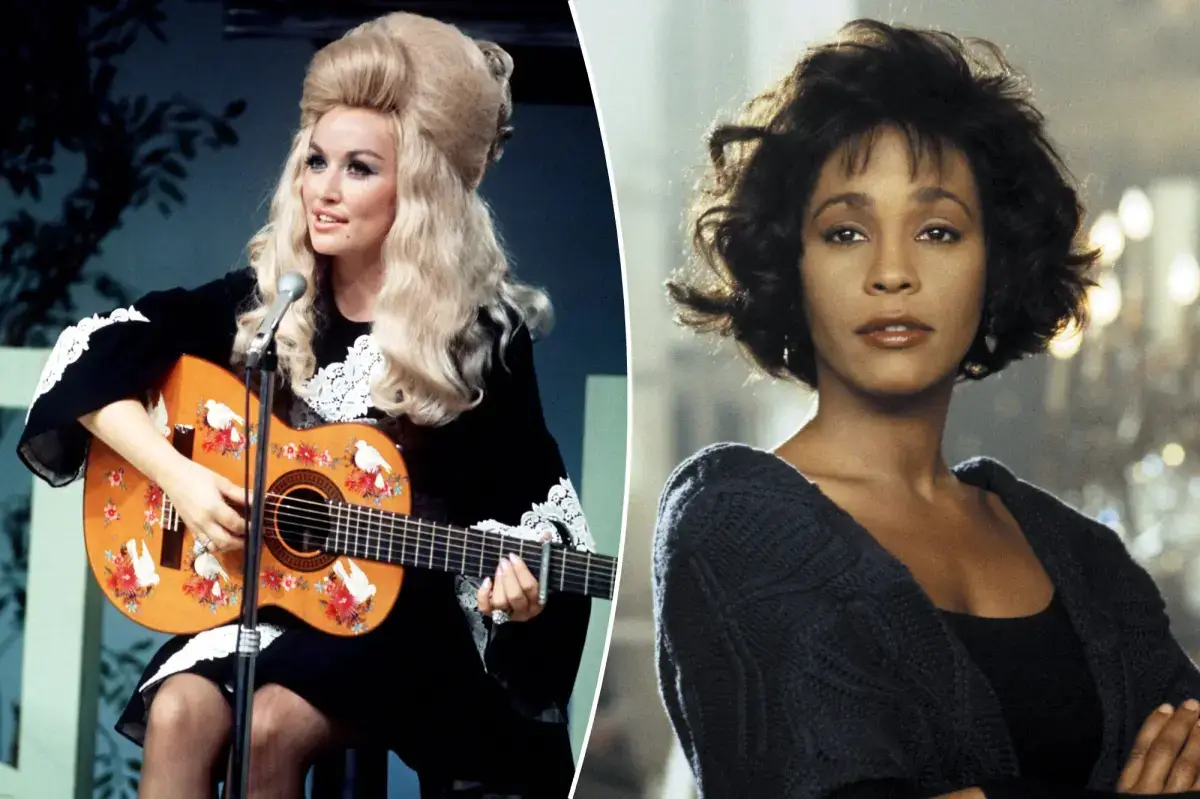
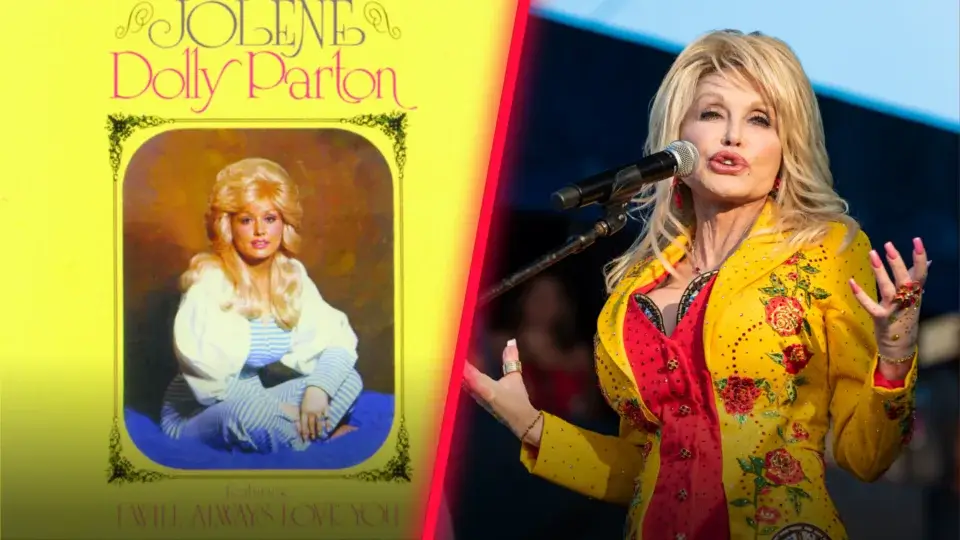
With ” I Will Always Love You,” a song written and recorded by Parton in 1973, one has to go back in time before we spring ahead to 1992. The song, written as a farewell to her mentor and business partner Porter Wagoner, was released in 1974 and was a commercial success, reaching the top of the US Billboard Hot Country Songs chart twice (in 1974 and when it was re-recorded in 1982 for The Best Little Whorehouse in Texas soundtrack). Its life would seemingly end there until Whitney Houston recorded it as a pop ballad for the 1992 film The Bodyguard, which she also starred in.
Houston sang the roof off of the song. So much so that many believed it was HERS. “I Will Always Love You” found even better success with Houston, spending a then-record-breaking 14 weeks at number one on the Billboard Hot 100, and going on to sell 40 million copies worldwide, making it the best-selling single of all time by a female solo artist. The song helped propel the film’s soundtrack to over 50 million copies sold worldwide, making it the best-selling album by a female artist in music history. To Houston’s credit, she always was sure to make everyone know that “I Will Always Love You” was Parton’s song, making it an even better moment when Parton presented the Grammy to Houston for Best Pop Vocal Performance.
As the writer of the song, Parton earned around $10 million in royalties in the 90s alone from its success and used that money to buy an office and retail complex in a historically Black neighborhood in Nashville, famously saying “This is the house that Whitney built.” Proof that even though Houston’s version may have overshawdowed hers over time, Parton had no hard feelings about it and used its success to help others.
6. Dolly Parton Was An Uncredited Executive Producer On Buffy the Vampire Slayer (1992, 1997-2003)
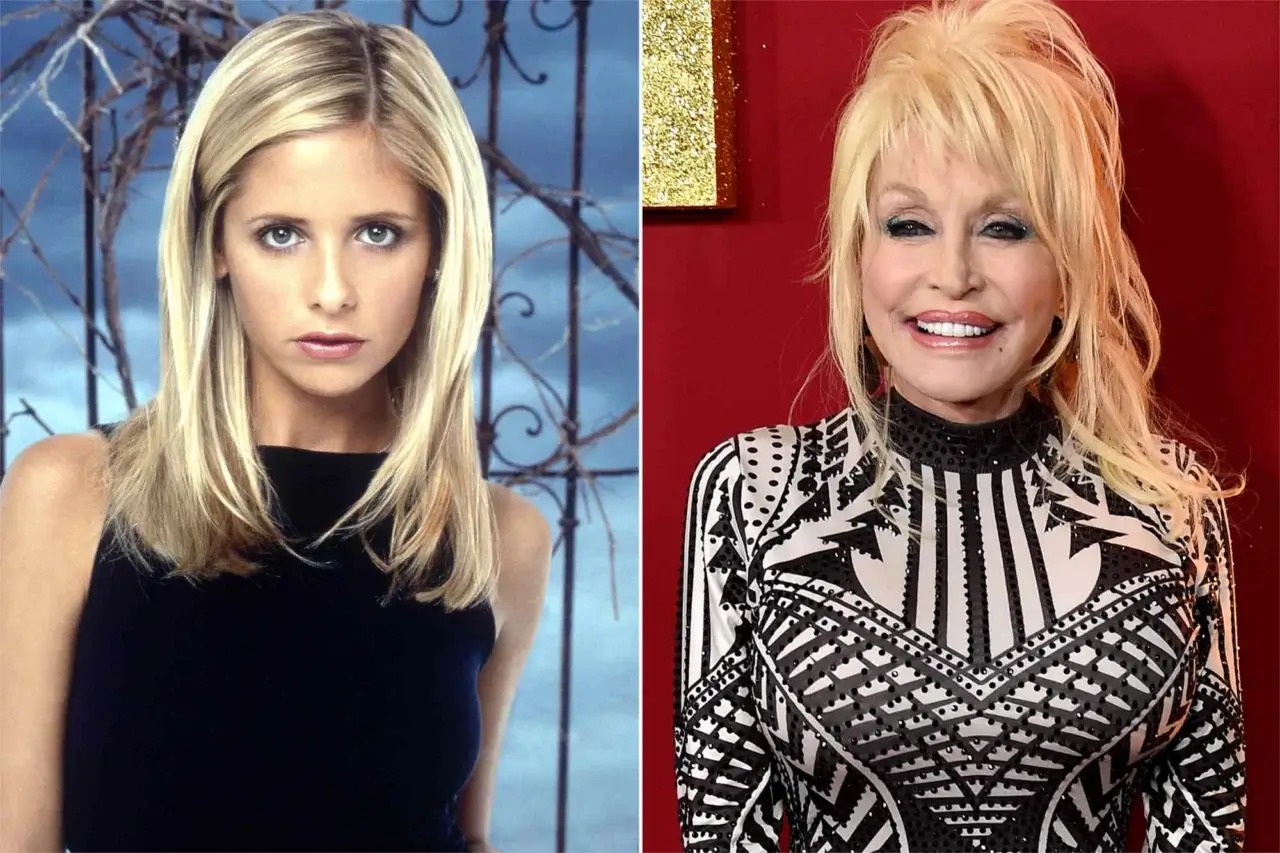
Dolly Parton was a bad-ass so it should come as no surprise that she had a hand in a bad-ass film and television show. Parton co-founded Sandollar Productions with her former manager Sandy Callin, which helped finance the 1992 film Buffy the Vampire Slayer and the even more popular televison version that ran from 1997-2003. Sandollar backed and co-produced all seven seasons of the series and even though Parton didn’t take on an individual onscreen credit (said to be her choice to not take away from the success of the show), Sandollar’s name does appear in the credit’s during the series’ run.
This piece of lore became more prominent over the last few years, with star Sarah Michelle Gellar confirming the news and sharing that the cast received personalized Christmas gifts from Parton during the early years of the show before they even knew she was involved as a co-producer. Parton never took anything away from the show and expressed only being a small part of it but having her involved in Buffy history, even if it’s a little bit, is an honor as a huge fan of that show.
7. Aunt Dolly on Hannah Montana (2006-2010)
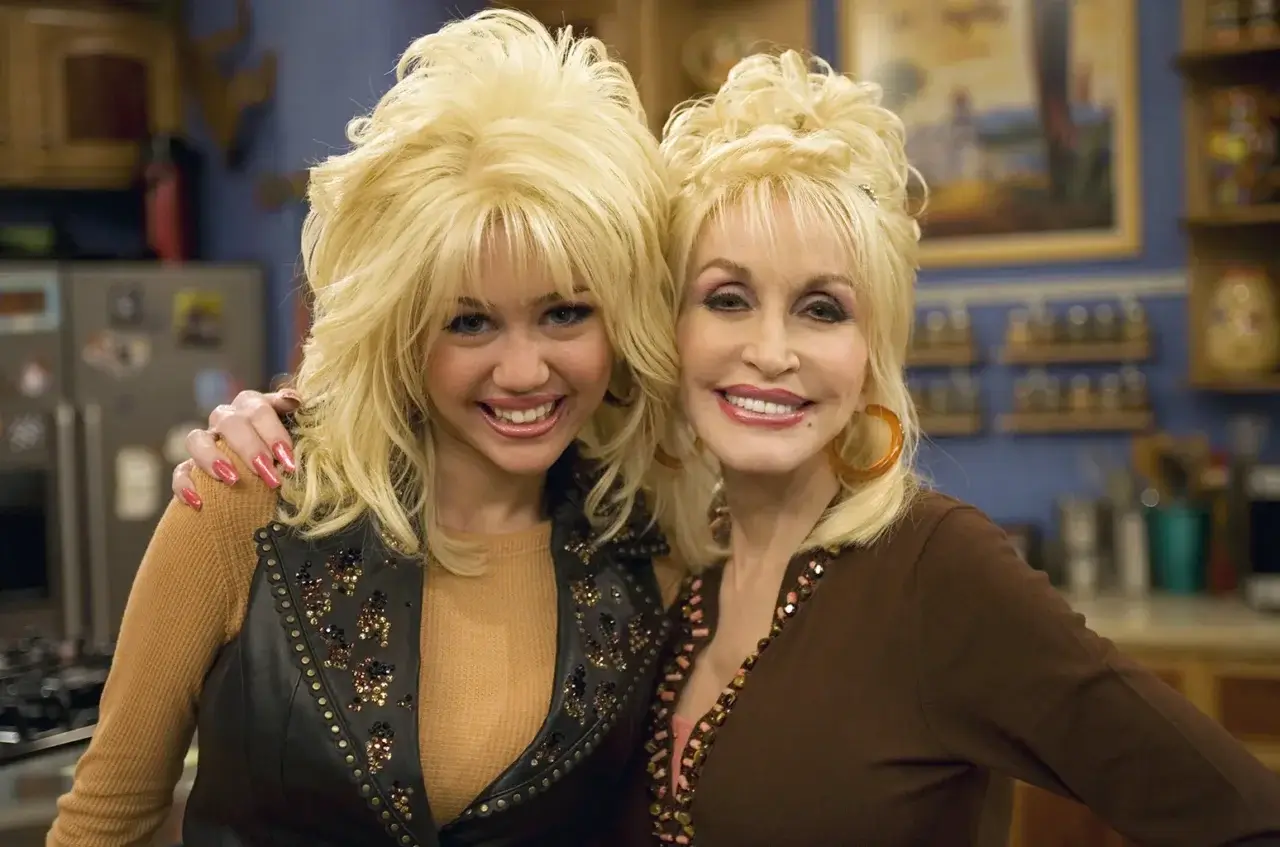
Dolly Parton has been close to the Cyrus family for years and was the proud godmother of Miley Cyrus, who once headlined a little Disney Channel series called Hannah Montana. Parton began gaining an even younger following when she took on the role of Aunt Dolly on Hannah Montana, a longtime friend of the Stewart family who, while not blood-related, is considered family because she’s Miley Stewart’s godmother (a nice little nod to their real relationship).
Aunt Dolly is a beacon of advice and encouragement for Miley and would appear in three episodes of the series (“Good Golly, Miss Dolly”, “I Will Always Loathe You,” and “Kiss It All Goodbye”). The character is primarily based on Parton, even having a music career, but perhaps the Miley connection runs deeper than the show. Cyrus has expressed so much love for Parton over the years, even recording a version of “Jolene” that holds its own against Parton’s, and fans know that August 25th is a significant day for Cyrus in her career, as it has been a day of milestones and life-changes throughout her career.
August 25th is going to hit a lot harder this year for the Cyrus family, but one has to imagine that when Miley is up for that Dolly Parton tribute, she’s going to knock it out of the park. As for other television work, to name a few, Parton hosted Saturday Night Live in 1989, guest-starred on Reba in 2005 with her good friend and fellow country superstar, Reba McEntire, and appeared on Grace and Frankie in 2022 with her 9 to 5 co-stars, Jane Fonda and Lily Tomlin.
8. Dolly Parton Loses Oscar To Three 6 Mafia (2006)
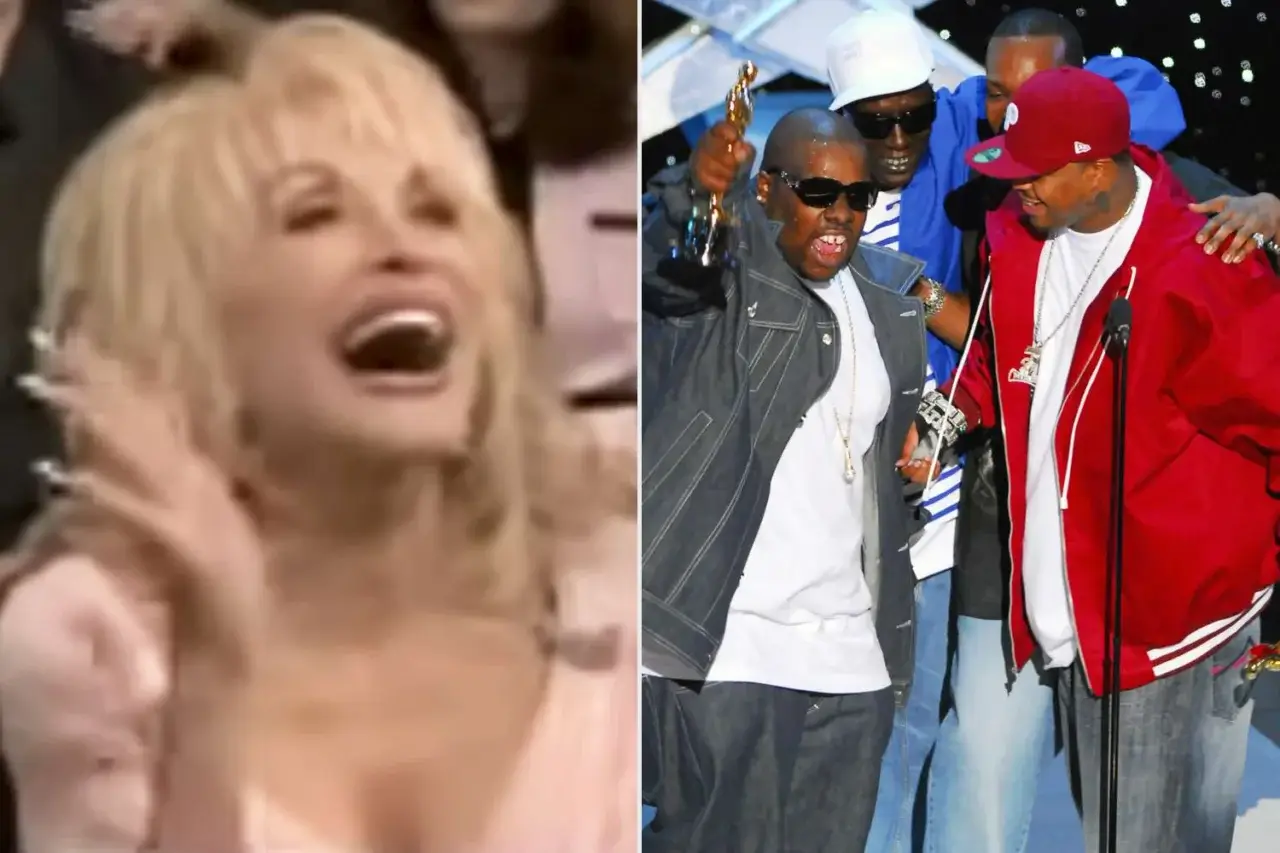
Sometimes it’s about how you lose, which can also help define your legacy, and Parton showed how gracious she was when she lost the 2006 Academy Award for Best Original Song to Three 6 Mafia. Parton was nominated for her original song “Travelin Thru” that was featured in Transamerica, while Three 6 Mafia was nominated for “It’s Hard Out Here for a Pimp” from Hustle & Flow at the 78th Academy Awards.
Three 6 Mafia ultimately won, in a bit of a surprise decision, and while it may have been surprising, Parton sent love to her Tennessee counterparts. Member DJ Paul said that they received a personal note from Parton that read, “We’re proud of you guys, and I’m just glad that the Oscar came back to Tennessee one way or another.” That is what we call a class act. To add, while Parton has never won a competitive Oscar, she did receive an honorary Academy Award (the Jean Hersholt Humanitarian Award) in 2025 for her humanitarian accomplishments throughout her career.
9. Joyful Noise (2012)
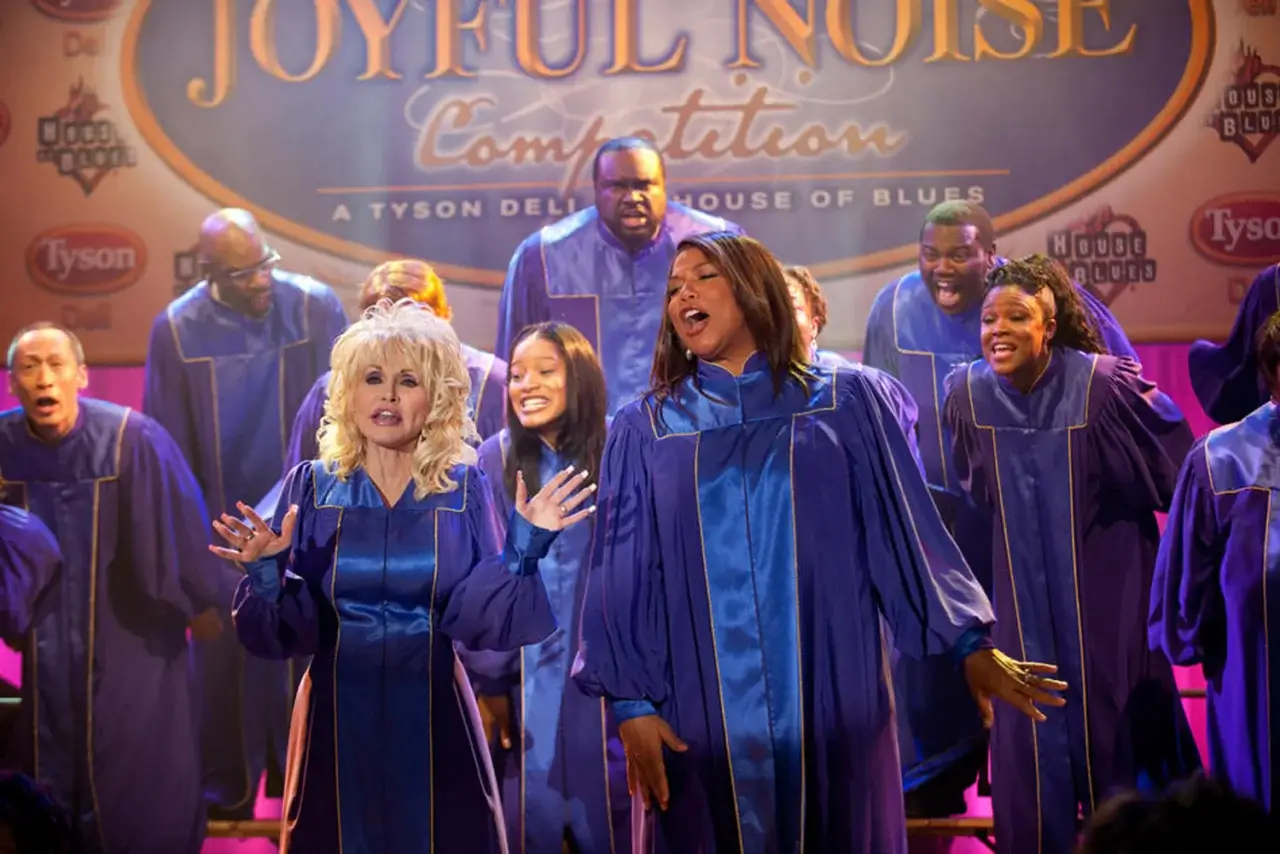
Parton made what would be her final lead film performance in the musical comedy drama, Joyful Noise, co-starring Queen Latifah, Keke Palmer, Jeremy Jordan, and Courtney B. Vance. Written and directed by Todd Graff, Joyful Noise centers on two strong minded women (portrayed by Parton and Latifah) who are forced to work with each other for the greater good when budget cuts threaten to shut down a small choir. Through portraying G.G. Sparrow, not only was Parton able to once again tap into her natural charisma and comic timing, but she was also able to showcase her Christianity and faith, something Parton had an unwavering belief in. The great thing about Parton and her dedication to her faith is that she didn’t weaponize it. She loved everyone and was inclusive, which went a long way with her fans around the world.
Joyful Noise received mixed reviews when it was released, but it features some strong performances (Parton and Latifah play off each other well) and the music truly shines. The film went on to gross $31.2 million on a $25 million budget, making it a minor hit, but it wouldn’t be surprising if this film saw a resurgence in the wake of her passing.
10. Other Accolades
If you’re looking to be inspired, look no further than Parton’s career. Parton has earned eleven Grammy Awards, three Emmy Awards, two Academy Award nominations, six Golden Globe nominations, and a Tony Award nomination. She released 49 studio albums in her lifetime and wrote more than 3,000 songs. Parton has sold more than 100 million records worldwide, earned 25 number-one Billboard country singles, tying her with Reba McEntire for the most by a woman, and she has been honored with the National Medal of Arts in 2004 and the Kennedy Center Honor in 2006.
In addition, her philanthropy is legendary. Her Imagination Library mails free high-quality books to registered children every month, with more than 322 million free books sent out worldwide since it began in 1995. Dollywood and the Dollywood Foundation has also served a great purpose as a non-profit organization that supports educational efforts for children in Parton’s home county, Sevier County in Tennessee. This is a woman who deserves to be celebrated today and every day.
Rest Easy Dolly Parton. You’ll certainly be missed.




Reviews