
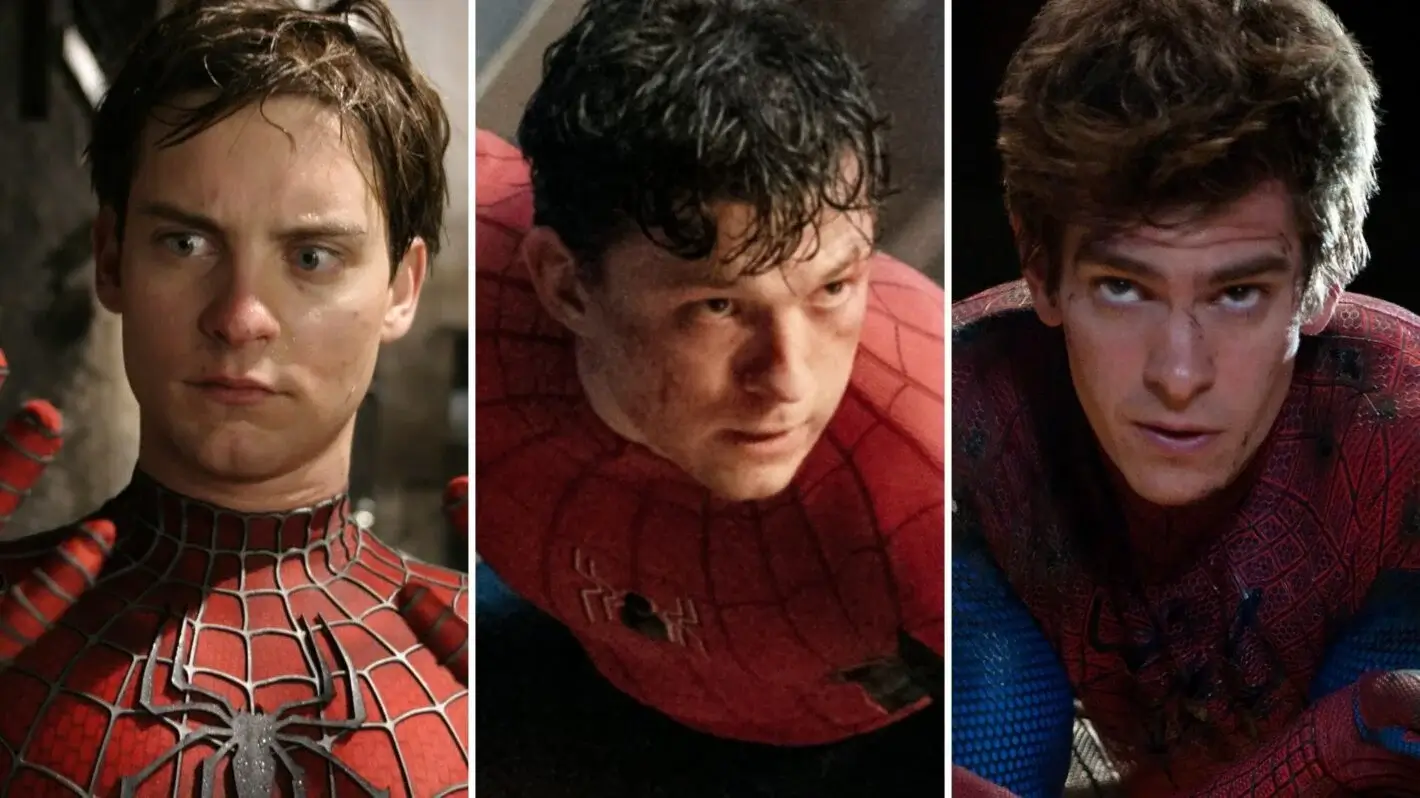
Happy Spider-Man: Brand New Day week to all who celebrate! With Peter Parker’s latest adventure poised to break box office records, it felt like the perfect time to look back at all of the live-action Spider-Man films and decide how they stand up next to each other.
Whether a Spider-Man film changed the game for comic book movies or set the genre and character back a bit, there is no denying the power of this IP. Spider-Man is arguably the most universally relatable and loved comic book character, and fans can’t help but be excited to see him every time he hits the big screen. So, without further ado, let’s look back at the live-action franchise and rank the Spider-Man movies, including placement for the latest entry, Spider-Man: Brand New Day.
9. Spider-Man 3 (2007)
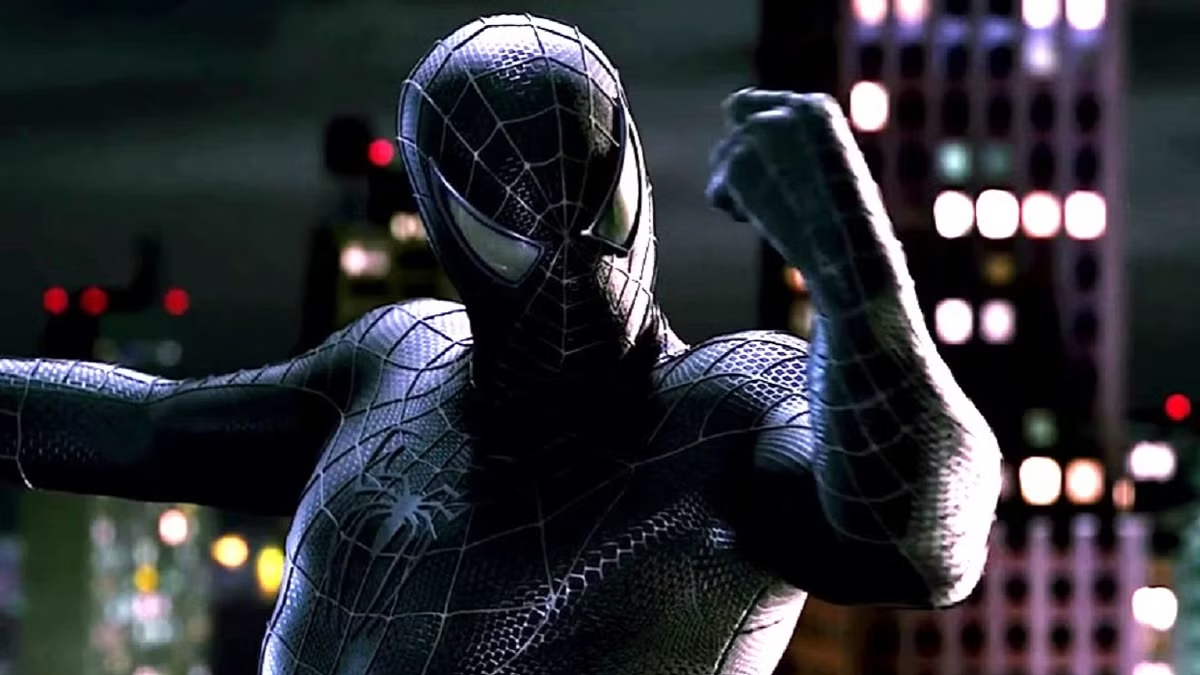
Spider-Man 3 ends up at the bottom of the list because it has the unfortunate problem of following the truly excellent Spider-Man 2. While the immediate sequel represents everything about how the genre can get these films right, the third installment represents just about everything that it can get wrong. Directed by Sam Raimi and from a screenplay he co-wrote with his brother Ivan and Alvin Sargent, Spider-Man 3 is the final film in Raimi’s Spider-Man trilogy and is set a year after the events of Spider-Man 2.
The film picks up with Peter Parker (Tobey Maguire) as he is trying to prepare for a future with his girlfriend Mary Jane Watson (Kirsten Dunst), all while dealing with Sandman (Thomas Haden Church), Venom (Topher Grace), a friend hell-bent on revenge (James Franco’s Harry Osborn), and an alien symbiote that brings out the worst in him. You would think that, directing two successful and well-received Spider-Man films, Sony Pictures would let Raimi cook, but Spider-Man 3 is littered with studio interference that leads to severe villain overcrowding and a bloated story that feels overstuffed in a film that runs reasonably long at 139 minutes. The narrative tries to juggle including Sandman, Venom, and a vengeful Harry Osborn, who takes on the mantle as the new Green Goblin, and really only succeeds at one of them.
Church’s Sandman hits the proper emotional pitches, which makes sense as Raimi wanted to include him originally, along with the Vulture, before the studio forced him to include Venom. Sandman is rendered with impressive CGI, and the film finds an emotional throughline that makes the character mostly work (wasn’t a fan of the Uncle Ben retcon, however). The film doesn’t have room to breathe because of everything that is included, and adding insult to injury are some bizarre subplots and creative choices. There is nothing wrong with romantic angst but the relationship between Peter and Mary Jane becomes hard to root for by this point and it just comes off as hallow romantic melodrama.
Throw in Harry Osborn’s amnesia and the aforementioned retconning of Uncle Ben’s real killer, Spider-Man 3 additionally fumbles the bag when it comes to tone. As Peter begis to become corrupted by the alien symbiote, what could’ve been impressive emotional beats are ruined by what became known as “emo” Peter and choices that come off as unintentionally funny. It’s a shame that Raimi’s trilogy ends this way because it began so promising and concludes as a muddled mess.
8. The Amazing Spider-Man 2 (2014)
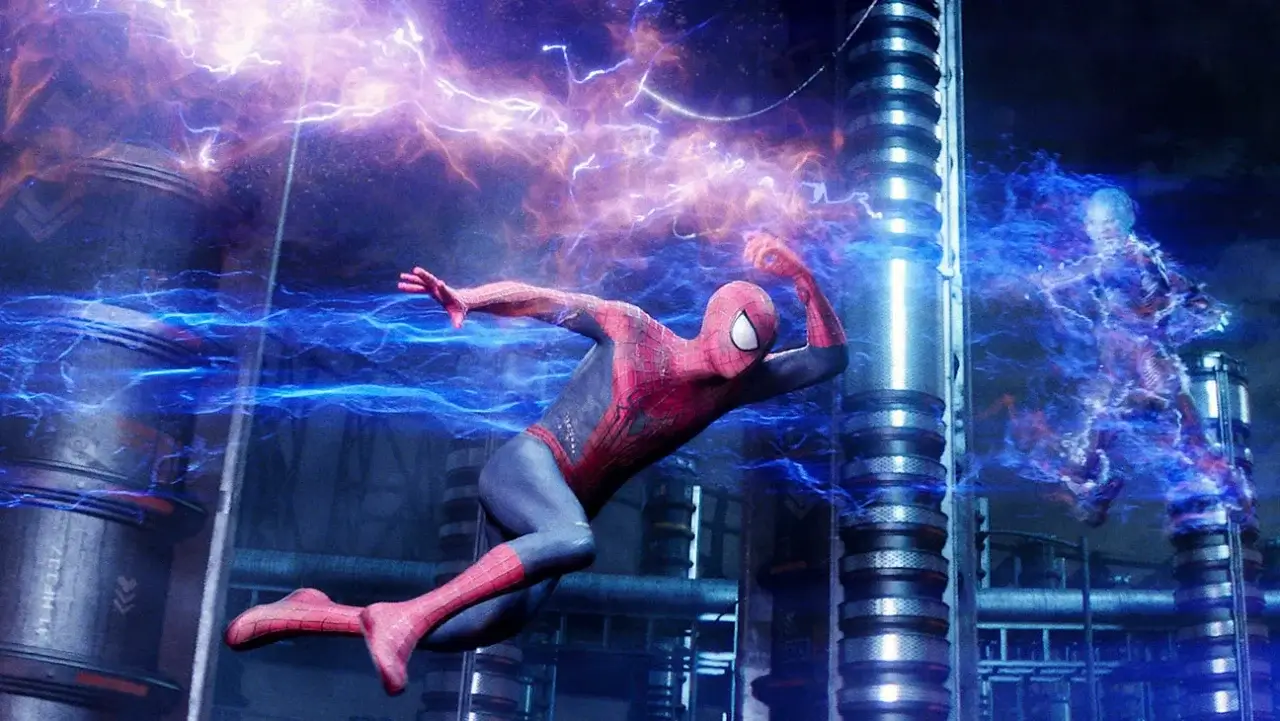
The Amazing Spider-Man 2 has a similar problem that plagued Spider-Man 3 (it’s overstuffed), but what gives it a slight edge is what it gets right, most notably the emotional arc between Peter Parker (Andrew Garfield) and Gwen Stacy (Emma Stone). Directed by Marc Webb and from a screenplay by Alex Kurtzman, Roberto Orci, and Jeff Pinker, The Amazing Spider-Man 2 follows Peter (Garfield) as he tries to protect his girlfriend, Gwen Stacy (Stone), and investigate the death of his parents. In the midst of this, he has to deal with the supervillain Electro (Jamie Foxx) and tensions that grow between him and his childhood friend Harry Osborn (Dane DeHaan).
Sony Pictures didn’t learn from their Spider-Man 3 problem, as The Amazing Spider-Man 3 is overcrowded with too many villain arcs that feel rushed (establishing Electro’s origins, Harry Osborn’s evolution into the Green Goblin, and the conspiracy surrounding the death of Peter’s parents). In addition, the film was crafted to force universe-building and set up spin-offs, most notably one involving the Sinister Six, that only make the narrative suffer in the end.
Holding most of this together is Garfield’s dedication to the character. You can tell his one hundred percent invested, and he gives Peter’s growth and journey, when it’s the main focus, the emotional depth it deserves. That comes together tragically with his relationship with Gwen Stacy. Garfield and Stone were dating during filming, which only helps make their chemistry more palpable and the film’s depiction of “The Death of Gwen Stacy” all the more tragic. Even though her inevitable end feels a bit tacked on in a plot that is bogged down with other stories, it’s a moment that hits all the right notes because Garfield and Stone make the audience root for and care about their relationship.
As for the villains, Foxx is a character misstep as Electro, and his aesthetic and design are more hookie than impressive and while DeHaan fares better as Harry Osborn, the script doesn’t fully flesh out his motivations enough to make the audience invested in his turn from Peter’s friend to his enemy. What the film gets right, surprisingly, is some of the best Spidey in action put to the big screen, although the reception of the film makes people forget that sometimes.The Amazing Spider-Man 2 isn’t as messy as Spider-Man 3, but because of what it gets so right, it ultimately is just as disappointing.
7. The Amazing Spider-Man (2012)
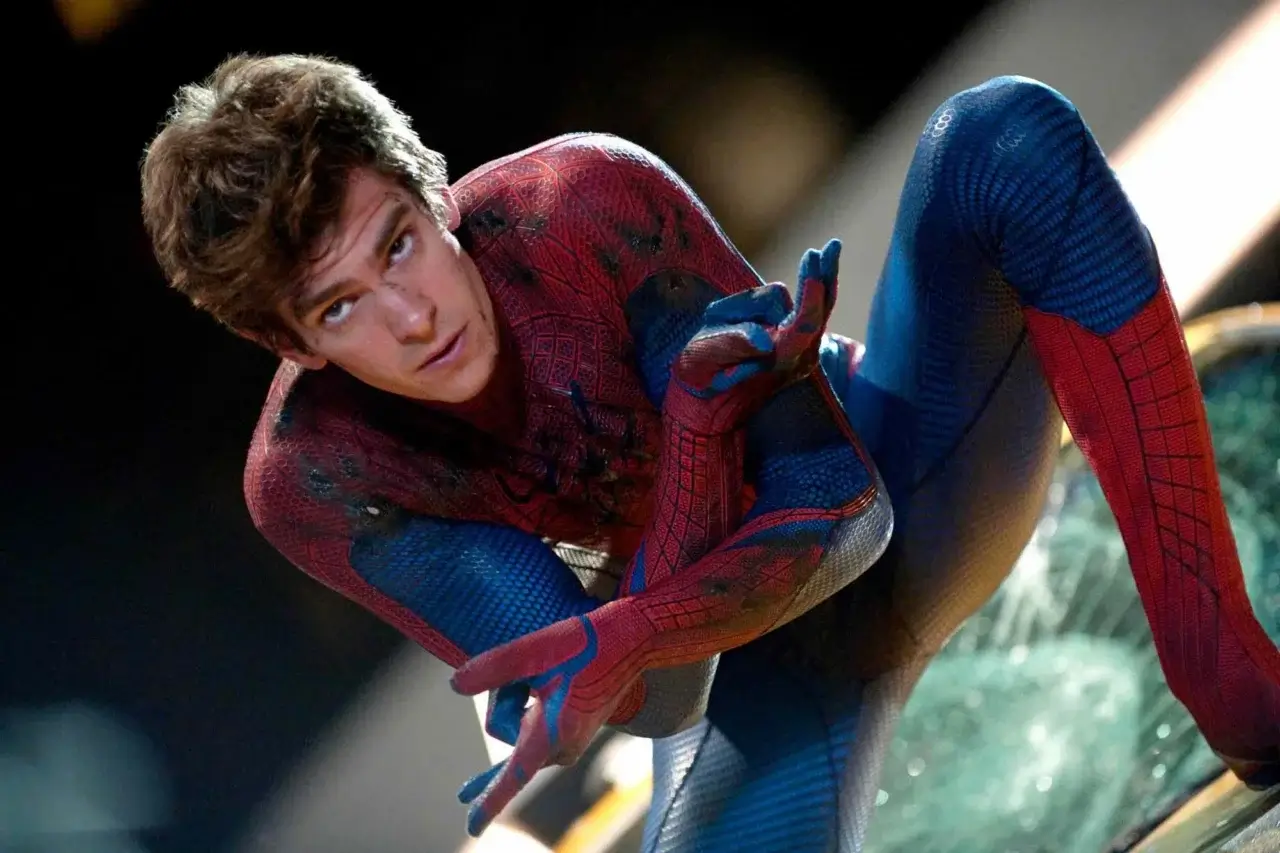
The Amazing Spider-Man is a solid Spider-Man entry, and its problems mostly stem from the beginning signs of Sony Pictures getting anxious to dabble in universe-building, at the expense of the plot, and a rehashing of the origin story that felt like it came too soon following the conclusion of Raimi’s trilogy. Despite this, the film itself is entertaining as a restart of the franchise, and it’s bolstered by strong lead performances from Andrew Garfield and Emma Stone.
Directed by Marc Webb and from a screenplay by James Vanderbilt, Alvin Sargent, and Steve Kloves, The Amazing Spider-Man serves as a reboot of the film series following the Sam Raimi trilogy and follows Peter Parker (Garfield) as he gains spider-like superpowers and secretly fights crime as Spider-Man, all while trying to maintain a normal life as a teenager. There is a sense of infectious energy in The Amazing Spider-Man that comes along with the film being a fresh start. It gets to forget the stench of Spider-Man 3 and start anew with a fresh take on the character and his story.
Even though the rehashing of his origins leads to a lot of the movie feeling like an unnecessary retread, what makes some of it feel like something we haven’t seen before is Garfield’s portrayal of the titular hero. He brought a different energy compared to Tobey Maguire’s take, coming off more as a brooding outsider with a bit of hipster edge rather than a typical awkward nerd. Some fans pushed back on this portrayal, but the change allowed the movie to feel different from what came before and let Garfield put his own stamp on the character, leading to what became the best portrayal of Spider-Man (the hero) at the time.
Garfield lands all the character’s signature humor and quips, making him fare a bit better than Maguire in that regard. Another win is the chemistry between the leads, as Garfield and Stone, having a meet-cute in real-life here, have an undeniable unforced connection that becomes the heart of the movie. The action sequences are also top-notch, with Webb bringing a surprising intimacy to the first-person web-slinging sequences. Where The Amazing Spider-Man falters is the forced subplots and uninteresting villain motivations.
The mystery surrounding Peter’s parents is set up here, and it’s not as interesting as the film seems to think it is. Dr. Curt Connors/The Lizard (Rhys Ifans), while adequately performed by Ifans, has motivations that don’t have much emotional stakes (turning everyone into reptilian hybrids just isn’t it). The Amazing Spider-Man may have been born out of corporate greed (Sony really wanted to hold onto those rights), but it’s better than most give it credit for, even if some of it feels too familiar too soon.
6. Spider-Man: Far From Home (2019)
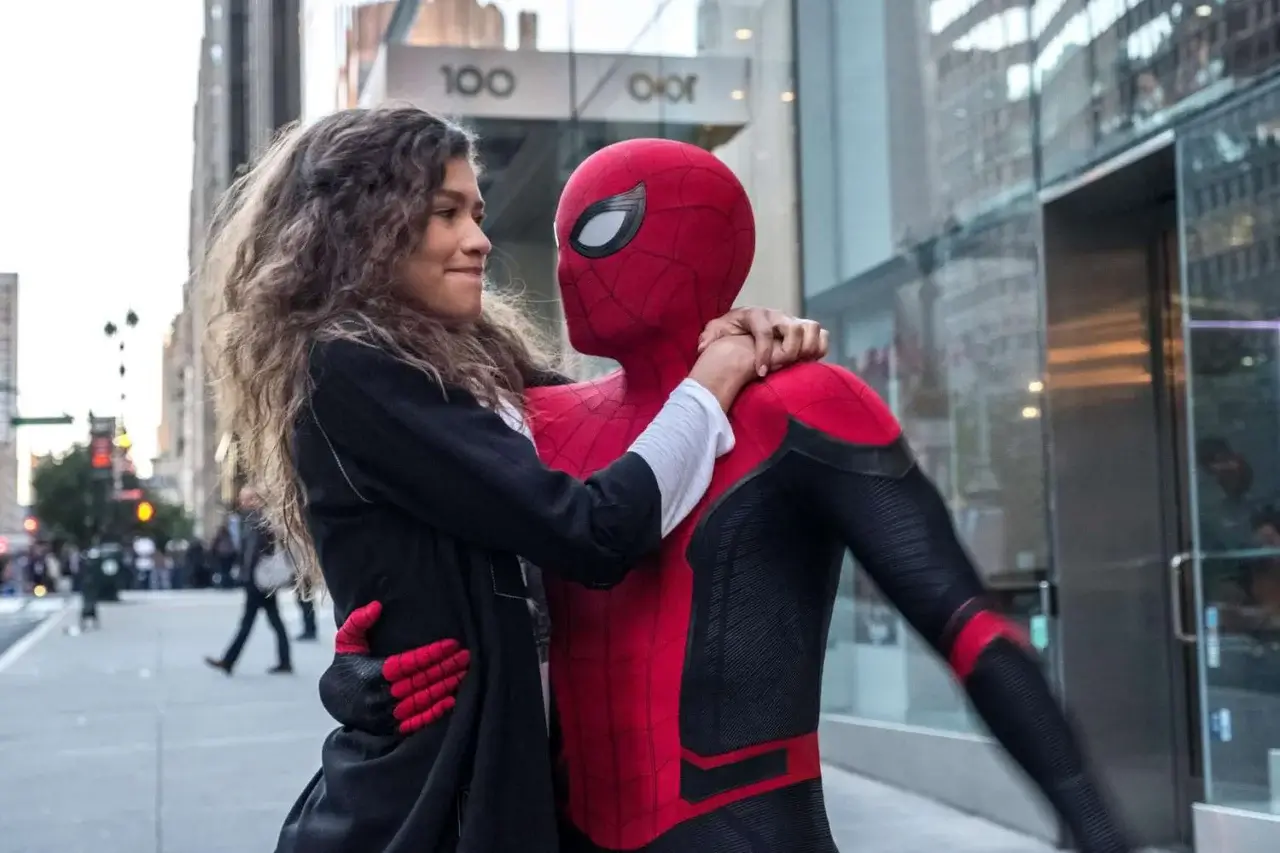
At this point, the Spider-Man films are primarily good to great, with personal preference taking precedence. Spider-Man: Far From Home, Tom Holland’s second solo outing as the character, seems to have received more negativity in the years since its release, and it’s an assessment that I can’t quite wrap my head around, although it does make choices that might make die-hard fans, not accustomed to change, push back against it.
Directed by Jon Watts from a screenplay by Chris McKenna and Erik Sommers, Spider-Man: Far From Home follows Peter Parker (Tom Holland) as he’s recruited by Nick Fury (Samuel L. Jackson) and Mysterio (Jake Gyllenhaal) to stop the Elementals, which is made complicated by his school trip to Europe. There is no denying that Spider-Man represents New York City through and through, but some of what is enjoyable about Far From Home, which makes some fans a bit upset, is that a change of scenery here is fun and offers something new.
Why can’t Spider-Man galavant through Venice, London, and Prague? It gives the film a youthful and energetic aesthetic that matches the stage of the character’s life at that point. Some have said the movie comes off too much like a teen film (with some complaints going as far as saying its DNA is more Disney Channel than Spider-Man), but as the Holland films were charting Peter’s growth through high school, this angle feels necessary from a character and narrative standpoint. Honestly, a lot of the coming-of-age stuff that has made some of the best Spider-Man entries shine is featured here. Far From Home balances the angst of growing up and budding teen romance with high-stakes comic book action, and it handles both with care. There is more depth here than most give the film credit for as well.
The fallout from Avengers: Endgame leads to some solid emotional beats for the character as he struggles with the grief of having lost Tony Stark and becoming man enough to begin to become the hero he is meant to be. The deception of Mysterio is also wonderfully portrayed, with Gyllenhaal giving a great performance as Quentin Beck that is charming (easy to see why Peter could fall for his con) and multifaceted. His inclusion also leads to some great visual moments, with the illusion sequences leading to some truly mesmerizing mind-bending fights that are far more interesting than your standard showdown between a hero and his villain.
Again, the Spider-Man films are at their best when the movie is relatable, and there is nothing more relatable than the awkwardness of teen romance. Holland and Zendaya’s chemistry is a joy to watch as the characters’ affections begin to develop into something deeper. Some believe that the implications of the “blip” and Endgame are treated too lightly and that there is an over-reliance on tech that doesn’t allow Peter to function as an independent hero, but it all feels nitpicky in the end. Spider-Man: Far From Home is the second stage in Peter’s coming-of-age story, and it hits all the right notes in that regard.
5. Spider-Man: Homecoming (2017)
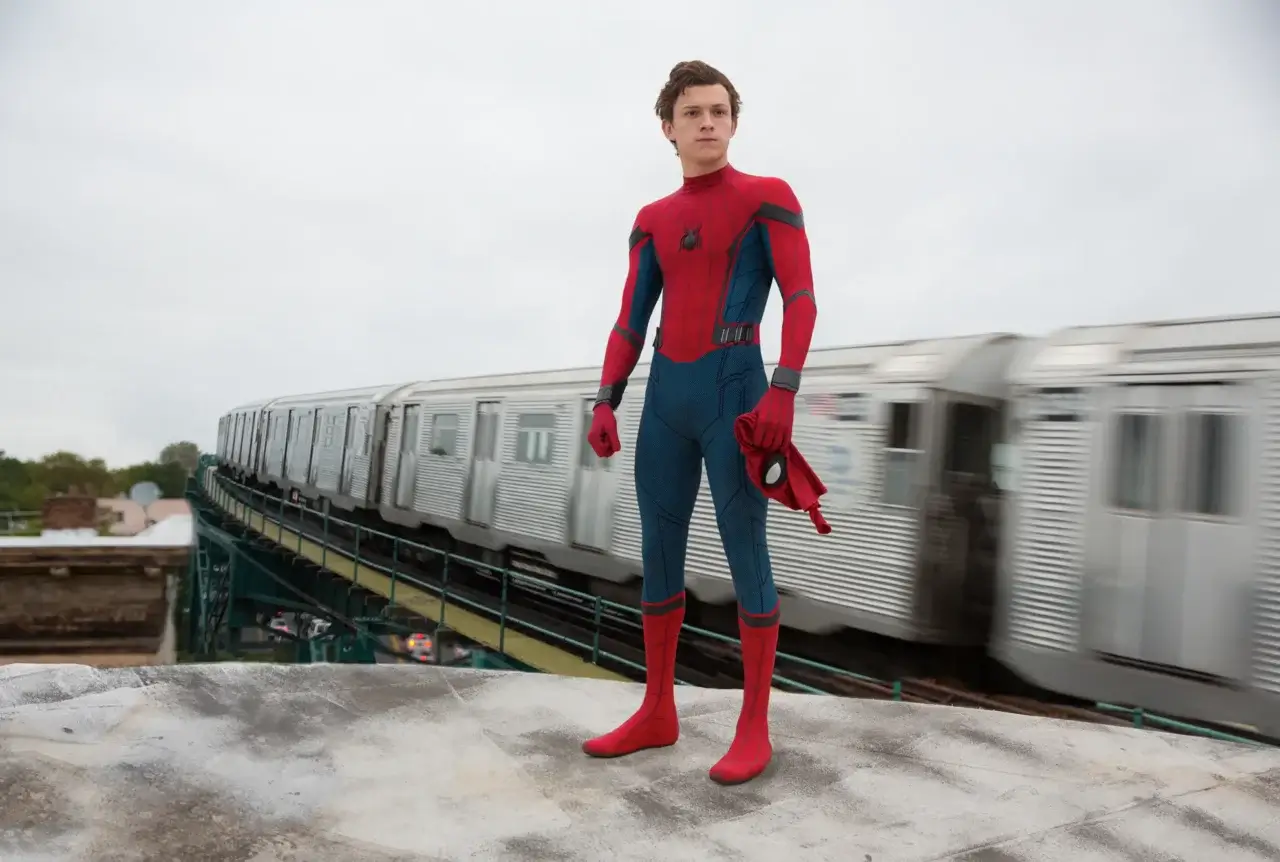
Spider-Man: Homecoming feels exactly like that. A homecoming of sorts for the character, as Sony Pictures and Marvel Studios had struck a deal to share the IP, allowing him to jump into the MCU, first in Captain America: Civil War, and then this first solo entry for the Marvel Cinematic Universe era. It also represents a return to form that allowed the franchise to recapture the youthful energy that has made the character a mainstay without the narrative being bogged down by an origin story the audience knows like the back of their hands at this point, and it keeps things relatively grounded, allowing the story to focus on Peter’s high school exploits as he balances his beginnings as a superhero.
Directed by Jon Watts and from a screenplay by the writing teams of Jonathan Goldstein and John Francis Daley alongside Watts, Christopher Ford, Chris McKenna, and Erik Sommers, Spider-Man: Homecoming follows Peter Parker (Tom Holland) as he balances high school life with being Spider-Man and facing the villain known as the Vulture (Michael Keaton). While this hasn’t been a resounding problem with the previous entries, Maguire and Garfield were well beyond high school age when they portrayed the character, so it’s refreshing to have Holland, who wasn’t a 20-something actor at the time of filming, bring authentic teen angst and energy to the character that gave Homecoming a youthful spin.
There aren’t huge universe-ending stakes at play, and by keeping this relatively small and within the confines of Queens, there is an intimacy to Homecoming that feels right for Peter’s first solo MCU installment. Watching him juggle normal life and teenage problems alongside him stumbling through his powers and discovering how to utilize them to their fullest gives the movie a more personal touch that didn’t need cataclysmic gloom and doom to drive its narrative. That’s not to say there aren’t stakes. The Vulture is one of the better standalone MCU villains, with Keaton effectively portraying a working-class family man who actually has understandable motivations for turning to a life of crime.
He’s given a more human reason for his heel turn rather than something campy and cartoonish. Not to mention, his reveal that he’s fully aware that Peter Parker is Spider-Man as he’s dropping him off with his daughter Liz (Laura Harrier) at the homecoming dance is a chilling moment that stands tall with some of the best scenes in the MCU. Fans found things to pick apart over time. From Peter’s reliance on Tony Stark (leading to what some feel are forced scenes to include Robert Downey Jr.) and an aged-down Aunt May (although Marisa Tomei is perfectly fine in the role and elevates it beyond obvious jokes), some things make this Spider-Man feel different from what came before, but that’s the point. Spider-Man: Homecoming is a boy’s journey as he begins to take on more responsibilities. The stakes might seem small but they feel more personal.
4. Spider-Man (2002)
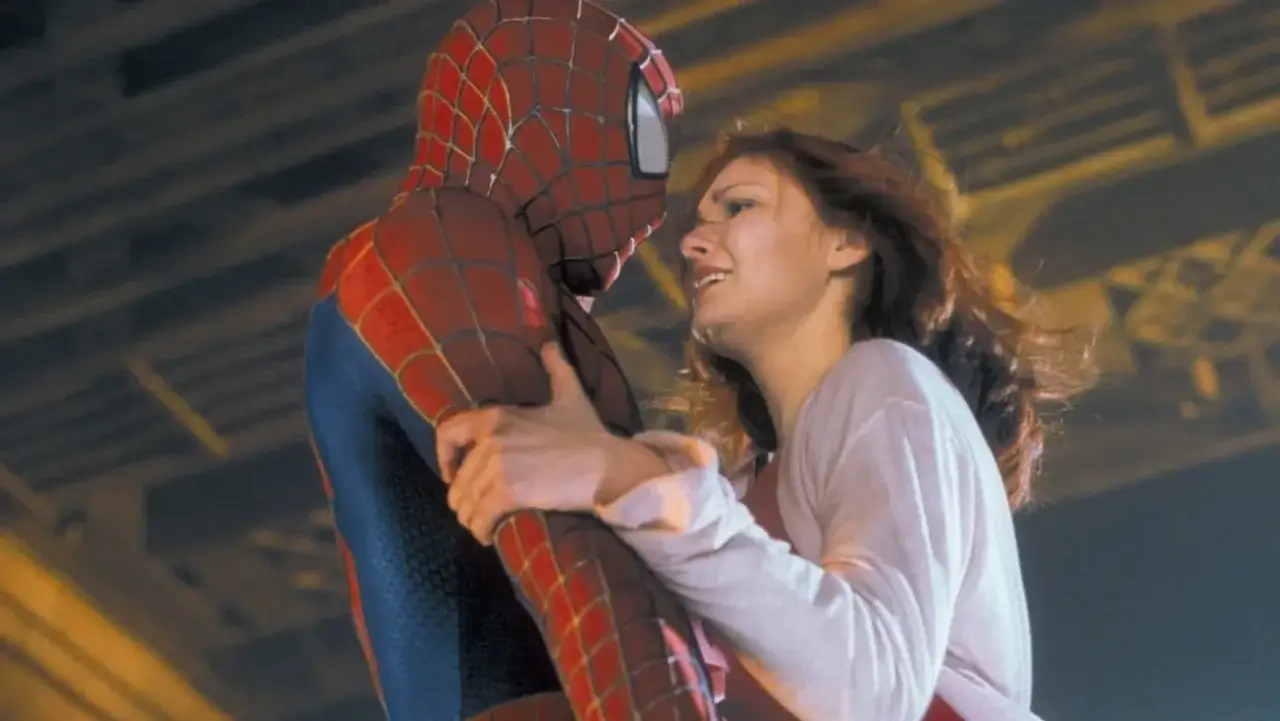
The joy of watching one of your favorite comic book characters hit the big screen for the first time is nearly unmatched, and that joy is why 2002’s Spider-Man continues to resonate all these years later. Nothing about the film feels dated, and thanks to Sam Raimi’s direction, he ensured that its timelessness would make it stand tall as one of the best comic book films. Directed by Raimi and from a screenplay by David Koepp, Spider-Man follows awkward and timid Peter Parker (Tobey Maguire), who gains superpowers after being bitten by a radioactive spider.
Soon after, he becomes Spider-Man and begins to fight crime in New York City, with his first major threat being the villain Green Goblin (Willem Dafoe). As comic book origin stories put to film go, Spider-Man is one of the best because it’s tightly paced (the origin runs in perfect lockstep with the primary narrative) and it’s a simple yet effective retelling of the comic book story that balances heart and humor while keeping the stakes high.
Raimi proves to be a great choice to take on directing duties, taking what he began with Darkman (that movie walked so his Spider-Man film could swing) and infusing it with groundbreaking visuals that brought the comic book panels to life in the best way at the time, turning a character everyone loves into a tangible human being that swings across New York City as its fearless protector. His energetic camera angles are on full display, and he uses some of his indie sensibilities to seamlessly transition them into budget excellence. The character beats and performances are what really make the film stand out. Maguire captures the awkwardness of Peter Parker while also encapsulating his earnestness and strength as he develops as a hero.
Matching the teen angst is the sweet romantic chemistry between Maguire and Dunst, which properly plants the seeds for what will become a very complicated relationship. The person with the hardest job here is Dafoe because the Green Goblin is a truly iconic villain in Spider-Man’s rogue gallery that would be hard to bring to life, but he delivers an unhinged performance that walks the line perfectly between menacing and campy. Spider-Man still represents the feeling of first seeing it. There might be nostalgia at play, but once you hear that sweeping Danny Elfman score and remember those goosebump-inducing moments (“Who am I? I’m Spider-Man”), there is no denying the power this film still has.
3. Spider-Man: No Way Home (2021)
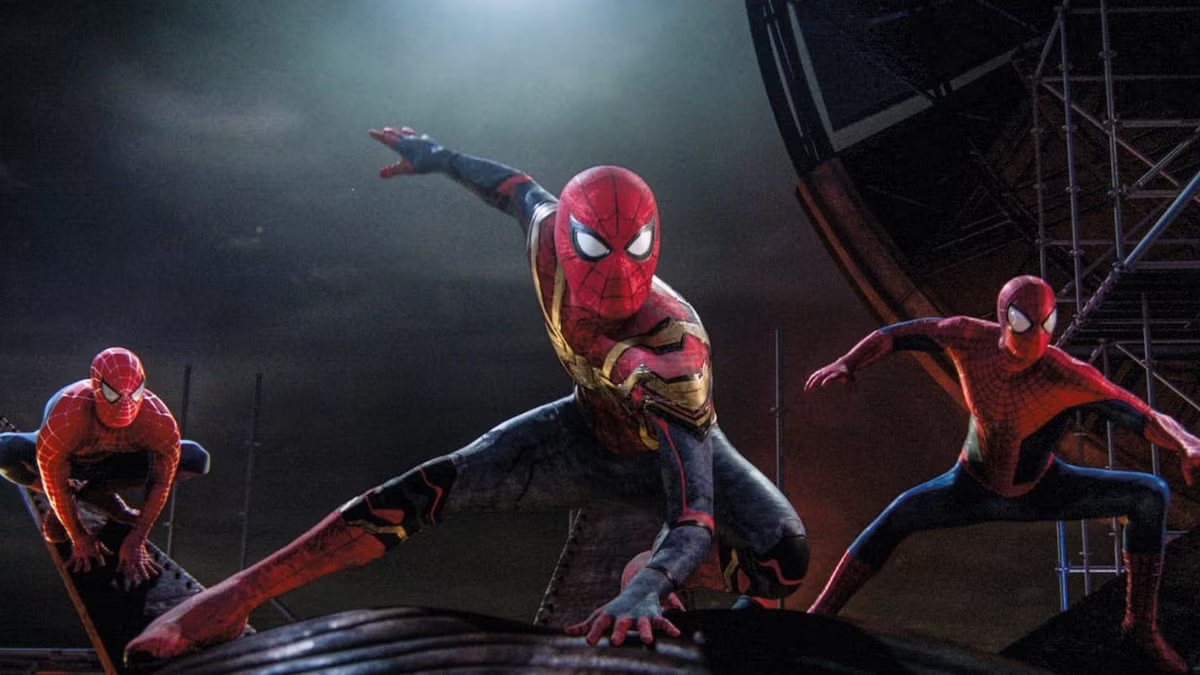
Call it fan service all you want, but at least Spider-Man: No Way Home is fan service that delivers on all fronts. It doesn’t live or die on the hook of seeing all three big-screen Spider-Men together for the first time. It also packs an emotional wallop as it ultimately wraps up with necessary sacrifices that lead to a truly heartbreaking ending as a hero loses it all in the name of protecting the multiverse, proving that he has finally become the hero he was meant to be by making the necessary tough calls and choices. No matter how much they might hurt.
Directed by Jon Watts and from a screenplay by Chris McKenna and Erik Sommers, Spider-Man: No Way Home follows Peter Parker (Holland) as he enlists Dr. Stephen Strange (Benedict Cumberbatch) to use his magic to make his identity as Spider-Man a secret again after it was revealed at the end of Spider-Man: Far From Home. However, the spell goes wrong due to Peter’s action, and it results in the multiverse being broken, along with visitors from alternate realities coming into Peter’s universe. Spider-Man: No Way Home might be remembered for all of the secrecy surrounding it, especially whether or not Maguire and Garfield would be showing up or not; it resonates more as a story about personal and emotional growth while showing a great deal of empathy for the titular character in the process.
The concept of “with great power comes great responsibility” wasn’t really spoken in the Holland films until this entry, and it’s a narrative theme that runs deep throughout No Way Home. Peter has to go through painful consequences throughout the film, from losing his Aunt May (Marisa Tomei) to having to have his friends and love of his life forget he exists to restore balance in the multiverse. These decisions result in some of the most emotional scenes of the franchise across all of the live-action films, with Holland hitting emotional highs that were the strongest for him at the time. A lot of that comes from genuine affection the actors feel for each other, which is then translated through their characters.
Watching Peter lose Aunt May is a gut punch, and watching him say goodbye to MJ (Zendaya) and Ned (Jacob Batalon) hits at your very core because of the chemistry the audience has seen develop across their films. However, don’t worry, folks. It’s not all in-depth character building and emotional resonance. No Way Home is as fun as comic book movies get. Watching villains return, and three generations of Spider-Men come together for the first time hits all the right notes, but it’s also done in a way that doesn’t feel gimmicky, and they’re all in servide to Holland’s inevitable growth as the character. Each return feels necessary to the plot, and some, particularly Garfield’s return as the character, provide emotional healing and right a wrong in both real (the fallout from The Amazing Spider-Man) and reel life (saving MJ when he couldn’t save Gwen Stacy). Spider-Man: No Way Home is proof you can use fan service to tell a necessary and meaningful story without it being a cheap trick merely used to generate box office dollars.
2. Spider-Man 2 (2004)
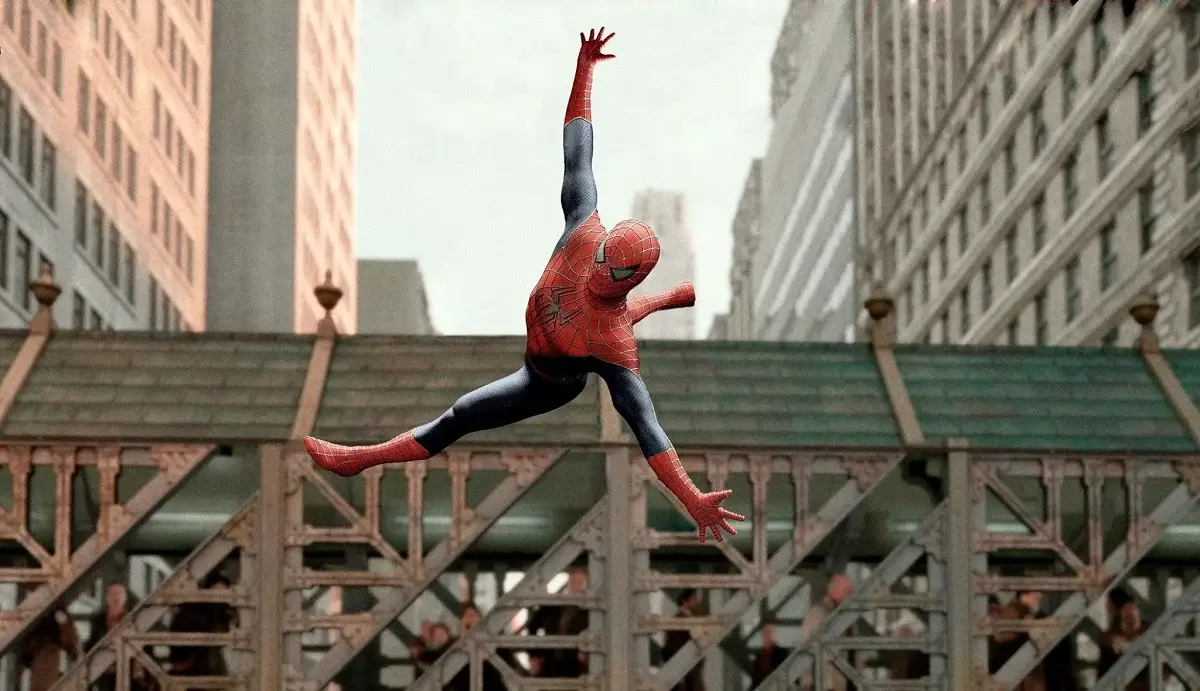
There is no denying that 2002’s Spider-Man set a new tone for comic book movies. Proving that Marvel adaptations were a growing force within the industry. But Spider-Man 2 managed to bring comic book movie spectacle alongside a character-driven story that still makes it rank as one of the best of the genre. Directed by Sam Raimi from a screenplay by Alvin Sargent and story by Michael Chabon, Alfred Gough and Miles Millar.
Spider-Man 2 finds Peter Parker/Spider-Man (Tobey Maguire) going up against scientist Dr. Otto Octavius (Alfred Molina). He is on the verge of recreating an experiment that will prove to be dangerous. While also dealing with personal issues that are affecting his abilities. The latter portion of the plot description is why Spider-Man 2 continues to work. It’s a surprisingly grounded character-driven film. Peter has to deal with the angst of paying bills, maintaining a job, and dealing with the internal conflict and guilt regarding his best friend Harry Osborn (James Franco).
Along with his complicated relationship with Mary Jane Watson (Kirsten Dunst). Since the 2002 film set up the origin story, Spider-Man 2 gets more room to breathe as it dives into Peter’s personal choices. All while he maintains a secret persona as Spider-Man. The stress of all of this begins to affect his powers, and it all feels entirely relatable. Beyond the character-driven drama, the film features a standout villain in Dr. Otto Octavius. He manages to convey sympathy with ruthless villainy. While Raimi stages some of the best action sequences of his career and the comic book genre as a whole (the train fight sequence remains a highlight of fast-paced action and immense emotional payoff).
The film raises the stakes in all the right ways for a sequel. That’s what makes Spider-Man 2 stand tall as a follow-up. It takes what worked about the first movie, deepens the narrative, and creates defining moments for all of the characters. It’s one of the best sequels ever made and easily one of the best comic book films made to date.
1. Spider-Man: Brand New Day (2026)
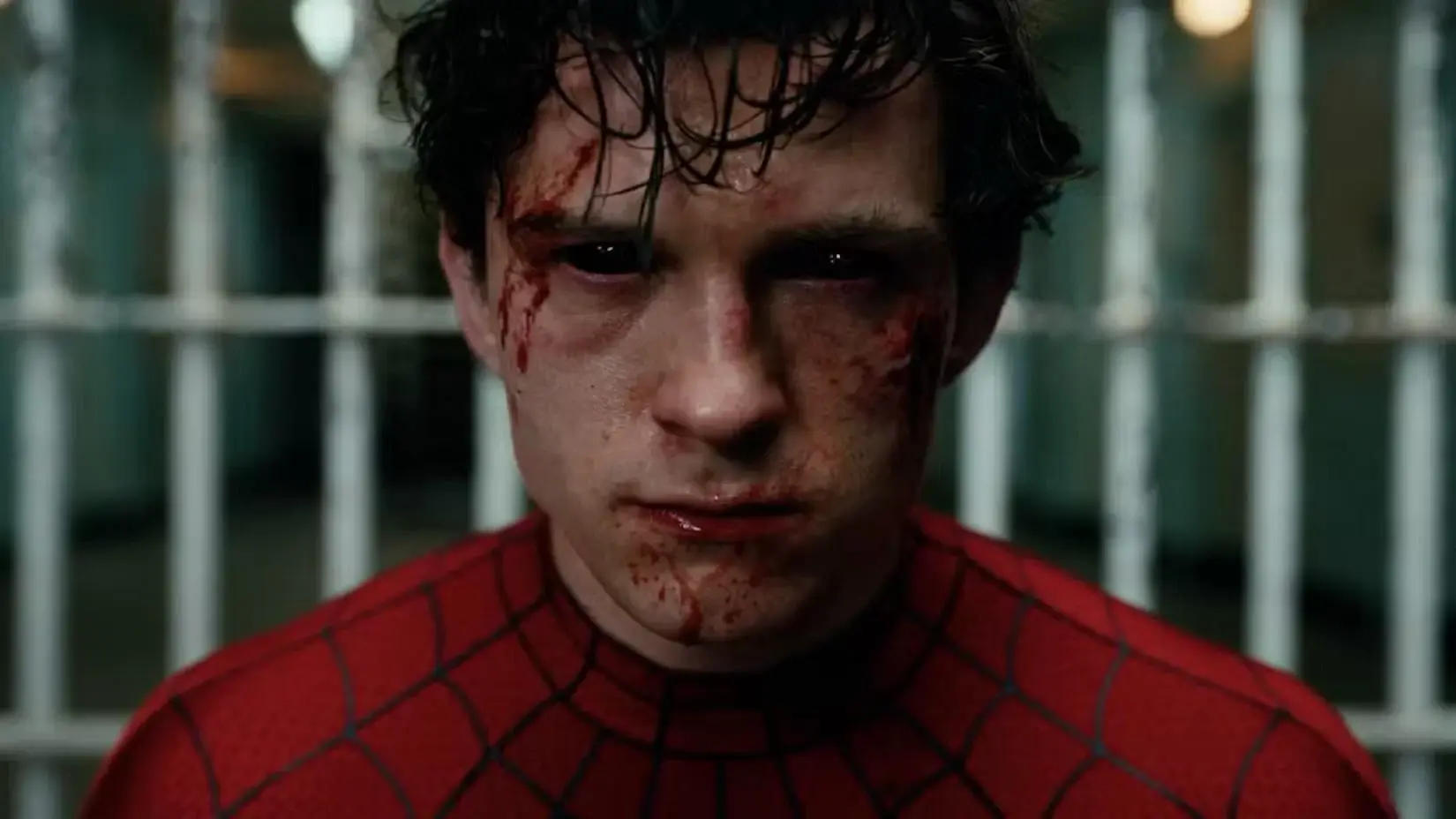
For years, nothing has topped Spider-Man 2 as the best live-action take on the character, and then comes Spider-Man: Brand New Day, a stripped-down and emotional character story that benefits from a street-level story and a focus on Peter Parker the man as he figures out how they intertwine with his superhero persona. Directed by Destin Daniel Cretton and from a screenplay by Chris McKenna and Erik Sommers, Spider-Man: Brand New Day picks up after the world has forgotten Peter Parker (Tom Holland) existed following the events of Spider-Man: No Way Home, as he anonymously protects New York City as his superhero persona.
In the midst of this, he’s investigating a powerful new threat as his powers begin to undergo changes that could prove dangerous. Brand New Day brings the Spider-Man franchise back to its roots by honing in on a more mature story arc that leads to some truly powerful moments. The film’s depiction of isolation, loneliness, and grief is palpable, and it proves that real-life human trials and tribulations can be just as massive as multiverse stakes. Holland gives his best performance as the character to date, embracing Spider-Man’s signature humor and quips but also evolving the character in a way that he isn’t afraid to showcase Peter Parker’s pain from being isolated from real human connection.
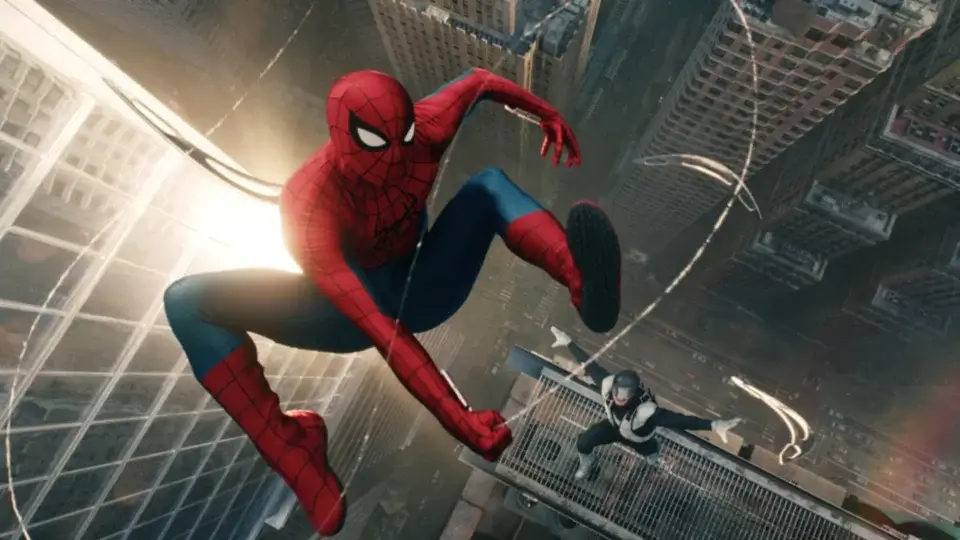
The character beats between MJ, Ned, and Peter lead to some of their most emotional and poignant moments without them taking obvious directions. The audience might want an obvious resolution for these characters following No Way Home, but Brand New Day knows it’s all about the journey. In this journey, the chemistry is different, but it’s no less powerful. Holland and Zendaya put in some of their best work together here, even though it’s tweaked by one not really remembering the other. In addition to grounded storytelling, Cretton’s direction puts Spider-Man in action on the big screen like he never has before. The fluidity of the character is captured beautifully, and you can tell that even though CGI is being used, he has seamlessly integrated it with some dynamic stunt work and fight choreography that is as clean and inventive as this franchise has ever been.
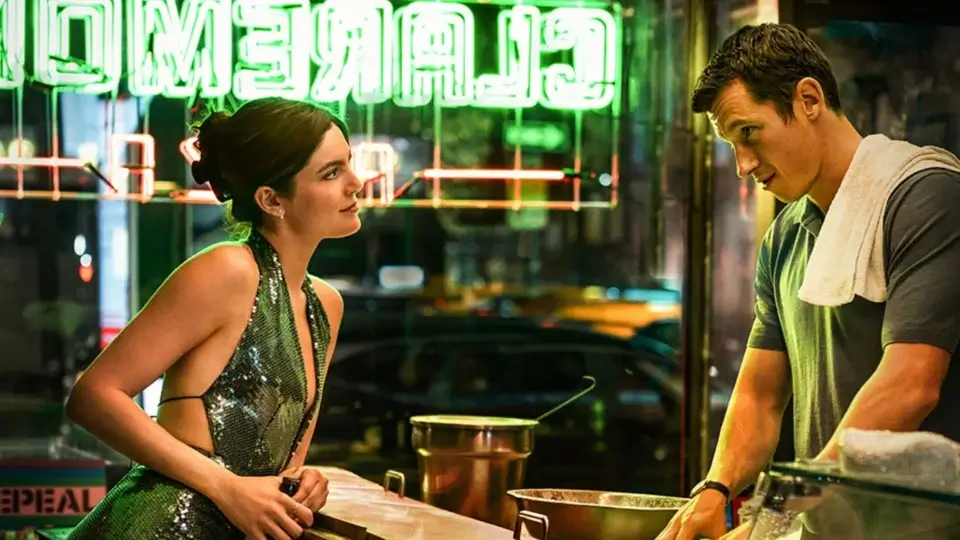
The film also doesn’t feel overstuffed despite the inclusion of side characters that could make it feel that way. Jon Bernthal’s Punisher is a welcome addition, and his big brother/little brother banter with Peter is a highlight, while Mark Ruffalo’s Bruce Banner/Hulk also shows up in a meaningful way that helps drive the plot and Peter’s evolution. Every character is meant to track Peter’s growth, and this is even true of Sadie Sink’s “mystery” character, who makes a strong case for where that character is headed in the future. Some say she takes over the third act. The truth is, she compliments its and is essential to Peter finally discovering his purpose and the coexistence of both Peter Parker and Spider-Man. It could be because it’s so fresh in my mind, but Spider-Man: Brand New Day is not only the best Spider-Man film, but it’s one of the best comic book movies we’ve had in a very long time.
Spider-Man: Brand New Day is now playing in theaters nationwide.





Reviews