
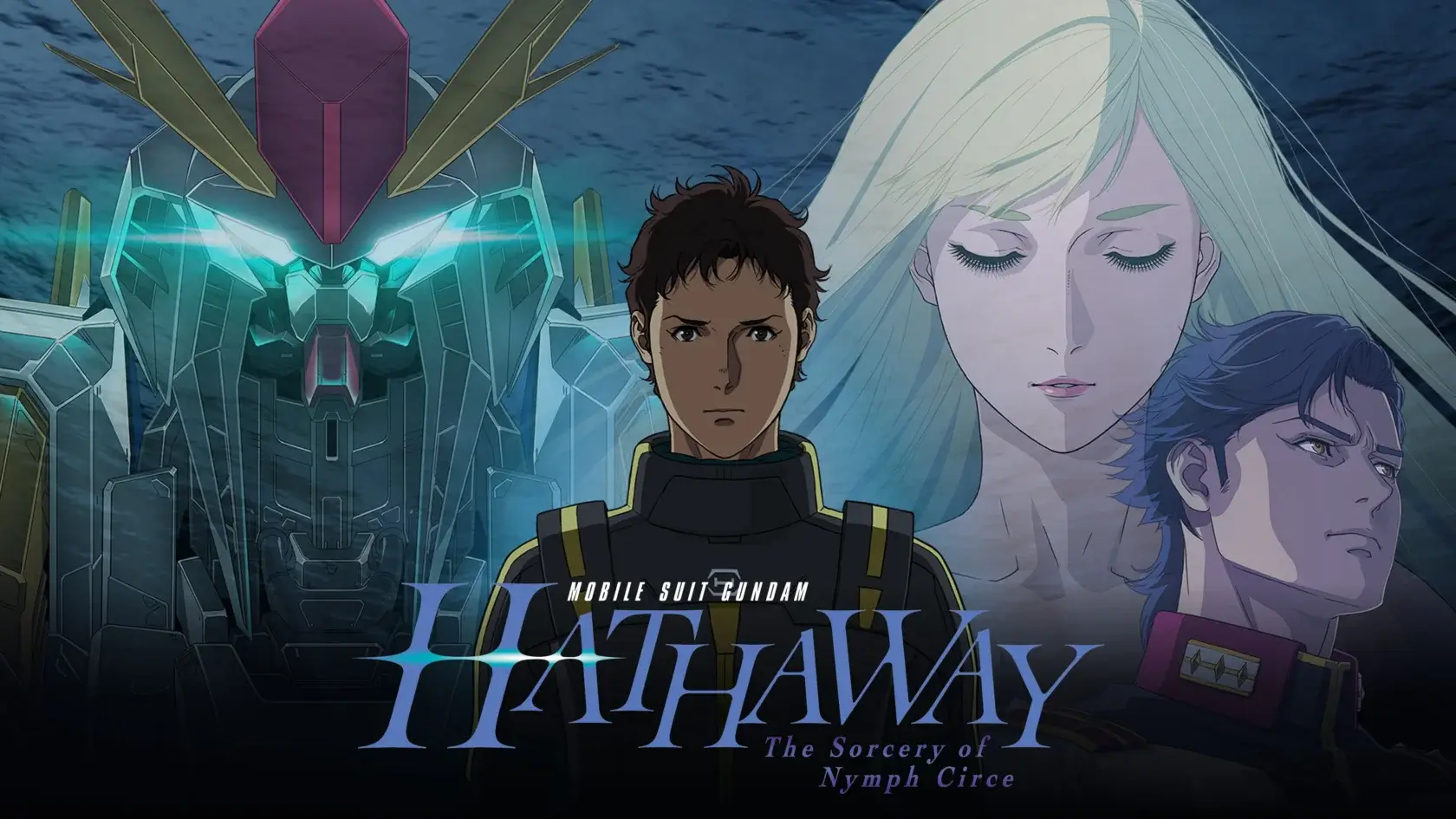
Shūkō Murase did not describe Mobile Suit Gundam Hathaway: The Sorcery of Nymph Circe like a routine sequel. In our interview, he made it sound like a deliberate shift in emphasis, tone, and even storytelling language. The biggest clue is right there in the title. This chapter is not just continuing Hathaway’s journey. It is reframing the film around Gigi, tightening the emotional focus, and using music in a much bolder way to carry information, feeling, and time across a dense political story. That is why this sequel feels like more than “part two.” It sounds like the movie where the trilogy starts revealing what it really wants to be.
The Title Change Signals a Real Shift in Who Matters Most

Murase made it clear that the move away from Son of Bright was not cosmetic. The first film used that title for a practical reason, and because Hathaway being Bright Noa’s son created a layered meaning in Japanese. But he said that logic stopped being the best fit once they started shaping the second chapter.
“When we started creating the second chapter, Hathaway is Bright’s son, but really the main character in chapter two is really Gigi. And also when we talk about the title Son of Bright in English, the double meaning doesn’t quite work because of the spelling, right? … We felt that the Circe was expressing the actual movie better.”
- Shūkō Murase
That is a big creative tell. Murase is not saying Hathaway stops mattering. He is saying the movie’s center of gravity changes. Gigi becomes more important to how this chapter works, which immediately makes the sequel more intriguing. Instead of just escalating conflict, Murase is signaling a different emotional and thematic lens for the story.
Murase Is Using Music to Carry More of the Story Than You Might Expect

One of the most interesting parts of the interview was Murase’s explanation of the soundtrack. He said the use of lyrical songs throughout the movie was intentional from the start, and tied that decision to the problem of how much story this chapter needs to communicate in a limited runtime.
“It was intentional that I wanted songs with lyrics inserted into the movies, and that was a philosophy of mine. And maybe I was influenced by American movies from the 80s and 90s. And with this story, we have to put a lot of information, we have to deliver a lot of information in a short amount of time. And so I basically left that up to the music to handle.”
- Shūkō Murase
That idea helps explain why the film’s music lands so differently. Murase is not treating songs as decoration. He is using them as narrative compression. The music can cover emotional shifts, the passage of time, and internal meaning far faster than staging every beat out literally. That is a risky choice, but it also sounds like exactly the kind of formal boldness that can make a Gundam movie feel special instead of merely efficient.
Even the Boldest Choices Were Meant to Serve the Story First
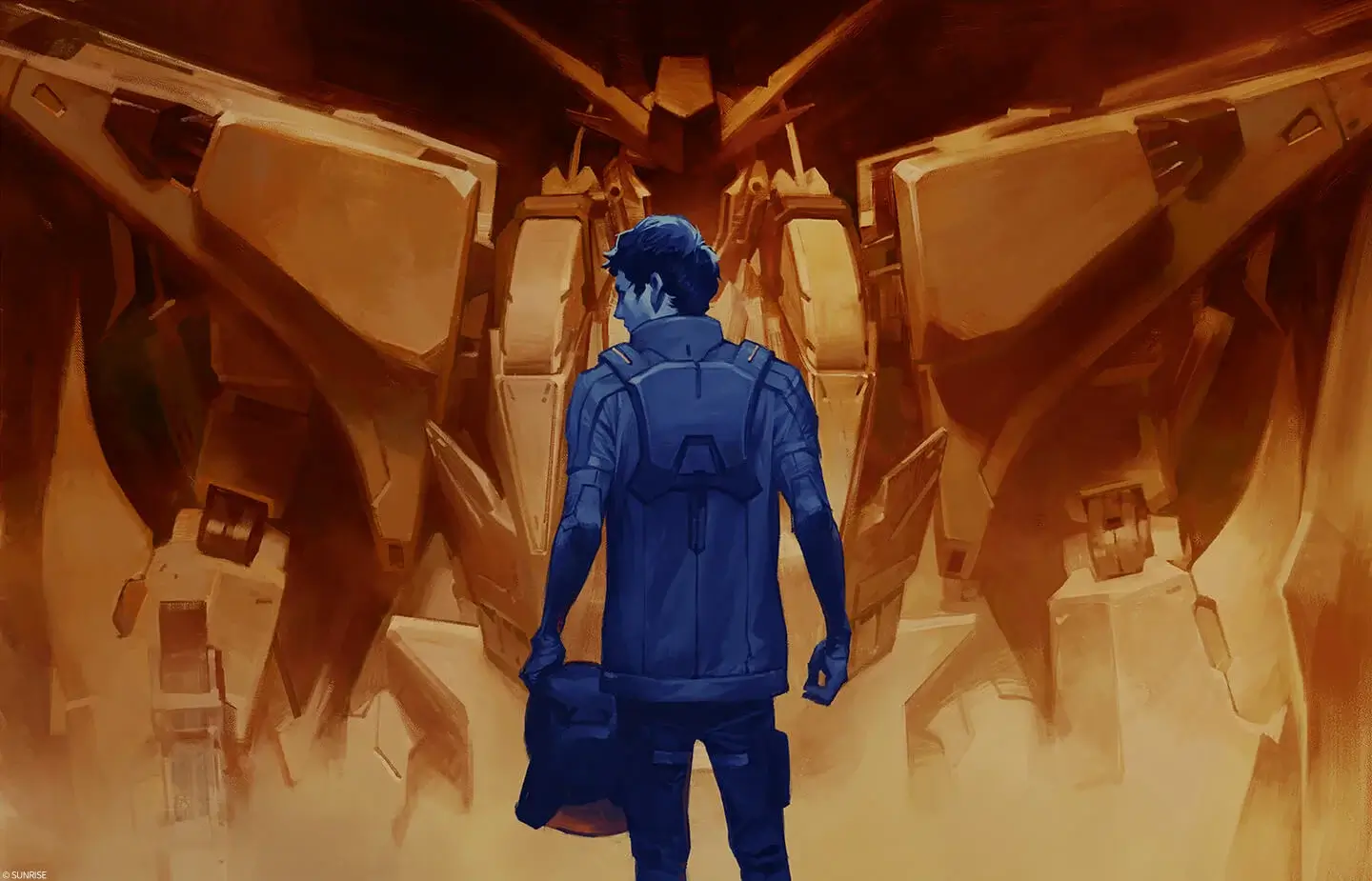
Murase also admitted he was not mainly thinking about overseas reaction when it came to the opening and ending songs. His concern was how Japanese audiences, especially more conservative Gundam fans, would respond. The fact that they accepted it clearly matters to him.
That matters because it shows these decisions were not gimmicks aimed at broadening the movie’s image. They came from his belief about what this story needed. Between the title change and the musical philosophy, Murase sounds like a filmmaker making sharper, more specific choices for this chapter rather than simply scaling up what worked before.
That is why The Sorcery of Nymph Circe sounds so exciting. Murase is promising a sequel that is not only gorgeous, but more focused, more emotionally expressive, and more willing to let form carry meaning. Mobile Suit Gundam Hathaway: The Sorcery of Nymph Circe opened in North America on May 15 in more than 850 theaters, according to the official Gundam site.
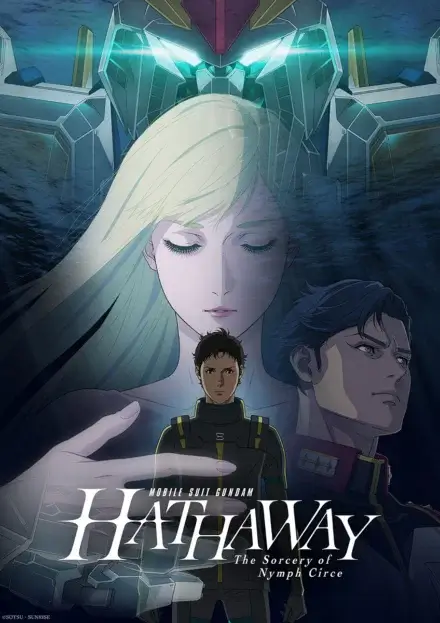
Are you most excited by the title change, the music choices, or Gigi taking on a larger role? Do you like when a sequel shifts its center instead of repeating the first film? And how bold do you want a Gundam movie to be stylistically? Share your thoughts in the comments or @me



![‘Black Torch’ Stars AJ Beckles & Ryan Colt Levy Talk Shonen Action & Cats [THS Interview]](https://thathollywoodshow.com/wp-content/uploads/2026/09/project_20260921_1900515-01-1-960x540.webp "project_20260921_1900515-01 (1)")



Reviews