

They say that timing is everything, and that proved true in 2010 when The Social Network hit the big screen and began its journey to becoming a modern-day masterpiece. The film about the founding of Facebook struck a chord with audiences because it involved two names in movies that garner huge respect: director David Fincher and writer Aaron Sorkin, while the landscape of communication and the internet was changing. Facebook was the king of all things social media, while Twitter was begging to nip at its heels and YouTube was changing the landscape of how we consume content.
Combine curiosity with an effective marketing campaign (“You Don’t Get to 500 Million Friends Without Making a Few Enemies”) and you get a perfect storm of success for the film, leading to a global gross of $225 million on a $40 million budget and eight Academy Award nominations, including Best Picture. The timing for its sequel (or companion piece), The Social Reckoning, released just last weekend, couldn’t be anymore different. Not only with Fincher opting not to return to direct, leaving the job to Sorkin, the film’s screenwriter, but there is also a lack of urgency.
The story that The Social Reckoning chooses to tell is compelling but with artificial intelligence gobbling up all of the media space (complete with a film that has been received with far more acclaim), there is a little bit of a too-little-too late aura that has led to The Social Reckoning underperforming right out of the gate.
The Social Reckoning was tracking to debut below The Social Network’s $22 million opening, around $8 million, but fell further, finishing fifth at just $5 million. The $40 million release opened around the same release schedule as The Social Network, a film that hit screens on Oct. 1, 2010, while The Social Reckoning went a few days later in 2026, on Oct. 9. The differences end there, however. The Social Network began its journey at the New York Film Festival (much like the recently released Artificial) and carried that to great reviews (96 percent on Rotten Tomatoes and eventually landing on over 70 critics’ top ten lists of the best films of 2010), robust box office, and awards season love.
The Social Reckoning wasn’t met with the same fanfare. There was no film festival launch (maybe because Sony Pictures saw the writing on the wall) and reviews weren’t nearly as kind (54 percent on Rotten Tomatoes). Everything about The Social Reckoning has left it in the shadow of its predecessor and while Sorkin may have though the story he was telling needed to be told, audiences may have looked at it with a shrug from the beginning because time has established a new threat for them to focus on beyond the evils of social media.
Outdated And Less Compelling Subject Matter
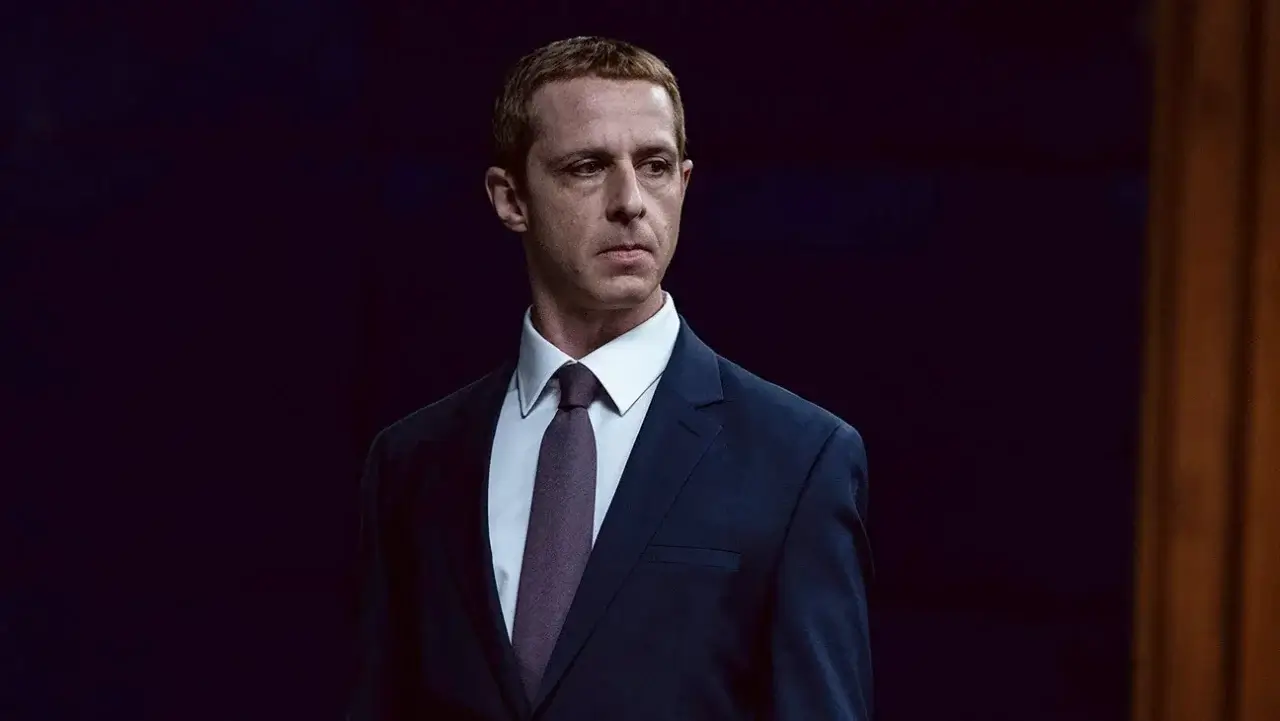
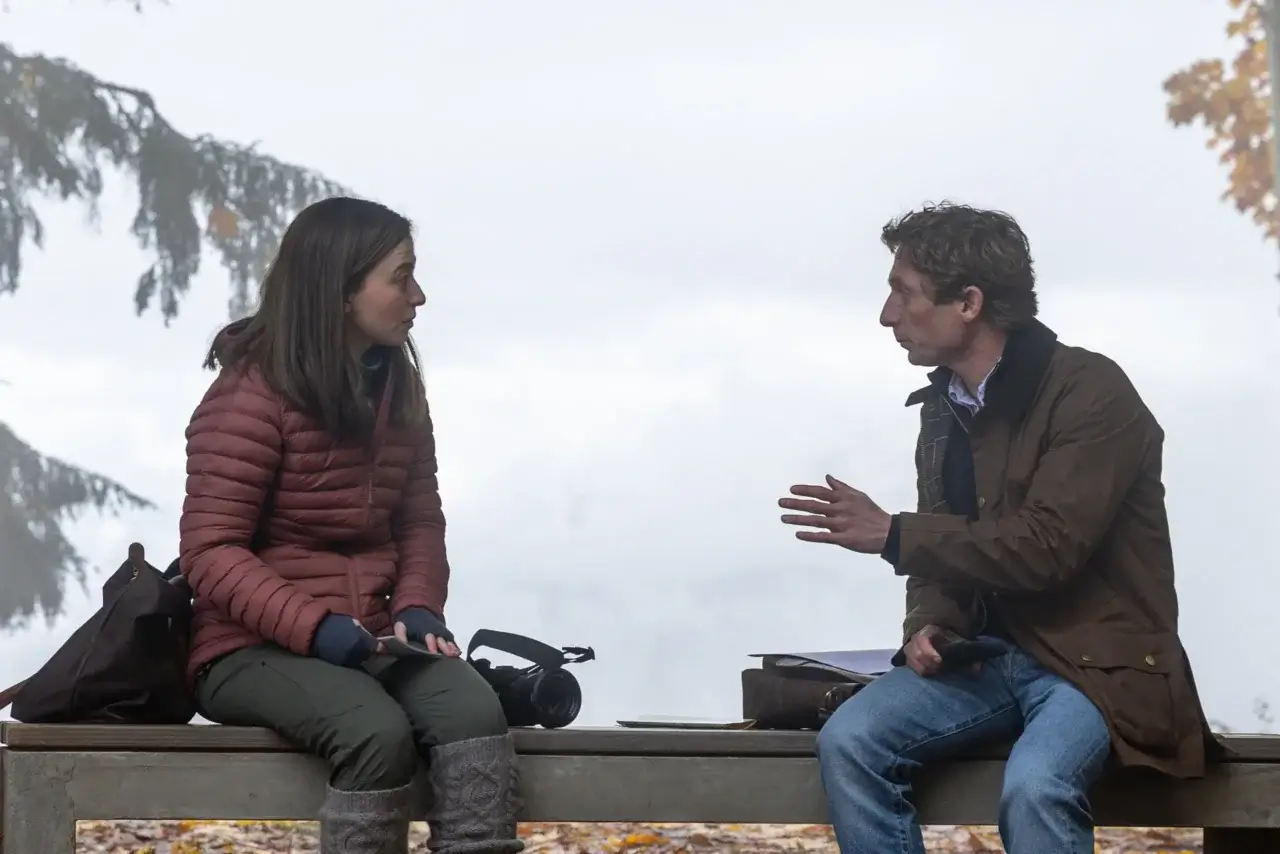
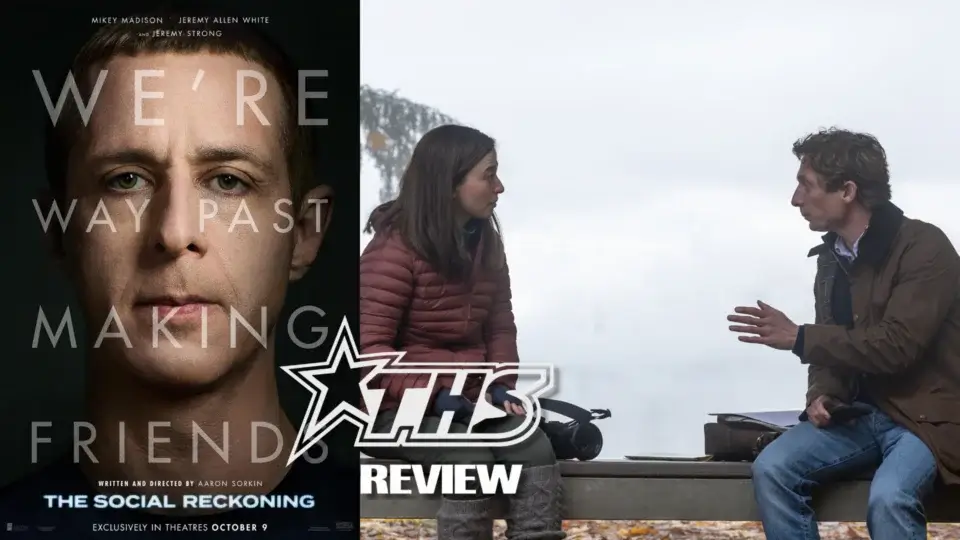
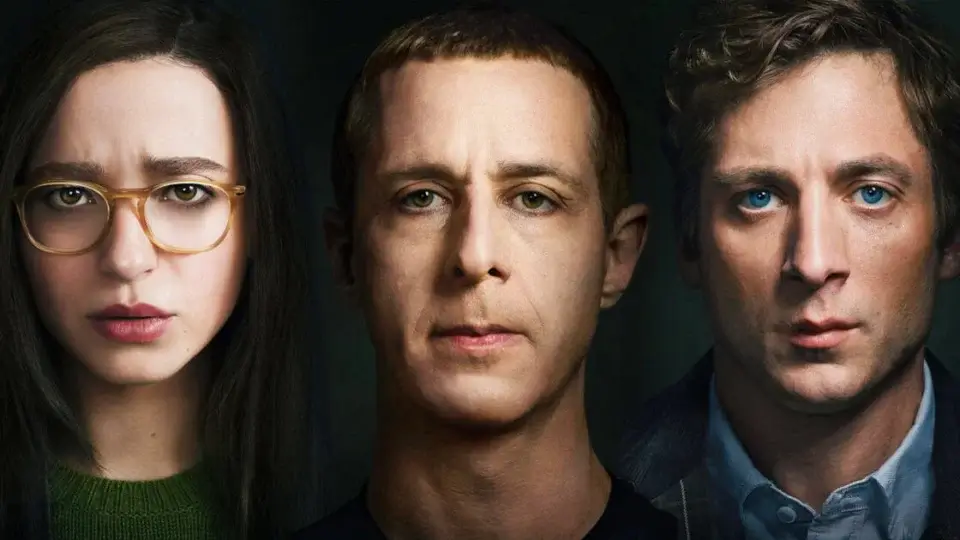
The Social Reckoning dramatizes the 2021 Facebook leak by whistleblower Frances Haugen (portrayed by Mikey Madison) and investigative technology reporter Jeff Horwitz (Jeremy Allen White), which showed that Facebook was aware of the harmful societal effects of its platforms but insisted on prioritizing profits over addressing how harmful some of these practices were. The film is more of an investigative journalistic thriller when compared to its predecessor (which is more of an interpersonal drama about friendship, greed, and betrayal), and the subject is no doubt interesting, but perhaps it would’ve been more attention-grabbing if it were made closer to the events depicted in the film.
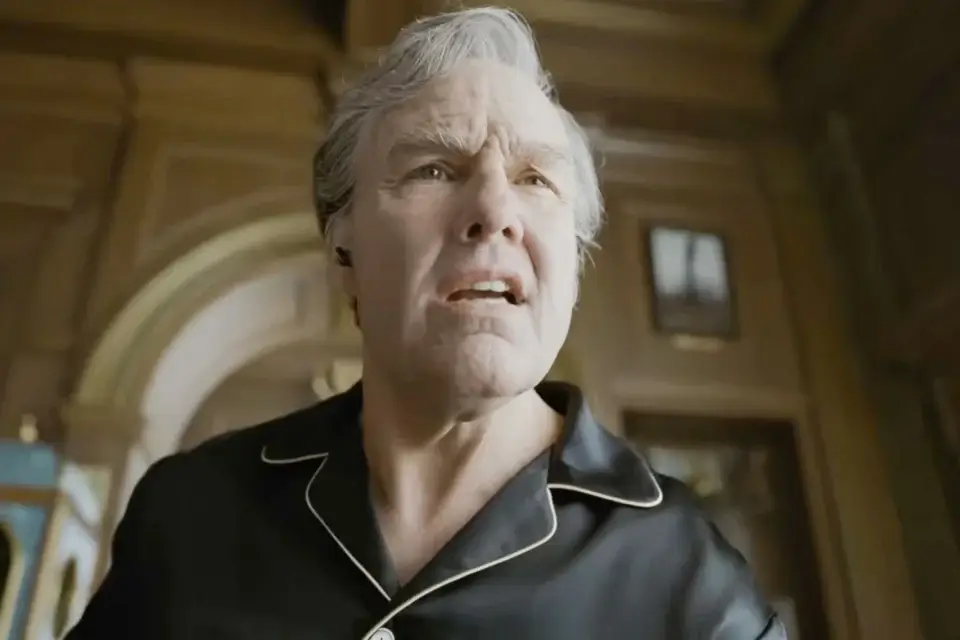
When The Social Network was released, Facebook had a bit more mystique surrounding it, and that mystique also surrounded its CEO, Mark Zuckerberg (portrayed by Jesse Eisenberg and now portrayed by Jeremy Strong in the follow-up). Seeing that film made audiences feel like they were gaining some insight into the man who founded Facebook and, by association, the other men who claimed to have a hand in it. Fincher directed the movie with the intensity of a nail-biting thriller, while Sorkin’s script hit every bit of dialogue and significant moment with what felt like razor-sharp accuracy. Everything felt fresh about a platform audiences were eager to learn more about.
The Social Reckoning simply doesn’t have the same urgency. Its tale of algorithm whistleblowers didn’t connect with Gen Z (we’ve learned from many recent releases that their interest can’t be underestimated), and it really didn’t engage older audiences who once saw Facebook as the new frontier because, despite counting 3 billion users currently, Facebook feels old hat when compared to the likes of TikTok and the continued evolution of AI.
That’s not to say that the film’s discussions about the harmful effects of social media on teenagers aren’t still relevant because they are. Stories continue to play out in the media about this regularly, but that’s also why a film that touches on it doesn’t fully resonate. We’ve seen these stories play out on the news on what feels like a daily basis. It’s something that is being consumed for free at home, and on top of this, it’s not what has garnered the interest of the public as artificial intelligence has taken center stage. Needless to say, the film’s themes, while important, feel dated. Had Sorkin struck on this while the iron was hot, we may be having a much different conversation about the film’s performance.
David Fincher Was Sorely Missed
Sorkin may have won a much-deserved Academy Award for Best Adapted Screenplay for his work on The Social Network, but it was Fincher’s aesthetic and urgency behind the camera that helped make the film feel like an exciting game changer. In all honesty, it was the perfect marriage of writer and director that has only continued to help The Social Network remain a lauded modern-day masterpiece. Sadly, Fincher’s absence is sorely missed throughout The Social Reckoning’s 112-minute runtime.
Fincher couldn’t return to direct The Social Reckoning because he was locked into his overall deal with Netflix, leaving the job to Sorkin, who isn’t a stranger to directing films. He admirably directed 2017’s Molly’s Game and followed that up with well-received endeavors in 2020’s The Trial of the Chicago 7 and 2021’s Being the Ricardos. If anything, Sorkin is a serviceable director, but The Social Reckoning needed a groundbreaking one.
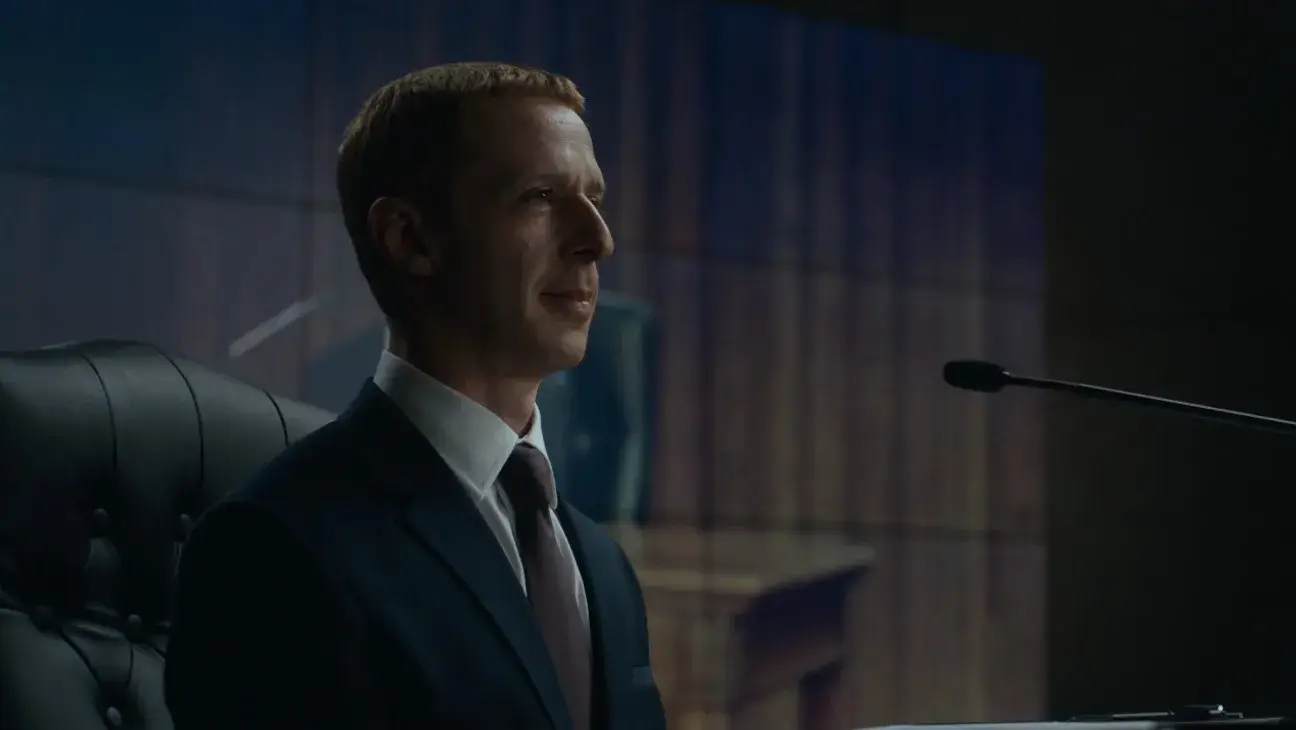
When the first trailer for The Social Reckoning was released, many commented on how drab the film looked and that it felt more like a bigger-budgeted movie made for TV rather than a theatrical release. Despite having the same cinematographer who worked on The Social Network (Jeff Cronenweth), the two films couldn’t look any more different. That was likely the intention because this film’s story is a bit darker than that of its predecessor, but it was still hard not to compare it to the visual palette established by Fincher in the first film. As a director, he was able to make two ongoing depositions pop on screen with a visceral intensity, and that’s something that The Social Reckoning lacks until it’s too late (things do pick up as it reaches its climax). Sorkin needed an eye to sell the urgency he was trying to convey, and that was something he couldn’t accomplish on his own behind the camera.
The Film Lacked Substantial Marketing Or Hype
Sony Pictures may have thought being linked to The Social Network would be enough to sell its follow-up, but the film needed much more to succeed. The marketing needed to be there, and there needed to be some pre-release hype to give The Social Reckoning more momentum.
Just about everyone remembers the first teaser for The Social Network that featured a choir emotionally singing Radiohead’s “Creep” as Facebook profiles began to form into a shot of Jesse Eisenberg’s face as Facebook’s CEO. From there, audiences knew they were not only getting a look into the creation of Facebook, but also the greed and betrayal that allegedly went along with it. It was an effective campaign that built into an awards season push that allowed the movie to leg it out through the fall of 2010 (the movie carried its domestic $22 million opening to a solid $97 million finish in the U.S. alone).
The Social Reckoning had none of that and, if anything, the film seemed like it was trying to link to aspects of the first movie that they believed would entice audiences without wanting to call it a direct sequel. Before concluding, the first trailer featured the mournful score composed by Trent Reznor and Atticus Ross that was featured in The Social Network (the duo didn’t return to compose the follow-up, with Alexandra Desplat taking over), a move that was made to create a tangible connection between the two movies for the audience that really didn’t work.
Then there was the film’s tagline. “We’re Way Past Making Friends” doesn’t have the same impact as “You Don’t Get to 500 Million Friends Without Making a Few Enemies.” In fact, it feels like a cheesy knockoff that is desperately trying to maintain a relationship with a film that is better in every way. A fresh marketing campaign and hype would’ve helped, but there is a reason why hype couldn’t be generated.
Reviews For The Film Didn’t Help
Solid reviews would’ve helped The Social Reckoning with audiences who believed that it wouldn’t live up to the brilliance of The Social Network. It would’ve proved them wrong, but there is a reason that Sony Pictures didn’t debut the film at a lavish film festival or make it seem like it was an awards player. They simply knew that the quality wasn’t there.
The Social Reckoning sits with a 54 percent on Rotten Tomatoes, with a consensus that reads, “An urgent warning that feels like it’s arriving a little too late, Aaron Sorkin’s spiritual sequel to one of his crowning achievements is a worthwhile critique of social media’s omnipresence that nonetheless pales in comparison to its predecessor.” Even taking it at the most polite face value, that screams “good but not great” and isn’t enough to sway those who were on the fence. When compared to the 96 percent consensus of The Social Network (“Impeccably scripted, beautifully directed, and filled with fine performances, The Social Network is a riveting, ambitious example of modern filmmaking at its finest”), The Social Reckoning feels like just another film rather than a cultural shift.
The reviews trickled down to the audience as well. The film received a “B-” CinemaScore compared to the “B+” of the first film, while the audience score on Rotten Tomatoes currently sits at 72 percent (its predecessor has a more robust 87 percent). A movie like The Social Reckoning needs a better audience response to gain traction, and it was clear during its opening weekend that it wasn’t going to have that. The moviegoers matched up with critics on this one and believed this Reckoning would not have the same impact as the first film.
Artificial Stole Its Thunder Before Even Being Released
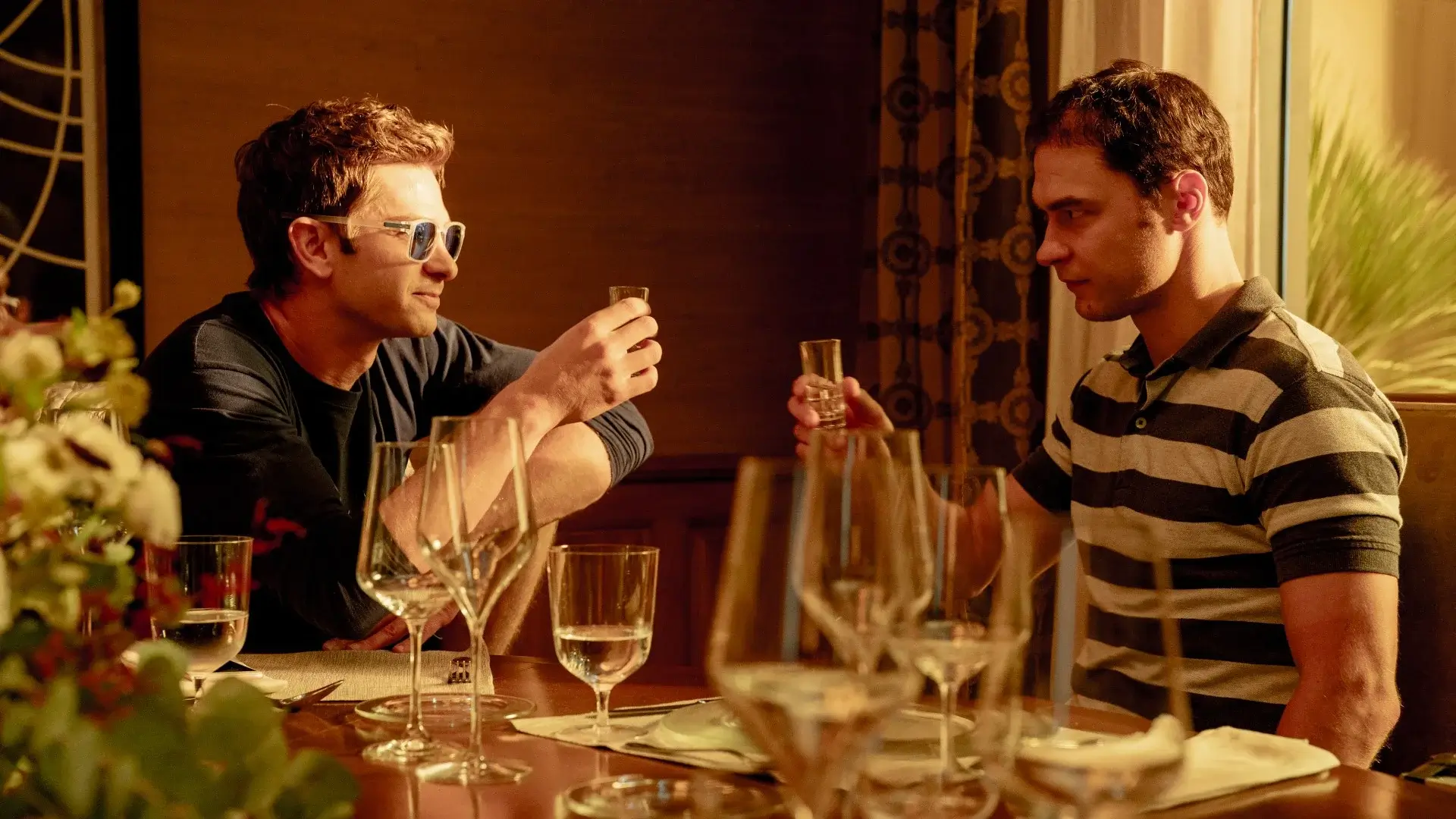
Perhaps a bit unexpected for those involved with The Social Reckoning was the looming release of Luca Guadagnino’s Artificial, the biographical comedy drama about the firing and rehiring of OpenAI CEO Sam Altman (portrayed by Andrew Garfield, who, oddly enough, co-starred in and blew up because of The Social Network). The film, initially dropped by Amazon MGM Studios days after Amazon signed a $50-billion deal with OpenAI, was eventually snatched up by Neon, which declared they would be giving it an awards season push. They made good on that promise by premiering at the New York Film Festival, and first reactions dropped around the same time reactions dropped for The Social Reckoning with Artificial coming out on top in a big way.
Artificial is currently 97 percent fresh on Rotten Tomatoes, with some critics saying it felt more like a sequel in look and tone to The Social Network than The Social Reckoning did, as others praised Garfield’s portrayal of Altman as “the performance of the year.”Artificial was able to gain traction through its first reactions that will likely turn it into a much bigger hit than The Social Reckoning, and we’re still a ways away from its Dec. 25 release date.
Most importantly, though, Artificial highlights what The Social Reckoning lacks. Other positive notices comment on how scary the film is because of its depiction of AI and its creators. It’s a subject matter that has the interest of the public in a way that The Social Reckoning simply doesn’t. Sorkin wanted to continue to blow the whistle on the dangers of social media and those behind it, but the public has moved on in a lot of ways from this concern. There is a new looming evil on the horizon, and Artificial taps into that. With films such as these, it’s important to remain topical, and The Social Reckoning missed that ship long ago.
The Social Reckoning is now playing in theaters nationwide.


![The “Digger” Complex: Satirical Deconstruction Through Nihilistic Cynicism and Movie Stars [Spoilers]](https://thathollywoodshow.com/wp-content/uploads/2026/07/diggers-1500x844-1-960x540.webp "diggers-1500×844")



Reviews