
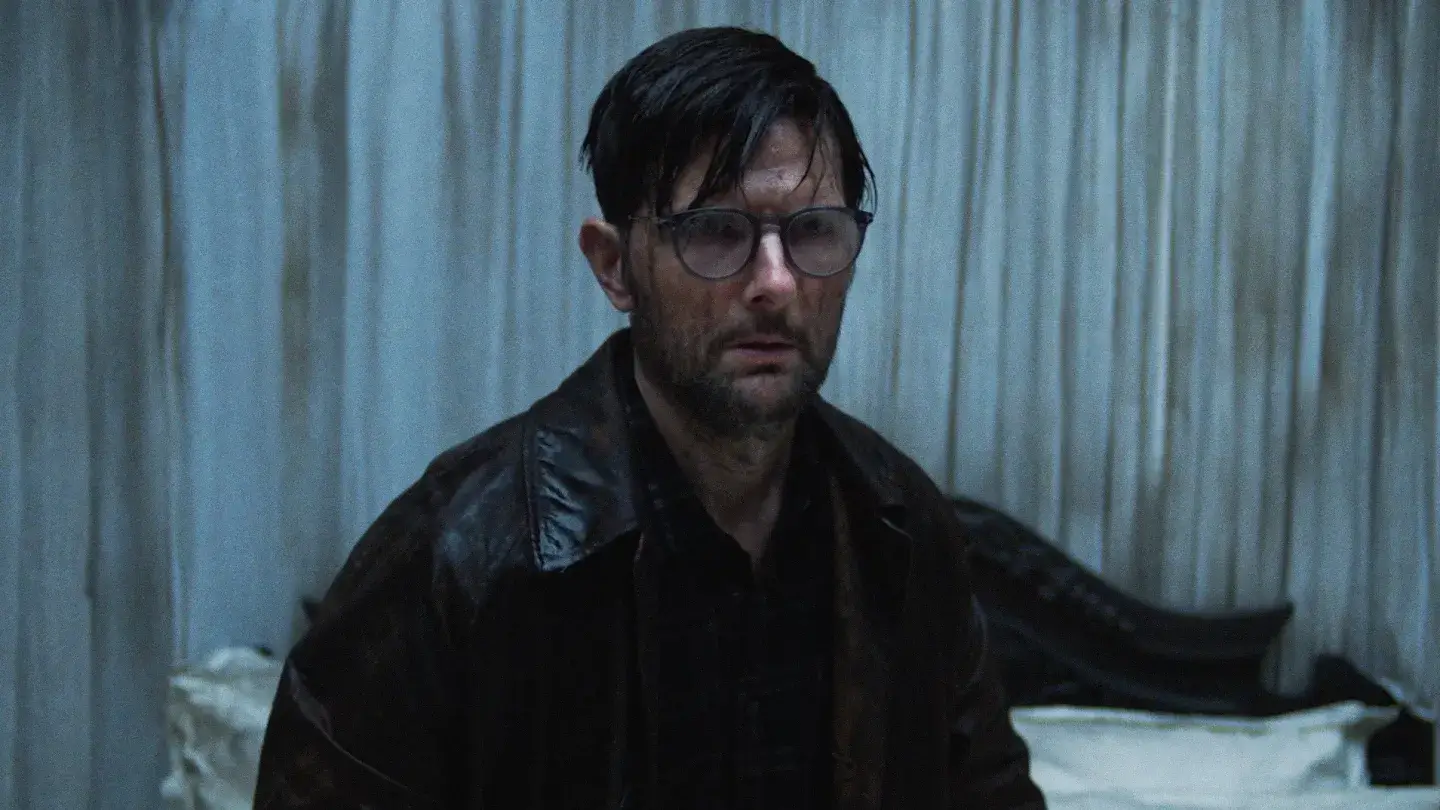
Hokum Rises Above The Rest
The exhausting ubiquity of elevated horror feels never ending sometimes. The constant metaphor for grief and trauma as the only central theme of any new horror film has lead to even the most exploratory concepts to lose their uniqueness. Hokum my feel indistinguishable from its counterparts on the surface, but beneath its rather straight forward murder mystery/witch/creepy hotel veneer lies something far more interesting and haunting. There are plenty of things that make Hokum special, and I personally enjoyed this outing from writer/director Damion McCarthy much more than his previous film Oddity. They share a lot of bones; both take place in the remote countryside, are murder mysteries, have a supernatural quality to them and deliver a heightened creepy atmosphere with its gothic aesthetic.
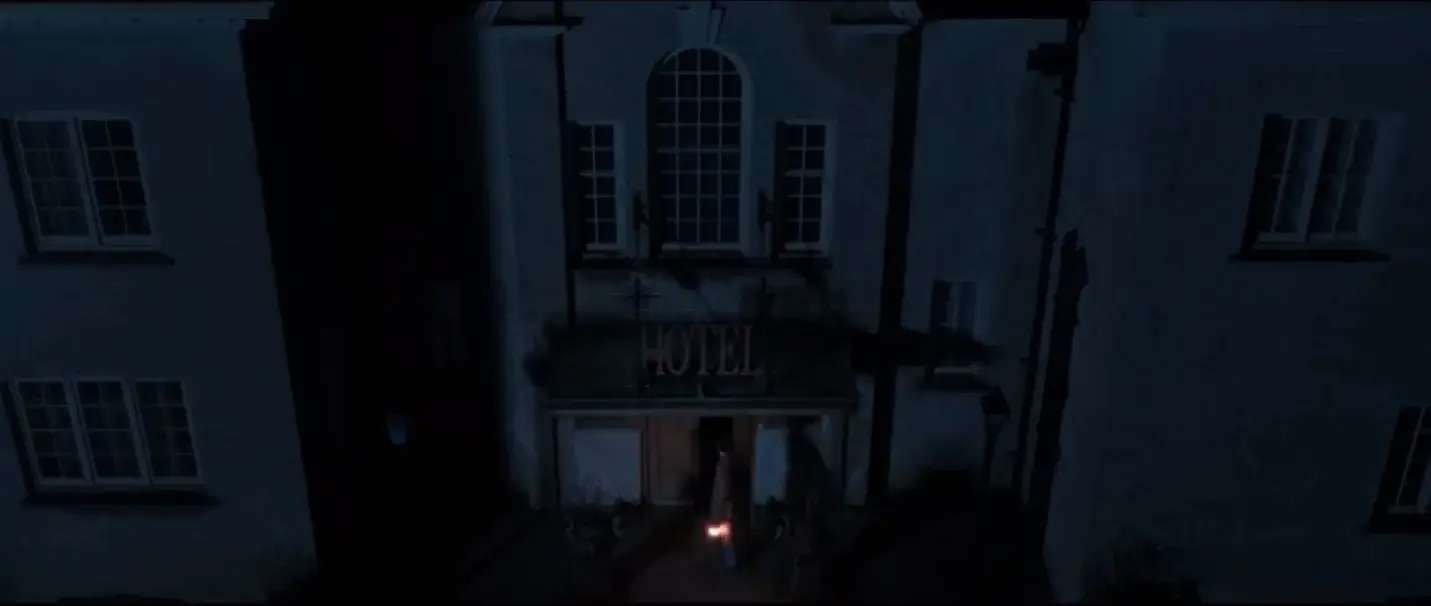
Hokum rises above the rest thanks to its heavy anchor of Irish folklore . McCarthy has already proven that he can create terrifying visuals by simply creating practical sets that reek of terror and haunt with secrets buried in the walls. But by injecting a healthy dose of folklore as the central catalyst of its narrative, it transforms into something else. Something far more engaging and lingering – the kind of film that, regardless of how you felt about stays with you and won’t leave your mind. McCarthy is careful to imbue much of what unfolds with rich history and tales but never forces his audience to have any prior knowledge of their origins to be effective.
A Story About Stories
The film manages to strike a balance of direct adaptions and subtly, blending the folklore tales to capture the breath of its history while telling a rather straightforward haunted hotel story. From the very beginning, the film invites us into the world of scary tales. Hokum begins with the main protagonist – a famed novelist with a knack for bleakness – writing his conclusion to a conquistador tale. This is deceptively rooted in medieval Irish tales of pursuits of treasures, and Ohm (Scott) is quickly haunted by visions of his deceased mother, another indicator that Hokum is going to be one of THOSE movies. It tells us up front that Hokum – more than scares and frights – is a story about stories.
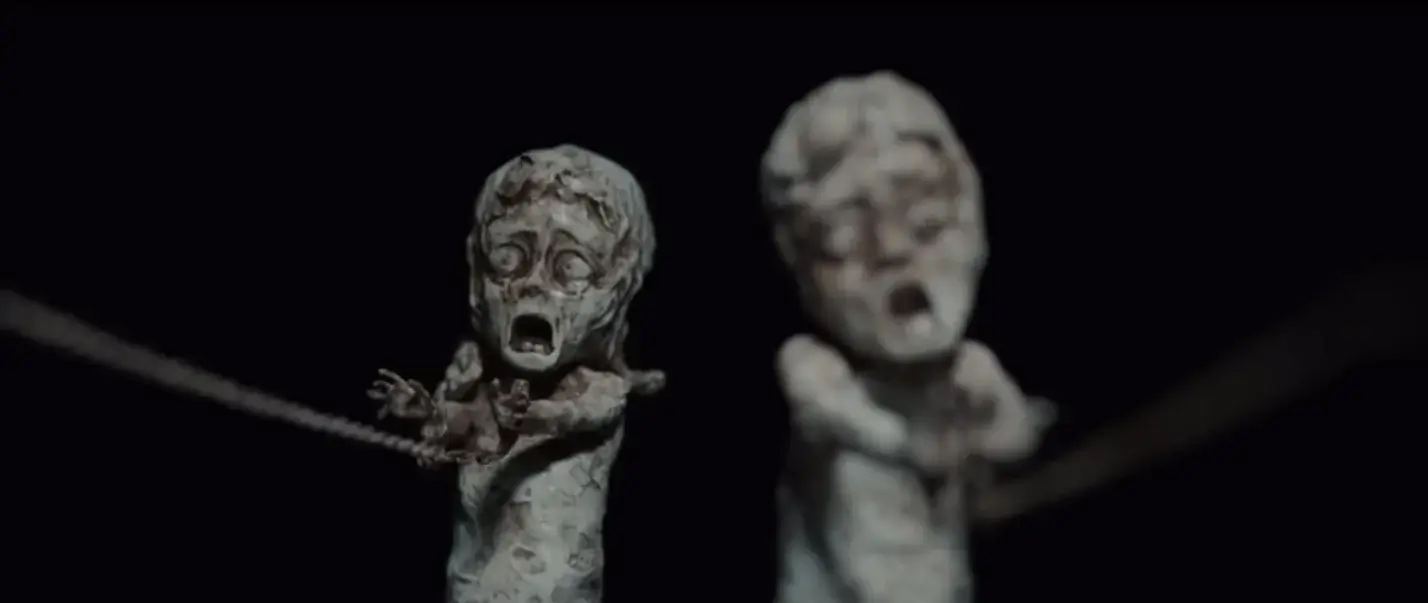
Familial ties are a strong current throughout Hokum, all rooted in Irish lore of ghastly haunts and witches and fairies. Both the main character’s reason for being in Ireland and the hotel itself are all born from these tales, too. And as soon as Ohm (Scott) arrives at the hotel, the owner is recounting another tale to children, and the film continues to highlight the painting on the wall and the creepy figurines that decorate the somewhat dilapidated hotel. Witches, shackles, goats, the underworld, pookas, and psychedelic mushroom milk are all ever present in Hokum. These elements all help to make a rather familiar horror film feel fresh, so long as you allow yourself to search a little deeper and don’t buy into the “scariest movie ever made” marketing hyperbole.
Final Thoughts
There’s certainly some underdeveloped characters and an over reliance on jump scares, but Hokum’s focus on stories and the importance of storytelling are its true strength. Folklore paired with excellent production design and a claustrophobic atmosphere gives Hokum its edge. In the end, it does ultimately boil down to grief and trauma, reducing its protagonist to a little more than a “hut people hurt people” adage. But it’s McCarthy’s employment of Irish folktales that make that all forgivable, and even makes them effective when all the dust settles.
Hokum is a story about telling stories, and all of the elevated frights and scares mined from timeless sources of culture lend it all to feel but lived in and supernaturally surreal. Smart choices like this leave me wanting more from both McCarthy and Irish folktales. They gave us whiskey and nightmare fuel, and Hokum is successful because it’s heavy on both.









Reviews