
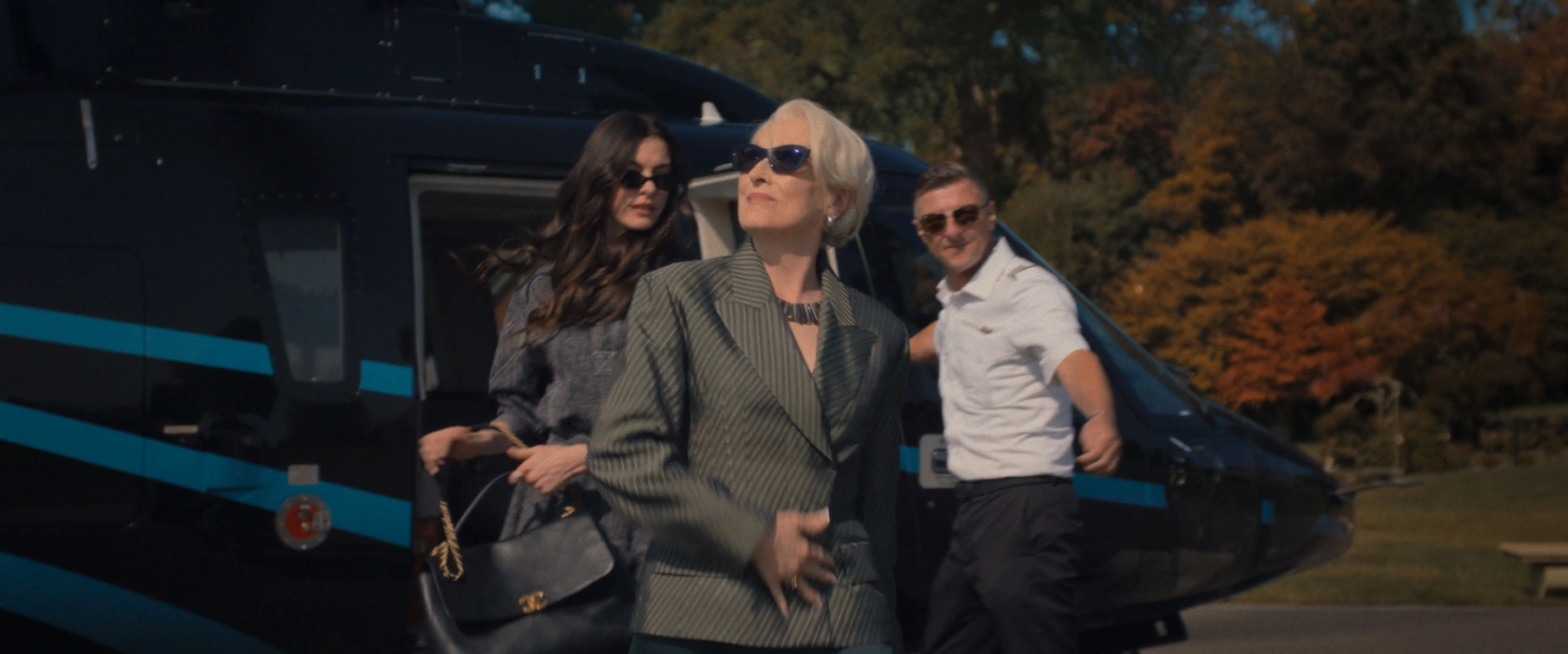
The Devil Wears Prada 2 arrives in theaters this weekend, and it comes twenty years after the original film became a hit and was on its way to becoming an instant comedic classic. Reviews so far suggest that the sequel lives up to the original, with the follow-up currently registering a 78 percent certified fresh rating on Rotten Tomatoes, but movie fans know this isn’t always the case with sequels, especially those of the comedic variety.
Sometimes they arrive too late or without the same magic that made the first film special, but there are times when the laughs can be recaptured again. As fans head out to see if The Devil Wears Prada 2 can live up to its predecessor, let’s look back at five comedic sequels that are actually pretty good.
Honorable Mention: American Pie 2 (2001)
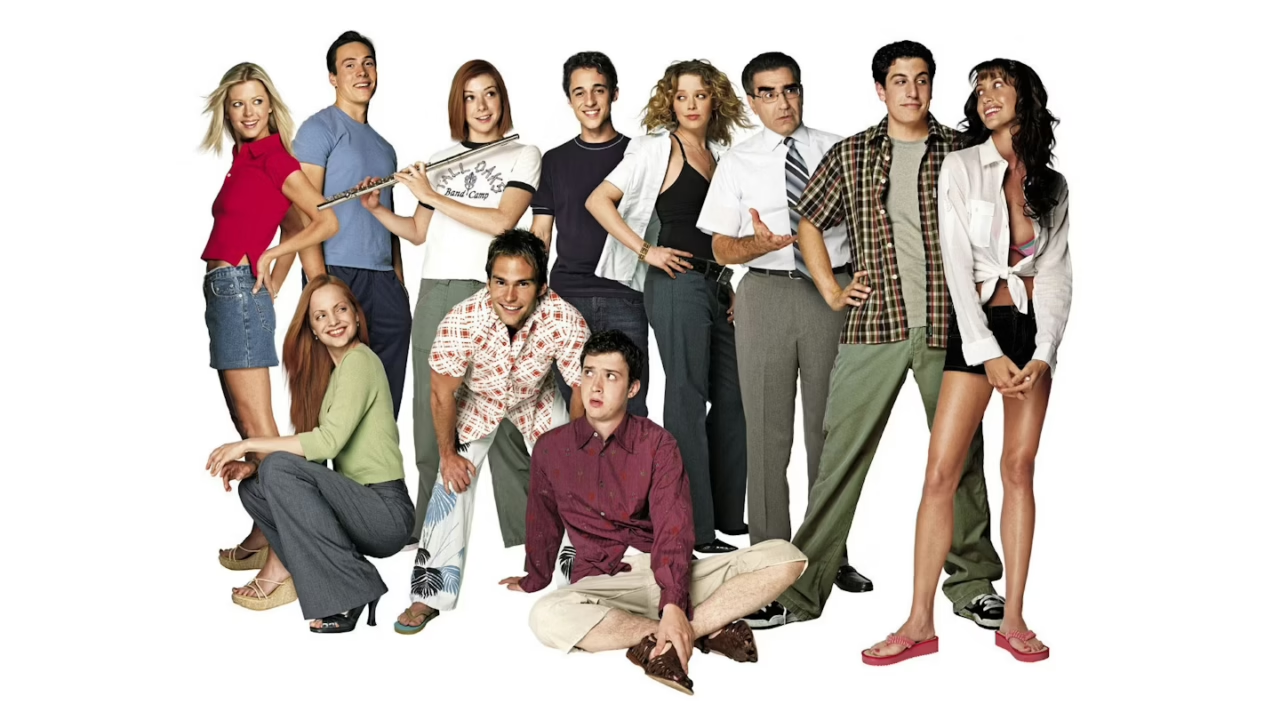
American Pie not only became a teen classic when it was released in 1999, but it also signaled a return of the raunchy R-rated comedy and became a huge hit in the process. A sequel was inevitable, considering the movie grossed $235.5 million on an $11 million budget, but would a follow-up live up to what made the original work? The answer is a resounding yes, as American Pie 2, while not necessarily viewed as iconic as its predecessor, manages to expand on the charms of the first movie by having its own share of memorable raunchy moments and, most importantly, keeping the emphasis on the heart of its main characters by building on the friendships of the main group. Directed by Paul Weitz from a screenplay by Adam Herz,American Pie 2 continues the story of the first film by following the group out of high school and returning home for the summer to throw one of the best parties ever at a summer beach house.
Getting this out of the way, it’s unfortunate that most of the female cast from the first film is sidelined in the sequel, most notably Tara Reid, Natasha Lyonne, and Shannon Elizabeth, but one female character that is expanded on, in the sequel’s best interest, is Alyson Hannigan’s sex-obsessed band geek, Michelle. Hannigan had a small but memorable role in the first film, and the sequel wisely gives her more to do as Jim (Jason Biggs) seeks her out at band camp to gain more sexual experience.
Their stuff is mostly played for comedy, but the American Pie films have also been known for their heart, so it’s nice to witness Jim realize that he’s actually in love with her. Also of note is putting Seann William Scott’s Stifler more center stage by including him with the main group more and allowing his iconic teen movie character more moments to shine and the same is true of Jim’s Dad (Eugene Levy), who gets more opportunities to spout off hilariously awkward lines while also providing genunie moments of support for Jim that keep the film grounded. Even though there are scenes that lead to extreme laughs (such as Jim mistaking super glue for lubricant, Stfler’s golden shower, or when Jim and Stifler are deceived by two women into thinking they’re lesbians), American Pie 2’s focus on the friendships is what helps the sequel, much like the original, find the right balance between the crude humor and heart.
5. Clerks II (2006)
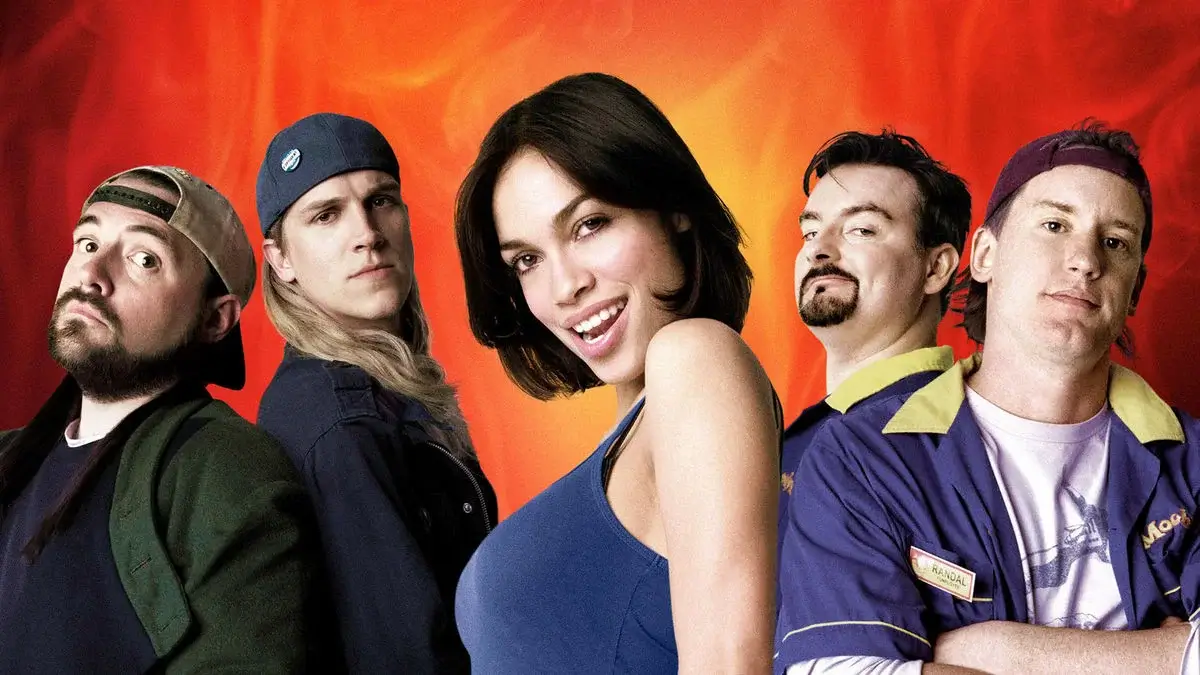
Clerks II arrived over ten years after Kevin Smith’s original film turned him into one of the most prolific voices in independent filmmaking and became a landmark for the genre. Clerks is a comedic classic in many regards, so a sequel was going to find it hard to live up to what Smith did in 1994, but Clerks II manages to resonate by not just repeating the beats of the original’s relatable humor about the monotony of retail work by embracing the era of ‘2000s gross-out comedies but doing it all in a way that ends up being surprisingly moving, thanks in large part to the addition of Rosario Dawson’s Becky.
Written and directed by Smith, Clerks II takes place ten years after the events of the first film, and finds that a fire at the Quick Stop convenience store makes Dante (Brian O’Halloran) and Randal (Jeff Anderson) look for new horizons that lead them to the Mooby’s fast food restaurant. Clerks II has an appreciation for the audience that experienced Clerks for the first time in 1994 and respects them by growing with that audience that helped turn it into an indie hit. While Clerks dealt with the sometimes listlessness of being in your 20s, Clerks II explores the notion of “holy crap, I’m in my 30s and what am I going to do with my life?”
It leads to some fun and interesting discussions in the sequel, complete with Smith’s love for all things pop culture, but Clerks II is solid beyond the comedy because it tackles growth and stakes through Dante and Randal with their witty banter clearly representing a fear of growing up and truly taking on adult responsibilities. Then there’s Dawson, whose Becky proves to be a key addition in Dante’s growth that presents a grounded center that makes him choose what kind of life he ultimately wants (plus their chemistry is surprisingly sweet and effective). Also of note is Randal’s growth, whose fear of losing his best friend is beautifully portrayed during the jail cell scenes that result in some of Smith’s best writing because he isn’t afraid to take an emotional look at adult friendships. Clerks II feels like a natural progression from Clerks, which makes it a worthy follow-up.
4. Bill & Ted’s Bogus Journey (1991)
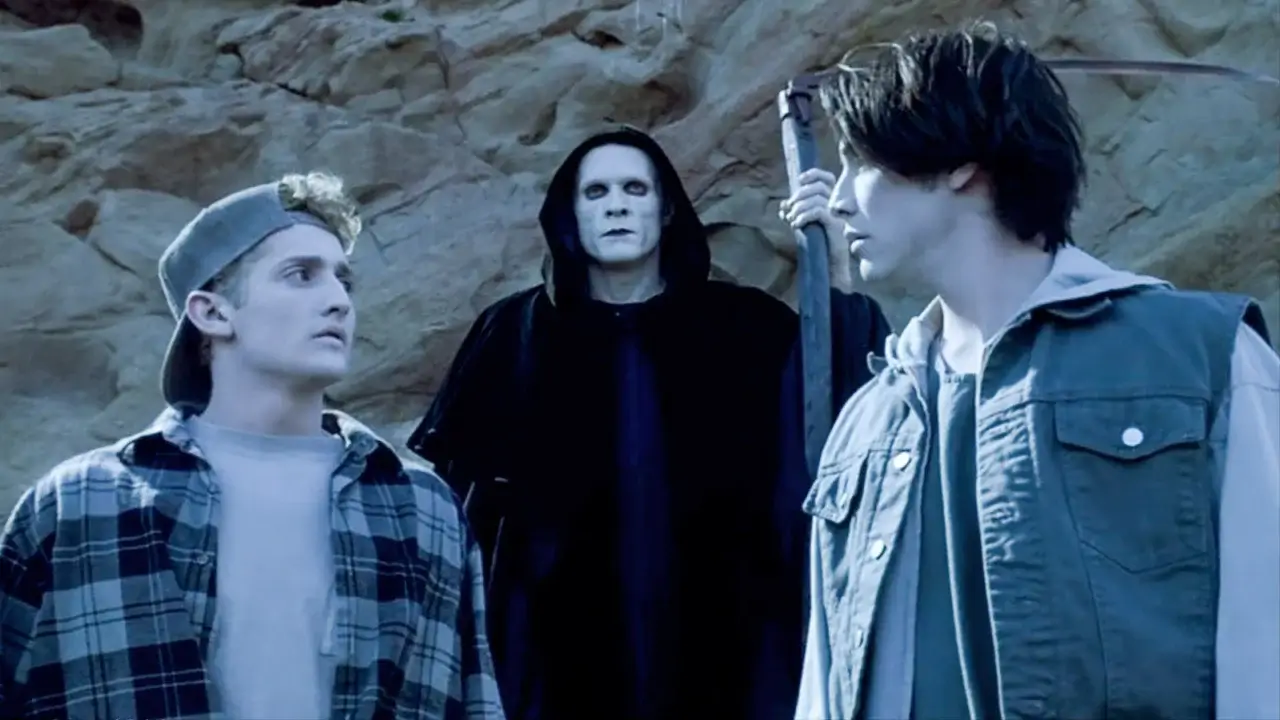
Bill & Ted’s Excellent Adventure is no doubt a comedic classic of the late ’80s, but Bill & Ted’s Bogus Journey holds its own by recapturing the chemistry and magic between Keanu Reeves and Alex Winder, while not simply being a retread of what worked before. Directed by Pete Hewitt in his directorial debut from a screenplay by Chris Matheson and Ed Solomon, Bill & Ted’s Bogus Journey finds an evil tyrant from the future who creates android doubles of Bill (Winter) and Ted (Reeves) and sends them to eliminate the original Wyld Stallyns because their music has created a utopian society.
Sequels could easily repeat the formulas of what made the first film hits, but Bill & Ted’s Bogus Journey wisely avoids it. At its core, it feels connected to the first movie, but it’s also so fundamentally different in tone and execution that it’s allowed to stand on its own. In all honesty, the sequel takes a tonal shift that makes it less about time-traveling through the ages for a history lesson and more of a surreal fever dream that takes the duo on a trip through the afterlife. The sequel does the unimaginable by killing them, which gives the follow-up bigger stakes, but it’s all quickly played for humor by taking Bill and Ted’s souls on a journey where they meet Death (William Sadler). Sadler’s Grim Reaper makes for a most excellent addition to the sequel, quickly becoming the film’s highlight as he matches comedic wits with both Winter and Reeves.
In one of the sequel’s best scenes, he’s forced to play various board games against Bill and Ted, which is a fun nod to Ingmar Bergman’s The Seventh Seal and one of the best moments in any of the films. The humor is subversive, especially as it satirizes philosophical and theological theories through the eyes of two “dimwitted” slackers, which is funny but also has shades of intelligence as well. Bill & Ted’s Bogus Journey is proof that a comedic sequel can expand on the ideas and jokes of its predecessor while also feeling like something wholly original in the process.
3. Austin Powers: The Spy Who Shagged Me (1999)
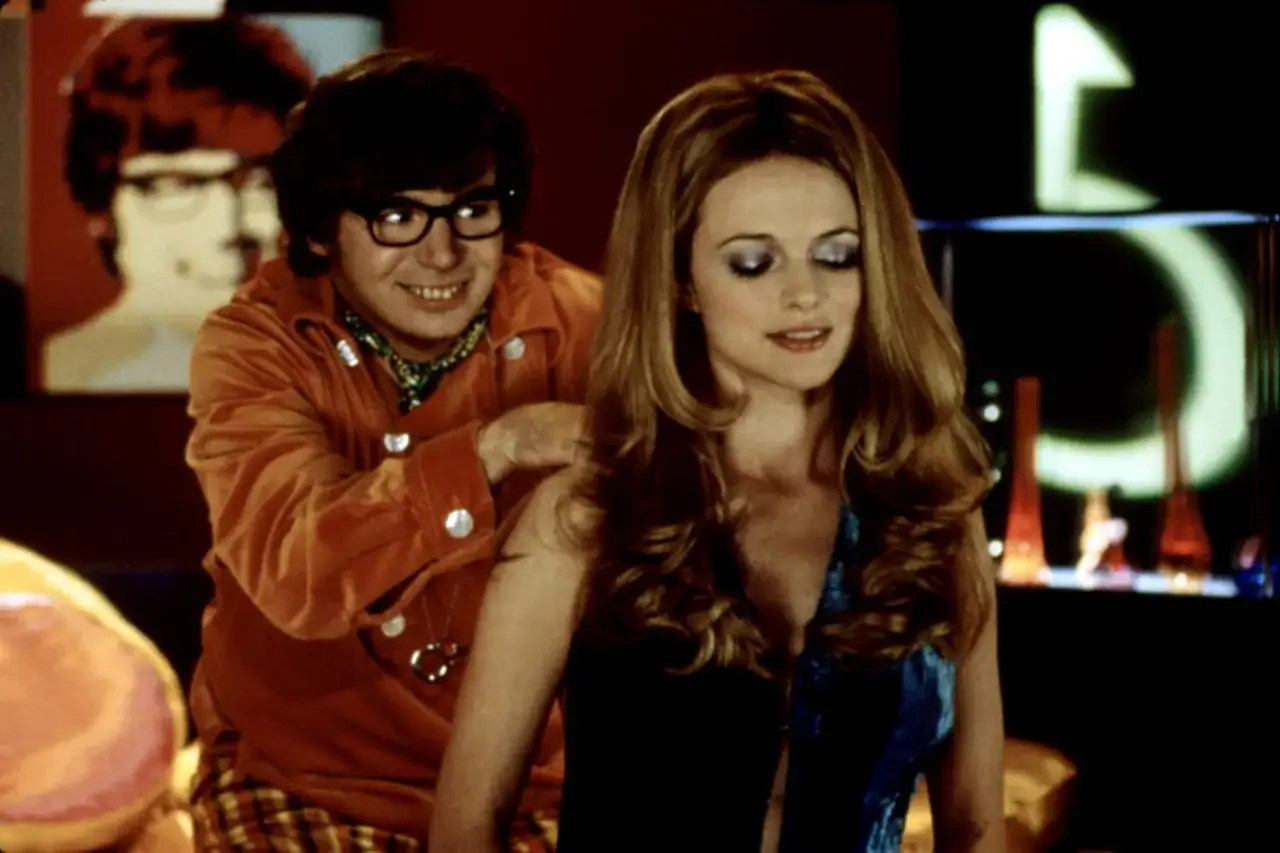
Austin Powers: International Man of Mystery became a surprise hit in 1997 and gave pop culture characters to remember in Austin Powers (Mike Myers) and Dr. Evil (also Mike Myers), among others, so it’s great to see its immediate sequel, Austin Powers: The Spy Who Shagged Me, go from cult hit to mainstream comedic phenomenon that proved the first film was no fluke. Directed by Jay Roach from a screenplay by Myers, Austin Powers: The Spy Who Shagged Me catches up with British spy Austin Powers (Myers) as he goes up against criminal mastermind Dr. Evil (Myers), who has invented a new time machine that allows him to travel back to the ’60s to steal Austin Powers’ infamous mojo.
The Spy Who Shagged Me is an example of a sequel that just feels bigger. It’s a confident follow-up that understands its characters, and Myers feels at ease utilizing them to their greatest potential. This is especially true when it comes to his portrayal of Dr. Evil, a character given more to do in the sequel, which leads to even more laughs to be had. The sequel manages to successfully lampoon not only 1960s spy conventions but also pop culture that was huge at the time (The James Bond stuff is still front and center, especially in his scenes with Felicity Shagwell (Heather Graham), while the Jerry Springer sequence speaks to what was red hot in the media when the sequel was released).
In addition, the inclusion of new characters, such as Mini-Me (Verne Troyer) and Fat Bastard (Myers), enhances the character dynamics that were already in place, particularly the former, who adds some hilarious tension between Dr. Evil and his son Scott (Seth Green). By going in completely on the first film’s slapstick humor, The Spy Who Shagged Me amplifies what worked about the first movie and proves to be a comedic sequel that emerges as slightly better than its predecessor.
2. Scary Movie 2 (2001)
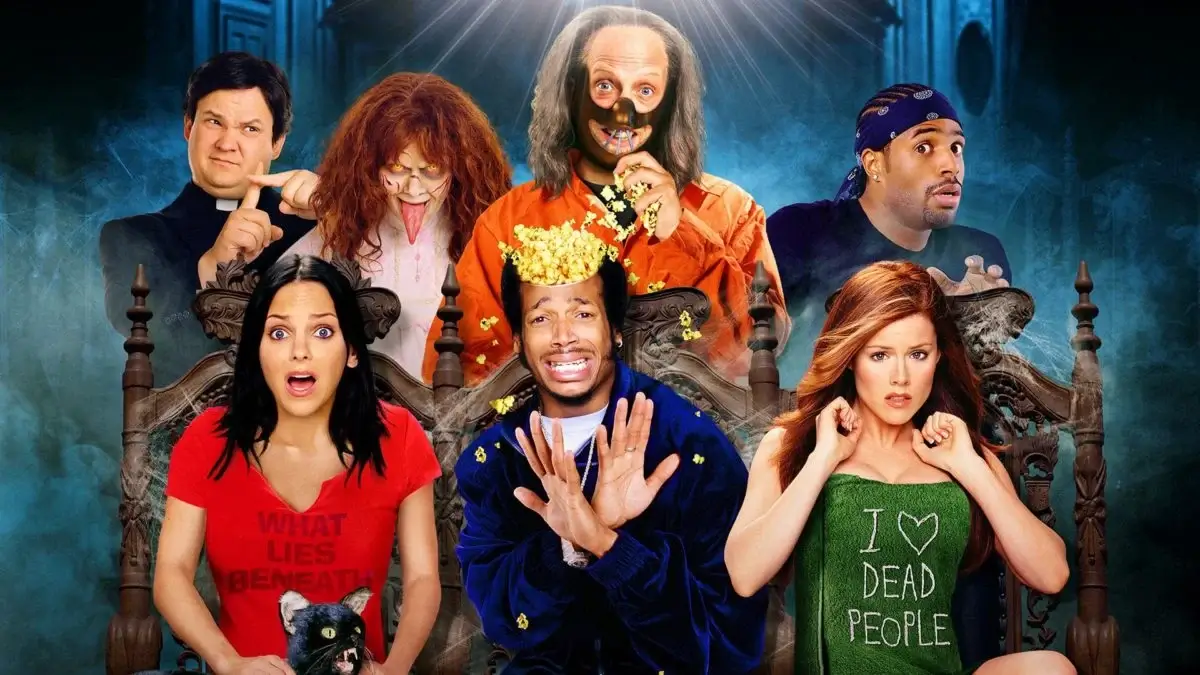
Scary Movie 2 was panned by critics upon release and grossed considerably less than its predecessor, but the years have been kind to the sequel, and it has rightfully emerged as the fan favorite of the series, where the laughs come fast and furious. Directed by Keenen Ivory Wayans from a screenplay by Shawn Wayans, Marlon Wayans, Alyson Fouse, Greg Grabianski, Dave Polsky, Michael Anthony Snowden, and Craig Wayans, Scary Movie 2 features characters from the first film (even those who died in the original) and a few newcomers, including Cindy Campbell (Anna Faris) and Brenda Meeks (Regina Hall), who are invited to spend a night in Hell House.
Professor Oldman (Tim Curry) has convinced them it is for a school project, but things quickly go hilariously wrong in this spoof that includes knocks at The Exorcist, The Haunting,The Amityville Horror, Poltergeist, and many more.Scary Movie 2 leans into the absurd and is wild, even when compared to the wildness of the first movie, and this is something that has served to make the film funnier in subsequent years, especially in the wake of the sequels that followed. If anything, Scary Movie 2 really proves how essential the Wayans brothers were to the success of the franchise, as they were fearless in their approach to the comedy and weren’t concerned about the consequences of pushing the envelope when necessary.
This is all aided by a strong ensemble cast, many of whom return from the first movie with welcomed additions such as Tim Curry, David Cross, and Chris Elliott, giving the film more comedic punch (the latter’s “strong hand” caretaker scene remains a comedic all-timer). Scary Movie 2 might lack a coherent plot, and it’s clear that Dimension Films made some of their famous cuts before the theatrical cut was released, but its chaotic and wild nature gives it an identity that has given the sequel its own legacy that allows it to stand just as tall as the first movie.
1. 22 Jump Street (2014)
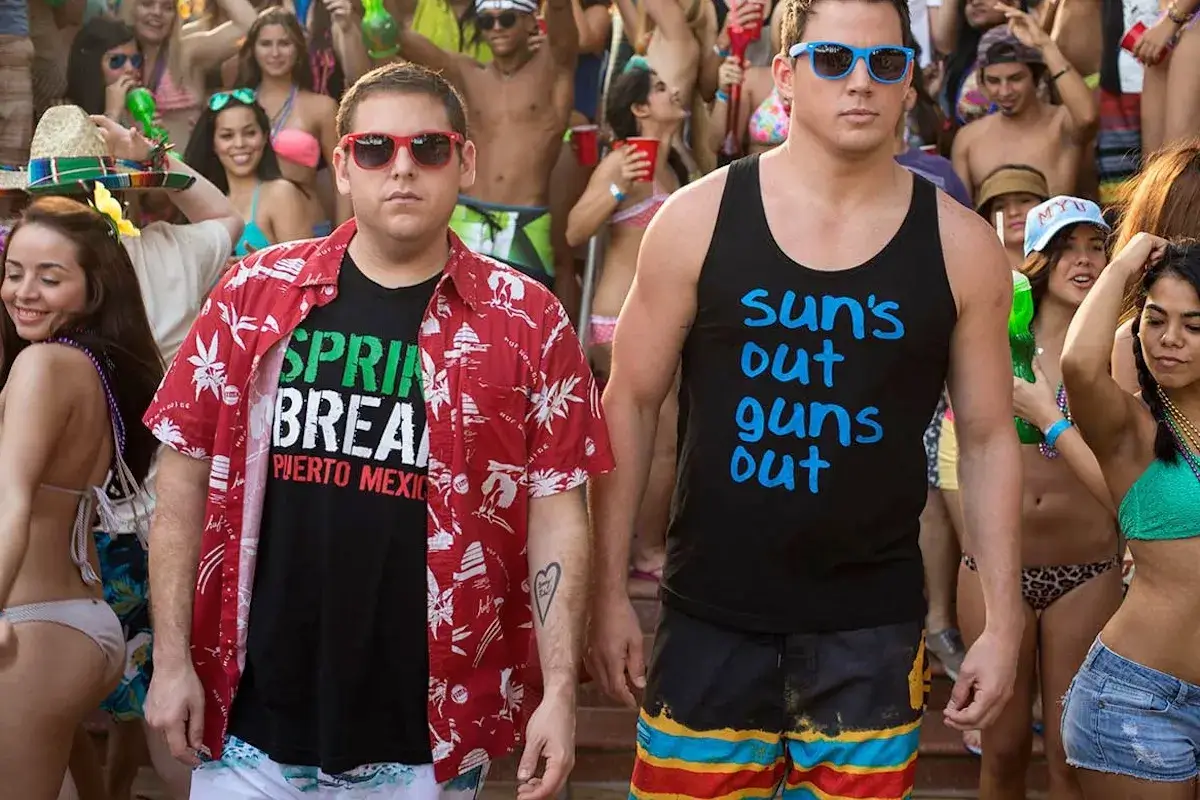
When you get the rare comedy sequel that works, its strengths stand out even more, and that is the case with 2014’s22 Jump Street. The film, a sequel to the 2012 action comedy 21 Jump Street, which is based on the television show of the same name, was more than likely given the green light because its predecessor was financially successful, but the finished product more than justifies its existence.
Directed by Phil Lord and Christopher Miller from a screenplay by Jonah Hill, Michael Bacall, Oren Uziel, and Rodney Rothman, 22 Jump Street follows Morton Schmidt (Hill) and Greg Jenko (Channing Tatum) as they go undercover once again, this time in college to locate a supplier of a new drug being sold on campus. Everyone involved in the follow-up seems aware that the sequel was conceived out of the success of its predecessor, even going so far as to pokefun at the fact that the film is essentially rehashing the plot of the first movie, albeit changing the setting from high school to college.
Some of these choices could be viewed as lazy in other hands, but the running gags are carefully crafted and make it clear what the film is intended to be. Little jokes like moving the undercover program from “21 Jump Street” to across the street at “22 Jump Street” up the ante of the film’s self-awareness and at how little effort can be put into the plots of certain sequels. Hill and Tatum are having even more fun with their roles this time around, and expanding the role of Ice Cube’s Captain Dickson proves to be a winner, with it leading to one of the best jokes of the film that truly pays off. In the sequel, Schmidt begins to hang out with an art student named Maya (Amber Stevens), which leads to the pair sleeping together.
It’s not until later that Schmidt finds out that Maya is Captain Dickson’s daughter, and this is after he bragged to Dickson about “getting laid” before the reveal. Not only does this joke pay off because of Ice Cube’s reaction to it (with a nice cameo appearance from Queen Latifah), but it also pays off when Jenko becomes aware of the information, resulting in one of Tatum’s best comedic moments. From how it pokes fun at college movie tropes to Hollywood’s obsession with sequels (the closing credits had a lot of fun with potential follow-ups),22 Jump Street is a comedic sequel that builds on its predecessor and comes out of it stronger than the original.
The Devil Wears Prada 2 is now playing in theaters nationwide.




Reviews