
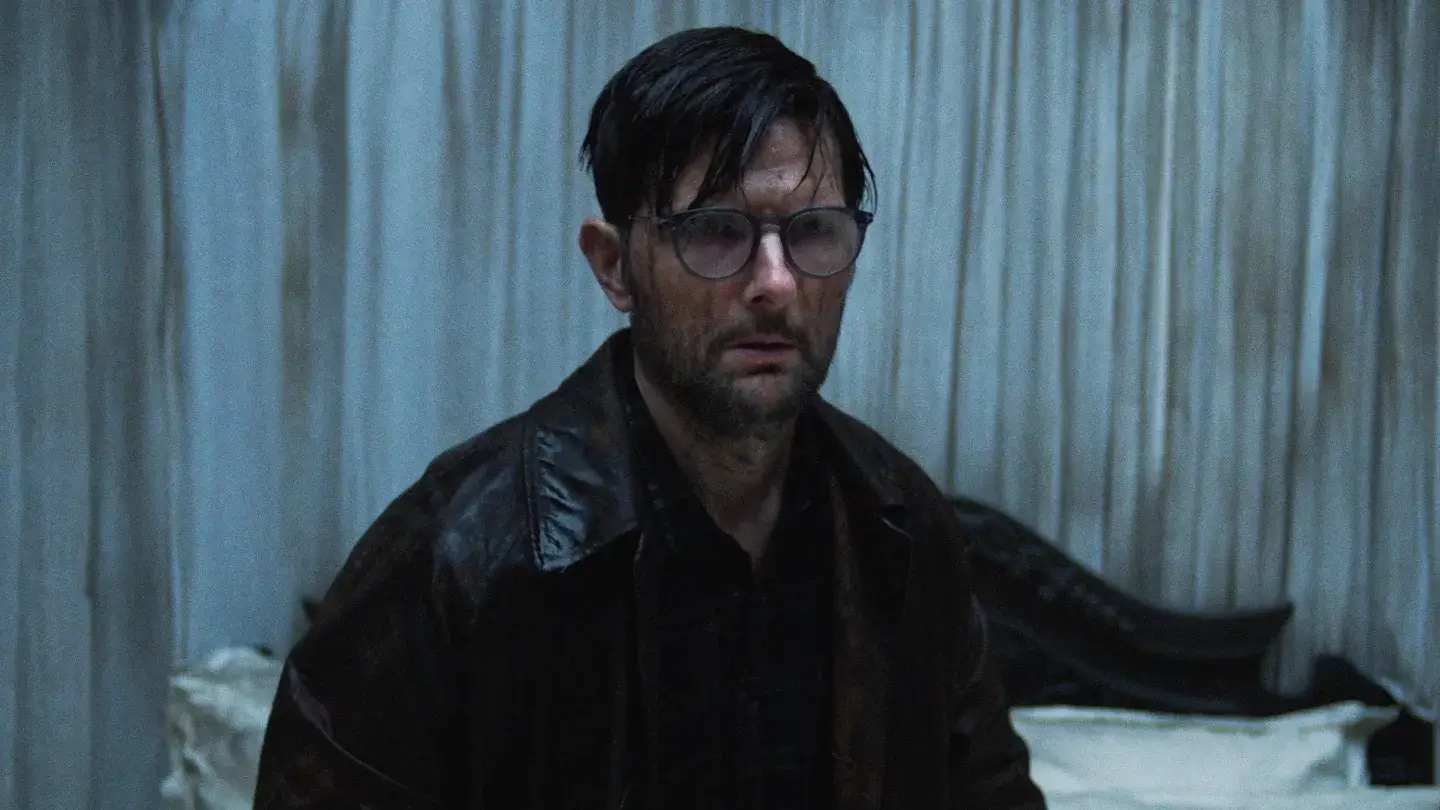
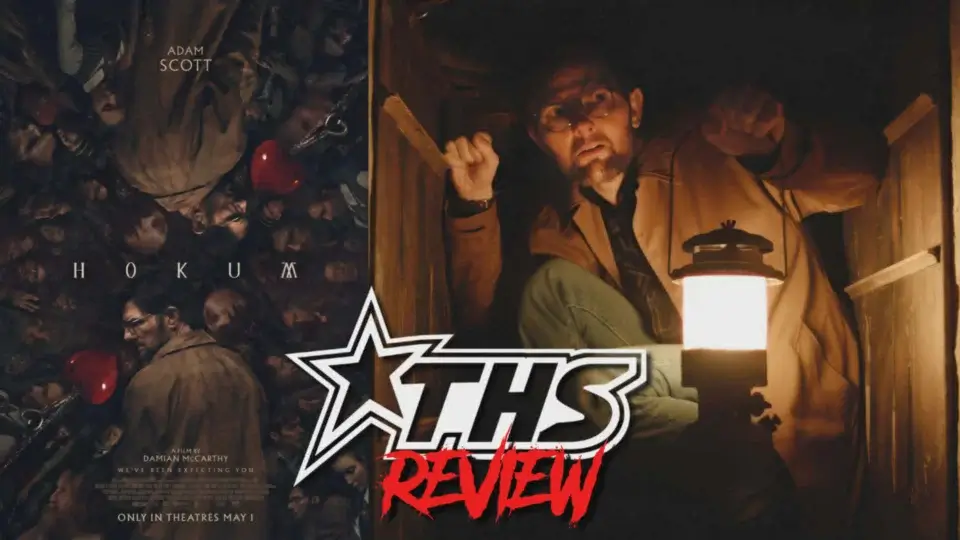
This weekend sees the release of the horror film Hokum, the latest film from writer and director Damian McCarthy, starring the always reliable Adam Scott. The film is a lot of things at once, going from Irish folklore horror film to a mystery thriller to a surprisingly moving story about trauma, grief, and guilt, and it all takes place at a creepy haunted location inhabited by a witch called The Billberry Woods Hotel. Hokum gets to throw its hat into the ring when it comes to horror movies that take place where enjoying your stay would be virtually impossible, and that’s before asking for better pillows and proper room service. The movie isn’t the first to utilize a hotel or motel to stir up frights, so if you were picking up what this film was putting down, it’s time to look at five other hotel (or motel) horror movies to check out if you liked Hokum.
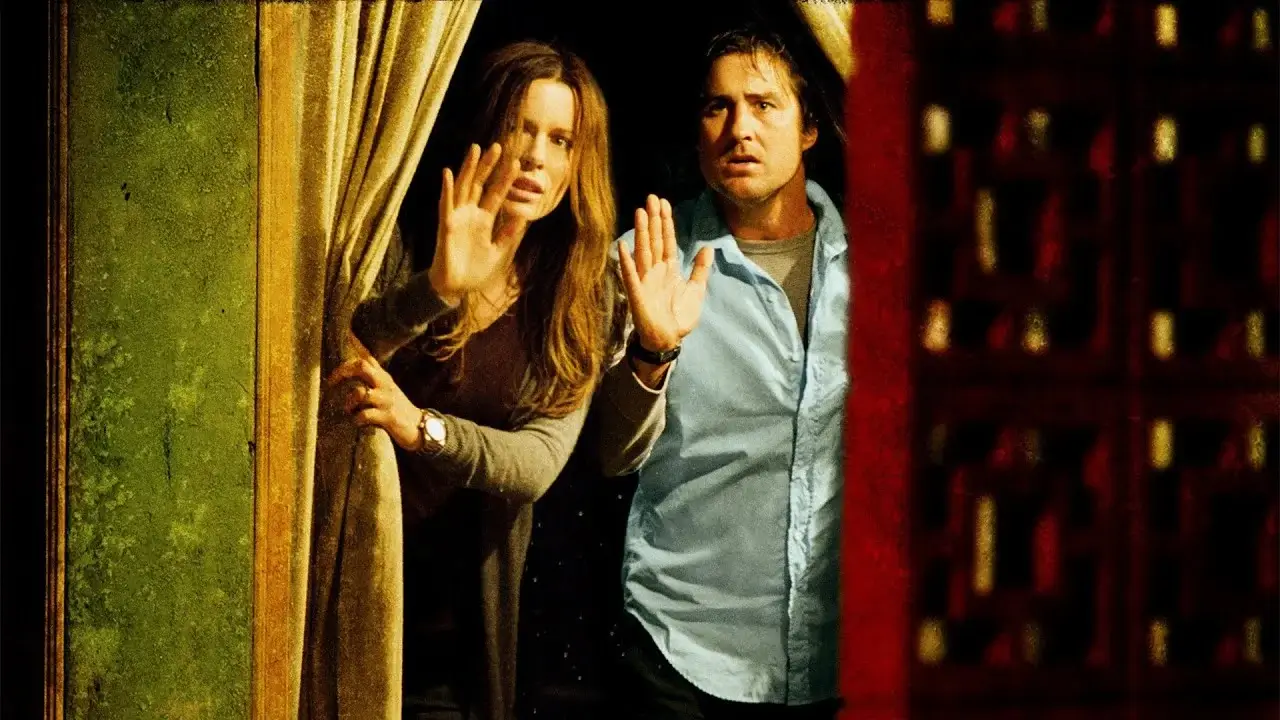
Honorable Mention: Vacancy (2007)
Taking place at the isolated Pinewood Motel, Vacancy is a wildly underrated horror thriller that certainly deserves more eyes on it. Directed by Nimrod Antal from a screenplay by Mark L. Smith, Vacancy follows a married couple on the verge of divorce, Amy and David Fox (Kate Beckinsale and Luke Wilson), who find themselves stranded and forced to stay at an isolated motel after their car breaks down. They’ll soon find out that their marriage woes are the least of their problems when they locate hidden cameras in their room and realize that the motel is a front for producing snuff films with the unwitting motel guests as the stars. At just 85 minutes, Vacancy is an exercise in creating intense and sustained tension that utilizes its confined setting to great effect. The audience feels the claustrophobic atmosphere building around Amy and David, and the most frightening thing about their unfortunate situation is that it feels 100 percent plausible.
It’s all bolstered by solid performances from Beckinsale and Wilson, who get enough time to build as characters that the audience can relate to (their strained relationship is given sufficient time to develop) before they’re caught up in this night of unholy terror. Also, it should be noted, even though this is a horror thriller, Amy and David react to the situation they’re in rationally and don’t fall into “why did they do that” horror tropes, which makes them smarter than typical horror thriller protagonists. Vacancy grossed $35.4 million worldwide on a $19 million budget ($19.4 million of which came from the domestic box office), so it sort of came and went in 2007, but it’s not a film that should be forgotten and definitely deserves its shot at cult status.
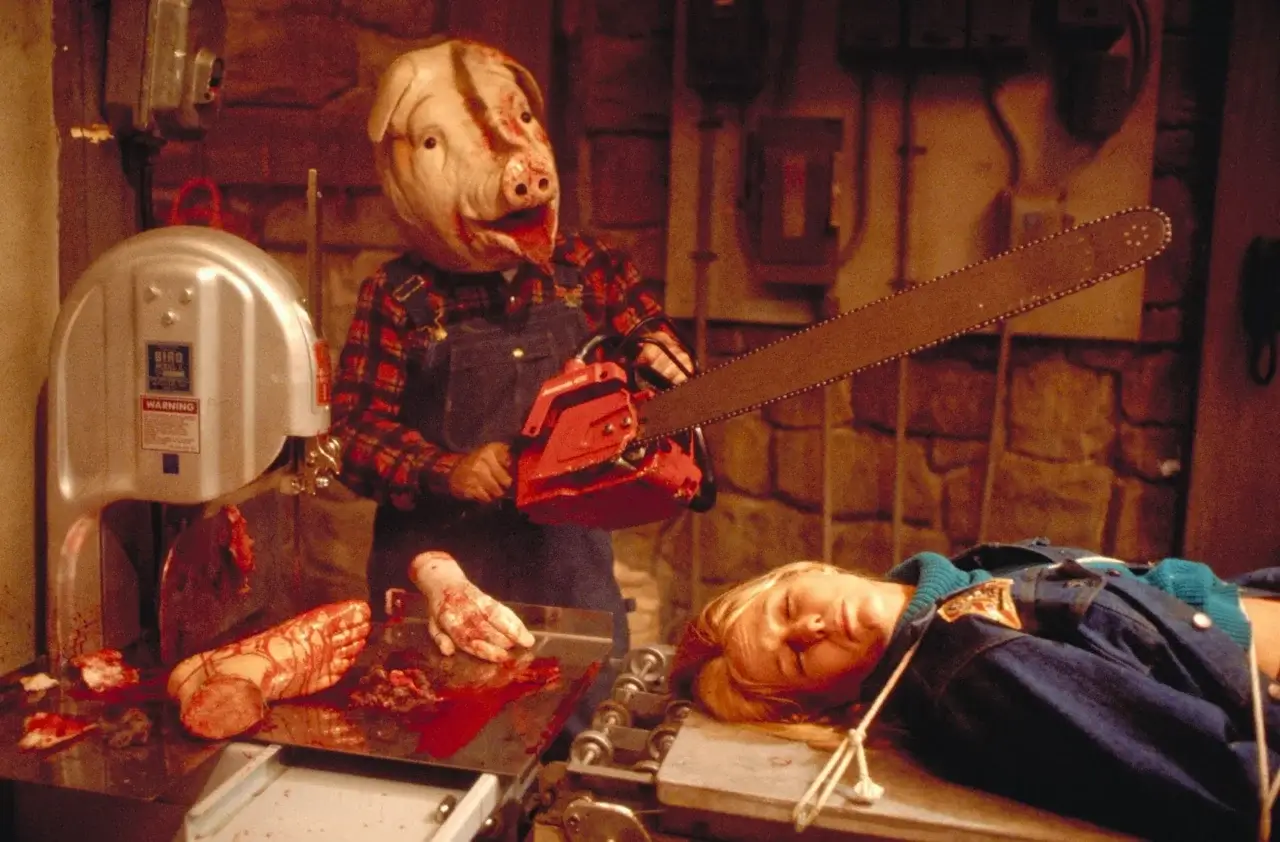
5. Motel Hell (1980)
Arriving in 1980 after Friday the 13th made audiences hungry for more gore in their slasher films, Motel Hell puts a fun, satirical spin on the genre that has helped turn the movie into a cult favorite in the years since its initial release. Directed by Kevin Connor from a screenplay by Robert Jaffe and Steven-Charles Jaffe, follows Vincent Smith (Roy Calhoun), the manager of “Motel Hello” (see what they did there), a motel attached to a farm where the secret ingredient in Vincent’s infamous smoked meats is human flesh. Motel Hell is best viewed as a send-up of other horror films, such as 1974’s The Texas Chain Saw Massacre and Alfred Hitchcock’s Psycho, which makes some of its over-the-top violence go down a bit easier if you consider it to be satirizing the state of the horror genre at the time. If you’re familiar with the term “farm-to-table” in restaurant culture, Motel Hell puts a horror spin on the concept, as Vincent is more interested in human authenticity when it comes to making his renowned meats.
The movie finds the right balance between the grotesque and humor, making it a richly funny dark comedy that wisely doesn’t take itself too seriously. Adding to the camp is Calhoun’s performance as Vincent, who expertly maneuvers being ultra polite at times to downright murderous at times and completely believing he’s doing nothing wrong by ridding the world of “all kinds of critters,” that happen to be human, to make his special meats. Motel Hell arrived early during the slasher movie boom and may not get all of the praise of its counterparts, but it’s a memorable experience because it has a lot of fun with its premise.
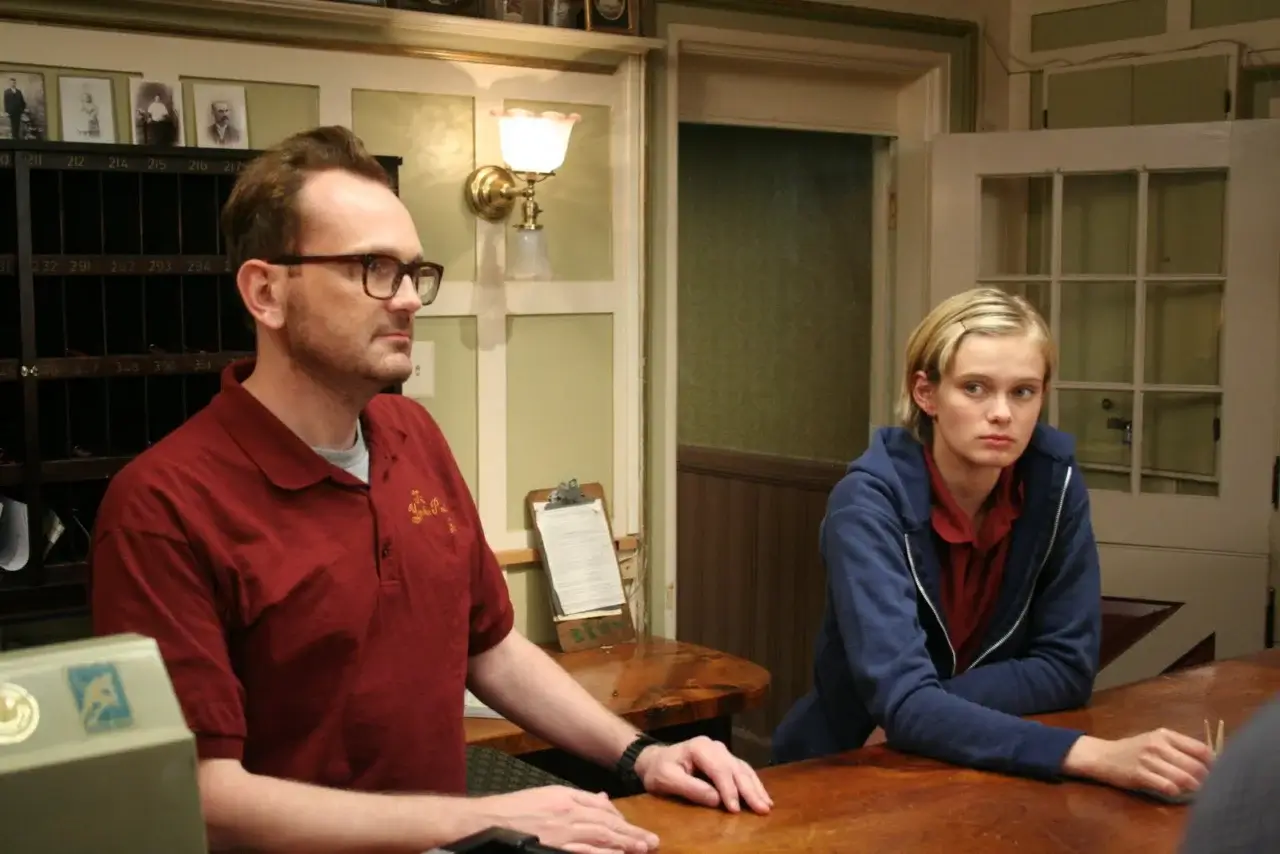
4. The Innkeepers (2011)
If you appreciated the slow-burning dread of Hokum, a trip to the Yankee Pedlar Inn, and a watch of The Innkeepers might be right up your alley. Written and directed by Ti West, The Innkeepers focuses on two employees at the once-grand hotel, the Yankee Pedlar Inn, during its final weekend of operations, where they attempt to document the hotel’s alleged haunted history. Hokum is a horror film big on atmosphere, and that’s what you get with The Innkeepers, a horror movie that gradually builds tension and the eerily quiet setting of its location.
Silence in horror films is often more terrifying than the things we hear, and The Innkeepers utilizes that silence to build dread as the audience is taken through silent corridors before it all builds to something far more robust by the film’s end. In the midst of the slow-burning horror are relatable characters in Claire (Sara Paxton) and Luke (Pat Healy), who have a naturalistic vibe to their interactions that adds to the film’s depiction of the boredom that comes along with working a less-than-desirable low-wage job, which leads to genuinely witty banter between the pair. They feel like real people rather than characters, and that only makes their interactions with the supernatural goings-on all the more compelling. Through building anticipation and suspense gradually, West crafts an eerily unsettling haunted hotel movie that lingers with you long after it’s over.
3. 1408 (2007)
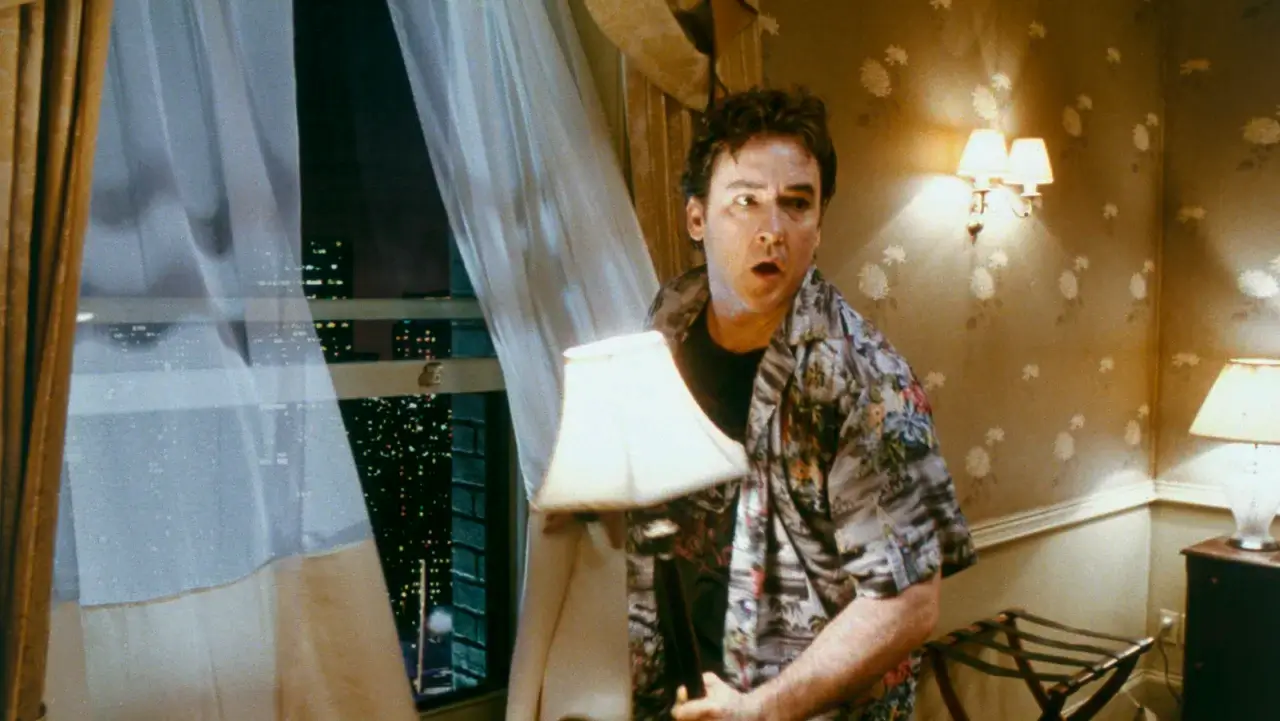
1408 grossed $133 million worldwide on a $25 million budget, making it a hit, and yet it still feels like a forgotten gem of the genre that deserves even more flowers. Directed by Mikael Hafstrom from a screenplay by Matt Greenberg, Scott Alexander, and Larry Karaszewski, 1408 is based on Stephen King’s 1999 short story and an author named Mike Enslin (John Cusack), who has made a career out of investigating alleged haunted locations. During one endeavor, he receives an ominous warning not to enter room 1408 at The Dolphin, a New York City hotel on Lexington Avenue, and he ignores it, which traps him in the room as bizarre events begin to unfold. 1408 is similar to Hokum in that, even though there are supporting players in the film, such as Samuel L. Jackson’s hotel manager Gerald Olin, it’s largely a one-man show led by Cusack’s dread-inducing performance, in which he conveys all the fear and panic of his character being isolated and trapped.
1408 is largely psychological, and most of the escalating dread is experienced in real-time as Cusack’s character is experiencing it, which makes it a more immersive experience for the audience. Hafstrom deserves his fair share of credit as well, directing a film in what could be a single, mundane setting and turning it into a true nightmare that takes hold of you. 1408 dives into how the mind can erode from isolation and the gradual psychological breakdown of a character who is skeptical of the paranormal and is then thrust into a claustrophobic situation, where it’s questioned if it’s real or if it’s his mind playing tricks on him due to the terror of being trapped and alone in this room. As stated earlier, 1408 was a box office hit and was even a treat for critics (80 percent on Rotten Tomatoes), but it still feels like it’s not discussed enough as one of the best King adaptations and as a more than worthy entry in the haunted hotel subgenre.
2. The Shining (1980)
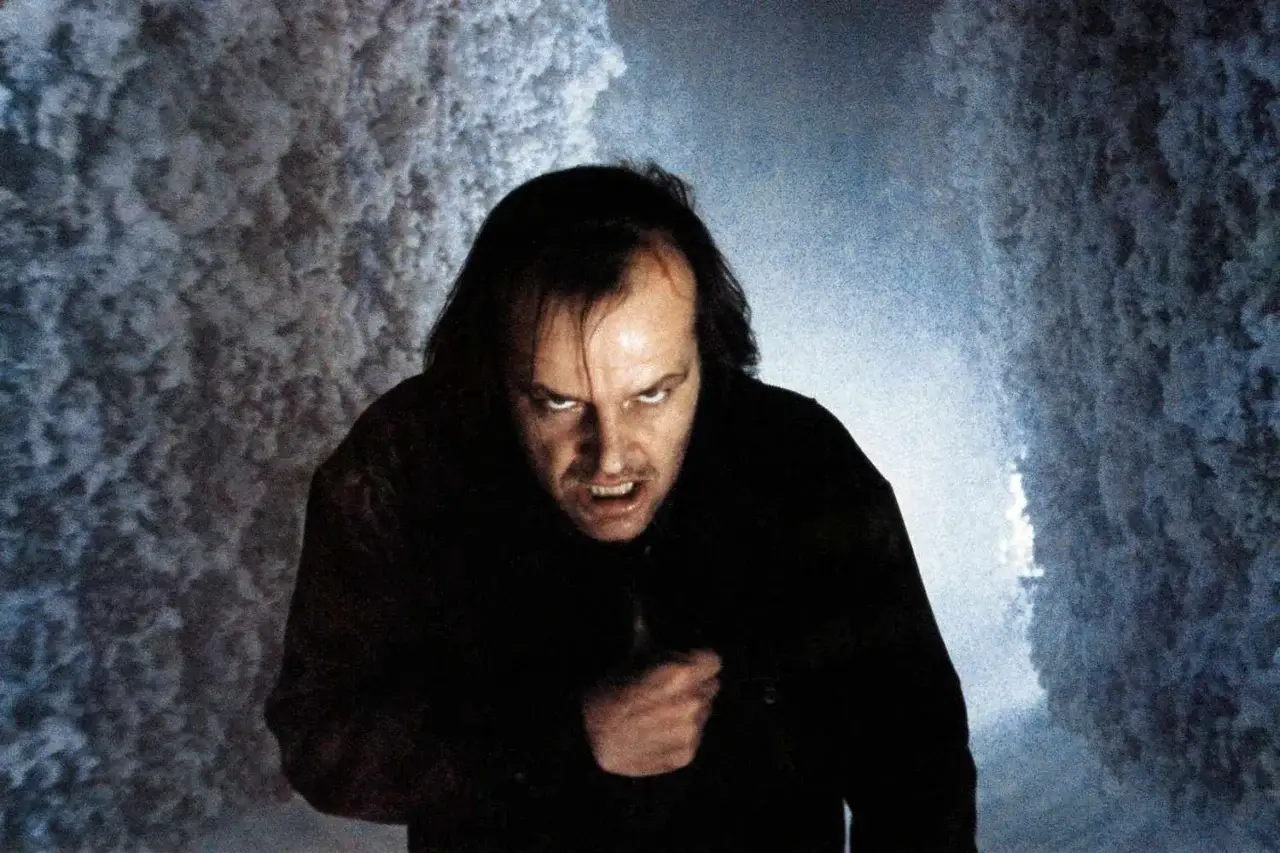
Stephen King may have taken issue with Stanley Kubrick’s adaptation of his 1977 novel, but, for horror fans, The Shining remains a horror genre masterpiece that wouldn’t have that title if not for Kubrick’s obsessive attention to detail and bootcamp-like approach to directing his actors. Directed by Kubrick from a screenplay he co-wrote with novelist Diane Johnson, The Shining takes place at the remote Overlook Hotel, where a recovering alcoholic and aspiring novelist named Jack Torrance (Jack Nicholson) dives face-first into insanity after taking a job as a winter caretaker at the hotel with his wife Wendy (Shelley Duvall) and his son Danny (Danny Lloyd). McCarthy seems heavily inspired by The Shining with his work for Hokum, with a character who is also an author and one who finds himself encountering surreal happenings at a location that is largely unfamiliar. Kubrick expertly crafts not only the isolation of the film’s location but also Jack’s isolation from his wife and son as he descends more and more into madness.
All of Kubrick’s choices make the audience feel as if they’re going crazy with Jack to the point that it’s almost disorienting. The atmosphere that he builds is crushing in the sense that it feels like it’s closing in on you, and it’s almost punishing as a result. Everything about The Shining feels experimental in the best way. From Kubrick’s use of the Steadicam to give the film it’s immersive and dreamlike shots through the halls of the hotel to the score composed by Wendy Carlos and Rachel Elkind, which only adds to the movie’s growing psychosis. Then there are the performances, with Jack Nicholson obviously giving a memorable turn as Jack but it’s truly Shelley Duvall who is the unsung heroine of The Shining. Kubrick reportedly put her through hell during the shoot and it certainly shows as her fear feels completely palpable (at the 1st Golden Raspberry Awards in 1981, she was nominated for Worst Actress, which was thankfully rescinded in 2022). The Shining feels like psycholigcal warfare that is exhausting but rewarding in its superb execution.
1. Psycho (1960)
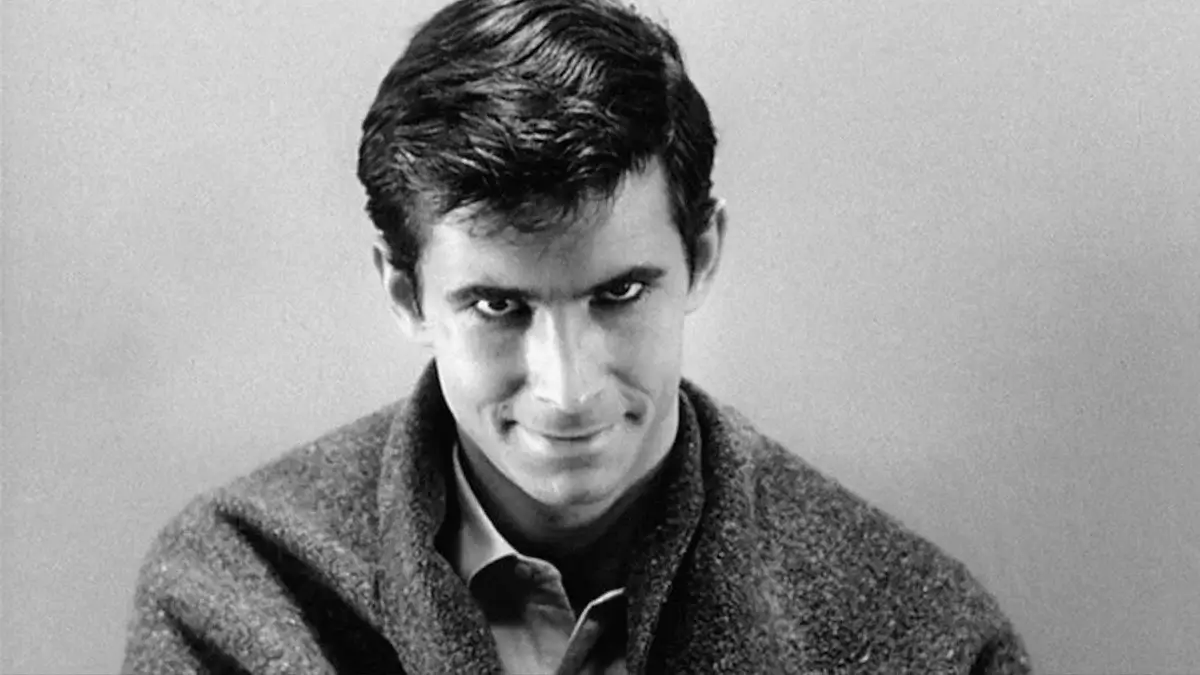
Bates Motel is definitely a place you don’t want to stop at if there are vacancies, but Alfred Hitchcock’s classic Psycho is certainly a film that has earned its place to stay rent-free in audiences’ minds since it was released in 1960. Directed by Hitchcock from a screenplay by Joseph Stefano, Psycho is based on the 1959 novel of the same name by Robert Bloch and focuses on a chance encounter between Marion Crane (Janet Leigh), an on-the-run embezzler, and the shy proprietor of the Bates Hotel, Norman Bates (Anthony Perkins), and his disturbed mother. After Marion disappears, private investigator Milton Arbogast (Martin Balsam) is sent out to look for her by her love Same (John Gavin), and her sister Lila (Vera Miles), who soon discover all is not right at Bates Motel. Psycho is a masterclass in suspense and misdirection. What begins with what appears will be Marion’s story takes an abrupt shift midway through, once she decides to take a fateful shower in Cabin 1.
The brilliance of Psycho is that it doesn’t show its hand immediately, even when Marion happens upon the hotel and begins interacting with Norman. Perkins is excellent in the role, managing to convey nervous likability but also a sense that something isn’t quite right about him. He disarms Marion and also disarms the audience until it becomes clear that it will be too late to escape the danger. Everyone is at the top of their game here, but again it’s Perkins that holds it all together with a performance that should’ve earned him an Academy Award nomination (especially since Leigh earned a nod in the Best Supporting Actress category for her performance). Psycho did its part to revolutionize the horror genre by adding prestige to it early on in a film that might use a “slasher formula” but ends up being so much more than that because of Hitchcock’s meticulous attention to detail, which helped create a sustained sense of dread that makes some of the more shocking moments of Psycho truly sneak up on you.
For more on Horror, make sure to check back to That Hollywood Show.




Reviews