
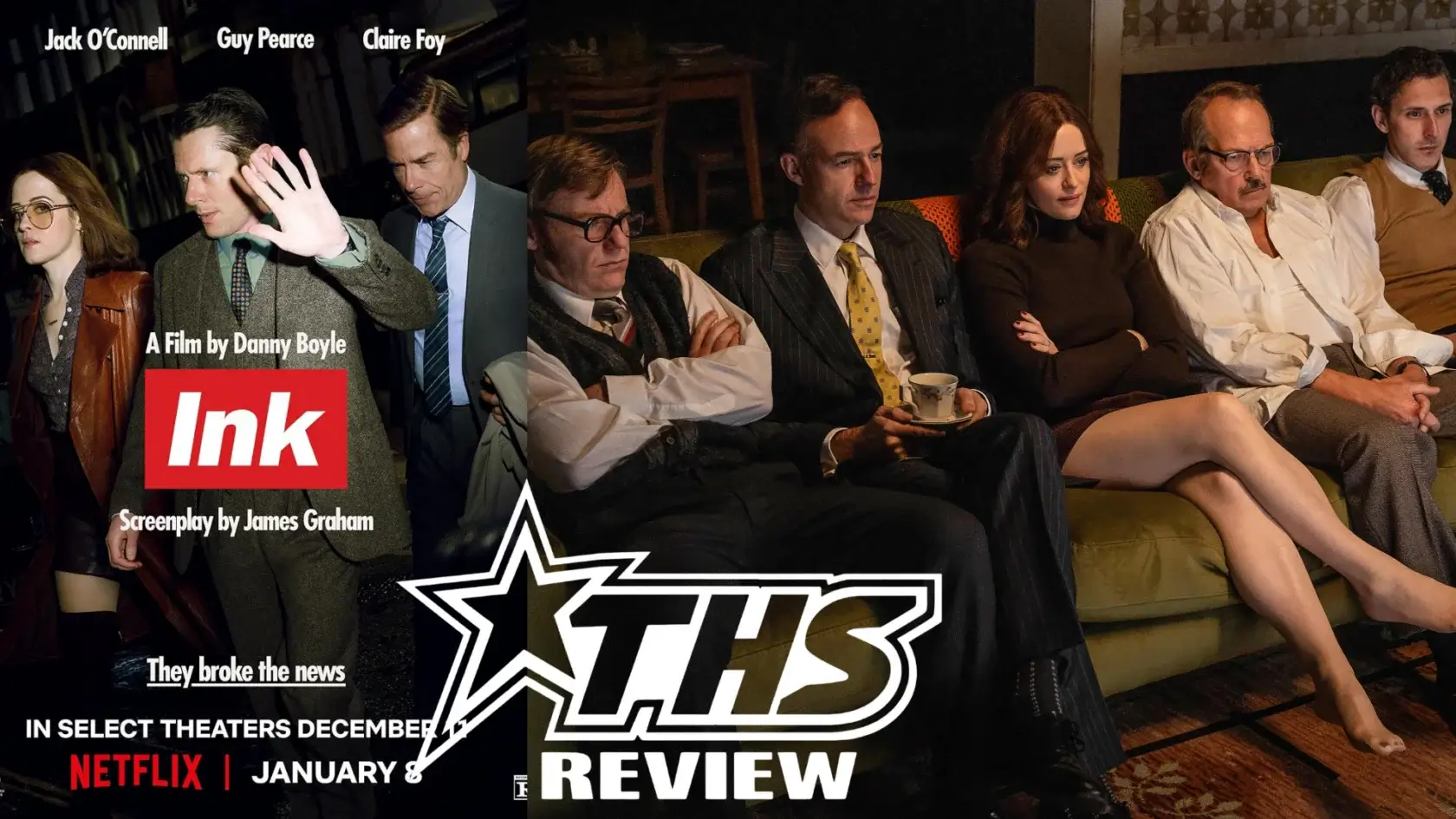
In Ink, Danny Boyle explores the launch of the British newspaper The Sun. The tabloid was created as a paper full of things people want to read but feel they shouldn’t. It broke ground in 1960 in London for speaking openly about sex, putting sport on the front pages and embracing the working man.
But The Sun has also faced decades of controversy over its lack of morals, sensationalism and privacy intrusions. The paper is still boycotted in Liverpool for its false claims about the Hillsborough Disaster, its publisher has faced extensive legal battles for hacking phones, and it introduced topless women to the morning paper.
Ink Falls To Address The Sun’s Legacy
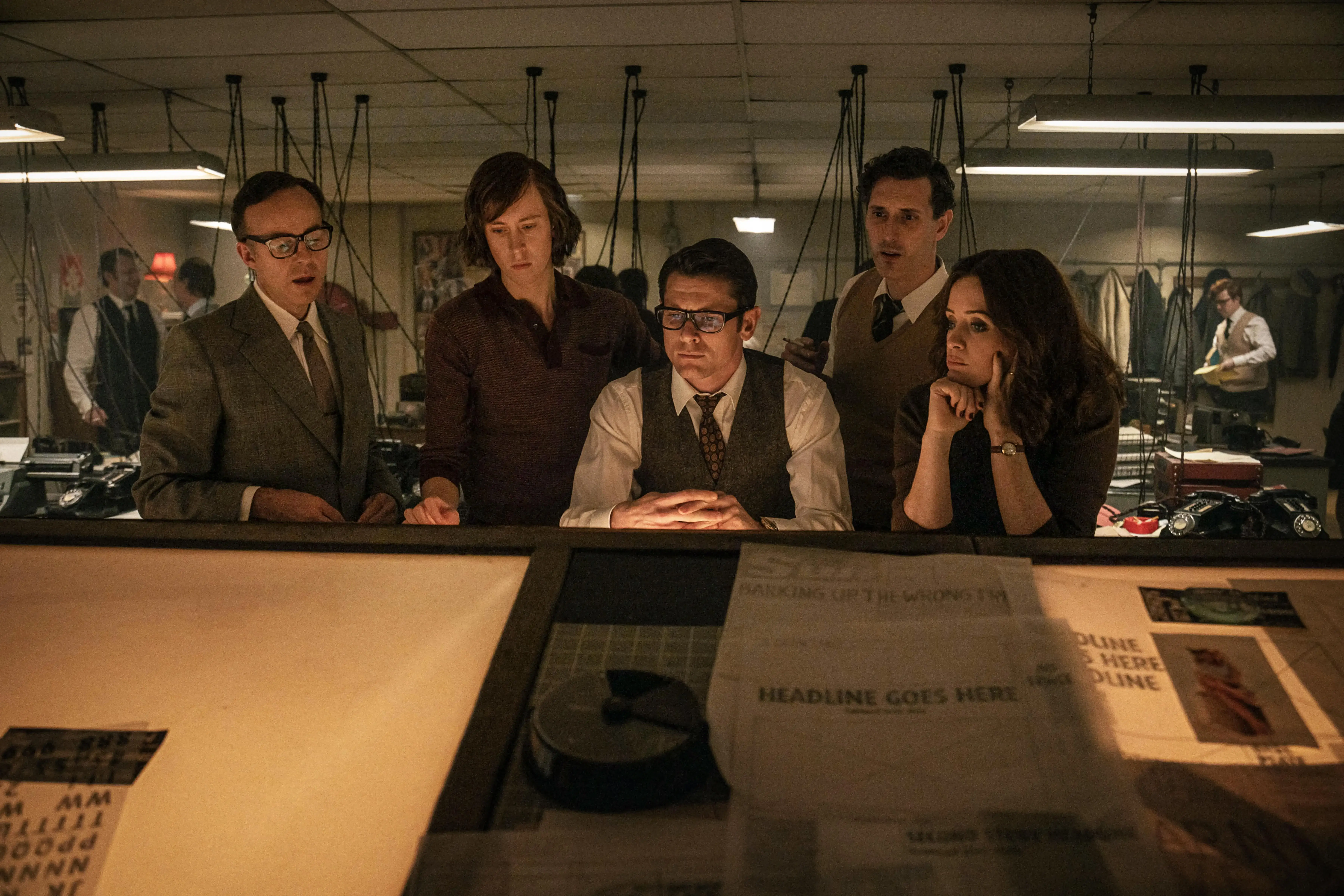
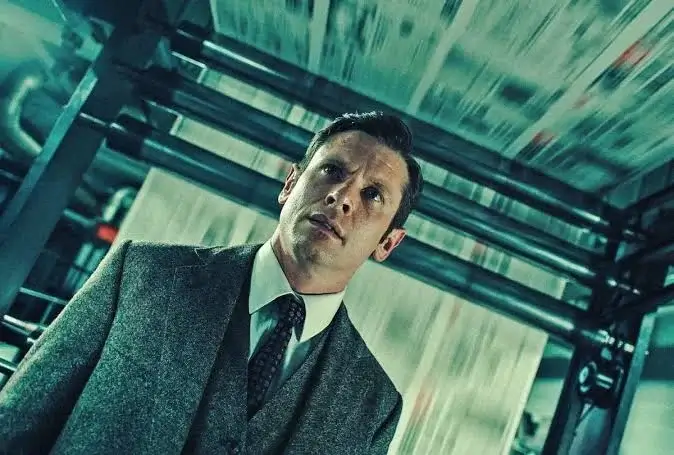
This legacy is reshaped into something sensationalist in itself and strangely apolitical. Ink goes back to the start when media mogul Rupert Murdoch (Guy Pearce) poaches The Mirror’s Larry Lamb (Sinner’s Jack O’Connell) in 1969 to be the editor of his brand new newspaper.
Larry pieces together a misfit team of journos and photographers like he’s Nick Fury, all of them introduced with Boyle’s stereotypical flash style. This includes his uptight deputy editor Bernard Shrimsley (Blue Moon’s Patrick Kennedy), the underwritten and only clothed woman in the office, Joyce Hopkirk (All Of Us Strangers’ Claire Foy), awkward photographer Beverley Goodway (The Serpent Queen’s Angus Imrie), and loud crime reporter Brian McConnell (Bad Sisters’ Brian Gleeson).
The film breaks down how The Sun was created through fun montages and meetings. It celebrates the newspaper for being anti-establishment and for the masses, not the few. It boils their moral corruption down to locker-room talk that, through a modern lens, feels uncomfortable.
O’Connell is excellent here as a Jack the Lad exterior with a ruthless heart of steel. He makes easy work of the character, adding more nuance than the script delivers. Pearce is not given enough to do as Murdoch, strangely recycling his other recent appearance as an evil billionaire in The Brutalist. Foy shines on-screen as a woman who is very obviously an amalgamation of multiple real-life women.
It’s All Fun and Games, Until It Isn’t
Mid-film, Ink switches its tone when the wife of Murdoch’s deputy is kidnapped by two ransom-seekers. The buzzy biopic quickly becomes a more subdued crime thriller as the kidnappers demand money and that The Sun stop its lewd ways.
Here, Boyle uses this real-life incident to peel back the layers of Lamb and his conduct at The Sun. The editor uses the kidnapping of a colleague’s wife as headline fodder, and continues plastering the story across the front page even when the police warn him not to.
In this moment, Rupert Murdoch, the man Succession’s Logan Roy was not so subtly based on, decides to grow a conscience. Ink goes too soft on him, he was known for immoral behavior before The Sun and after it. The movie benefits from not turning Murdoch into a panto villain, but this is not a man who required a big-screen redemption arc.
But the incident makes The Sun one of the top-selling papers in the UK, so Lamb continues his reign of sleaze. It’s not treated like a failure of character to refuse to admit guilt, it’s depicted as a triumph of human strength.
Strangely, the only characters to really criticize The Sun are the film’s villains. The lack of moral backbone makes it an infuriating watch. Ink simplifies the rise of The Sun and ignores its complicated history and legacy. By only telling one side of the story, ignoring the many controversies, it justifies the actions of the newspaper.
Ink Is Danny Boyle Using All His Worst Instincts
Ink is style over substance, which is fitting considering the biopic subject. Boyle has always loved zippy cuts and heightened edits, but Ink takes it too far. These flourishes become annoying and feel like they’re overcompensating for the weak script.
Alwin H. Küchler’s camera flits away from enclosed spaces while Fin Oates’ sharp cuts disorient the audience. Johnnie Burn’s sound design and Daniel Pemberton’s score chug along with industrial sound effects to accompany a metaphorical underground tube. The overuse of these gimmicks makes Ink feel more like a Guy Ritchie outing, that wears its bombasticness on its sleeve.
And then there is the subject of the AI. Ink hit headlines for its controversial use of AI. Some of it will go unnoticed by an untrained eye, until the most horrific, uncanny moment in modern film history. The AI face of Margaret Thatcher leaning over may haunt you in your dreams after watching Ink. Even worse, it is totally unnecessary and adds nothing to the story.
Boyle directs Ink with urgency, like he is cramming every trick he knows into the almost 2-hour film. It’s loud, it’s brash, it’s slightly dated. It’s reusing gimmicks that haven’t been cool in decades.
James Graham adapts his own play of the same name, and the script is one of the least try-hard parts of Ink. At time, it feels like Boyle was so unsure about adapting a play that he felt it needed to be spiced up for the big screen.
A Film Better Enjoyed By Newbies To The Sun
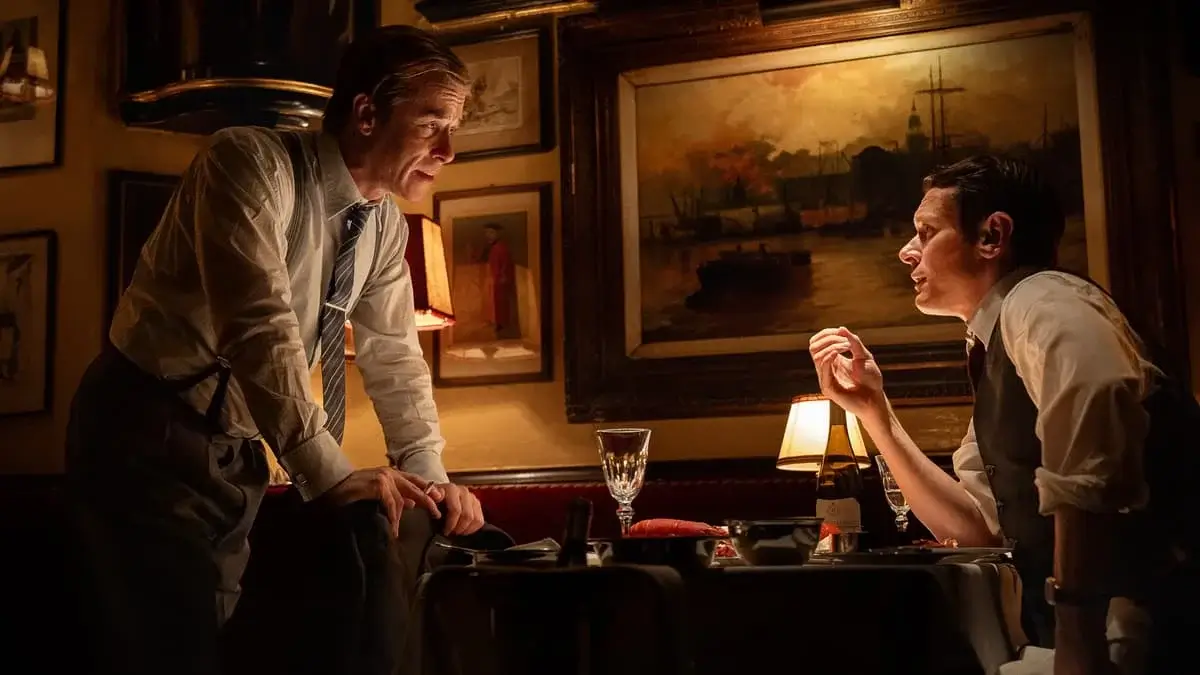
Ink may be better enjoyed by people who haven’t grown up in the shadow of Rupert Murdoch’s media empire. Lamb and his band of merry men are portrayed as cheeky lads getting up to mischief. Their behavior is depicted as aspirational and could be mistaken for a wonderful middle finger to the establishment.
If audiences are unaware of The Sun, you’re rooting for Lamb and Murdoch until the third act. One of the most problematic billionaires suddenly becomes an underdog, breathing fresh air into an uptight Britain.
And the real shame is there is so much potential here. Not just about the moral corruption, but about changing British sensibilities, the anti-establishment becoming establishment, about the sleazy conduct of tabloid press.
The film strangely only decides its stance on the Murdoch empire and its consequences in the final moment. The film closes with a montage of The Sun’s worst moments and most controversial headlines, many of which have been legally redacted. Where was this energy in the first 100 minutes of Ink?
It’s sad to see Danny Boyle make an apolitical film about one of the most influential political figures in modern British history. It’s ultimately a toothless portrayal of two morally corrupt figures that painfully sits on the fence until its closing moments.
For more Reviews, make sure to check back to That Hollywood Show.








Reviews