
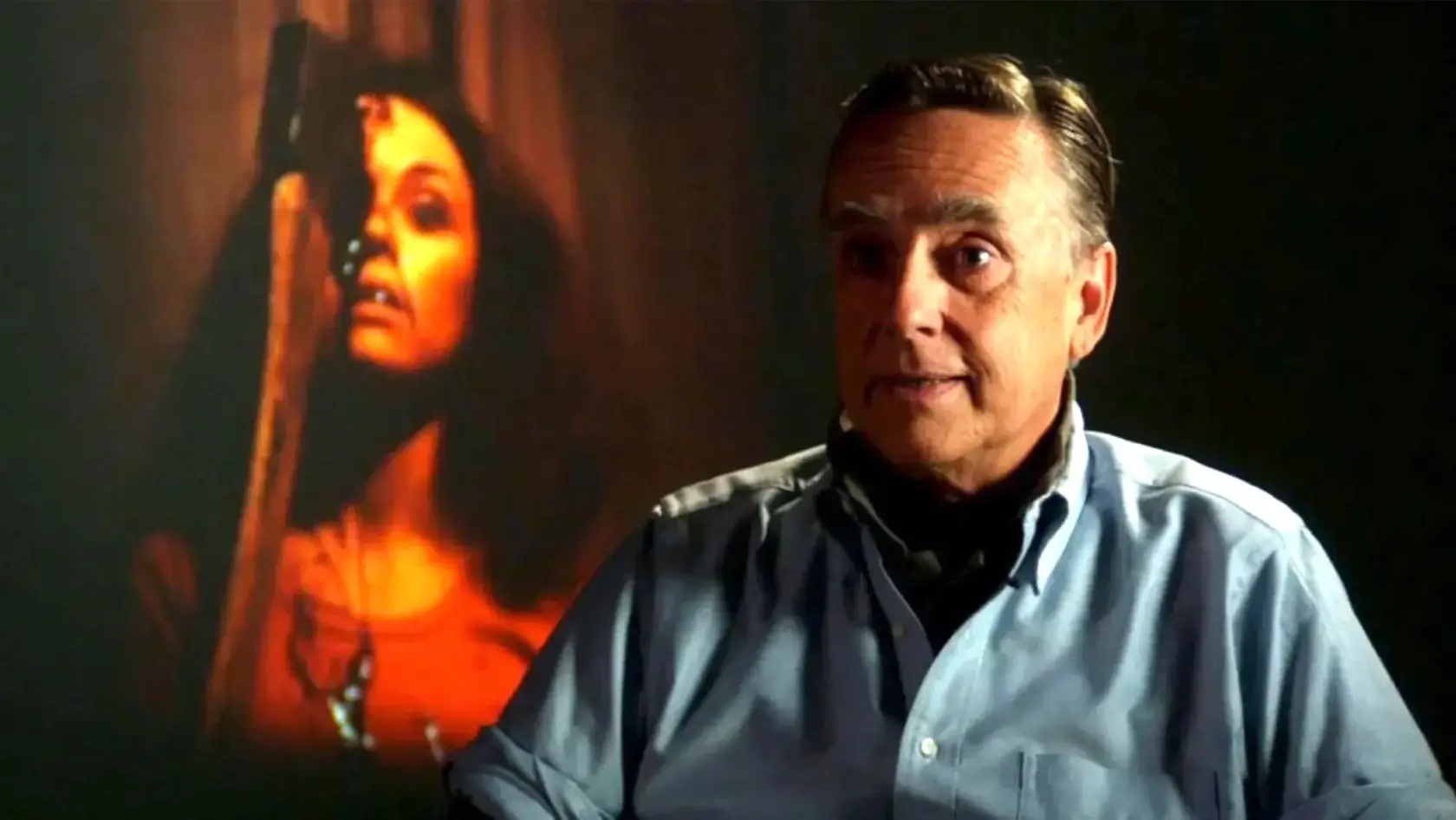
Yesterday, we learned of the passing of Victor Miller, a writer of film and television, at the age of 86. Tributes to Miller began to pop up soon after, and what became obvious was the necessity to remind everyone just how important his contribution was to the horror genre by writing the 1980 slasher classic, Friday the 13th.
It’s easy to think about what the franchise has become since that film was released, and, indeed, Miller was not involved with any of the subsequent sequels, but he certainly laid out the blueprint. Miller established one of the most iconic horror locations with Camp Crystal Lake, took the derangement of a grieving mother to its limit with Pamela Voorhees, and, even though we only get a shot of him during the film’s final scare, made it possible for Jason Voorhees to be more than a young boy who drowned because the camp counselors weren’t paying attention. Miller created the groundwork for what has become its signature mythology which means Friday the 13th simply wouldn’t exist as we know it without him.
Miller’s ambitions for writing began outside of the horror genre. Many of his credits before establishing Camp Crystal Lake were primarily family-friendly endeavors, such as the 1977 family adventure film The Black Pearl, 1978’s dramedy Manny’s Orphans, and the youth sports comedy released a year later, Here Come the Tigers. None of these films were particularly successful, but Miller began to see inspiration elsewhere for what became his biggest success story. John Carpenter’s Halloween was becoming a huge indie movie sensation, and its link to the horror genre around a seminal holiday would give Miller an idea that could work.
Creating Friday the 13th
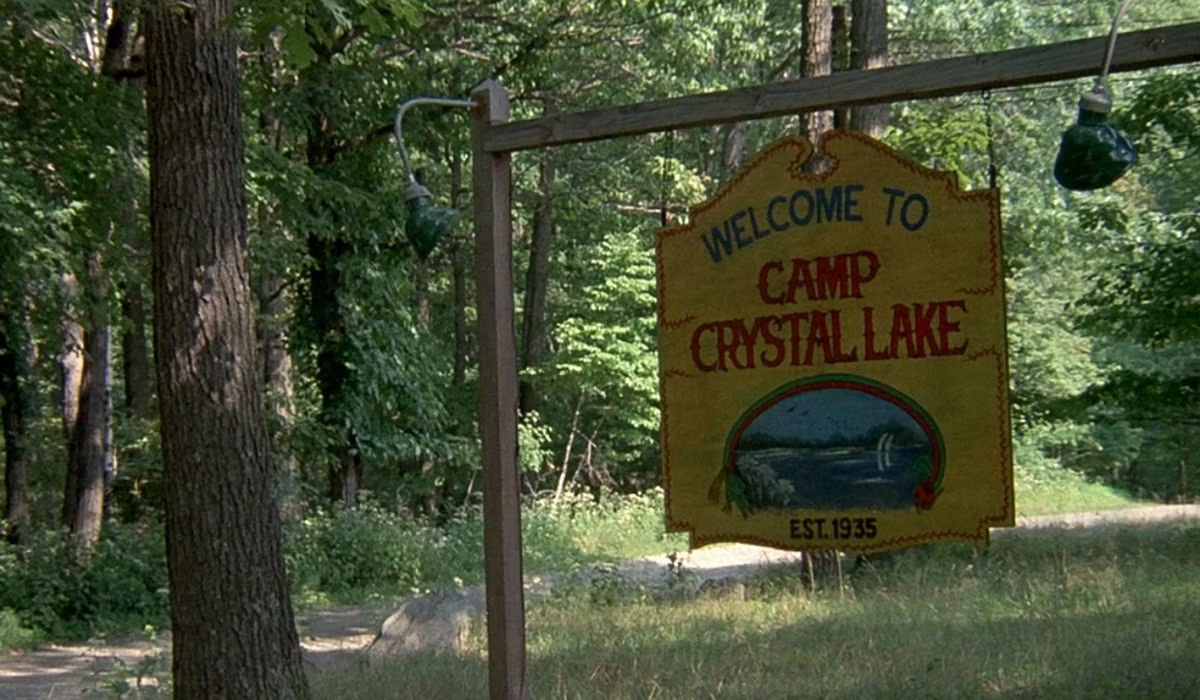
The idea for what would become Friday the 13th came from director Sean S. Cunningham asking him to craft a low-budget horror film that could replicate the success of Halloween. Carpenter’s film was ultimately made for $325,000 and would go on to gross close to $70 million at the worldwide box office. The intention for Miller and Cunningham would be to come up with an idea that could be made on a minuscule budget and would have the potential to become a profitable horror movie.
Miller went away and wrote the original 1980 screenplay for Friday the 13th in about two weeks. The original working title was Long Night at Camp Blood before Cunningham came up with the title Friday the 13th because he believed it would be catchier and grab more attention. Cunningham placed an ad in Variety with that title before the script was even finished so he could secure the name. However, even though the title Friday the 13th belongs to Cunningham, the hallmarks of Camp Blood belong to Miller (the townspeople calling Camp Crystal Lake Camp Blood would also remain in the film).
The essentials of what would long become a staple of the franchise moving forward were created by Miller. The summer camp idea came to Miller because he wanted to provide an isolated location where there would be little to no adult help and where young people could be vulnerable to attack. If Halloween would turn a suburban neighborhood into an unwitting nightmare, Friday the 13th would change the tranquil sensibilities of summer camp into its own fuel for fear. With the setting in place, Miller’s contributions would become more iconic when it came to the film’s antagonist.
A Mother’s Love Turns Deadly
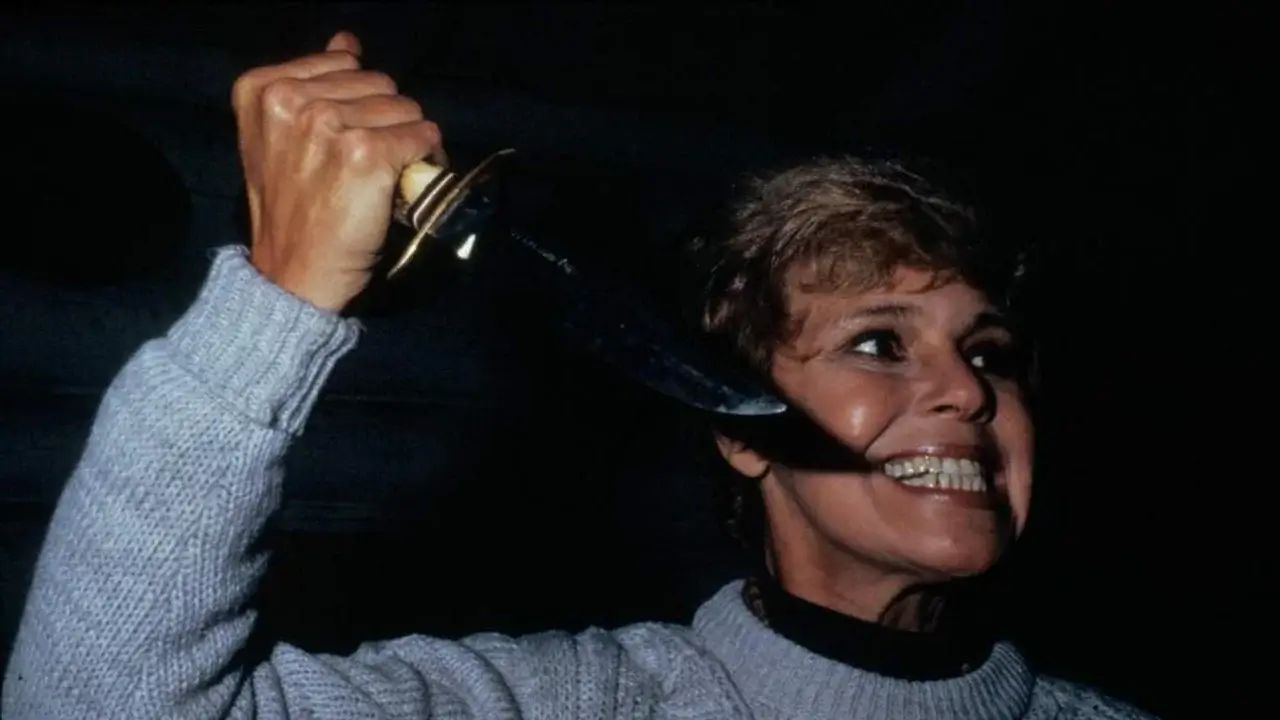
Miller’s decision to subvert expectations when it came to Friday the 13th’s killer has continued to make it a defining entry within the horror genre. Instead of making the killer a masked male stalker, which would link it even more to Halloween, Miller opted for a female antagonist, one we wouldn’t even fully meet until much later in the film, as her motivations for her murderous rampage would come to light.
Pamela Voorhees (Betsy Palmer), before Jason would ever don his signature hockey mask, was the first stalker of Camp Crystal Lake, and it was all connected to her being a grieving mother who lost her child. Mrs. Voorhees was a cook at Camp Crystal Lake, and due to the irresponsibility of the camp counselors, Jason drowned. This would break Mrs. Voorhees to her core and send her off the deep end of pure revenge.
Miller based Mrs. Voorhees on a mother who would take her overprotectiveness to new extremes. She couldn’t protect her son in life, but she would avenge him in death. Mrs. Voorhees’ derangement runs so deep that she, in her mind, believes Jason wants her to make anyone who would dare open up Camp Crystal Lake again pay for it with their lives. It was a motivation that was a bit unheard of when Miller conceived it in 1980, but for any female killers that followed in the horror genre, they owe their creation, in part, to Mrs. Voorhees and the man who created her, Victor Miller.
Planting The Seeds For Jason Voorhees
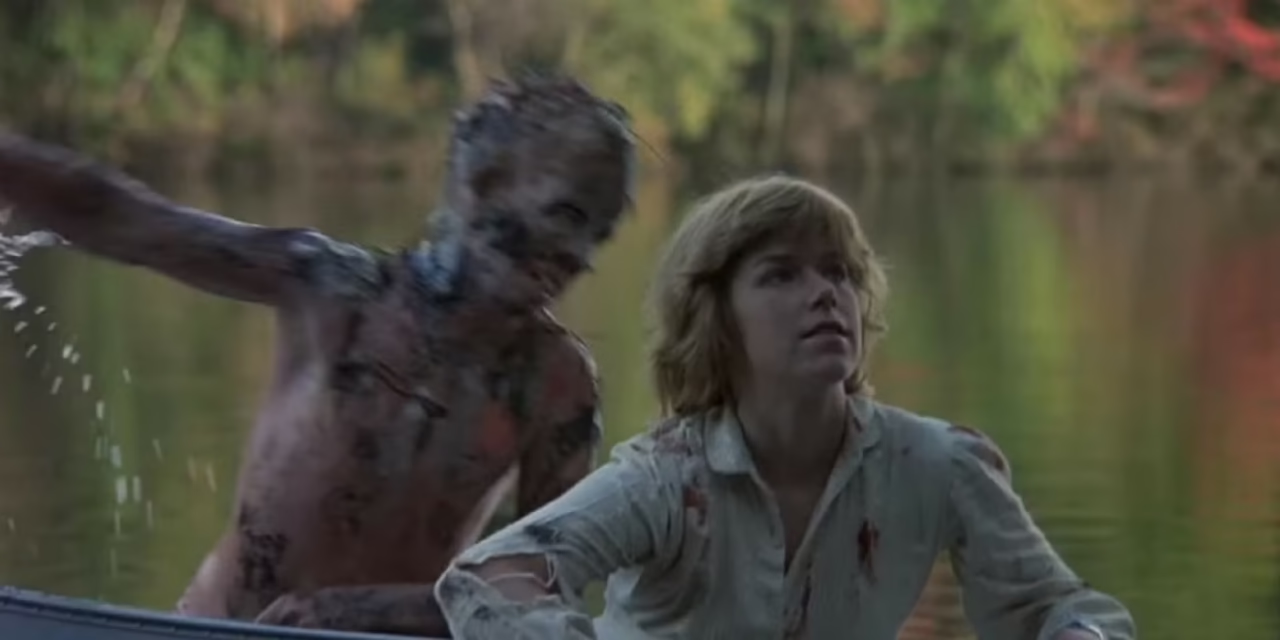
Although Jason Voorhees wouldn’t begin his body count until Friday the 13th Part 2 as a grown man, Miller created the character as a boy who drowned at summer camp, which led to the horrific events that would take place in the first film. The evolution of Jason may not be attributed to Miller, but there would be no evolution to speak of without him.
Jason’s origins are tied to Mrs. Voorhees, and their linked mythology is the brainchild of Miller. We first learn of Jason through Mrs. Voorhees explaining to the film’s final girl, Alice Hardy (Adrienne King), a heroine also being a creation of Miller, what happened to her son. He’s her motivations for her rampage and his death has now become a sort of ghost story over Camp Crystal Lake.
There are debates regarding how the character evolved even in that first film. Miller created him as a tragic figure, a young, deformed boy who drowned in Crystal Lake before the events of the first movie. We only see Jason (portrayed by Ari Lehman) in a brief flashback of his drowning and in a dream/hallucination that becomes the film’s signature stinger. It would be effects legend Tom Savini who would design the look of young Jason, which became iconic in its own right, while the look for grown-up Jason in subsequent sequels wouldn’t have any input from Miller at all. So, while Miller wasn’t involved in what Jason would become, he did set the tone by establishing the lore of the character, which allowed the franchise, even without him, to continue.
Friday the 13th Success & Influences
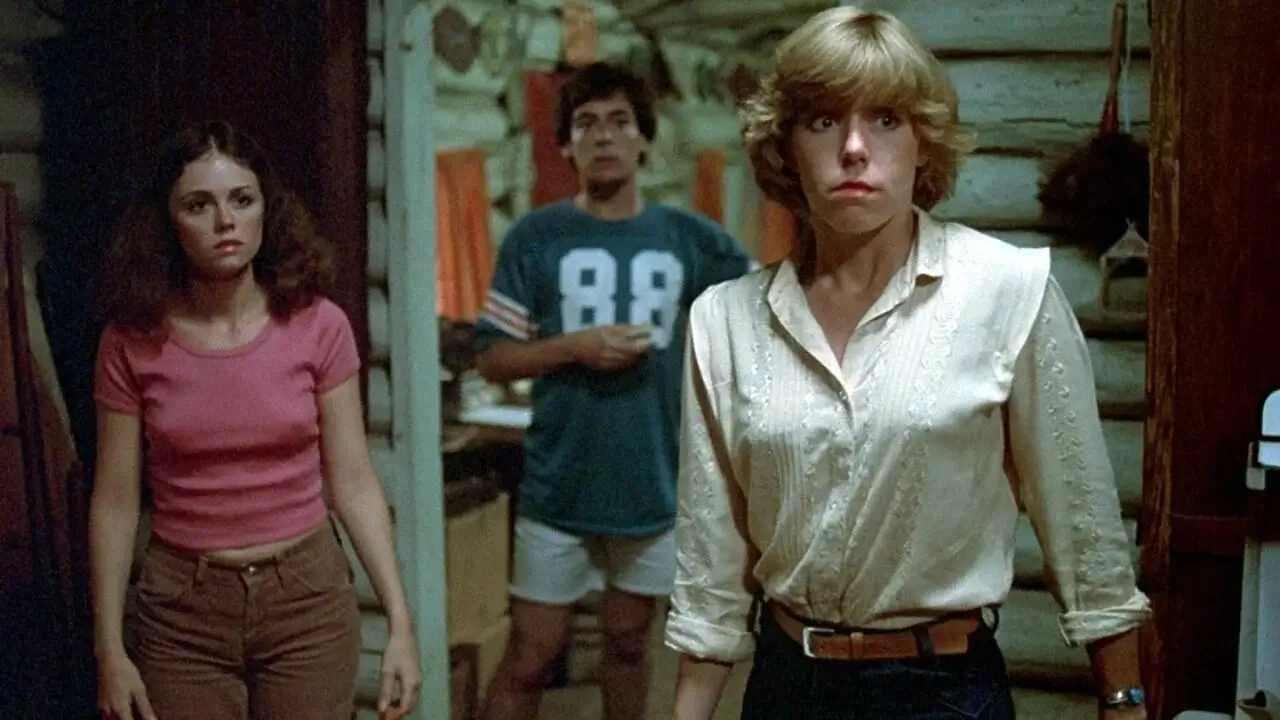
Made on a budget of $650,000, Friday the 13th was released by Paramount Pictures on May 9, 1980, and became a major financial success, grossing $59.8 million worldwide. Its connection to Paramount is also significant because it became the first independent film of its kind to land distribution in the United States by a major studio following a major bidding war.
Critics were mostly unimpressed with Friday the 13th, as would be the case with the sequels that followed, mostly because of the film’s depiction of graphic violence. This aspect seemed to be what enticed audiences to throw their support behind Friday the 13th. Halloween was an atmospheric exericse in horror but Friday the 13th put an emphasis on more in your face frights that showed off the effects work of Savini that still offered up its own brand of terror. Many credit Halloween with ushering in the slasher film but Friday the 13th, at least based on what it became in the ’80s, feels more in line with that inspiration.
Not only would Friday the 13th go on to spawn a franchise that would go on to gross over $468 million worldwide, but it also inspired other films that would imitate it. Some subsequent slasher films would copy its depiction of graphic violence, showcased through visceral special effects, such as 1981’s The Prowler, or summer camp would once again be drenched in blood, courtesy of Saivini, in The Burning, which was released the same year. Summer camp, a string of murders, and a shocking twist ending, much like Friday the 13th, would also become the cornerstone of 1983’s Sleepaway Camp. Even Halloween, which was praised for its lack of graphic violence, upped its gore game with the release of Halloween II, which followed Friday the 13th just a year later. A lot of creative people worked on Friday the 13th but without Miller’s screenplay and vision, none of this success and imitation would follow.
Victor Miller Maintaining His Legacy
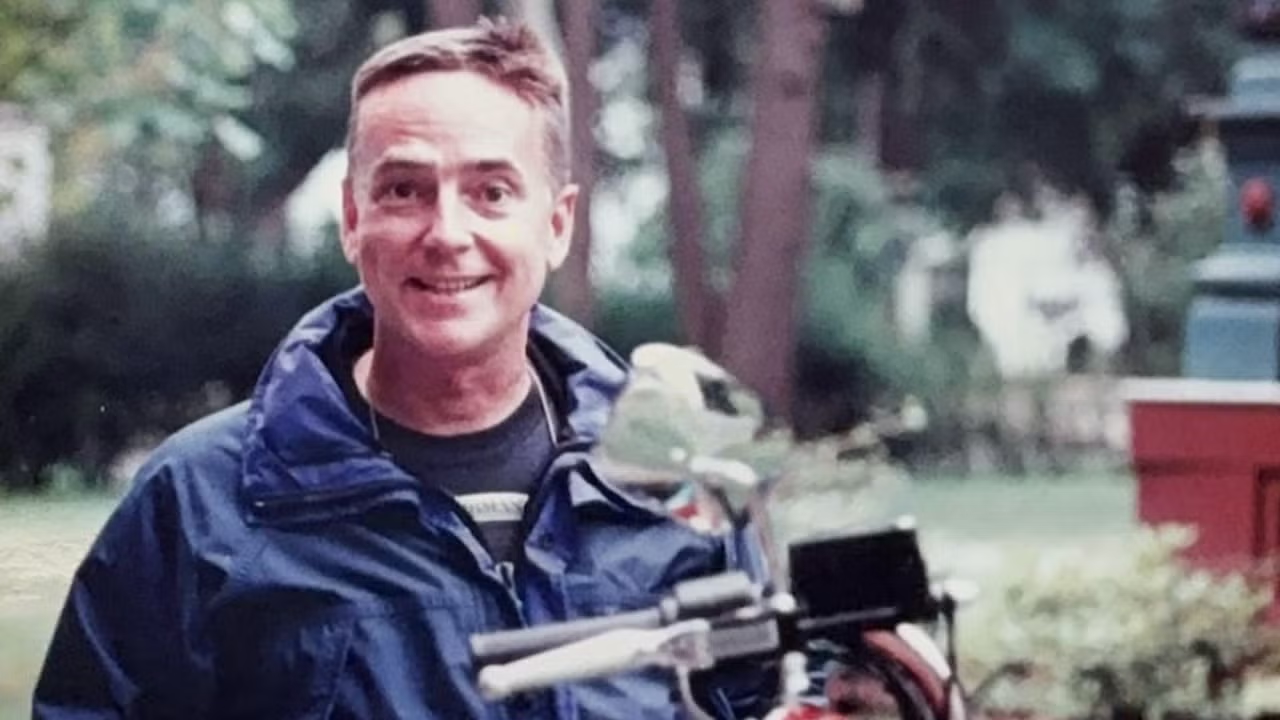
Friday the 13th would find itself involved in a very lengthy lawsuit that involved Miller, director-producer Sean S. Cunningham, and his company, Horror Inc. The battle threw the franchise into turmoil for a number of years, becoming its own horror story in the process, but the definitive victory would belong to Miller in the end.
It was in 2016 that Miller would utilize a provision of the U.S. Copyright Act which allowed original authors of material to terminate a prior transfer of rights and reclaim ownership of their material after 35 years have passed. Cunningham and his company Horror Inc. would subsequently countersue Miller with that claim that he wrote Friday the 13th as a “work-made-for-hire” employee which, according to them, would mean his company owned the rights to Friday the 13th indefinitely.
Miller’s victory would come in 2018, when the court ruled in his favor and determined he was an independent contractor and not an employee, thus allowing him to reclaim the domestic rights to his original 1980 screenplay. The ruling only concerned the 1980 film, so Miller’s victory included the original screenplay, the film’s title, the Camp Crystal Lake setting, the character of Pamela Voorhees, and young Jason Voorhees.
With that victory came the ability to produce new projects, albeit with selective licensing. This allowed the creation of the upcoming prequel Peacock series, Crystal Lake, a project executive-produced by Miller, which utilizes elements of the first film without featuring the adult Jason Voorhees. The series, premiering on Oct. 15, takes it back to the legacy that Miller created. We’ll get to see exactly what pushed Pamela Voorhees (now portrayed by Linda Cardellini) over the edge when her beloved Jason drowned. It’s a legacy that cements Miller’s place in horror forever. His words began the iconic mythology that would make Friday the 13th what it has become. Miller is an important part of the evolution of horror, and that’s something that can never be taken away from him.
Victor Miller (May 14, 1940-August 31, 2026)



![The “Digger” Complex: Satirical Deconstruction Through Nihilistic Cynicism and Movie Stars [Spoilers]](https://thathollywoodshow.com/wp-content/uploads/2026/07/diggers-1500x844-1-960x540.webp "diggers-1500×844")



Reviews