
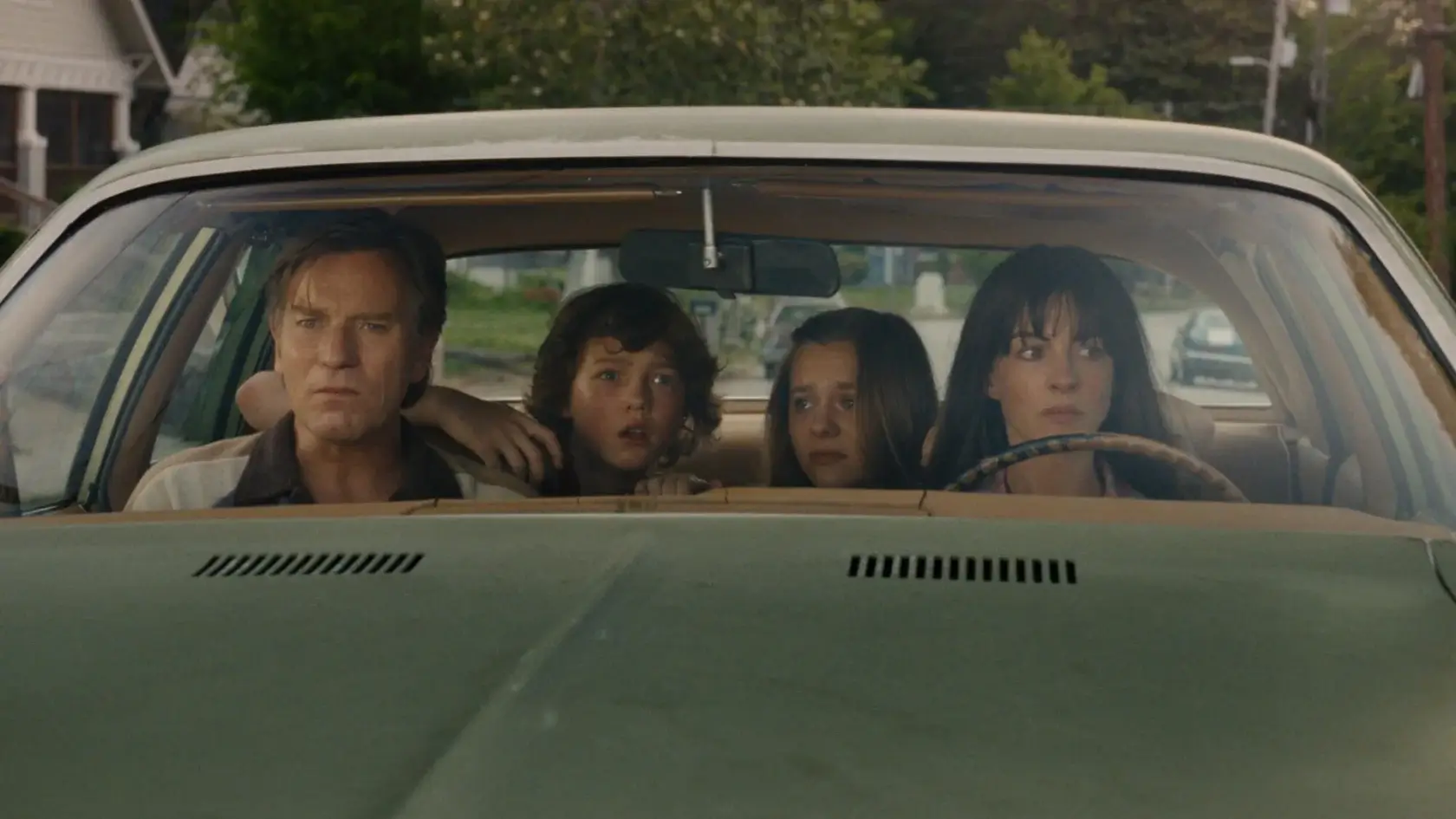
The End of Oak Street isn’t just providing late-summer entertainment. The film, written and directed by David Robert Mitchell, focuses on an event that causes a suburban neighborhood to be transported from 1982 into prehistoric times, which puts them in direct danger of encountering dinosaurs of all shapes and sizes. This has caused the movie to be compared to the Jurassic World franchise, with critics saying it’s the best dinosaur movie since 1993’s Jurassic Park and that it’s far more terrifying than any of the recent films in that series. It’s a fair comparison, and honestly, after seeing The End of Oak Street, you have to wonder how Universal Pictures can make the other dino franchise so by the numbers. In fact, any future Jurassic films can learn a thing or two from The End of Oak Street.
It should be noted that any issues with the Jurassic franchise have not hurt its box office potency. The last film, 2025’s Jurassic World Rebirth, grossed over $872 million worldwide, while the film before that, 2022’s Jurassic World Dominion, pulled in $1 billion. The problem isn’t dollar signs but a franchise that has grown incredibly stale, no matter how occasionally entertaining, since its inception. The Jurassic films now suffer from predictable and repetitive storytelling, giving us characters we don’t particularly care about, and a lack of awe and amazement that has made its dinosaurs and the destruction they cause lack tension or scares.
The latter reason is the most egregious. There should be a sense of excitement seeing these prehistoric creatures on the big screen, something expertly achieved in Jurassic Park, and it should also put a little fear in the heart of the audience. A Jurassic film hasn’t achieved any of this since the first movie, but The End of Oak Street proves it can still be done.
The Jurassic Films Need To Raise The Stakes
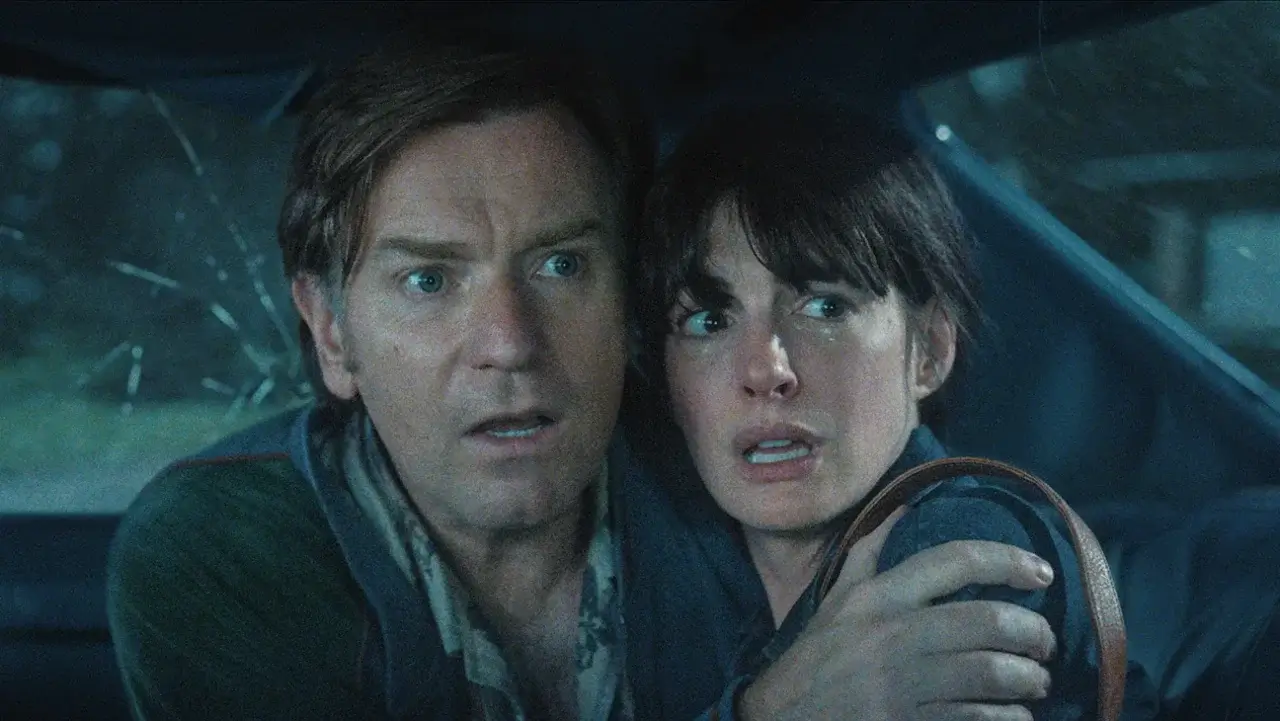
One of the bigger issues with the latest Jurassic films is that it feels like there aren’t any real stakes. The danger never really feels like a genuine threat, even though you have characters being chased down by a Tyrannosaurus Rex or a gaggle of Velociraptors. That setup should be enough to elevate the heart rate, but it has become old hat in the Jurassic films. However, in The End of Oak Street, the threat that 1982 suburbia faces when it comes face-to-face with prehistoric madness hits all the right notes because the audience believes that no one is safe.
Perhaps it’s the overall simplicity of Oak Street’s story. It won’t be given away here, but the reason for this anomaly is feasible enough that the audience can then just focus on how something so unprecedented would affect an unsuspecting neighborhood. By bringing the action to familiar territory, The End of Oak Street can present realistic stakes of families doing whatever it takes to survive or simply not being capable enough to endure the threat at hand. Either way, the danger always feels palpable and gives the impression that no one is safe.
There are moments in The End of Oak Street when even the likes of Anne Hathaway or Ewan McGregor don’t seem like sure things to survive. That’s the kind of stakes that the Jurassic films need. Make us worry about Chris Pratt or Scarlett Johansson. Make us concerned they won’t make it all the way to the end credits. The End of Oak Street even throws out children’s plot armor by making the audience feel like even the kids are up for grabs.
A Jurassic movie hasn’t made us fear for the kids in a long time. It just seems like one big adventure for them. That wouldn’t be the case in a situation like this. There would be real danger, and there’s nothing wrong with showcasing that. Hell, Oak Street even makes you concerned for the safety of their dog, Starbuck, and it’s a mean yet necessary evil to keep those stakes high.
Give The Audience Characters To Care About
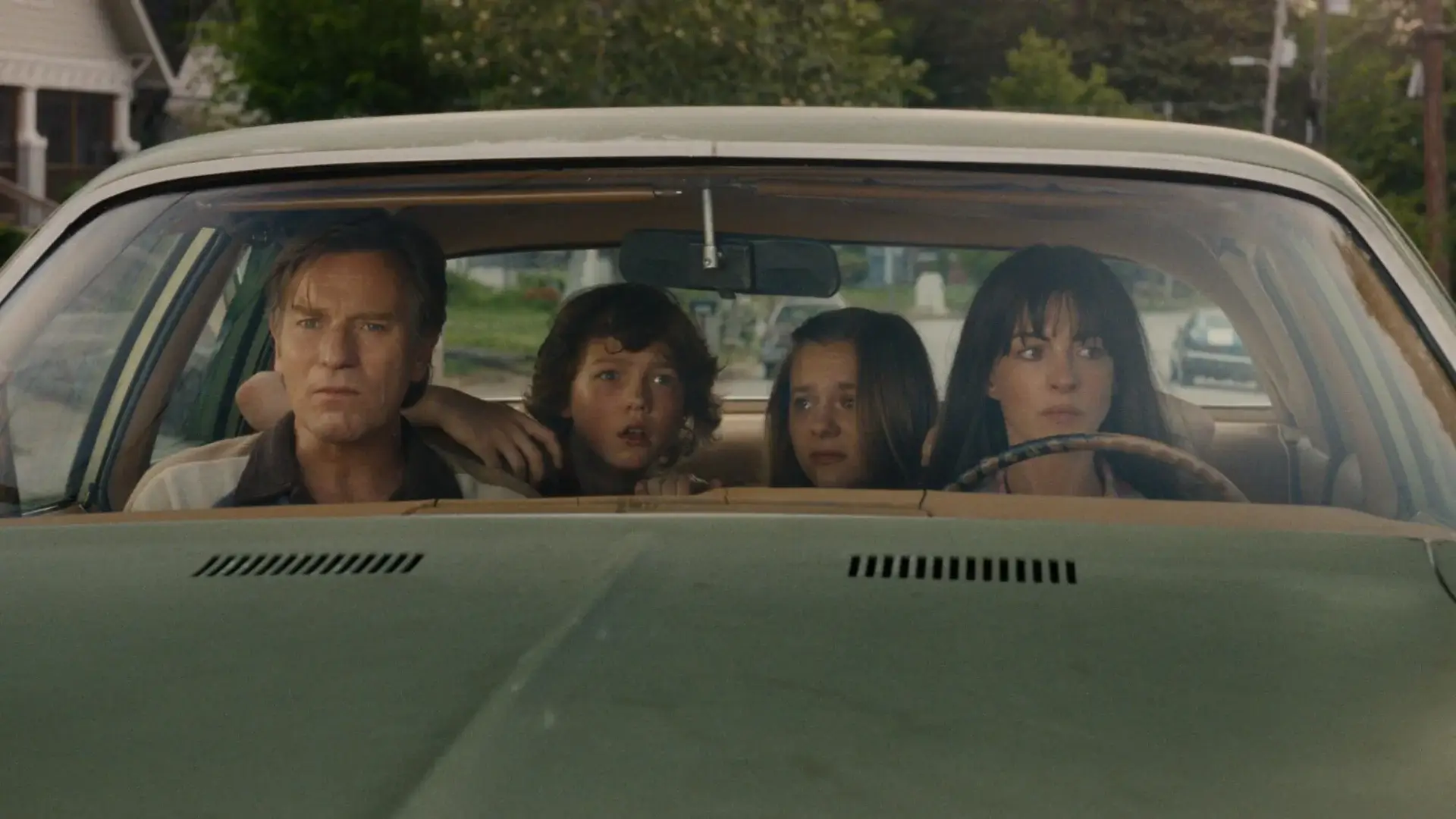
Another problem with the recent films, particularly the Jurassic World franchise, is that they don’t give you characters to really care about. Sure, Chris Pratt’s Owen Grady is an Ethologist we spend three movies with, but whatever goodwill that character has is because the audience is familiar with Pratt and not because of the character’s depth and growth. The End of Oak Street gives the audience a flawed but likable family to root for that feels lived in. You care about them as people and, therefore, you’re rooting for them to survive this ordeal.
The End of Oak Street is a fun survival science fiction film, but it’s truly a family drama at its core. The Platt family is going through it when we enter the story. Denise (Hathaway) and Greg (McGregor) are in a marriage at the end of its rope, but they’re keeping it together as well as they can for the kids. Older sister Audrey (Maisy Stella) is concerned about the family having enough money so she can attend Cornell after graduation (along with feelings of sexual identity that the film alludes to in more subtle ways) while younger brother Brian (Christian Convery) seems to be in that stage of growing up where you’re still a kid, but you’re fighting for some kind of maturity.
Both siblings are equally worried and concerned about their parents because, like most kids, they can tell their marriage is crumbling, no matter how hard they try to hide it. In one of the film’s best scenes, the kids hear their parents having it out in another room as tensions have finally boiled over. It’s an argument and situation so realistic that it goes a long way to making all the players feel like living, breathing human beings.
Some might not want this family melodrama in the middle of their dinosaur action flick. Still, it goes a long way toward grounding them and elevating them beyond being mere movie characters. Everything about their plight is realistic, and since they possess so much depth, it makes it easy to care about them as people, which then makes it even easier to care that they survive until the end.
The Jurassic franchise hasn’t seen character work like this since Sam Neill’s Dr. Alan Grant begins as a man uneasy around children when he’s saddled with Tim (Joseph Mazzello) and Lex (Ariana Richards), but becomes their fiercest protector once all hell breaks loose. The shot of both asleep under his arms is a moment most audiences remember, and it’s one of true character depth and growth. The franchise hasn’t had real character work like this since. It’s cool that Johansson has always wanted to be in a Jurassic movie, but it would’ve been nice to have gotten to know her covert-operations expert, Zora Bennett, beyond the superficial.
Make The Dinosaurs Scary Again
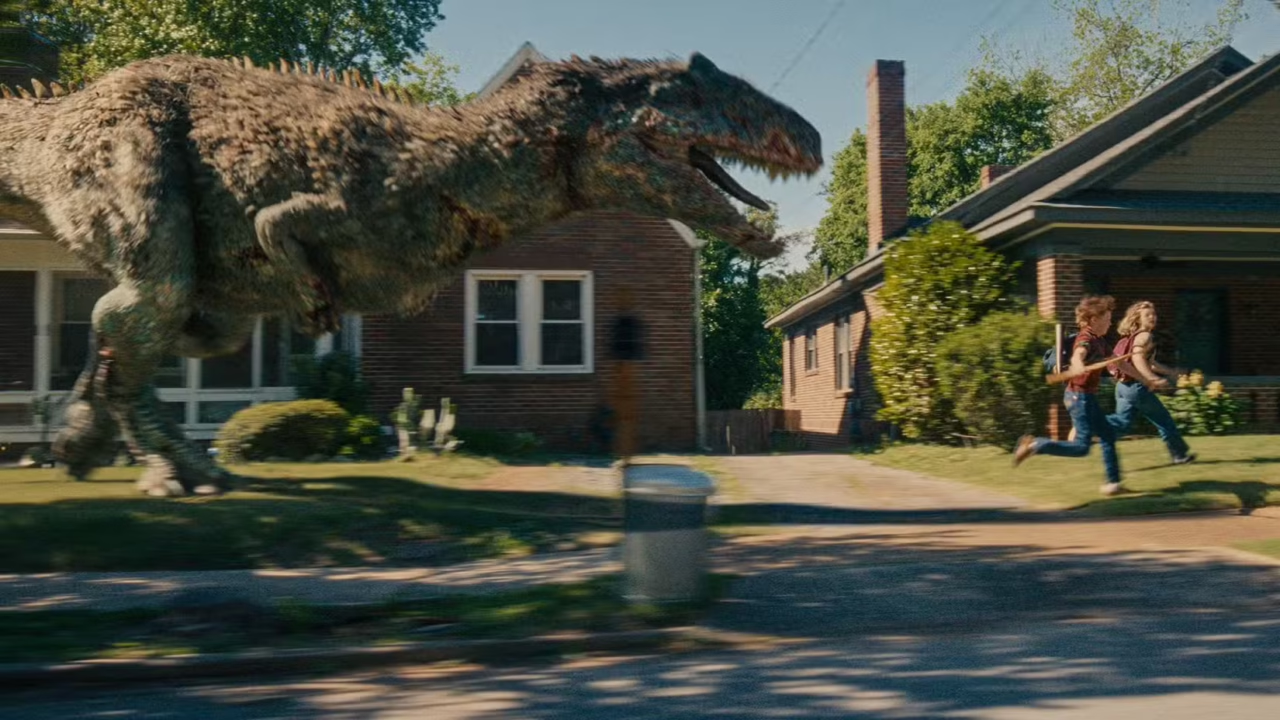
This is the most obvious thing that the Jurassic franchise can learn from The End of Oak Street. The dinosaurs haven’t been scary in the IP since Steven Spielberg brought them back to life. While an argument can be made that the dinosaurs would get less imposing with each entry because the audience is used to seeing them, that doesn’t mean that their intensity can’t still induce fear and panic. No matter how many times we see a T-Rex doesn’t mean we shouldn’t be shaking a bit when we see one. Besides, The End of Oak Street makes the argument that they can no longer be scary fall flat on its face.
The End of Oak Street doesn’t make its prehistoric creatures feel like zoo animals. The threat they pose is very real, and the film isn’t afraid to show the violence and carnage they could cause in a real-life setting. The film pushes the boundaries of its PG-13 rating by showing dinosaurs violently attacking residents, feasting on dead buddies, and devouring limbs. Some of them would be the most violent of creatures, and The End of Oak Street doesn’t shy away from that.
The Jurassic franchise has all been PG-13, and lately they have felt more PG than anything. There doesn’t feel like there is any real danger from the dinosaurs in these films. Instead, the movies have focused on over-the-top creature design by creating mutant or hybrid dinosaurs that look more absurd than scary. Also, even though these new hybrids are described as something to be especially feared, they never reach those heights. Even as I was looking at dinosaurs I didn’t recognize in The End of Oak Street, I was too focused on the ferocity of their attacks to care. They were actually a viable threat.
Will Oak Street Change How The Jurassic Films Are Made?
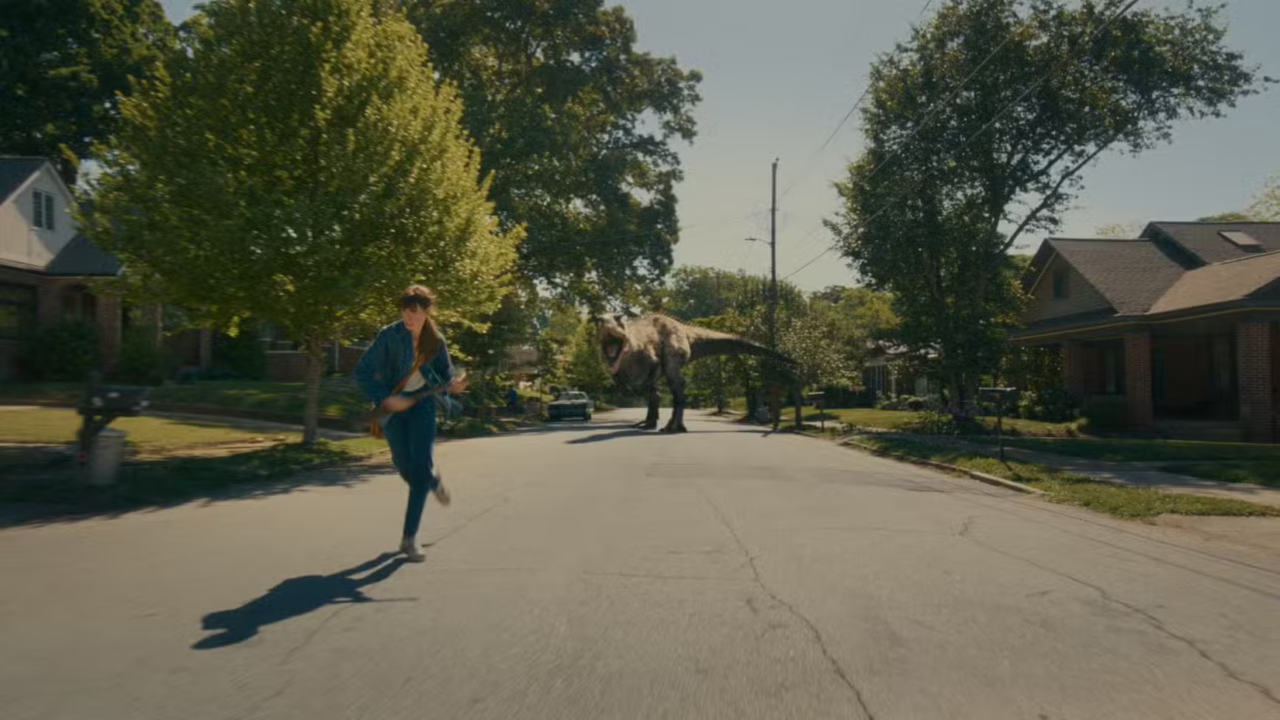
Audiences will no doubt receive more Jurassic films. Gareth Edwards recently stepping down from directing the follow-up to Jurassic World Rebirth over creative differences won’t stop that. The franchise is too lucrative for Universal Pictures, but with the word out there that The End of Oak Street has put some of their recent films to shame (on an $80 million budget, no less), will that make the studio and future creatives go back to the drawing board and think about how to make the IP exciting again?
It’s really hard to tell. Despite a diminished critical reception, the Jurassic franchise has been financially successful and remarkably consistent in that regard. They might feel like, if it ain’t broke, don’t fix it. That being said, audiences are smart, and they’re growing more savvy about not merely accepting everything thrown at them. It might soon become so repetitive that the Jurassic franchise might begin to see diminished financial returns if it doesn’t change course. Needless to say, a trip to Oak Street wouldn’t hurt the Jurassic franchise because it has a thing or two to show them.
The End of Oak Street is now playing in theaters nationwide.
-

Alamo Drafthouse And A24 Announce Year-Long Movie And Merch Partnership
Alamo Drafthouse Cinema has announced a partnership with A24 for merch and movies at the theater chain. The new year-long partnership with the company behind Backrooms, Marty Supreme, and Primetime. The partnership kicks off with Ti West’s Pearl. A24 Cinema Club brings film fans together for a
-
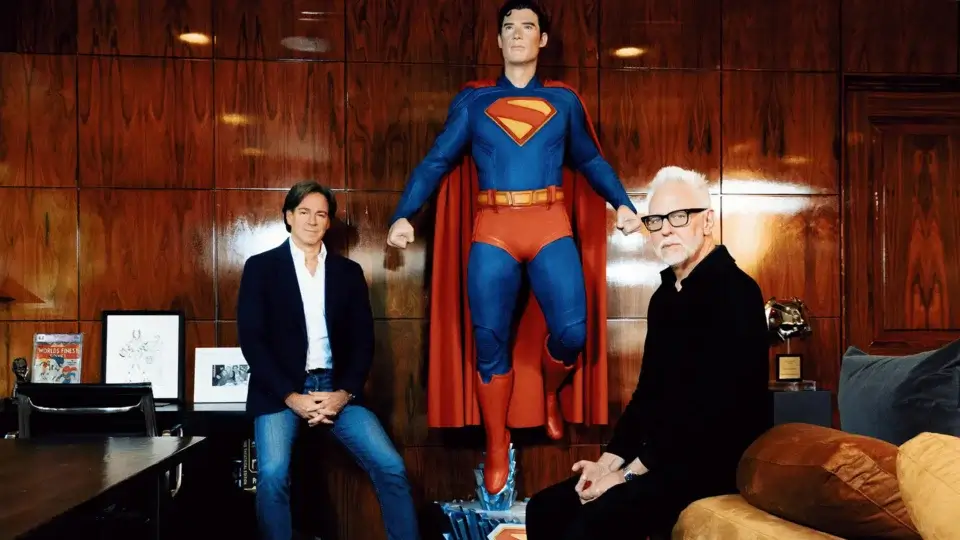
James Gunn, Peter Safran Remain Co-Heads of DC Studios With Paramount-Warner Bros. Merge
The hierarchy of the DC Universe will remain unchanged. For now. With the courts removing the final roadblocks, shake-ups are already reportedly happening with the Paramount Skydance and Warner Bros. Discovery merger closing by Oct. 6. James Gunn and Peter Safran, CO-CEOs of DC Studios, will remain
-
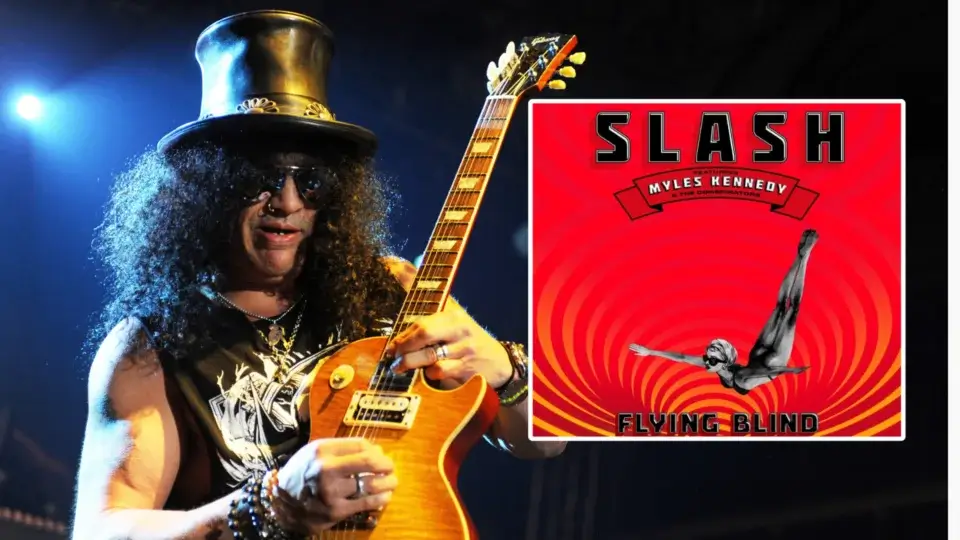
Slash Announces 7th Solo Album: ‘Flying Blind’ – Listen To Title Track
Slash is putting out his seventh solo album, Flying Blind, on February 26th, 2027. The first track and single from the album is ‘Flying Blind’, which you can listen to below. This’ll be Slash’s first new album since 2024’s Orgy of the Damned, which was an album of all blues covers. This is his
-
The Best Movie From Every Decade Of Horror [Fright-A-Thon]
F.W. Murnau’s classic take on Dracula is still one of the most eerie and atmospheric horror movies ever made. Basically, every other horror movie since this one owes a bit to it. Killer stalking victims slowly? That’s Max Schreck going up the stairs. It’s often imitated and might be






Reviews