
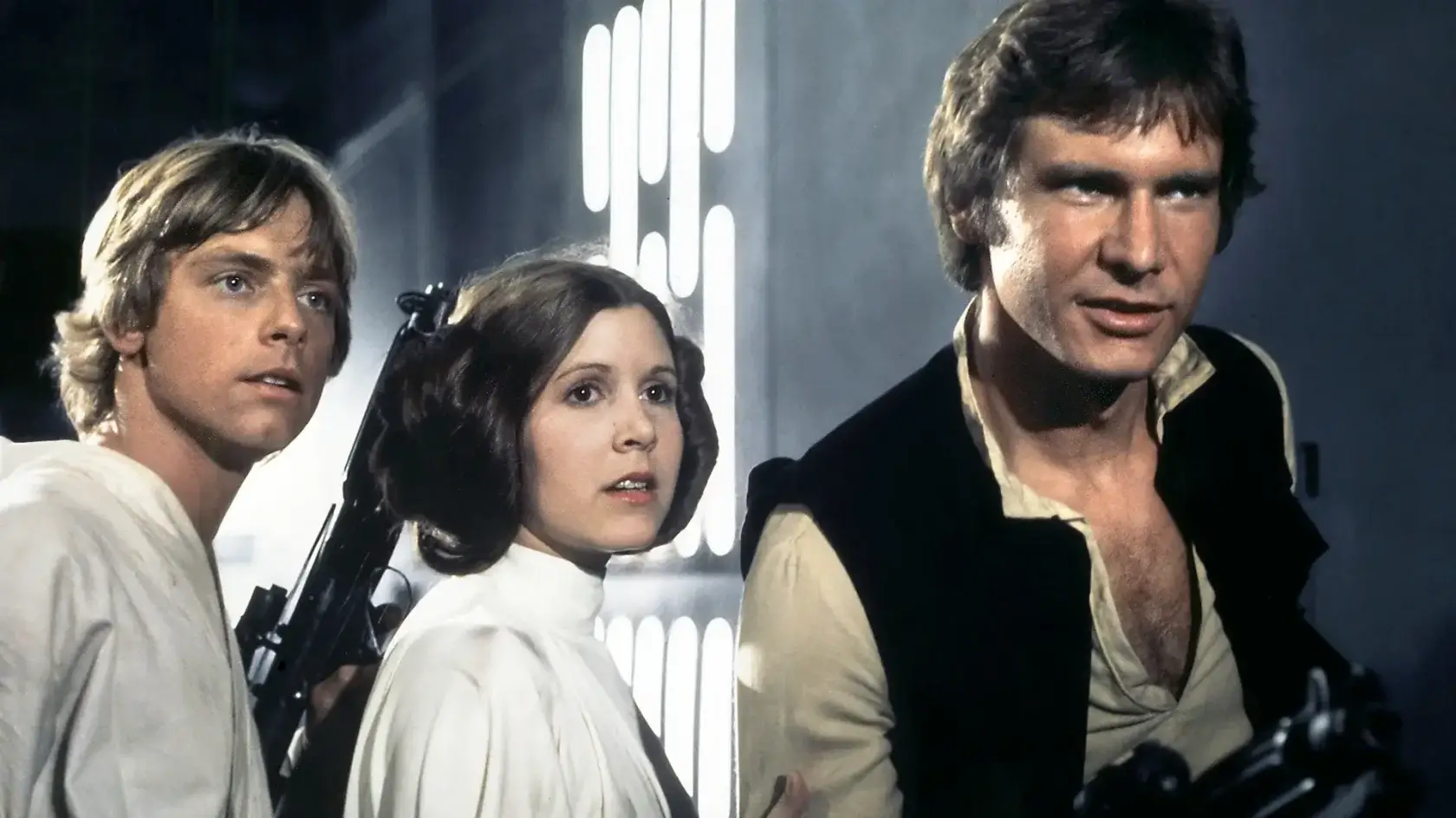
After a long seven-year wait, a new Star Wars film hits the big screen this weekend with the release of The Mandalorian and Grogu. While its presence of Disney+ has been significant in the meantime, fans are likely more than excited to see this IP back in its rightful place with a big theatrical release that is expected to dominate the box office this weekend.
In trueStar Wars fashion, The Mandalorian and Grogu is sure to be the topic of debate, so to go along with what’s sure to be some strong opinions, this felt like the right time to rank the Star Wars movies from worst to best. May the force be with us as we step into Part Two of the list, because anyStar Wars ranking is bound to be looked at under the finest microscope.
6. Star Wars: Episode VII – The Force Awakens (2015)
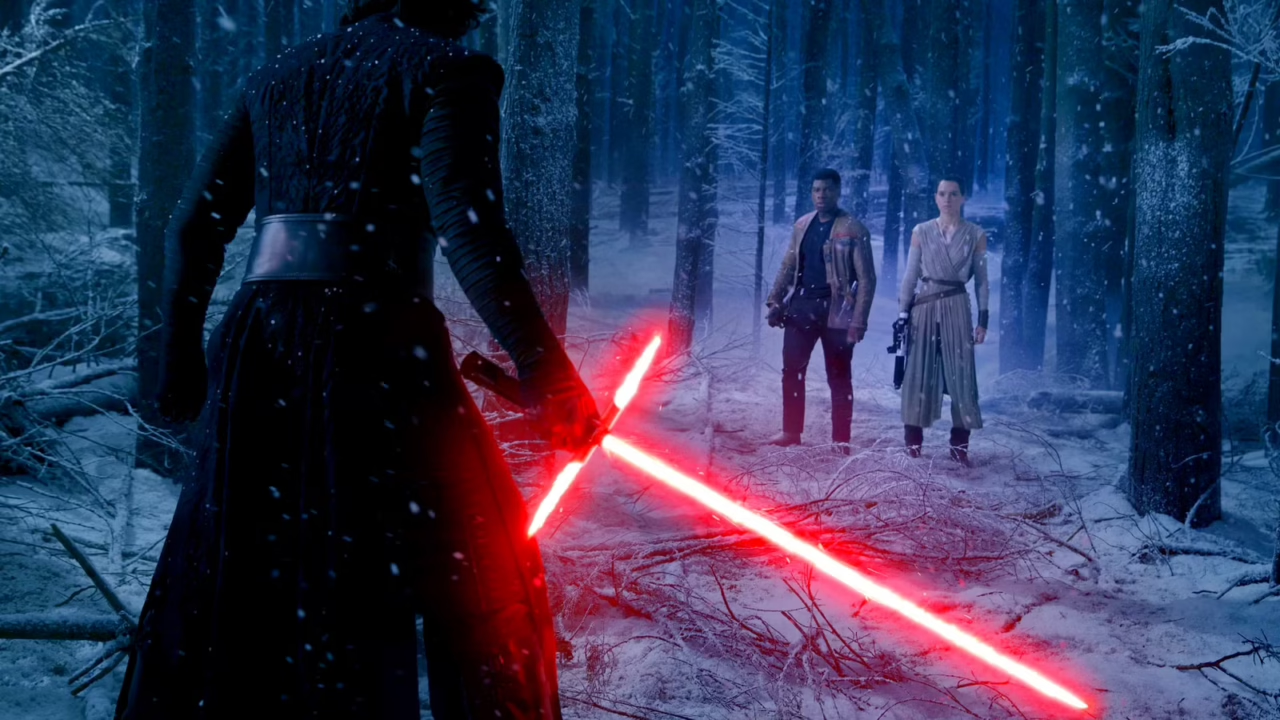
Following the release of the prequel trilogy, which concluded on a solid note with Revenge of the Sith but started a bit rocky, Star Wars fans may have been skeptical of a revival of the IP following Disney’s acquisition, but by stepping heavily into nostalgia and fan service, Star Wars: Episode VII – The Force Awakens became a breath of fresh air that reminded many why they fell in love with this universe to begin with.
Directed by J.J. Abrams from a screenplay he co-wrote with Lawrence Kasdan and Michael Arndt, The Force Awakens is the beginning of the sequel trilogy and serves as the seventh film of the Skywalker Saga. In the film, set thirty years after the events of Return of the Jedi, the audience follows Rey (Daisy Ridley), Finn (John Boyega), and Poe Dameron (Oscar Isaac) as they join forces with Han Solo (Harrison Ford) on his quest to find Luke Skywalker (Mark Hamill). In the midst of their search, they become involved with the Resistance and General Leia Organa (Carrie Fisher) and their fight against Kylo Ren (Adam Driver) and the First Order, the evil successor to the Galactic Empire. Made before legacy sequels were the norm, The Force Awakens is successful because it honors the past and the characters that fans have come to love over the years, while also crafting new characters and stories that made the film accessible to moviegoers discovering the IP for the first time.
The veteran characters don’t feel shoehorned in, and they actually serve the story without merely appearing as cameos. The new arrivals are all compelling enough that the audience is just as invested in their journey. As the three newbies, Ridley, Boyega, and Isaac are instantly likable as they ride in lockstep with returning favorites such as Ford’s Han Solo or Fisher’s Leia. They have the D.N.A. of the characters that fans met in A New Hope, which some viewed as a detriment over time, since The Force Awakens does resemble that film’s flow, but that was necessary to reintroduce everyone to this universe once again. In some situations, fan service can feel cheap, but The Force Awakens mostly escapes that by reminding fans just how much of a fun romp these films can be when they are free of theories and expectations.
Given the fact that this is a reset, the film was able to be free of that until the next entry, when theories and expectations would ultimately lead to fan discourse. Also, strong characterization is served up courtesy of Kylo Ren, who Driver turns into a conflicted and compelling villain that feels different from someone like Darth Vader in terms of execution. It also didn’t hurt that giving him a connection to Han and Leia made for some compelling storytelling that really pays off. If anyone has issues with The Force Awakens, they’re mostly personal.
Some might not like seeing the broken relationships of Han, Leia, and Luke because it undoes their legacy a bit, but given the passge of time, it would be normal for these characters and relationships to be very different. With its fast-paced direction, slick editing, and high-energy action scenes, The Force Awakens’ place on this list isn’t so much about its quality and more about a personal preference of the remaining entries of the franchise.
5. Star Wars: Episode VI – Return of the Jedi (1983)
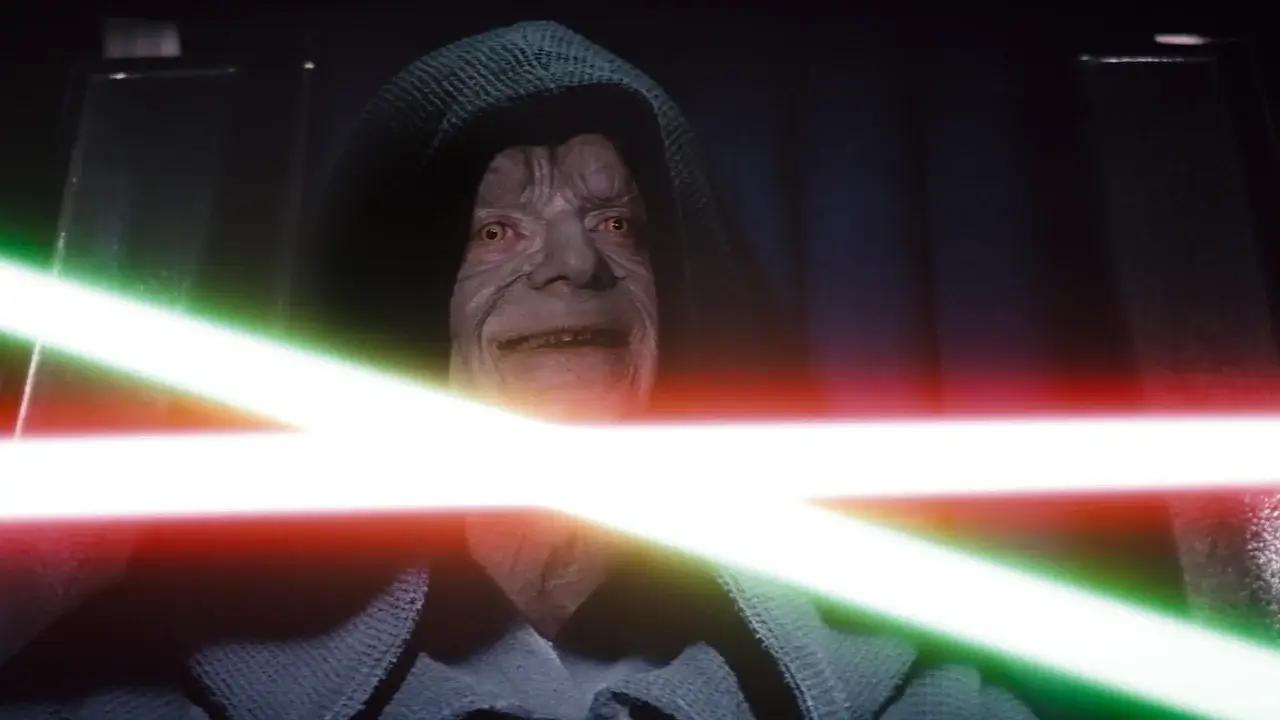
In hindsight,Return of the Jedi had a lot to live up to following grandiose storytelling and execution of The Empire Strikes Back, and perhaps that most pressure wasn’t fair to put on the entry that would close the original Star Wars trilogy as we knew it. While the film doesn’t hit the same heights as its predecessor and feels a bit too family-friendly in spots when compared to the more adult storytelling of The Empire Strikes Back, it’s still a satisfying conclusion that wraps up everyone’s stories in a satisfying fashion while serving up its own memorable moments that have helped shape the franchise.
Directed by Richard Marquand from a screenplay by George Lucas and Lawrence Kasdan, Return of the Jedi follows the battle between the Galactic Empire and the Rebel Alliance as the Rebels attempt to destroy the second Death Star. As this battle rages on, Luke Skywalker (Mark Hamill) also attempts to draw his father, Darth Vader, away from the dark side of the Force as the Emperor (Ian McDiarmid) becomes more of an evil presence that wishes to prevent it. Sure, a lot of Return of the Jedi feels repetitive to what we’ve seen before, especially with the construction of the second Death Star, but it also feels logical to end in a place where the saga began. There are also issues with the film’s pacing at the start.
Rescuing Han and Leia from Jabba’s Palace, while a signature of the franchise and still a bit of fun, goes on a bit too long and takes time away from the more compelling aspects of the story. Other controversies, such as the kid-friendly Ewoks and the sibling reveal of Luke and Leia, are still heavily debated and provide some issues, although the former still stands taller than the kid-friendly attempt of Jar Jar Binks in The Phantom Menace. In the end, these are minor tidbits in comparison to what really makes the film ultimately satisfying. Luke’s growth from the first film to this installment is one of the movie’s best elements as Hamill convincingly portrays Luke as someone who has grown confident as a fully trained Jedi who has embraced his destiny.
This makes all of his scenes later in the film with Vader and the Emperor more palpable because he feels like he’s on an even playing field with them as they match wits in some of the franchise’s best moments. It would be hard to top Luke and Vader’s confrontation in The Empire Strikes Back which leads to a big revelation but Return of the Jedi does its best match that pitch as the climax embraces something more poignant than combat. This isn’t just a battle of good vs. evil. It’s also a fight for Vader’s soul that provides a much more personal payoff. Everything in the Throne Room is as epic as this franchise gets and tops the other intercutting battles taking place on the ground and in space.
While The Empire Strikes Back was the stark reality of having the heroes lose, Return of the Jedi represents a triumphant return of hope and redemption as the heroes do what it takes to vanquish evil. It’s a fitting conclusion for all the primary players that feels earned and hopeful following the epic journey the original trilogy took us on.
4. Rogue One: A Star Wars Story (2016)
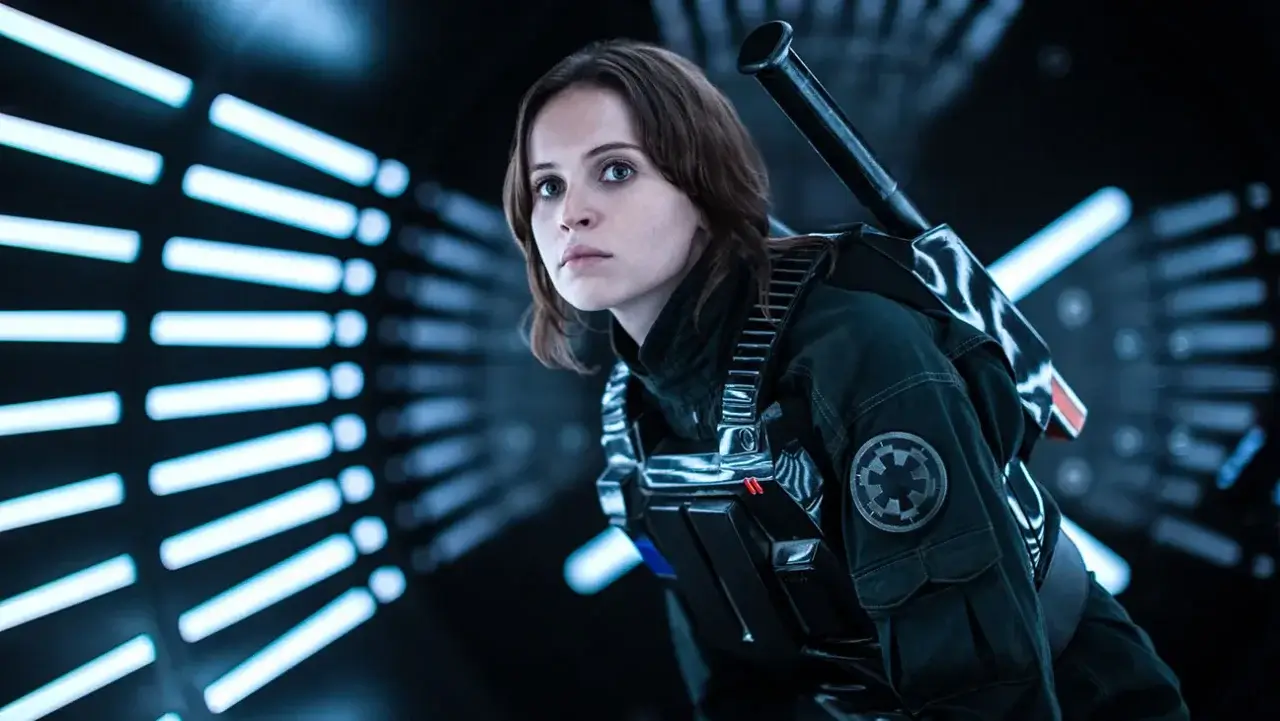
The best thing to come out of the Disney-released Star Wars movies has been Rogue One: A Star Wars Story, which successfully grounded the space opera into something more gritty that also satisfies without an overabundance of familiarity (other than a very epic appearance from Darth Vader). Directed by Gareth Edwards from a screenplay by Chris Weitz and Tony Gilroy, Rogue One: A Star Wars Story is set a week before the events of A New Hope and focuses on the rebels as they steal the schematics for what will become the Death Star, recalling the Rebial Alliance’s first substantial victory against the Empire as referenced in the opening crawl of the first film.
Not sinceThe Empire Strikes Back has a Star Wars movie felt more gripping and adult. Rogue One mostly does away with the more fantastical elements of the franchise to embrace a more grounded war film that also has elements of a heist picture, which allows this entry to feel wholly more original when compared to the rest of the big screen IP. It’s also a nice change of pace to not follow individuals powered by the light or dark side of the force and just regular people trained to be the very best. Felicity Jones’ Jyn Erso and Diego Luna’s Cassian Andor represent a new type of leading presence that grounds them more in reality and makes their victories and sacrifices more emotionally potent.
This turns out to be the most surprising thing about Rogue One because, for a franchise that has resisted shying away from what’s familiar, it was refreshing to get an entry that took a chance embracing something new, which proved to pay off. Rogue One also serves as a perfect lead-up to the events of A New Hope, which makes the viewing of that film hit much differently than it had before. It essentially feels integral to the lore of the franchise and never feels forced into the narrative (it even goes as far as to explain a plot hole in A New Hope regarding the weakness of the design of the Death Star).
That’s not to say that nostalgia isn’t on display, because seeing Darth Vader on the big screen again proves to be truly epic, and the hallway scene at the end of the film remains a franchise all-time moment. Rogue One is ultimately the franchise at its most human and a reminder of how powerful the IP can be when the stars align.
3. Star Wars: Episode IV – A New Hope (1977)
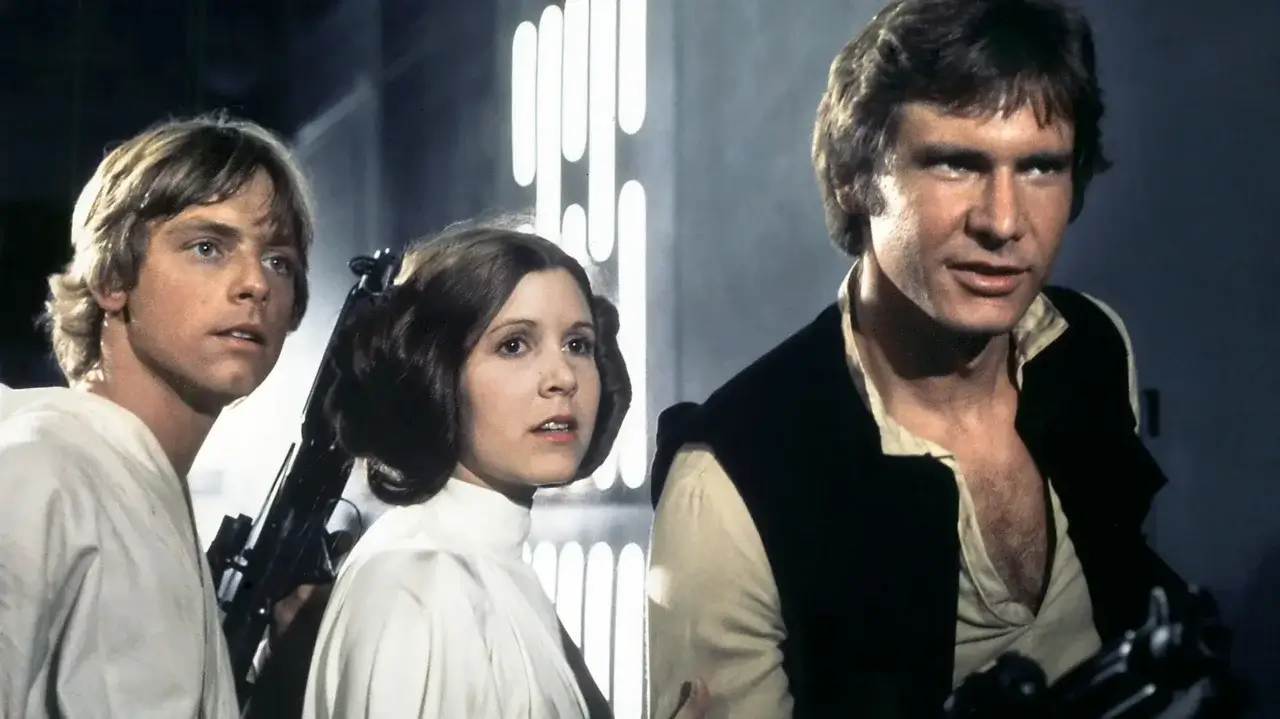
No matter how the prequels may have shaped everyone’s view of George Lucas as a filmmaker, his legacy can’t be denied because his eye for universe building gave the world Star Wars, and he was deep in his creativity when he conceived Star Wars: Episode IV- A New Hope, the beginning of the ultimate hero’s journey that is timeless in its execution that would become the ultimate blueprint for many blockbusters that would follow.
Written and directed by Lucas, Star Wars: Episode IV – A New Hope follows the resistance movement known as the Rebel Alliance that is under the rule of the Galactic Empire. The goal of the Rebel Alliance is to destroy the Death Star, the Galactic Empire’s ultimate weapon of destruction, and its stolen architectural plans fall into the hands of a young Luke Skywalker (Mark Hamill), who is destined for more as he learns the power known as “the Force” from Obi-Wan Kenobi (Alec Guinness), a wise Jedi Master. Lucas’ ability to world-build is brilliant, and it’s a stroke of genius that he drops audiences in the middle of a bigger story without making anyone feel as if they had missed something. There is something very present about ANew Hope that allows it to feel like a singular journey, and yet the scope is big enough to hint at something much bigger.
Through Luke Skywalker, the audience is given the perfect protagonist because he’s likable and ordinary, beginning as a mere farm boy who longs for more, as we begin to track his growth to fully realize his potential as a hero destined to change things for the better in the galaxy. Also of note is how lived in the world feels that Lucas has created. It’s easy to tell that time and effort went into creating this universe without an overabundance of explanation (something the prequels would suffer from, unfortunately). The audience is meant to feel the world that sprang from Lucas’ mind, and it succeeds so well because it engages the deepest parts of our imagination.
Everything about A New Hope seems to be thought of with the most meticulous detail, including the most substantial supporting characters like the instantly iconic Han Solo (Harrison Ford), or even the more creative side characters that have continued to be fan favorites like Chewbacca (Peter Mayhew), C-3PO (Anthony Daniels), and R2-D2 (Kenny Baker). Lucas also deserves credit for creating a female character like Princess Leia (Carrie Fisher) who was given strength and agency rather than being made a damsel in distress or an object of male desire during a time when that was the norm for most women in action-driven films. Then there is the creation of Darth Vader (David Prowse providing the body while James Earl Jones provides his commanding and booming voice), a villain for the ages that would change how villains were conceived moving forward.
A New Hope is an adventure that stands alone in the best way from its fun intergalactic battles to John Williams’ instantly recognizable score, but also sets in place what will become one hell of an epic journey that has satisfied fans for decades.
2. Star Wars: Episode III – Revenge of the Sith (2005)
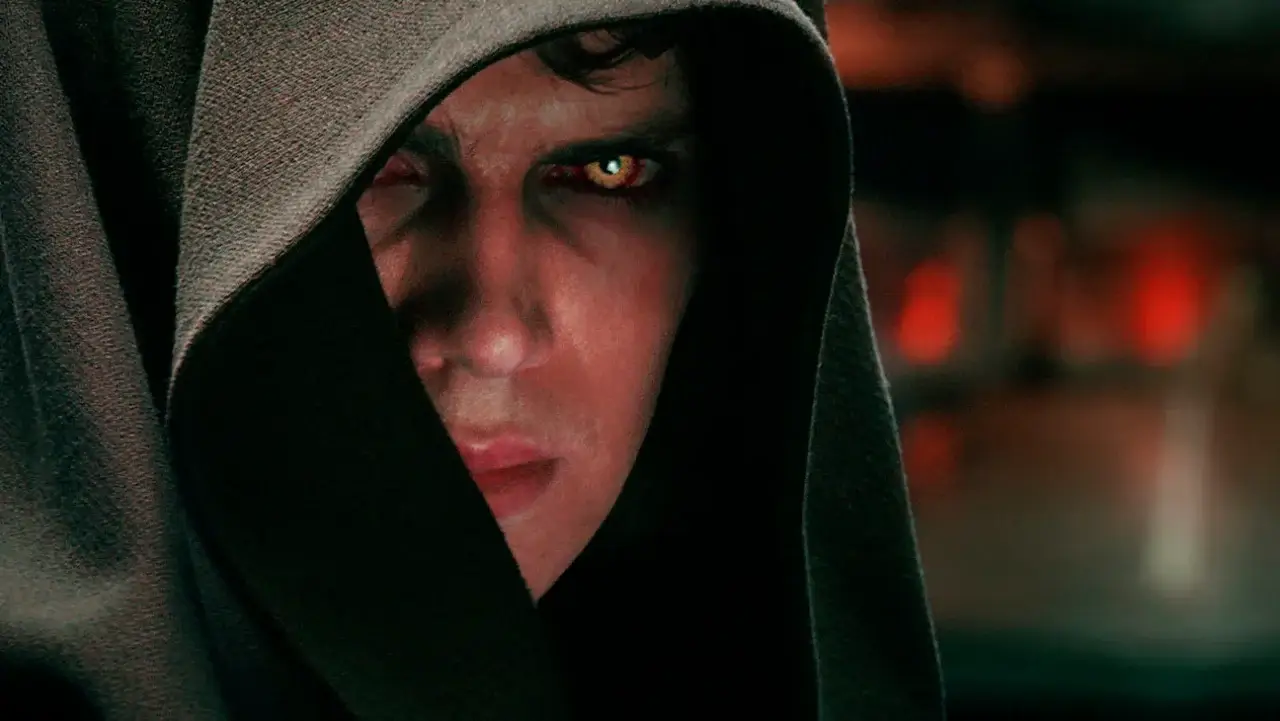
After The Phantom Menace didn’t live up to all of its promise and Attack of the Clones disappointed further, it would’ve been easy to think that the final entry of the prequel trilogy wouldn’t stick the landing but George Lucas saved the best for last withStar Wars: Episdoe III – Revenge of the Sith, a film that more than makes up for what came before it by giving fans an epic and tragic conclusion to Darth Vader’s origin story. Written and directed by Lucas, Star Wars: Episode III – Revenge of the Sith is set three years after the beginning of the Clone Wars and fully realizes the rise of the Galactic Empire and Darth Sidious (Ian McDiarmid) as he makes a successful attempt to finally turn Anakin Skywalker (Hayden Christensen) to the dark side of the Force.
What’s interesting about Revenge of the Sith is that it suffers from some of the problems that plagued the first two films of the prequel trilogy (the dialogue is very clunky and some of the acting is very wooden), but there is an urgency that permeates throughout the film because the audience knows the darkness that is ahead. Making that all the more interesting are the circumstances that lead us there, and seeing the manipulation of Anakin, who has so much good in him, is all the more tragic because Darth Sidious can tug at the insecurities within him that ultimately unleash the evil deep in his soul. It’s the impending feeling of doom and dread that makes Revenge of the Sith a compelling watch, and the fact that happiness in the film is minimal, much like in The Empire Strikes Back, makes this a dark and daring entry that shows Lucas is capable of storytelling that can grip the audience.
The emotional stakes are higher, and every story has a satisfying payoff. The emotionally charged battle on the lava planet Mustafar between Anakin and Obi-Wan (Ewan McGregor) proves to be the film’s best moment, not only as a visual and action-fueled set piece, but because of the emotional weight behind it. The pupil is engaged in battle with his master, falsely believing in his betrayal, while his master has the agonizing task of taking down his pupil because he decides to embrace his dark side. Throw in Obi-Wan’s own crushing disappointment that he failed Anakin, and you get the essential blueprint of how to tell an epic story with a huge emotional payoff that resonates.
Also, Christensen deserves his flowers here because after a rough start in Attack of the Clones, he’s given much meatier material to bite into that leads to a much stronger performance that the naysayers should focus on rather than his arrival in this film’s predecessor. Are there issues? Sure, there are, but all is forgiven when the payoff is this good. You’re left broke after Revenge of the Sith, with the only hope being that you know this isn’t the end of the story and only the beginning.
1. Star Wars: Episode V – The Empire Strikes Back (1980)
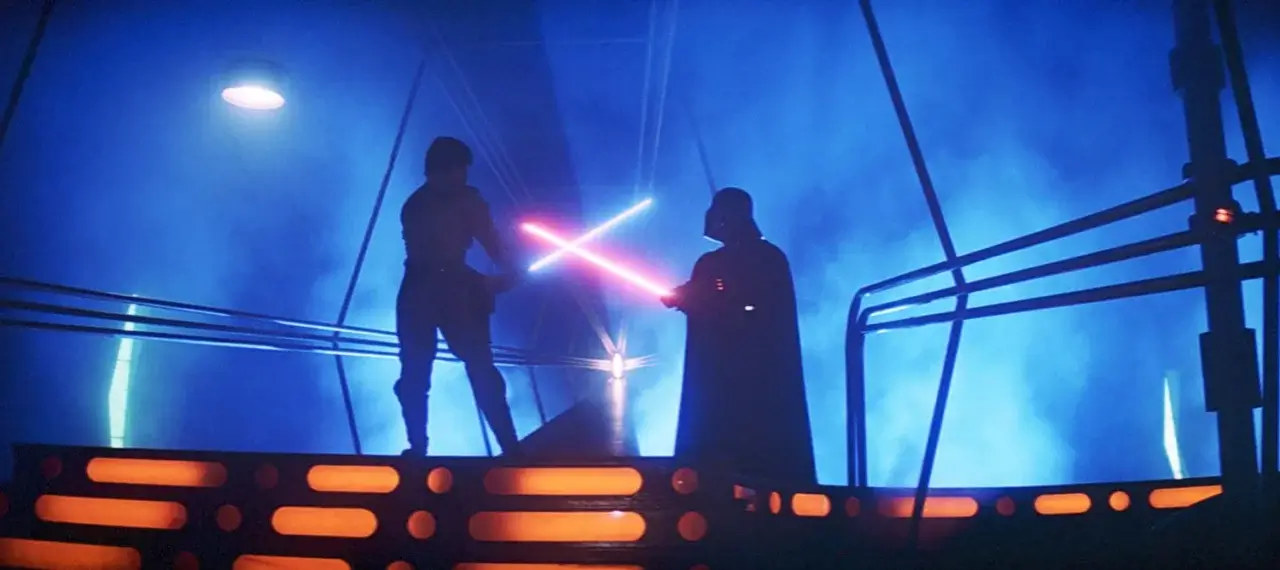
Sometimes you can just tell when the stars align to make a perfect movie and that is exactly what happens as you watch Star Wars: Episode V – The Empire Strikes Back, a masterpiece of filmmaking and storytelling that has set the standard for future blockbusters that dared to go against the status quo by allowing the villains to win and pulling the rug from underneath moviegoers expecting a neatly wrapped up conclusion.
Directed by Irvin Kershner from a screenplay by Leigh Brackett and Lawrence Kasdan, which was based on a story by George Lucas, Star Wars: Episode V – The Empire Strikes Back is set three years after the events of A New Hope and continues the story of the battle between the Galactic Empire and the Rebel Alliance with the Empire going on a major offensive that puts our heroes in imminent danger. Meanwhile, Luke Skywalker (Mark Hamill) has gone off to train with Yoda (Frank Oz) to further master the Force. Everything about The Empire Strikes Back is grounded in a deeper and more emotional sense of storytelling that allows it to feel tonally different from A New Hope and allows it to stand out as a more substantial chapter of the franchise’s journey. The character arcs, in particular, are more palpable.
From Luke struggling as a Jedi-in-training to the growing romance between Han (Harrison Ford) and Leia, which is not only fun and flirty but ultimately hits the essential emotional beat once the stakes rise and Han is frozen in carbonite. The growth in terms of storytelling and the deepening relationships of the characters is strongly felt, and it can be debated who this can be attributed to. Lucas didn’t direct the film or write the film’s screenplay, but he did conceive the story, so it turns out to be a perfect storm of all the talents involved, although Lucas’ story credit should be given even more praise because the universe-building he showcased in A New Hope is evident here, and that has to be attributed to the IP’s creator.
As if the world that emerged from his imagination wasn’t enough in the first film, it continues to grow even richer with beautifully rendered Cloud City being a huge standout, while the swampy world of Dagobah is given its own distinct identity that proves Lucas is a master at creating a unique space for these characters to live in. This is made even more evident with the introduction of new characters that have become iconic, such as Yoda, the charismatic Lando Calrissian (Billy Dee Williams), and the deadly bounty hunter Boba Fett (Jeremy Bulloch). However, the biggest stroke of genius comes as the film draws to its climax. Not only is the first encounter and lightsaber fight between Darth Vader and Luke Skywalker a masterful visual spectacle courtesy of cinematographer Peter Suschitzky, but it leads to a reveal and emotional payoff that remains one of the best in cinematic history. No matter how many times you hear, “No, I am your father,” it’s impossible not to get goosebumps.
Then there was the bravery of ending the film on such a down note that definitely wasn’t the norm for Hollywood blockbusters back in the day. Everything is uncertain, and our heroes are left broke and scattered. This is not how you typically end a movie like this, but this only served to raise the stakes and leave the audience wanting more. The Empire Strikes Back is not only the best Star Wars film, but it’s also one of the best films ever made that continues to be a master stroke of epic storytelling.
The Mandalorian and Grogu is now playing in theaters nationwide.


Reviews