
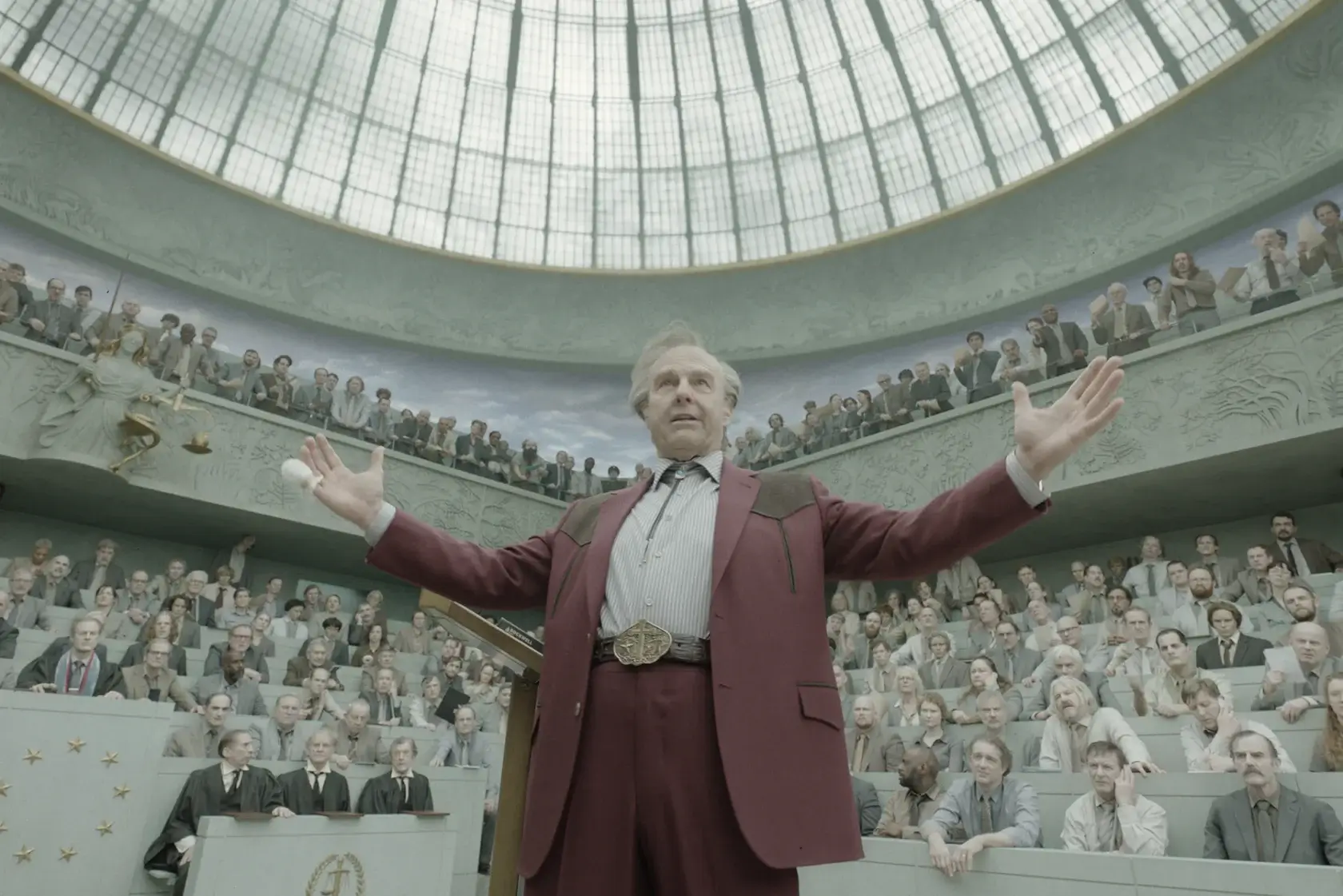
When it comes to the film industry, there is no denying that Tom Cruise remains one of our biggest movie stars. From the time he broke out in Risky Business, it was clear that he had an infectious, magnetic charm that ultimately progressed into an incredible range that, despite all of his success, feels underrated in some circles. It’s not easy to be the straight man like he effortlessly portrays in Rain Man, but he holds his own in that capacity against the more scene-stealing role occupied by Dustin Hoffman. When just about everyone said he was wrong for Interview with the Vampire, his turn as Lestat silenced them instantly. Questioning whether or not he can be funny?
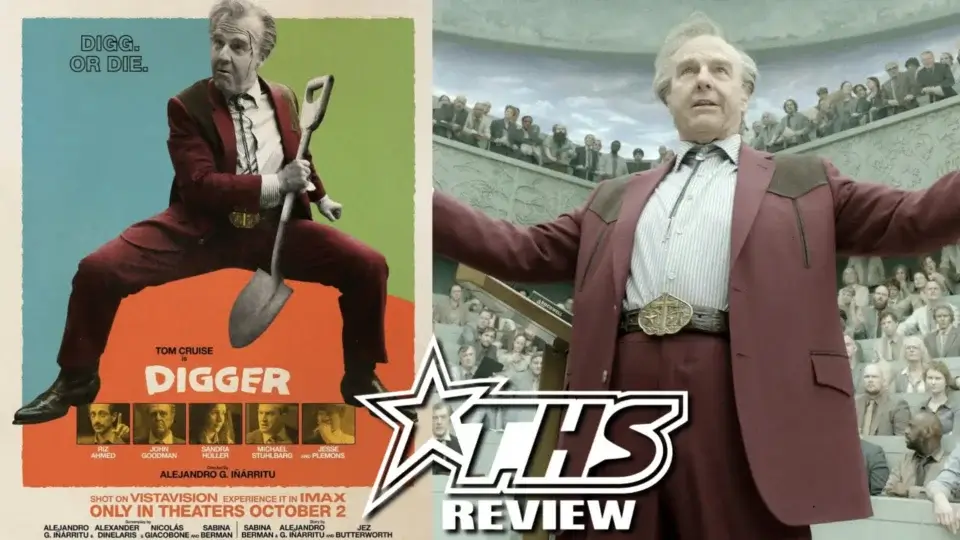
Look no further than Tropic Thunder. Want a bona fide action star? Arguably no one has done it better. What comes through in all of his performances is a love for the craft. Cruise will do anything to push the industry forward and, in all honesty, he’s probably Hollywood’s biggest and best spokesperson. Legitimately, he’s one of the best at what he does, and with Digger opening this weekend, he seems to be proving again that he’s an actor who takes chances. The reviews might be polarizing, but what most agree on is that it’s the best work he’s done in years and, at 64 years old, he isn’t done challenging himself. So, as the latest Cruise release hits the big screen, it’s time to take on the daunting task of breaking down his five best performances ever.
Honorable Mention: Dr. Bill Harford in Eyes Wide Shut (1999)
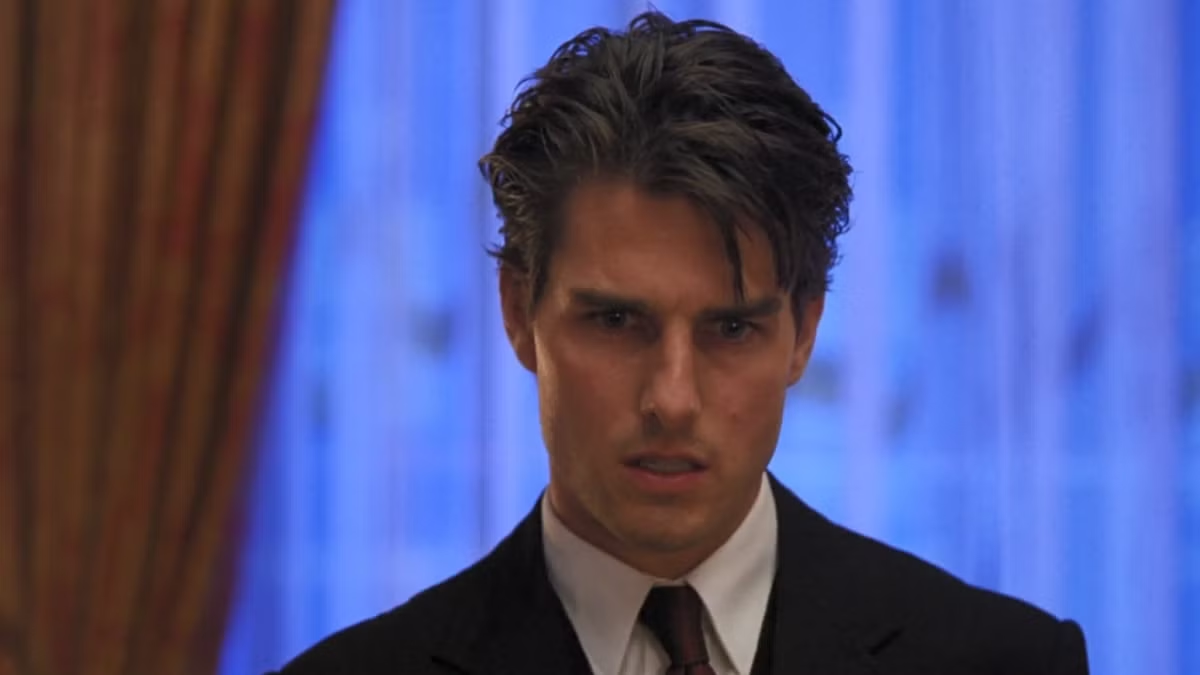
Tom Cruise approaches most roles with an assured self-confidence, so it’s interesting to see him let down those walls a bit and show a more vulnerable side that allows insecurity to break down the facade. That’s exactly what he does as Dr. Bill Harford in Eyes Wide Shut, portraying a character who is losing control as his relationship, as he knows it, has been hiding some serious truths. Directed by Stanley Kubrick and from a script he co-wrote with Frederic Raphael, Eyes Wide Shut is based on the 1926 novella Dream Story by Arthur Schnitzler and follows Manhattan doctor Bill Harford (Cruise), who is shocked to learn that his wife, Alice Harford (Nicole Kidman), has contemplated cheating on him.
While Bill Harford begins the film with an inflated ego, that is all destroyed once he learns that his wife has been harboring secret desires that don’t include him. Cruise, as a real-life personality, seems guarded, despite an openness he has become a pro at displaying, so his portrayal of a character whose insecurities have to be laid bare allowed him to tap into another level of his talents we don’t always see. Perhaps because he was working with an auteur such as Kubrick, Cruise was allowed to be more vulnerable. The director utilizes his movie-star wattage to great affect by demonstrating how men with this much perceived cockiness hide a level of fragility that’s just waiting to be exposed.
Kidman may have the more showy role of the two, especially during their big scene together, but it’s how Cruise reacts to the things happening to him as he goes on this dreamlike journey through New York. You see someone who is stifled by their moral crisis, and Cruise carries it with an honesty that works because it took him out of his comfort zone at the time.
5. Vincent in Collateral (2004)
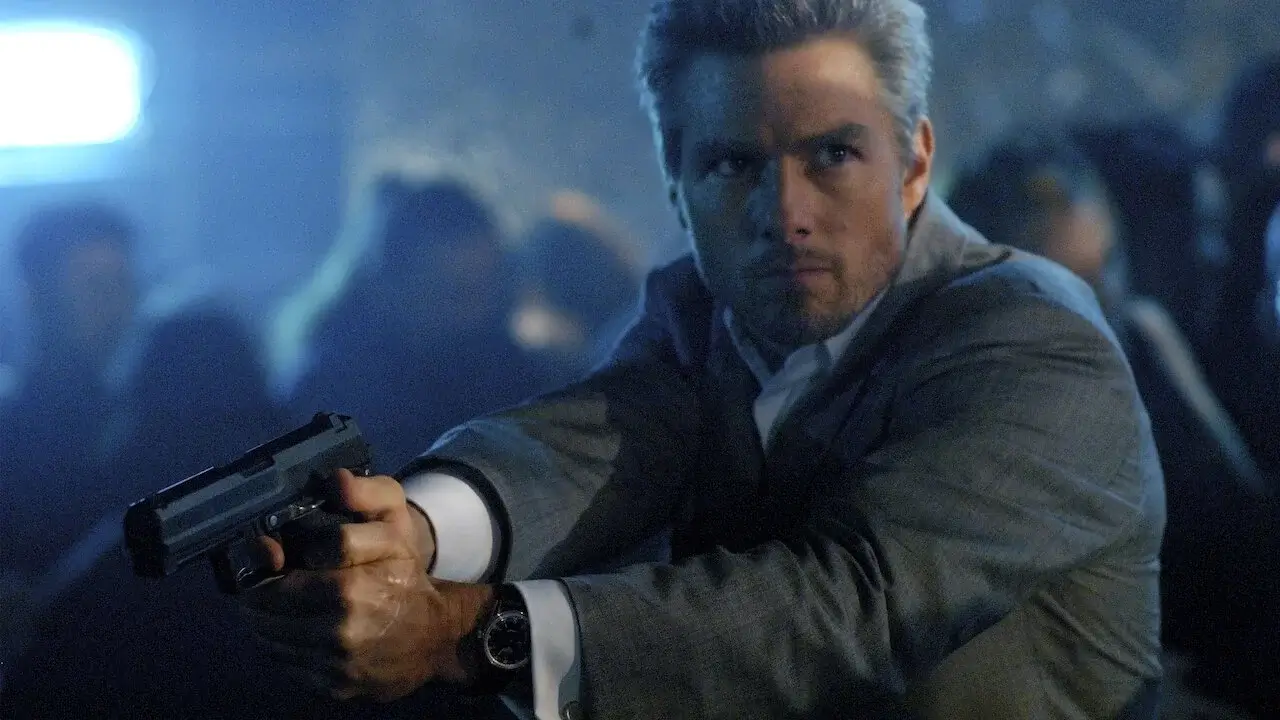
Cruise has mostly portrayed good guys, but when he goes bad, he goes way bad, proving that he tends to be at his best when he’s up to no good. His portrayal of Vincent in Collateral is cool, calculated, and menacingly charming. He makes you believe in how lethal Vincent is, and there isn’t a hint of Cruise’s persona to be found. Directed by Michael Mann and written by Stuart Beattie, Collateral follows a Los Angeles cab driver named Max Durocher (Jamie Foxx), who picks up a mysterious customer named Vincent (Cruise) after he offers him a high fare for driving to several different locations.
However, after Max agrees, he soon finds himself being taken hostage by Vincent, who turns out to be a hitman on a killing spree. The brilliance in Cruise’s performance as Vincent is how he weaponizes his real-life good-guy persona. It’s so unexpected that he’d be so cold and relentless, but his natural charm disarms the viewer at first, much like it disarms Max before he realizes what Vincent has pulled him into. Also of note is how much Cruise disappears into the role. With gray hair and a distinct salt-and-pepper look, Cruise allows himself to convey quiet menace through his look and his actions, making Vincent such a memorable role the moment he enters the film. Then there is his chemistry with Foxx.
The two actors build a rapport that turns into a psychological dynamic that morphs into an offbeat respect for each other as the situation grows more intense. Cruise’s turn in Collateral is proof that not all villain turns need to be foaming-at-the-mouth caricatures. Sometimes it’s the quiet, self-assured villainy that is far more effective.
4. Lestat de Lioncourt in Interview with the Vampire (1994)
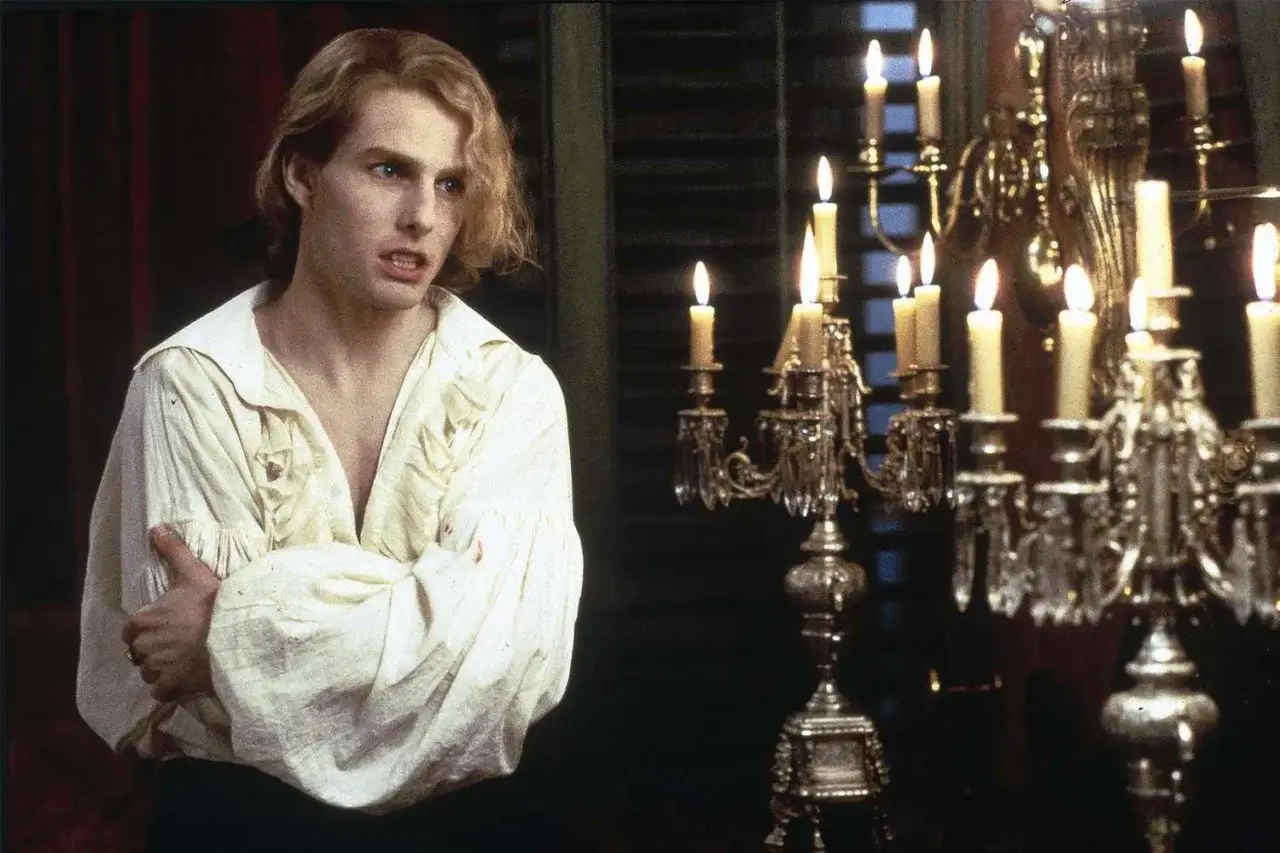
Sometimes, when everyone is saying you can’t do something is when you put in some of your best work simply to prove them wrong. When it came down to the role of Lestat in Interview with the Vampire, author Anne Rice and the studio wanted Daniel Day-Lewis, and when he turned it down, Cruise expressed a strong interest in the part that led to her criticizing him greatly once his casting was finalized. Then the movie came out, and Cruise’s fully committed and sadistically seductive performance blew away critics and audiences alike, along with Rice, who changed her tune after she saw the finished film. Directed by Neil Jordan and written by Rice, Interview with the Vampire is based on her 1976 novel of the same name and follows Lestat (Cruise) and Louis (Brad Pitt), beginning with the latter’s transformation into a vampire by Lestat in 1791.
The story tracks their time together through a narrative framed by a modern-day interview where Louis tells his story to a San Francisco reporter (portrayed by Christian Slater). Cruise’s performance is strong in the film because he approaches it with zero machismo. He embraces the period piece aesthetic but don’t let the ruffled shirts and long, flowing blonde hair fool you. Cruise also embraces the dangerously sadistic nature of the character and conveys a bloodlust so insatiable that he easily dominates the first half of the film. His presence is so strong that it’s easy to forget that he’s a supporting player to Pitt’s Louis. When he’s missing for a good 40 minutes of the movie, his absence is felt. Perhaps it’s because the role was so different from what he was doing at the time, but his portrayal is lively, deliciously evil, and even a bit haunted, as Lestat’s disturbed persona allowed Cruise to tap into a different side of his natural charisma.
However, the best thing about his performance is how he conveys how tortured Lestat is. He’s depraved and cruel because he’s steeped in his own loneliness and trauma, which makes him want others to tap into their depravity so he’s not alone in his. Through all the theatrics, Cruise allows that to shine through. Perhaps he found something much more relatable in Lestat that drew him to the role.
3. Sergeant Ron Kovic in Born on the Fourth of July (1989)
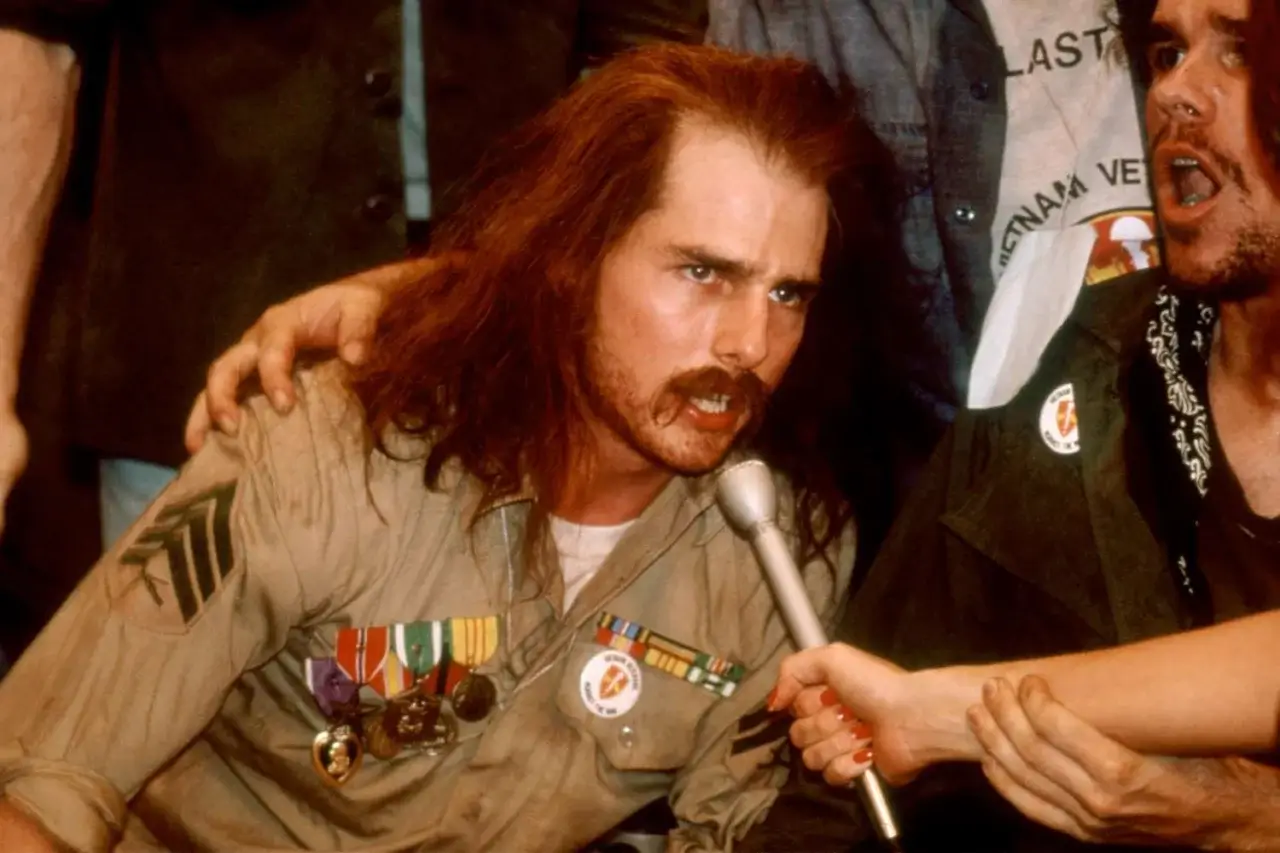
Cruise had proven himself to be a charismatic performer who starred in successful films, but it likely wasn’t until 1989’s Born on the Fourth of July that he proved to critics and audiences alike that he was a truly talented actor. In his review, Roger Ebert wrote, “Nothing Cruise has done will prepare you for what he does in Born on the Fourth of July…His performance is so good that the movie lives through it. Stone is able to make his statement with Cruise’s face and voice and doesn’t need to put everything into the dialogue.” The film showcased that Cruise could go to great emotional depths as an actor and give a shattering portrayal so raw that it comes pouring out of the screen.
Directed by Oliver Stone from a script he co-wrote with Ron Kovic, Born on the Fourth of July is based on Kovic’s 1976 autobiography and depicts his life (as portrayed by Cruise) over 20 years, culminating with his military service and paralysis during the Vietnam War and his subsequent transition to anti-war activism. Cruise’s performance in Born on the Fourth of July is transformative, and he utilizes his natural earnestness early in the film to convey Kovic’s blind patriotism and then completely morphs it into a believable transition of a man broken mentally and physically by his experiences.
His most gut-wrenching scene sees him lashing out at his mother (Caroline Kava) in a drunken rage about his disability and his lost youth, with it all ending in a truly emotionally harrowing moment as he collapses into tears in his father’s lap. It’s intensely vulnerable, with Cruise tapping into the deepest part of his soul to showcase Kovic’s pain and uncertainty about his new life in the wake of his current circumstances. Cruise earned his first Best Actor Oscar nomination for his role, solidifying that not only was he a charismatic, burgeoning movie star, but he was also a force to be reckoned with.
2. Jerry Maguire in Jerry Maguire (1997)
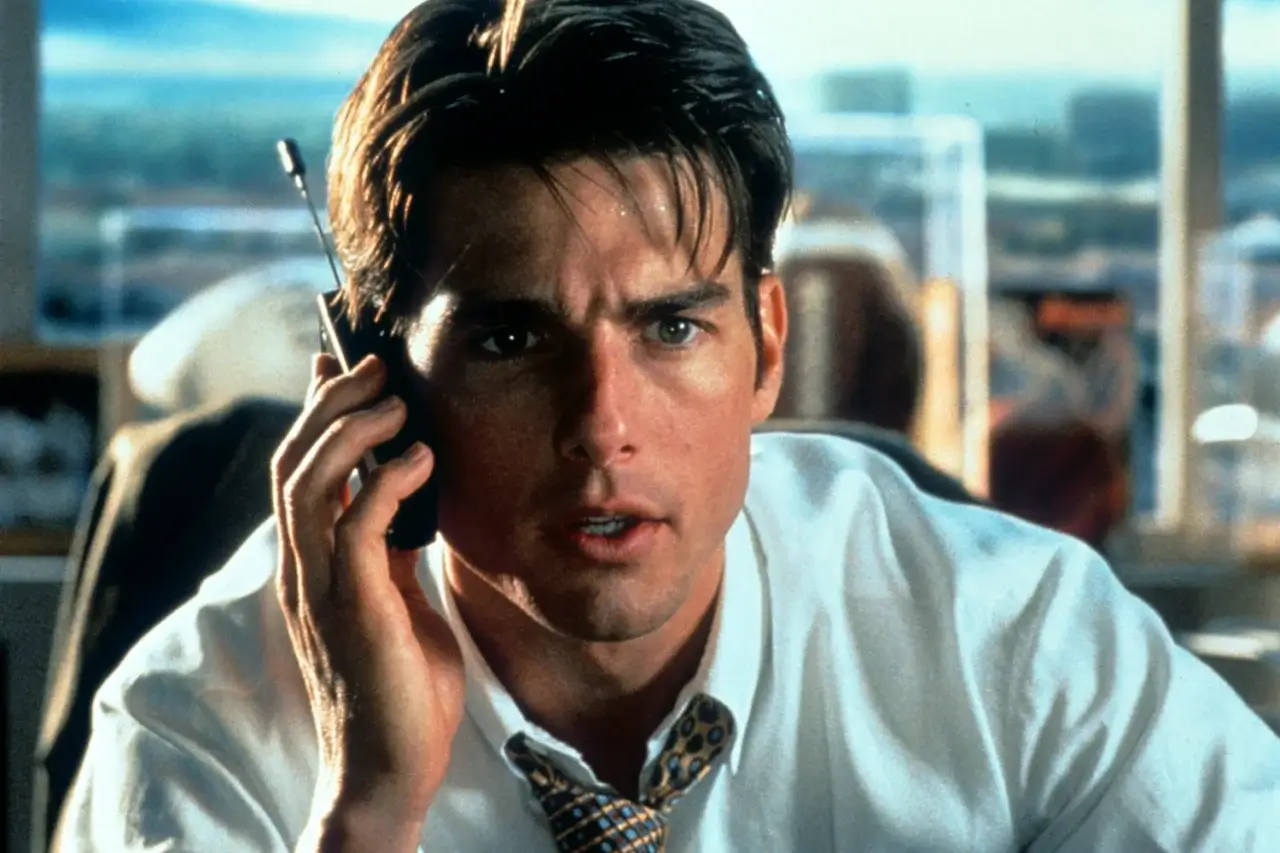
On the surface, Jerry Maguire features all of the traits that served Cruise well over the course of his career. It plays into his confidence and charisma, which appear unshakeable, but what makes his performance in the film one of his best is that he allows that armor to come off and present a character dealing with real emotional chaos that makes his ultimate transformation believable and the anchor of the film. Written and directed by Cameron Crowe, Jerry Maguire was inspired by sports agent Leigh Steinberg and his client Tom McDonald, and follows the titular character (Cruise) as he has a moral epiphany when he’s fired and starts an independent agency, all while finding new meaning in his personal and professional life.
With Jerry Maguire, Cruise allowed his character to show cracks that didn’t rely on their impenetrable confidence. The moral crossroads that the character finds himself in is earned because it’s rooted in real emotion, as Cruise has no problem portraying a character who once had it all as a slick corporate sports agent and his not in a state of panic and mania as he tries to find a new purpose in his life. It’s cleverly balanced by Crowe’s writing and direction, with the characters’ professional and personal catharsis never feel like its unearned. His redemption arc is supported by the performances given by Cuba Gooding Jr. and Renee Zellweger, who offer both sides of a life he’s trying to change.
Whether it’s the manic energy of his “Show me the money” moment or the complete vulnerability that occurs when he crashes Dorothy’s (Zellweger) women’s support group to express that his professional life is meaningless without her (“You complete me”), Cruise is so locked into the role that it makes his redemption journey one worth taking. It’s also one that took him to his second Oscar nomination for Best Actor.
1. Frank T.J. Mackey in Magnolia (1999)
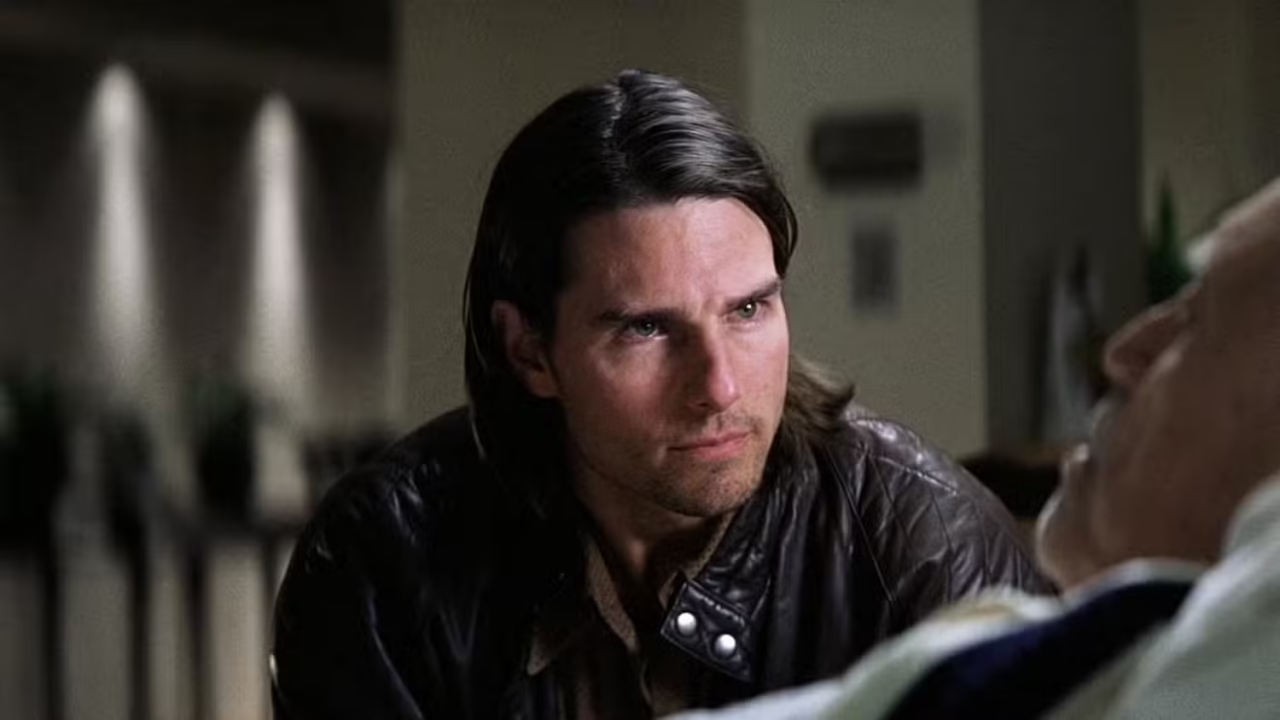
Released the same year as Eyes Wide Shut, some may have thought that the Kubrick film would’ve been his awards season ticket, but it turned out to be a supporting role in Paul Thomas Anderson’s Magnolia that would lead him to his third, and so far final, Academy Award nomination. And let it be known that his turn as Frank T.J. Mackey should’ve won him that Best Supporting Actor Oscar. Cruise threw out every ounce of his clean-cut movie-star persona to play someone very anti the image he has cultivated. Frank is crass, toxic, and misogynistic, but it’s not all one note. He’s hiding deep-rooted pain and once that all comes pouring out, it leads to emotional heights that Cruise hasn’t topped since.
Written and directed by Anderson, Magnolia is an ensemble piece of interrelated characters in search of happiness, meaning, and forgiveness. Cruise’s story features him as a hyper-masculine and charismatic motivational speaker who specializes in teaching men how to manipulate and get women into bed. While he presents as a confident alpha male, he’s estranged from his past and harbors a deep resentment towards his dying father (portrayed by James Robards) who he believes abandoned him and his dying mother when he was a child. Magnolia is the most uninhibited work of Cruise’s career. There is no movie-star pretense or polish. He’s unafraid of portraying someone who comes off as deeply unlikable, stepping into it with the confidence that has defined his career.
But it’s the damaged and broken person living inside Frank that features Cruise at his best. During his best scene, Frank is forced to visit his estranged father, who is now bedridden. After vowing to never forgive or cry for the man he believes ruined his life, he breaks down into uncontrollable sobs and confronts his own trauma in the process. It’s a raw piece of work, and one that shifts effortlessly from anger to the unrelenting pain of unprocessed issues while also feeling the grief of losing his father, even if their relationship has been fraught since childhood. It’s a fearless portrayal that Cruise clearly embraced. He reportedly drew from his own complicated relationship with his father for that scene, and it’s easy to tell. His soul is exposed for all of us to see and one hopes that Cruise finds another role like this again because he’s long overdue.
Digger is now playing in theaters nationwide.
For more on Movies, make sure to check back to That Hollywood Show.






Reviews