
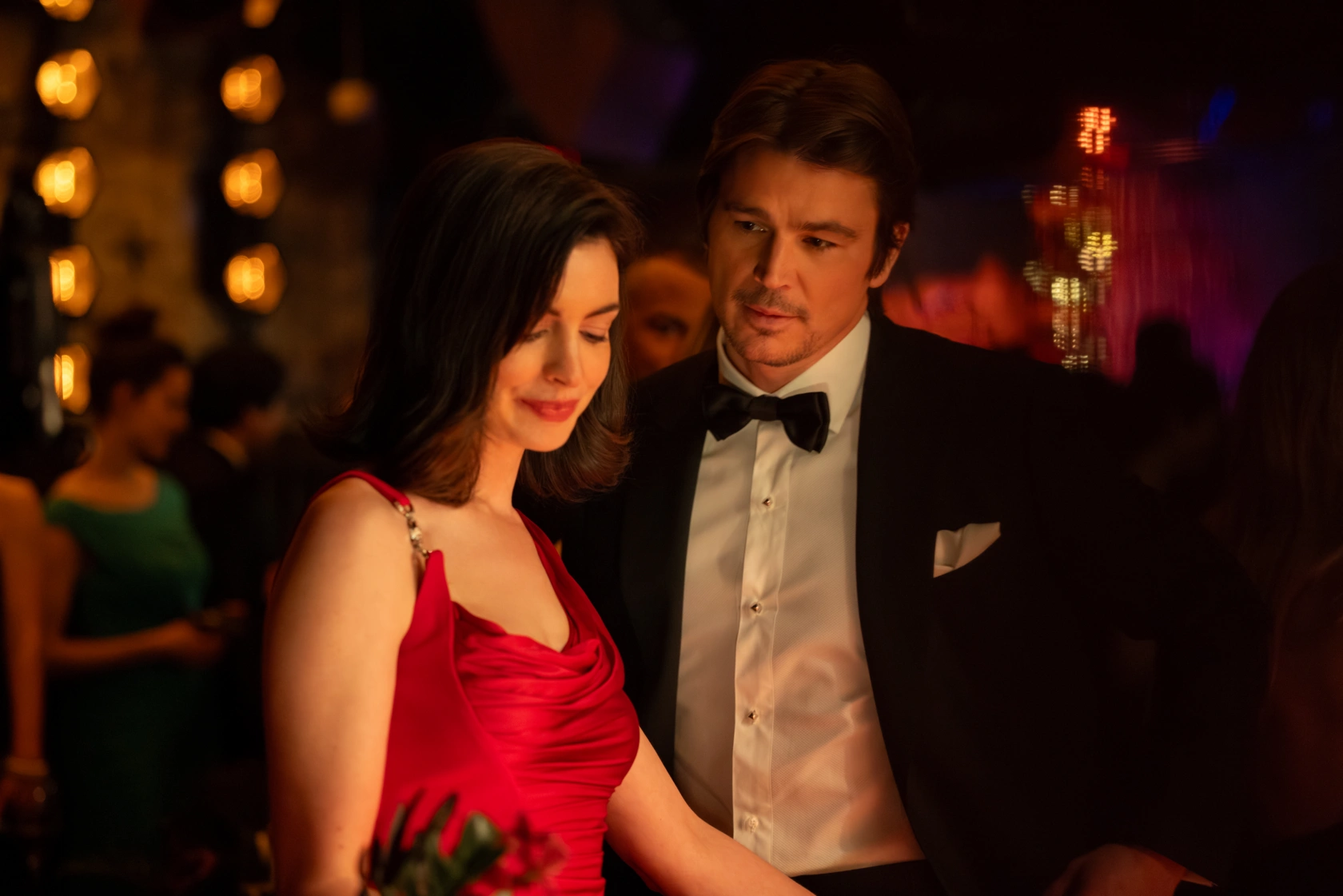
It’s the ’90s all over again with the release of Verity, a psychological erotic thriller that could be right at home during a time when these films once ruled the box office. They would whet the appetite of moviegoers wanting something more tantalizing to explore and usually featured so many twists and turns that it would make your head spin. Time will tell if Verity, adapted from Colleen Hoover’s bestselling novel of the same name, will have the same impact and if its stars, Anne Hathaway, Dakota Johnson, and Josh Hartnett, truly bring it with the best of them but if the film made you curious to see more, here are five erotic thrillers that certainly get the job done.
Honorable Mention: Unfaithful (2002)
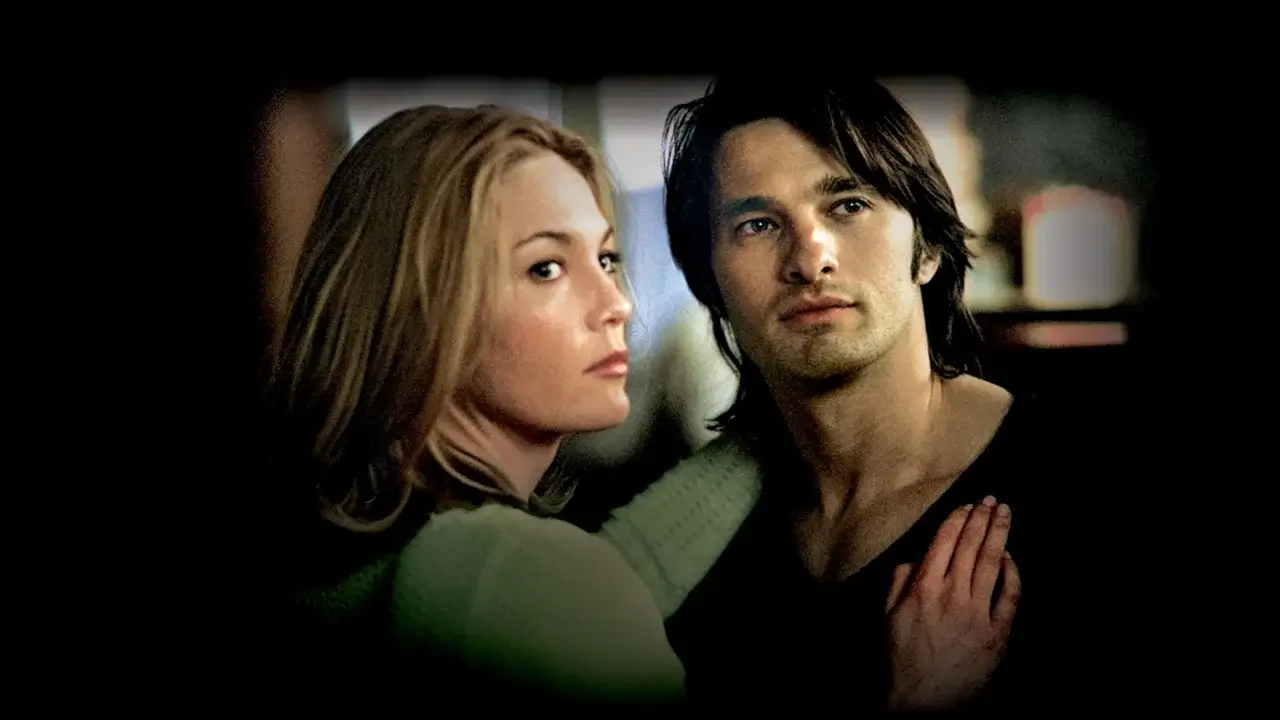
Unfaithful takes a more serious erotic thriller route and may lack some of the camp that defines some of these films, but it scores because of its complex tale of guilt and regret following an extramarital affair that ultimately turns deadly. Directed by Adrian Lyne, who is no stranger to affairs gone bad due to helming Fatal Attraction, Unfaithful is written by Alvin Sargent and William Broyles Jr. and is adapted from the 1969 Claude Chabrol film The Unfaithful Wife. The story follows a married couple, Connie Summer (Diane Lane) and Edward Sumner (Richard Gere), whose marriage is turned upside down when the wife engages in a tumultuous affair with a French stranger named Paul Martel (Olivier Martinez), whom she encounters by chance.
Unfaithful is interesting because these stories typically track the husband having an affair, but this film is squarely from the perspective of a woman who steps out of her marriage, and it does so without preachy moralizing or simple explanations. The viewer has to read between the lines as to why Connie does what she does, and it becomes more of an exploration of human behavior rather than an exploration of why people tend to cheat. Much of this is conveyed by Lane’s wonderfully nuanced performance, which earned her a much-deserved Academy Award nomination. The best scene in the film depicts Connie’s train ride home following her first sexual encounter with Paul, and it’s a powerful depiction of guilt and pure ecstasy, as Lane’s portrayal of conflicting emotions is gut-wrenching to watch.
Gere is quietly powerful in his own weight, giving a grounded and subtle performance that boils over into a rage he can’t take back once he’s blindsided by his wife’s actions. As directed by Lyne, Unfaithful uses the backdrop of New York to paint a moody portrait of indiscretion that only grows claustrophobic as more secrets begin to take hold. As far as the eroticism, there is a lot to be found here but Lyne directs it all with class, proving that not all sex scenes in movies need to by tawdry or especially explicit. Unfaithful is decidedly adult in its execution and while it doesn’t wrap up in a neat little bow (because how often does that happen in life), it does leave the viewer questioning how they would maneuver that pure chaos of an affair that spirals out of control.
5. The Housemaid (2025)
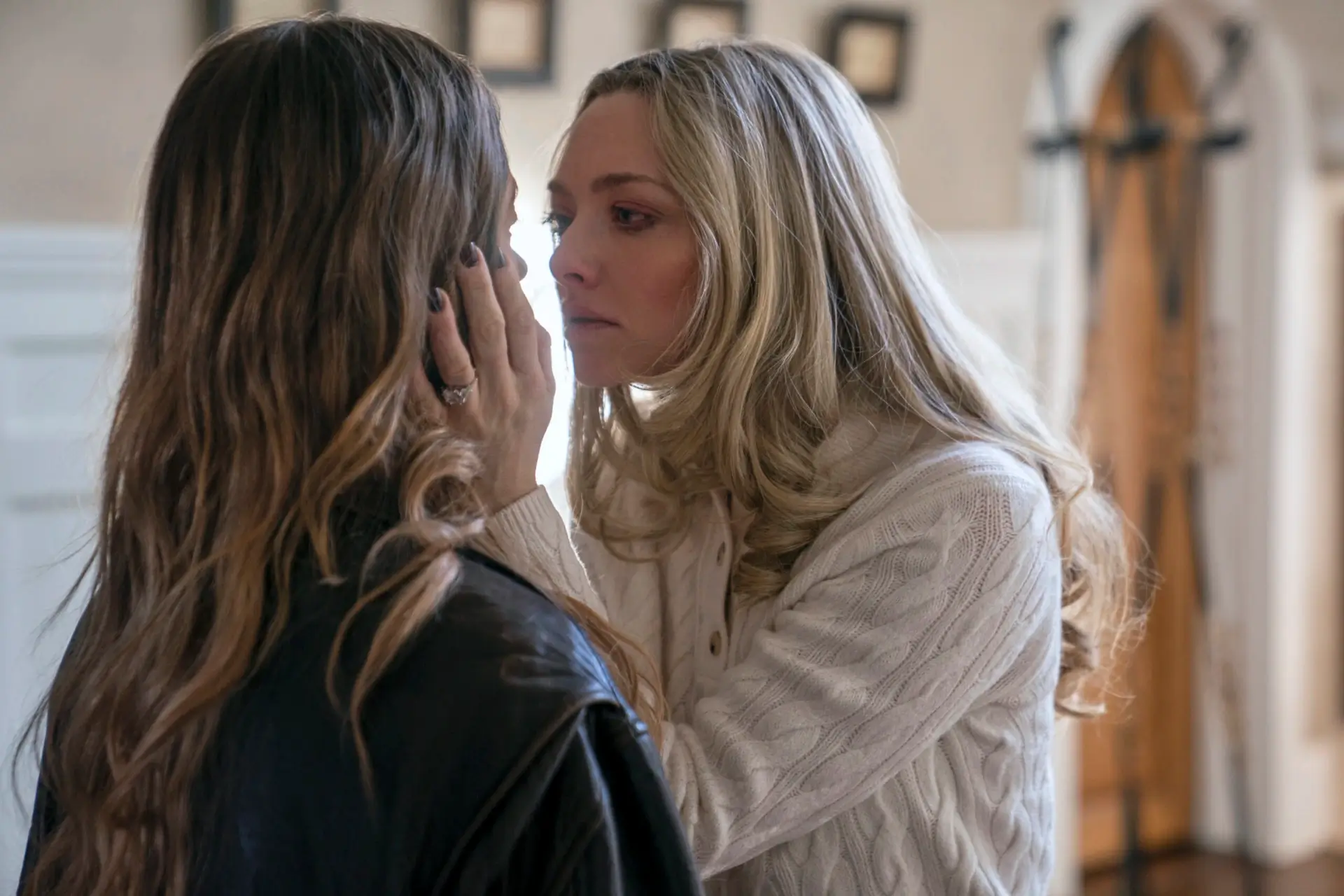
The most recent successful example of how to do an erotic thriller right happens to be a movie that is likely setting the tone for bringing films like this back into the limelight due to its staggering success. The Housemaid feels like a throwback in the best way to the erotic psychological thrillers of the past, but it also feels fresh in its execution. Directed by Paul Feig and written by Rebecca Sonnenshine, The Housemaid is based on the 2022 bestselling novel by Freida McFadden, and it follows Millie Calloway (Sydney Sweeney), a young woman with a troubled past who becomes the live-in maid for Nina Winchester (Amanda Seyfried) and Andrew Winchester (Brandon Sklenar), a wealthy couple harboring their own secrets.
Self-awareness is key here, and The Housemaid largely succeeds because it knows exactly what kind of movie it is. The film never takes itself too seriously, and it deliciously ventures into camp but with a dash of prestige substance that elevates it above the Lifetime movie of the week. While Feig might be an offbeat choice to direct a film like this, due to his background mostly directing comedies, he ends up being a perfect match because he’s able to mix the film’s escalating suspense with a wicked, dark sense of humor that meshes well with the material. He handles every twist and turn, no matter how absurd, with confidence, which allows the audience to buy into how convoluted things begin to become. Feigh dabbled with this fairly well with A Simple Favor, but he becomes a pro utilizing these techniques with The Housemaid.
Also game and aware of the film they’re making is the cast, with Sweeney and Sklenar giving solid performances that grow more impressive as the film moves along, but it’s Seyfried who truly understands the assignment. She’s wonderfully unhinged and volatile as Nina, giving a performance that could’ve been easily scenery-chewing, but Seyfried keeps it right on the line to avoid making Nina a caricature. The Housemaid is pulpy good fun, and with its $400.5 million global haul on a $35 million budget, audiences were eager to go on the ride. The sequel can’t come fast enough!
4. Basic Instinct (1992)
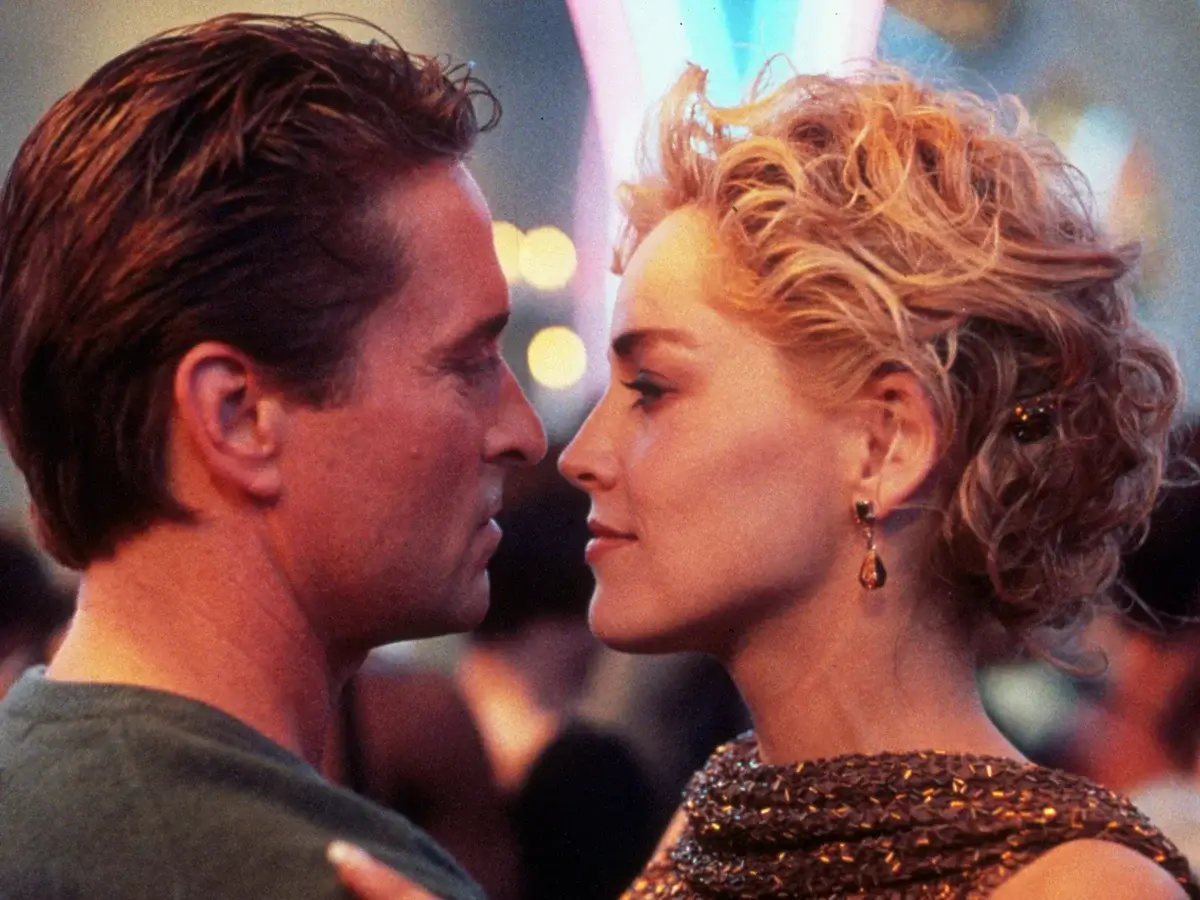
Perhaps the most influential erotic thriller of its time is Basic Instinct, a neo-noir mystery erotic thriller that spawned many imitators following its $353 million success (off a $49 million budget). Despite mixed reviews and some controversial themes, Basic Instinct became the quintessential blueprint for how these films are made because it’s unapologetic in its depiction of the lines blurred between sex and violence while being surprisingly sophisticated in its style and execution. Directed by Paul Verhoeven and written by Joe Eszterhas, Basic Instinct follows homicide detective Nick Curran (Michael Douglas), who is investigating the murder of rock star Johnny Boz (Bill Cable), while also becoming sexually entangled with wealthy heiress and novelist Catherine Tramell (Sharon Stone), who happens to be the prime suspect.
While Verhoeven will never be confused with Alfred Hitchcock, he approaches Basic Instinct with a Hitchcockian style that elevates the film above the perceived trash some may think it is. The movie is appropriately stylish, with moody cinematography by Jan de Bont (who would go on to direct Speed and Twister) that sets the tone for the film’s growing paranoia and red herrings, which add to its mystery. It’s a pure cat-and-mouse game that holds your interest because it keeps you guessing, even after you’ve thought you’ve figured it out, until the very end. Holding a lot of this together is a powerhouse and confident performance from Stone, who commands every moment of her screen time with a fearless portrayal that summons up the best femme fatate performances out there to create her own cultural touchstone that would define most of her career.
Also of note is Douglas, who is unafraid of showcasing the vulnerabilities of his character and not portraying him as a macho, know-it-all detective. He succumbs to a seduction that leads to a total lack of control, and it’s a turn that some of these films don’t dabble in. The woman is in control here, and maybe that’s why Basic Instinct became such a watercooler movie at the time. It showcased a woman owning her sexuality and using it to disarm men in a way that men have commonly done to women. There’s a reason Basic Instinct defined this genre for so long, and many films that came after it owe it a great debt.
3. Bound (1996)
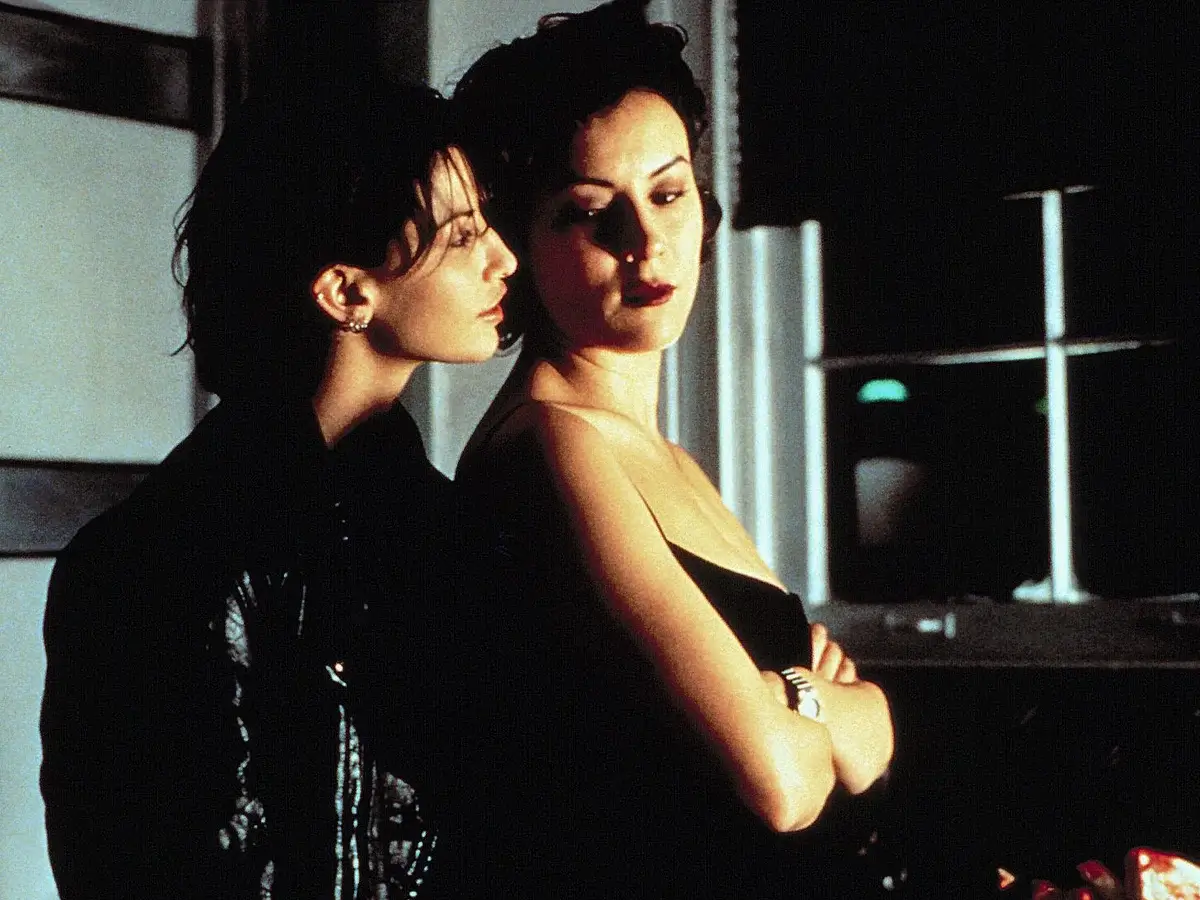
Erotic thrillers usually involve twists that lead to multiple double-crosses, but Bound turns that on its head a bit. The film is a neo-noir erotic thriller at its core, but it centers on a burgeoning union and relationship where the central characters trust each other, and their plot to steal millions only adds to their sexually charged entanglement. Written and directed by the Wachowski sisters, before they blew minds even more with The Matrix, Bound serves as their feature directorial debut and follows Violet (Jennifer Tilly), a gun moll looking to escape her tumultuous relationship with her mobster boyfriend (portrayed by Joe Pantoliano), as she enters into an affair with an ex-convict named Corky (Gine Gershon).
As they grow closer, the two women work up a scheme to steal $2 million in mafia money. First and foremost, Bound is essentially visual seduction, with the Wachowski sisters using every penny of the film’s $6 million budget to give the film an aesthetic flair. The atmosphere is slick and alluring, with the sisters able to utilize a space mostly confined to an apartment building to create a claustrophobic tension that grows more palpable as the film moves along. Bound ends up being an erotic thriller that flips the typical narrative. There can be a level of exploitation in these films, but that is largely absent due to the developing relationship between Violet and Corky serving as the emotional cornerstone of the story.
These women aren’t viewed as objects for each other. They have a connection that goes beyond sex, and even though they are styled and designed to look like traditional femme fatales with edge, they have the skills of their male counterparts that turn those dynamics on their head. It was also rare, especially at the time, for a queer romance to take center stage without purely sexualizing it or making it feel like something taboo. The situations that bring them together might be out of the ordinary, and the subsequent heist might devolve into a darkly humorous tale of survival, but the core of the relationship remains honest. It’s an empowering piece of work, elevated by the visceral chemistry between Tilly and Gershon that drives the film. Bound proves that the rules of this genre don’t need to be followed. In fact, they sometimes need to be challenged to achieve greatness.
2. Wild Things (1998)
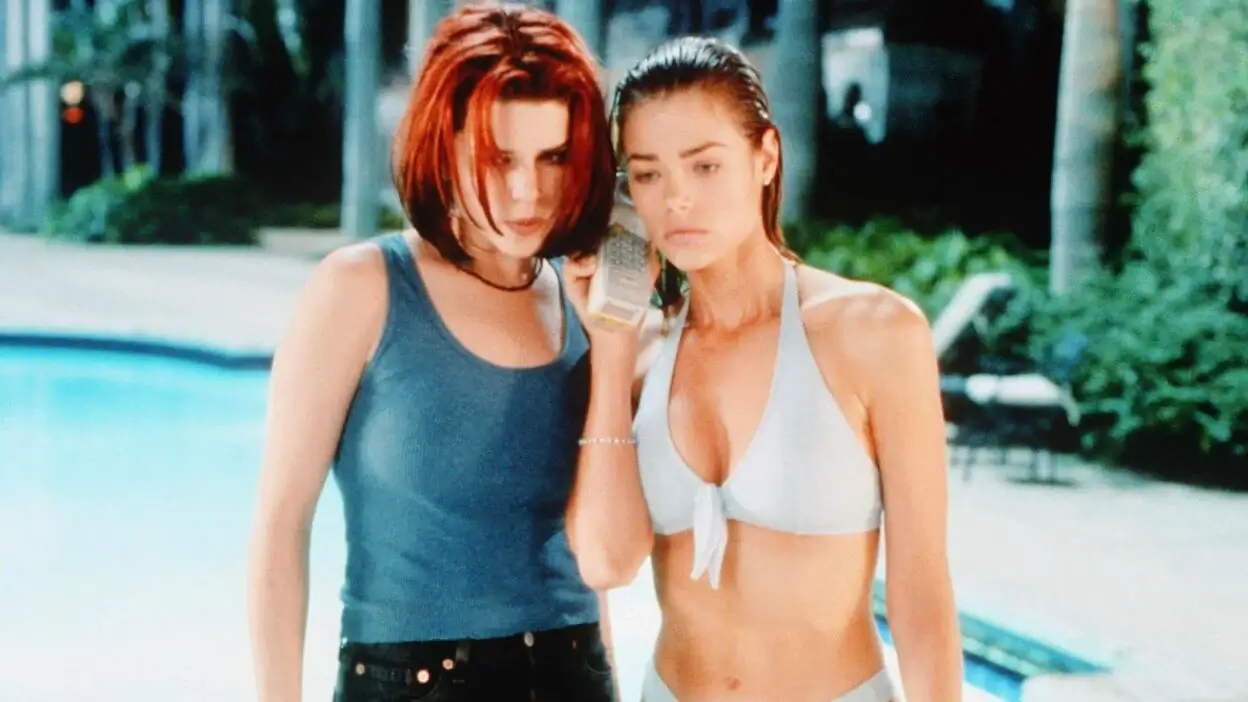
Wild Things, much like The Housemaid, is an erotic thriller that knows exactly what it is. It’s self-aware, doesn’t take itself too seriously, and yet its numerous twists and double-crosses are a lot smarter than they appear on the surface. Directed by John McNaughton and written by Stephen Peters, Wild Things follows a high school guidance counselor named Sam Lombardo (Matt Dillon) who is accused of rape by two female students (portrayed by Neve Campbell and Denise Richards) and the subsequent unraveling of the circumstances that are unveiled when a police officer, portrayed by Kevin Bacon, begins to investigate the crime. Wild Things feels like a smutty erotic novel come to life, with Jeffrey L. Kimball’s cinematography making every ounce of sweat in the film’s South Florida setting drench over the audience.
It feels grimy to its core, with its humid and swampy backdrop made to make you feel dirty as it tells what begins as a standard and tawdry story. The film begins as a simple scandal about a high school counselor being accused of raping minors and students at its school, and then it becomes something entirely different as it expertly pulls the rug out from under you to expose its true intentions. It’s soon revealed that the film is working an elaborate con where the twists could be absurd in the wrong hands, but McNaughton and his team make you buy every turn from start to finish. In fact, Wild Things has so many twists and turns that it’s still cleverly explaining itself during its closing credits. Wild Things also serves as a nostalgic time capsule of the ’90s, emerging during the big teen movie boom of the period but acting as the more sultry and lurid counterpart that made it more adult than the likes of Can’t Hardly Wait or 10 Things I Hate About You.
Campbell throws out all Sidney Prescott pretense and turns in an against type performance as Suzie Toller that works because she appears to be an unassuming burnout until she’s not. Matching her pitch in a much different way is Richards, who is unafraid of embracing her character’s overt sexuality and crass bitchiness that more than goes along with the tone Wild Things is going for. Providing more veteran support are Dillon and Bacon, who also navigate the turns of the story expertly and constantly keep you on your toes. Also of note is a scene-stealing performance by Bill Murray as Ken Bowden, an ambulance-chasing lawyer who also surprisingly fits into the elaborate scheme. Nothing about Wild Things should work, but it does, and it’s because it embraces its trashy aesthetic while also surprising with a layer of intelligence.
1. Eyes Wide Shut (1999)
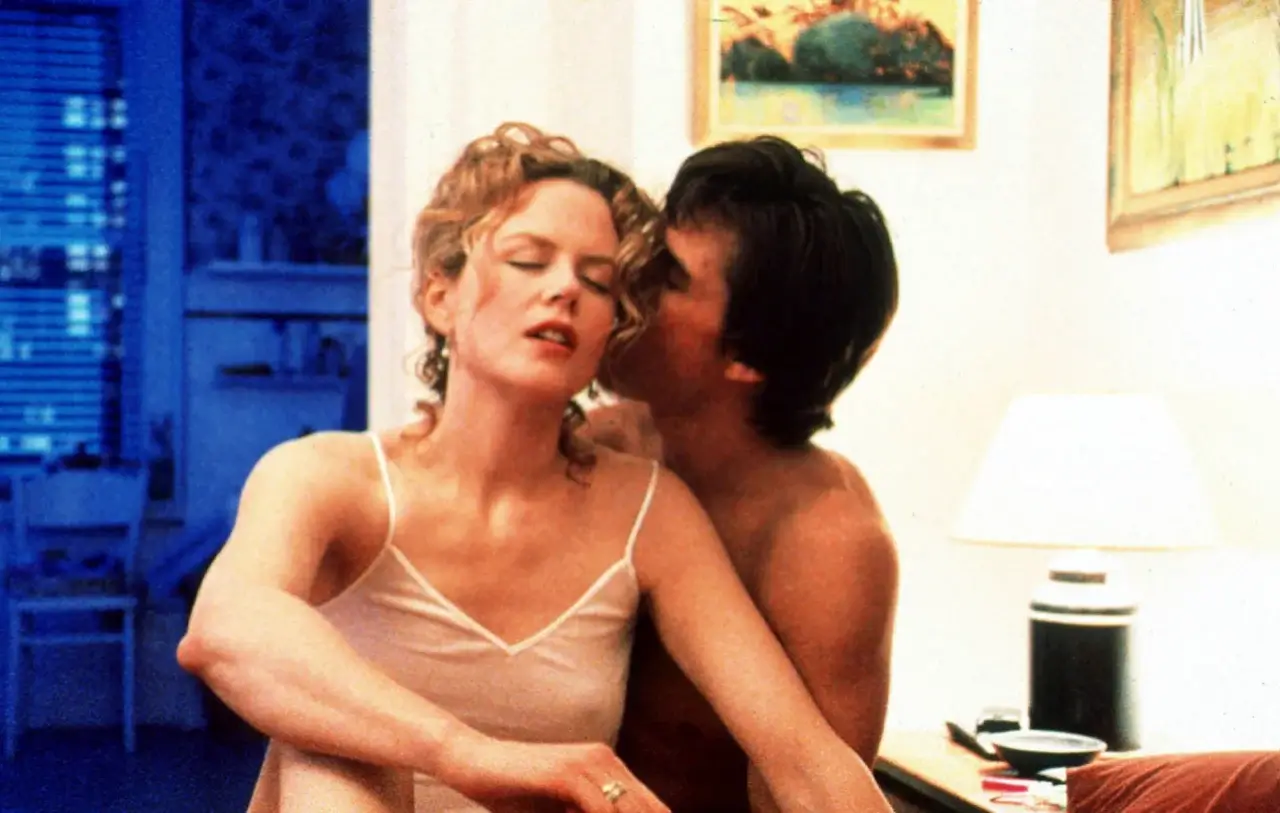
Eyes Wide Shut goes deeper than your traditional erotic mystery thriller because it comes from the mind of Stanley Kubrick, who doesn’t want to simply explore the typical ends and outs of a marriage that succumbs to human desire and jealousy. It paints the portrait of the existential crisis it puts one half of the marriage through and sends him on a dreamlike journey that could make him confront his own boundaries and desires while agonizing over the hidden fantasies his wife has been keeping from him. Co-written by Kubrick and Frederic Raphael, Eyes Wide Shut is based on the 1926 novella Dream Story by Arthur Schnitzler and follows Manhattan doctor, Bill Harford (Tom Cruise), who is shocked to learn that his wife, Alice Harford (Nicole Kidman), has contemplated cheating on him.
Following the discovery, Bill goes on a night-long adventure that ultimately leads him to a masked ball and orgy that shows just about everyone is hiding some kind of secret desire that they need fulfilled. Eyes Wide Shut is erotic, and it’s something the film’s marketing was built around at the time of its release, but beneath it is a more sincere, albeit offbeat, look at how a lack of communication can lead to cracks in a marriage becoming craters that you can’t escape. On paper, Bill and Alice have a relationship that many would envy, and Bill in particular is so enamored with his life that he has ignored what Alice has been lacking and desiring. In the film’s best scene, Alice lays it all bare as they begin to discuss their unfulfilled desires, with Bill scoffing at the notion that she could ever cheat on him.
It’s Alice’s confession about fantasizing about another man that sends Bill on an emotional tailspin, and it’s a moment brilliantly acted by both Cruise and Kidman, with the former exhibiting stunned surprise while the latter chews up every bit of dialogue to express Alice’s longing and near disdain for her husband. Their chemistry is tense yet vulnerable, and it’s hard not to think that this record-breaking 400-day shoot didn’t play a part in the ending of their real-life marriage. The film is all about the journey from there, and it’s an intoxicating, dreamlike voyage that Kubrick establishes with long takes that feel never-ending and an eerie, almost horror-like depiction of New York that appears to be hiding its own secrets.
Most impressive is Kubrick’s use of color throughout the film. Blue represents melancholy and isolation while deeper reds expose sexual desire, temptation, and sometimes danger. All of it is done to mirror what the characters are feeling, leading up to Bill attending a masked ball and orgy that challenges him to his very core. Eyes Wide Shut isn’t for everyone, and it’s far from mainstream, but it’s a compelling exploration of marriage, things that go unspoken, and how it can tear a relationship apart at the seams.
For more on Movies, make sure to check back to That Hollywood Show.






Reviews