
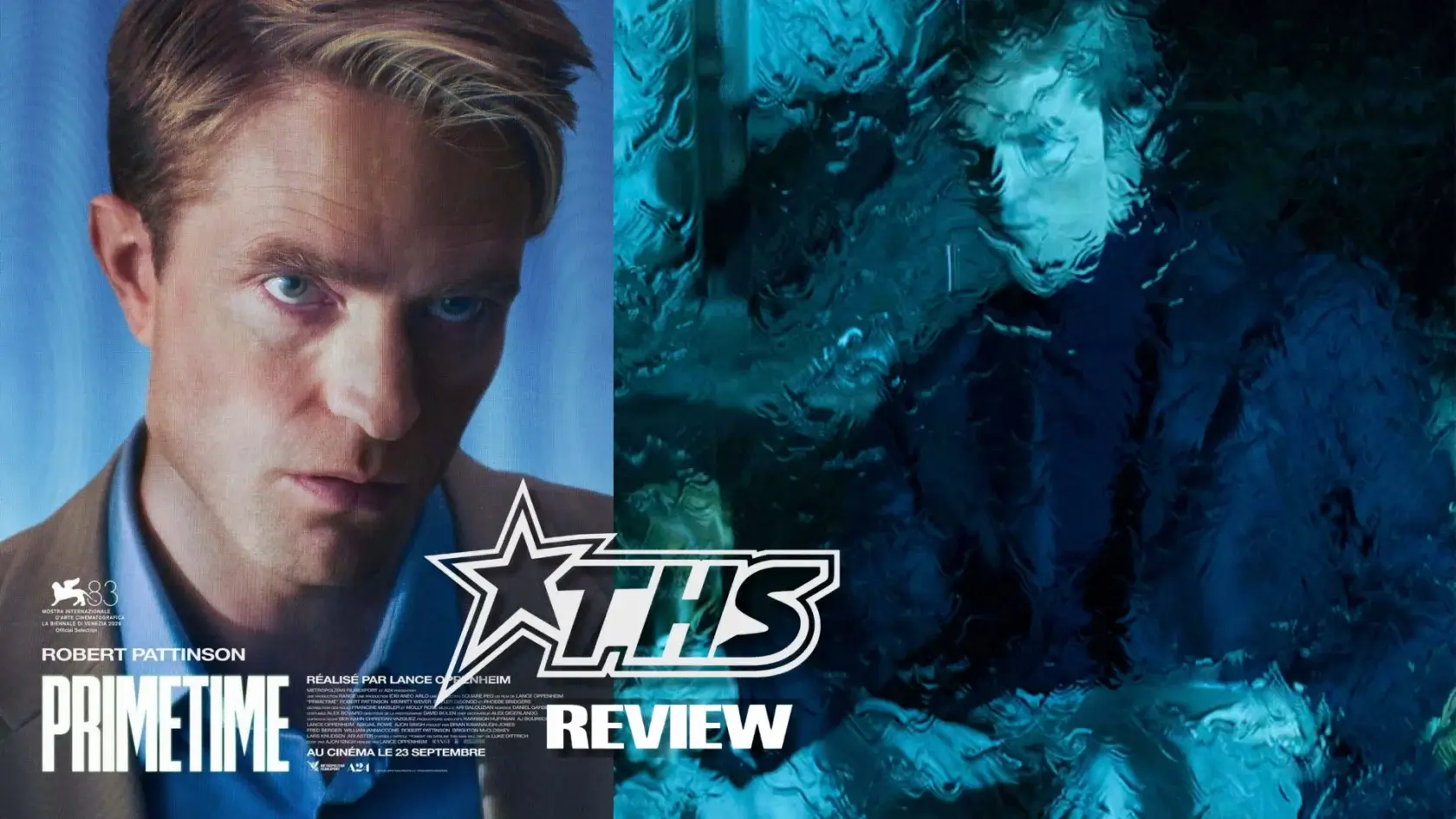
You See How This Looks, Don’t You?
For anyone who grew up in the early 2000s and more specifically in the wake of Post 9/11 America, To Catch a Predator was a ubiquitous show that felt like the start of something new in media and journalism. A beacon of sensationalist entertainment approached with reckless abandon but wholly embraced in a world now shaped by extreme paranoia, the show’s long lasting impact is undeniable. It didn’t create it, but it thrived in the burgeoning thirst for irresponsible television and exploitative ratings chases. Now, we just call this TLC. But there was a time when these concepts were new and the boundaries didn’t exist. And this lead for the rise and inevitable fall of Chris Hansen and his unyielding pursuit to be, well, Primetime.
There’s been a renewed examination of Hansen’s work – both past and present – recontextualizing the reckless endeavors conducted with righteous zeal but ultimately driven by greed and self aggrandizing. If you’ve seen the recent documentary Predators (an excellent Sundance doc that I would highly recommend checking out before Primetime), you know that many of the qualities and lack of self awareness surrounding Hansen are exaggerated in the feature film, but not by much. Coming off the heels of a much deeper exploration of what went wrong and what was wrong with the television show, Primetime seeks to capture the horrors and darkness of American culture cinematically.
Well, There’s Something I Have to Tell You

What transpires is a mixed bag of intriguing ideas and masterfully crafted set pieces with unassailable performances but no guiding light or throughline to tie all of its threads together. Primetime is mesmerizingly messy, fascinatingly unfocused, but darkly chilling and psychologically unsettling. It’s style over substance, operating more like a series of vignettes than a fully realized feature. But its pieces are so haunting and expertly performed it’s hard not be won over by the experiment even if it doesn’t all come together coherently. Lance Oppenheim proves he can easily transfer his dynamic lens of documentary filmmaking to feature film, crafting a nightmare fuel of visuals that place you in the room each and every time.
His clever use of 90s recording cinematography and aesthetic feel transportive even if the world you’re being taken to is only half baked. Primetime is dazzling and puzzling simultaneously, asking the audience to sit in the stench of deeply uncomfortable situations for all of the wrong reasons. It makes your skin crawl sometimes, a testament to Oppenheim’s flare for atmosphere and unnerving close ups. Where Primetime fails is in the interrogation of its subject. All this post 9/11 paranoia on display and a laundry list of complex characters ends up being too much to bare when put all together.
Why Don’t You Take A Seat Right Over There
It’s as if Oppenheim wasn’t interested in any particular aspect of To Catch Predator or the people who made it possible. So instead, he just kind of tries to tackle everything all at once, abandoning idea after idea whenever a new one arrives. It sits on a throne of lies, dissecting one after the other but never really getting at the heart of the matter. That’s why there’s not really synopsis for Primetime. Whatever your base knowledge of the show is that you bring to the film IS the plot, Oppenheim refusing to ease anyone in or bring anyone up to speed about what exactly we’re watching. It assumes you are very familiar with show, Hansen himself, and the turning point that inevitably took the show off the air.
I know all of this already, but I’m also in my 40s and lived through it all. I even had a teacher at my high school who appeared on an episode of the show. So ya, there are certainly ways Primetime worked for me personally. But I couldn’t help but think that if you didn’t share in that experience or something similar to it, is there really anything left for an audience? Sure, it’s psychologically dizzying and most times affecting, but something is missing and it never dives deep enough into one rabbit hole to fully give yourself over to it and lose yourself completely. There’s an underlying intention in Primetime that feels like that’s what it wants to do to you, but never quite gets there.
Can I get you a glass of milk to go along with those cookies?

Thankfully Primetime is packed with transformative performances across the board. Robert Pattinson IS Chris Hansen – not imitation, not impersonation – embodying every single mannerism and voice inflection to perfection. It’s a real actors ACTING kind of role, one that only someone as generationally talented as Pattinson can step into effortlessly. Pattinson is terrifying as a greedy, ratings hungry man who will stop at nothing to be great and sees himself as a global savior instead of a monster on the other side of the kitchen table. Primetime is not kind to its star, indicting every aspect of his character and painting Hansen in some really dark lights. I don’t believe they’re necessarily wrong, but I understand why Hansen is so adamantly against the film.
The real MVPs of Primetime are Skyler Gisondo and Merrit Wever, who nearly hijack the entire film with every scene and add a much needed, clearer perspective on the entire Predator experiment. Gisondo is incredible here, giving a performance I didn’t know he was capable of and adding a new wrinkle to his performative game. He’s so good Primetime should be his story. Decoy Dan’s perspective is the best to serve as an audience surrogate. An outsider with hopes and dreams of becoming an actor and wants to be great but is thrust headfirst into a monstrous world created by Hansen and industry as a whole.
What Did You Mean By That?
It’s the focus Primetime desperately needs to feel more coherently constructed, and Gisondo proves he is the man for the job if only Oppenheim was willing to channel his ambition just a little bit more. Wever is also excellent, a consistently weary producer trying to play both sides (the pursuit of her own greatness but also keep NBC happy) who ultimately succumbs to the darkness that surrounds her. It’s yet another fascinating thread that is only lightly pulled on rather than yanked from the yarn. Primetime works best when either of these two characters are at the center, their support so vital to making anything work you wish they were central and Hansen was the support instead.
Final Thoughts
Primetime is a fever dream of satirical noir and psychological trauma, both committed and inflicted by all forms of predators it portrays. Its dazzling production design visual style only add to the nightmarish hellscape left in the wake of a pivotal moment in time, and its performances across the board are electric and dazzling. But there’s just no bite to the bark. Primetime isn’t meandering – it’s relentlessly entertaining – but it doesn’t really have anywhere to go, either. It never digs deep enough into a subject primed for mining, only giving us a stylized surface instead of something more substantiative.
Primetime is an experiment that only kind of works in parts but is still worth seeing, if for no other reason than to just experience it for yourself.












Reviews