
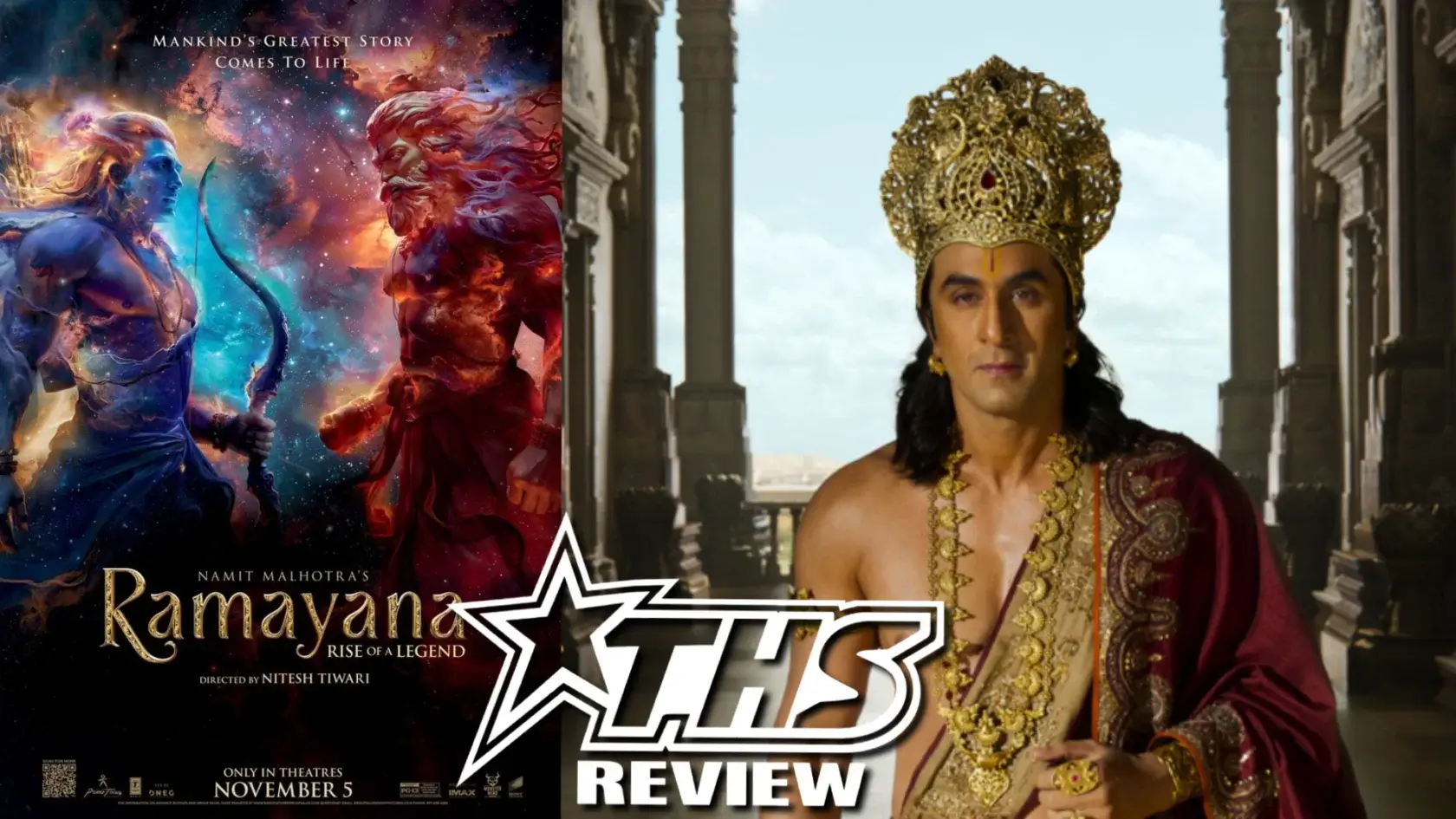
The Ramayana is one of the two major sacred epic poems in Hindu scripture (alongside the Mahabharata), chronicling the early life, exile, and triumphant return of Rama. Rama is one of the most prominent avatars of Vishnu, renowned for his virtue and heroism, and this tale has inspired numerous novels, plays, films, and series. Ramayana: Part 1, the first of a two-part cinematic adaptation directed by Nitesh Tiwari, is a grand epic befitting such a monumental tale. Some elements and narrative moments would benefit from greater development, but it’s a promising first half to a strong modern adaptation of the classic.
It’s a complicated affair to properly adapt a spiritual text that’s core to a current major faith. Chrisopher Nolan’s The Odyssey was masterful, but if Nolan mischaracterized Poseidon, for example, he would at worst irritate scholars. There’s no living cultural context to weigh the film against, nor is there a massive population holding the interpretation to account with extensive spiritual fervor and a lifetime of expectation. In the case of Ramayana, there’s also a massive history of existing interpretations to weigh the film against. Is Tiwari’s latest up for the undertaking?
A Big, Bold Imagining of a Classic
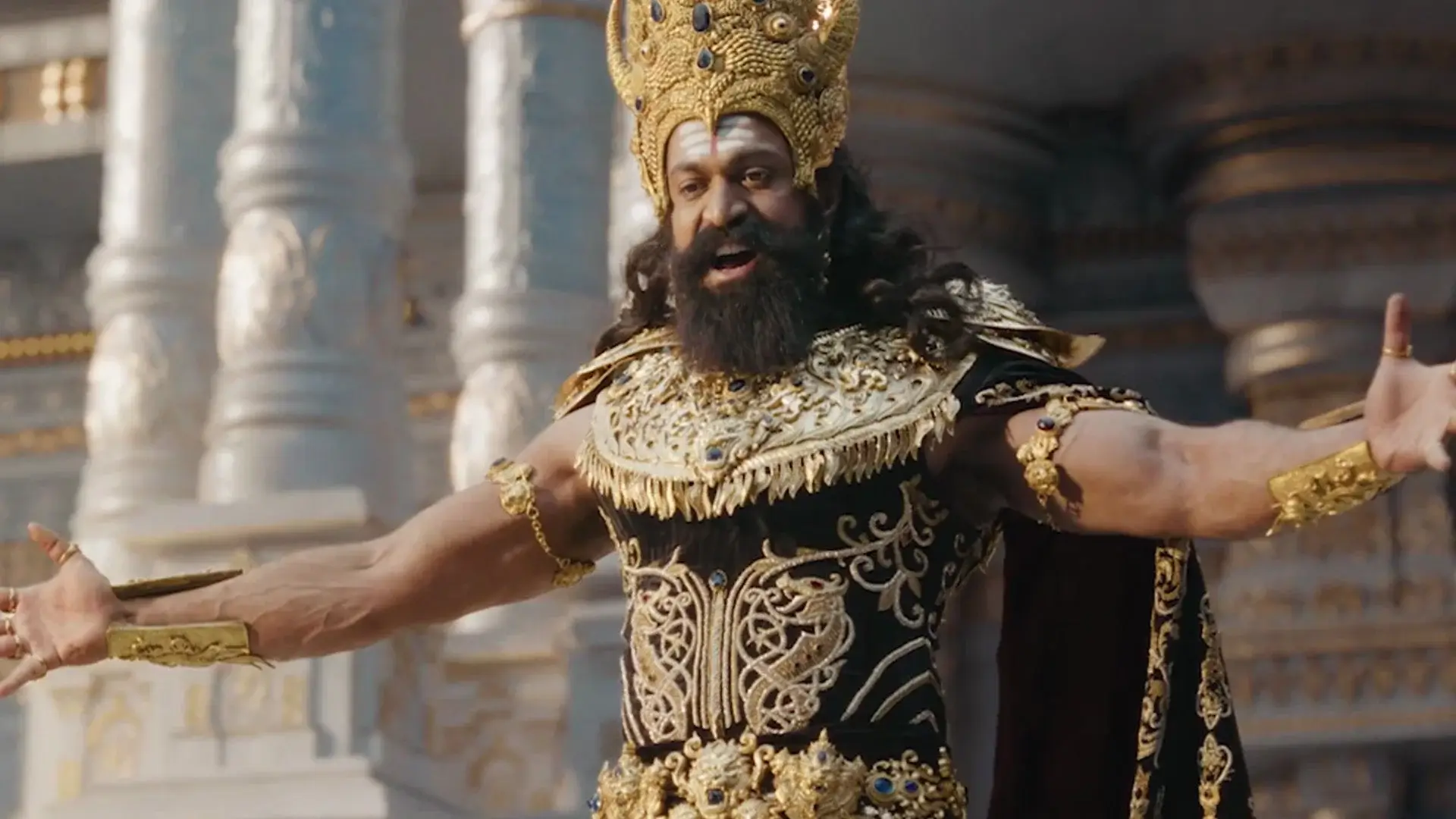
Ramayana begins with an explanation of the world’s two most powerful classes of superhuman beings, the Devas and the Asuras, constantly in conflict over their difference in ideology (the former more pious and good, the latter more ambitious, egotistical, and so on). A major conflict results in the Devas’ victory, condeming the Asuras to labor in hopeless subterranean depths. Kaikasi, a prideful Asura, sends her son Ravana (Yash) out to aquire the power needed to conquer the Devas and restore the Asuras’ power, and he succeeds thanks to a boon from Lord Brahma: no supernatural being, God, or magic can kill him. He quickly gathers an army and returns the Asuras to power. Vishnu manifests in another avatar, Rama (Ranbir Kapoor), and the film follows his upbringing alongside his brother Lakshmana (Ravi Dubey), marriage to Sita (Sai Pallavi), exile, and inevitable conflict with Ravana.
Ravana is the first character we meet, and we spend a sizable amount of initial time with the character. Yash is stellar as the powerful Asura, playing the antagonist as a prideful but regal king who resents the Gods’ treatment of his fellow Asuras. Yash provides a strong presence and a superb performance, allowing the audience a little empathy given the visible suffering of his fellow Asuras, who takes things vastly too far. Ranbir Kapoor gives a solid performance as Rama, portraying him as steadfast, virtuous, and powerful.
The world in Ramayana is big, colorful, and cool, and there’s a real sense of scale in the environments.
As Rama’s stalwart brother Lakshmana, Ravi Dubey shines. As a spiritual figure, Rama should be a moral exemplar, and that’s translated well here. Moral perfection could be the enemy of drama, however, Lakshmana adds complexity in each scene. A permanently loyal brother and a capable warrior, he’s the first to fight any danger for Rama. Dubey’s a charismatic screen presence with nuanced range, and he’s great in the combat scenes. As Sita, Sai Pallavi also delivers a good performance, though she goes long swatches of screen time without much of import to do. That said, she’s solid in emotional scenes and in high-octane action alike, and here’s hoping she gets more of the latter in Part 2.
A Big, Bold Reimagining of a Classic Spiritual Text
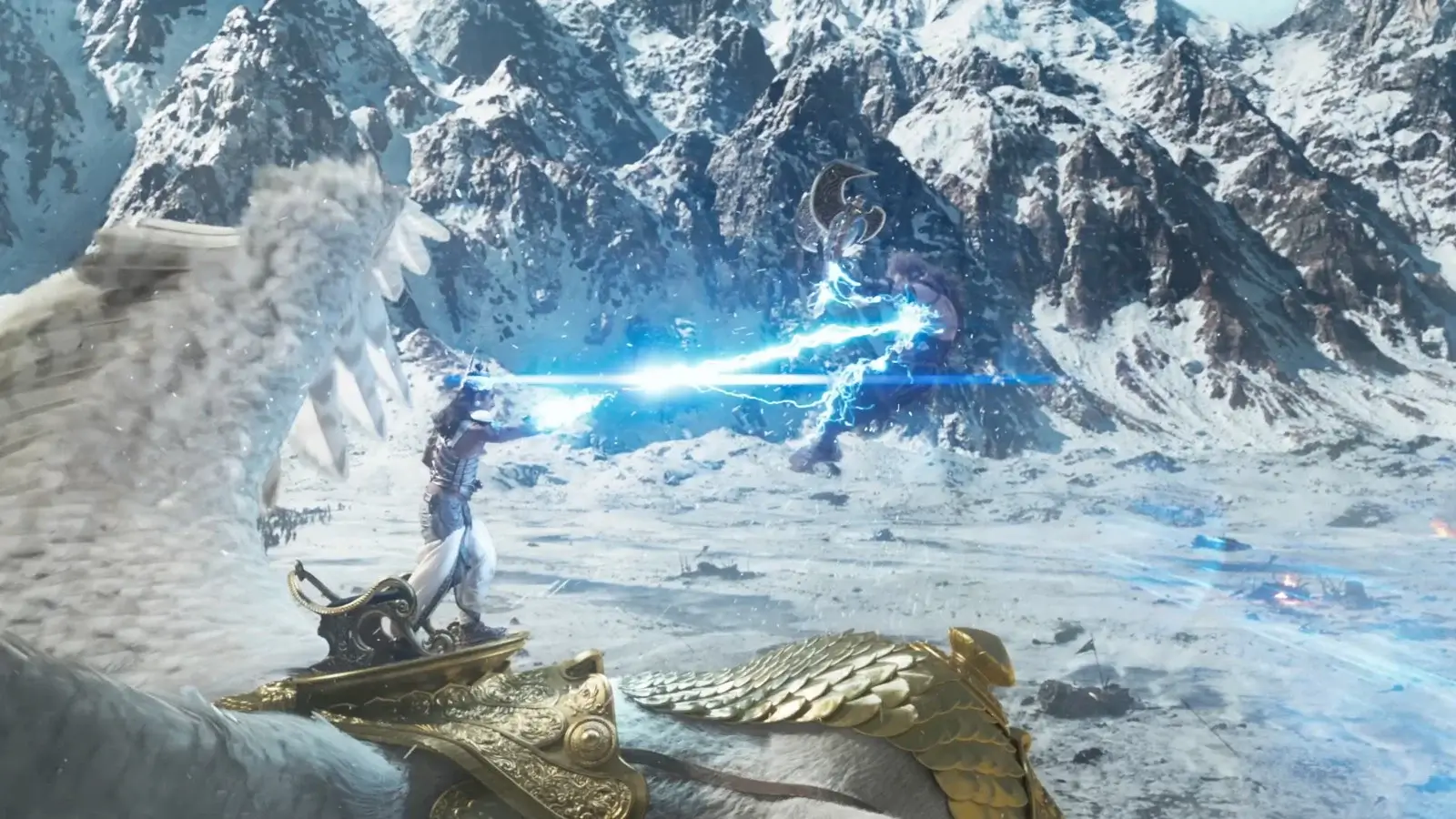
The world in Ramayana is big, colorful, and cool, and there’s a real sense of scale in the environments. The forests are lovingly shot with vivid colors (at least when they’re not full of monsters). The cities feel massive and full of vibrance and light. The film’s battle sequences and combat are well-choreographed and well-executed, properly capturing the action and supernatural feats that epic poems require. The CGI, visibly present mainly in the monster combat and larger action sequences, is decent but could use a little more naturalistic pass for color and details.
It’s a little difficult to parse out and review elements of the narrative without a full knowledge of details from the Ramayana. Missing linkages and plot elements might be a result of adaptational choices or not (it is a massive story, after all), but a film has to be clear on its own merits. Some key plot elements aren’t in Ramayana: Part 1. For example, Rama’s exile is a key moment. It makes sense that Kaikeyi (Lara Dutti) wants Bharata (Adinath Kothare) to take the throne over Rama, and it somewhat makes sense the King accepts (he promised!). It doesn’t make sense he agreed to 14 random years of exile. He didn’t promise that, at least not here! There are other, much smaller moments that are slid by too quickly, but seem to be missing details.
Altogether, Ramayana: Part 1 is a grand interpretation of one of the world’s great epics. The actions is big and bold, full of monsters, massive battles, and gods. The locations are gorgeously rendered, and everything has scale across the world… it truly feels big. Ranbir Kapoor is solid as the perfectly enlightened idyllic Rama, while Yash has a tough bravado as Ravana and Ravi Dubey is stellar as Lakshmana. It slides too quickly by some key plot elements, and the CGI sometimes looks like it needs greater development when pitted against excellent practical production design, but there’s more than enough here to enjoy a maximalist romp through spiritual history, and one that sets up for a magnificent confrontation in the upcoming Part 2.
Ramayana: Part I is in theaters.
For more Reviews, make sure to check back to That Hollywood Show.













Reviews