
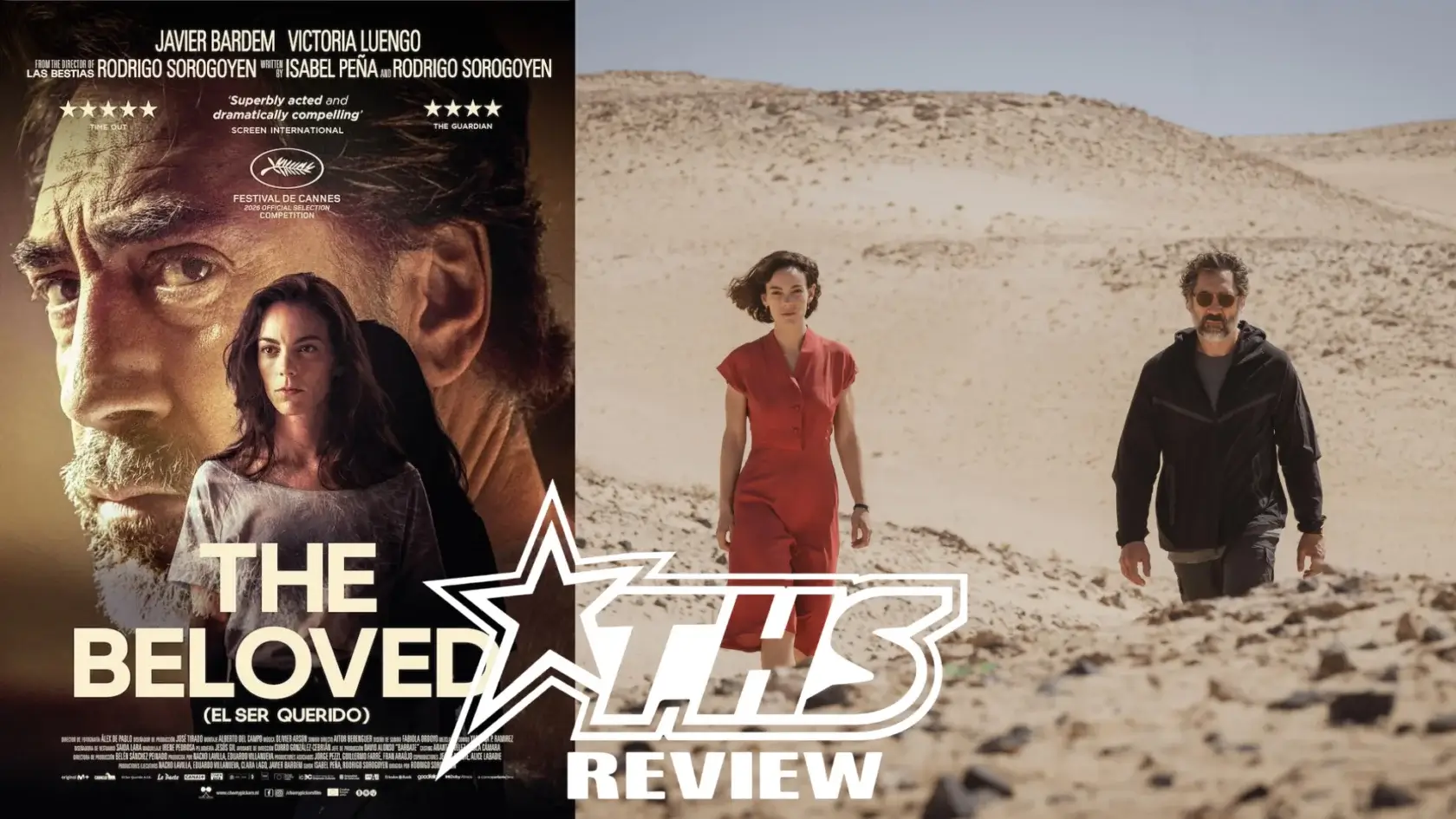
The Beloved was always going to struggle for its comparisons to Sentimental Value. Both feature successful film directors trying to connect with their estranged actress daughters after years apart. The issue with The Beloved is that it is nowhere near as smart, heartfelt or funny as Joachim Trier’s Oscar-nominated film.
Legendary but fiery Spanish director Esteban Martínez (Javier Bardem) is returning to make a movie in his home country for the first time in over a decade. His film is a Fuerteventura-shot period piece set in 1930s Western Sahara. He needs to find an actress to play Gabrielle, the wife of the lead. He decides his adult daughter Emilia (Victoria Luengo) is perfect for the part, despite being known for appearing on a trashy TV series.
The Beloved Is Two Very Good Scenes Surrounded By Forgettable Moments
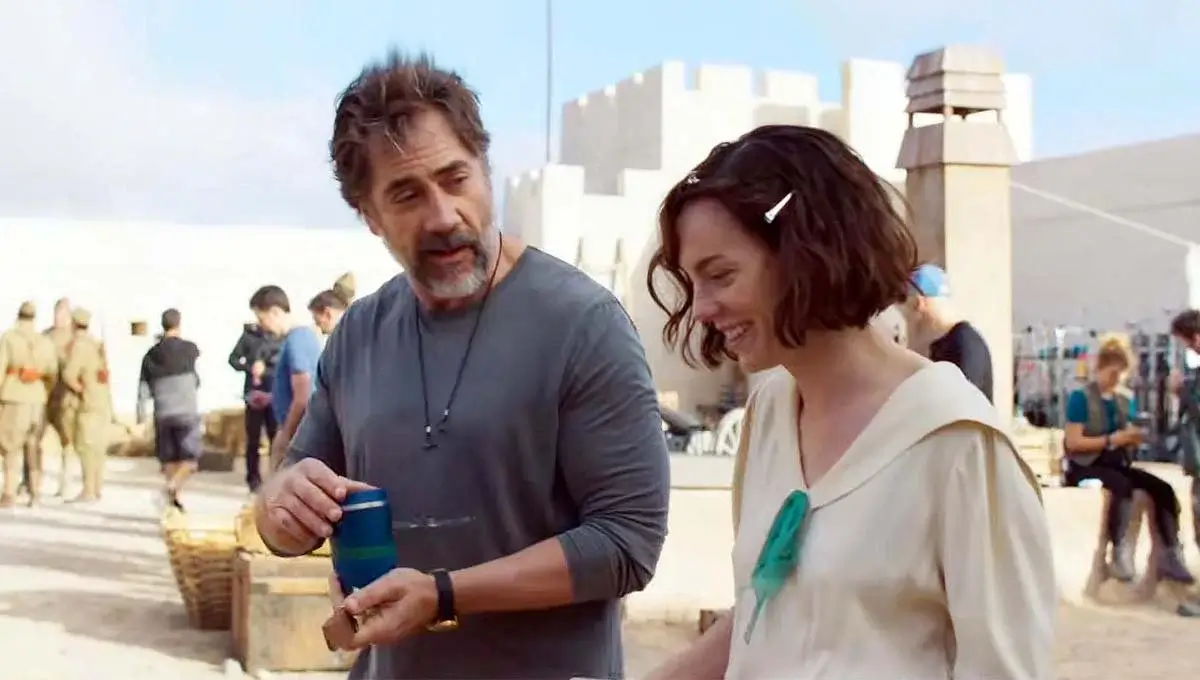
The Beloved starts with Esteban reuniting with Emilia in a restaurant. It’s a bold 20-minute opener that sees the pair fail to thaw their icy relationship. Hugely improvised and naturalistic, it’s a powerful showcase of Bardem and Luengo’s talents. The pair have hugely inaccurate accounts of the same story, never quite recounting events in the same way. You could watch a whole 100-minute film based on this scene that tells you everything you need to know about the father and son dynamic without needing to signpost their past.
Another long, naturalistic scene comes later during filming, when Esteban forces the cast to refilm a dinner scene. Each time the tent flap opens, he grows angrier and angrier until he finally explodes. It is a farcical moment that builds and builds as the cast are forced to repeat the same scene again and again and again. Funny, dry, painful to watch, this tone should have been kept throughout the proceedings.
The film does a better job at dissecting the auteur stereotype than it does at exploring the father-daughter relationship. This scene, in which Esteban tries to film a dinner scene to match the exact picture in his head, is an excellent portrayal of the fine line between being a passionate creative and being an asshole. In an industry that loves to pat itself on the back,
Aside from these two great scenes, The Beloved mooches through the making of Esteban’s film. Through Emilia’s relationship with the cast, through Esteban’s relationship with Emilia’s mother, Charo (Núria Prims, appearing in flashbacks from the movie they made together), and through the backlash of casting his daughter. These topics are constantly brought up until they become repetitive, with no apparent wish to do anything more with them.
The Beloved is at its best when it’s letting scenes slowly unfold, inviting audiences to watch a private moment like they are eavesdropping at a couple arguing at the next table at a restaurant. The script lags when it’s trying to weave Esteban and Emilia’s dynamic into a film about the art of filmmaking.
The Beloved Offers Big Themes, No Answers
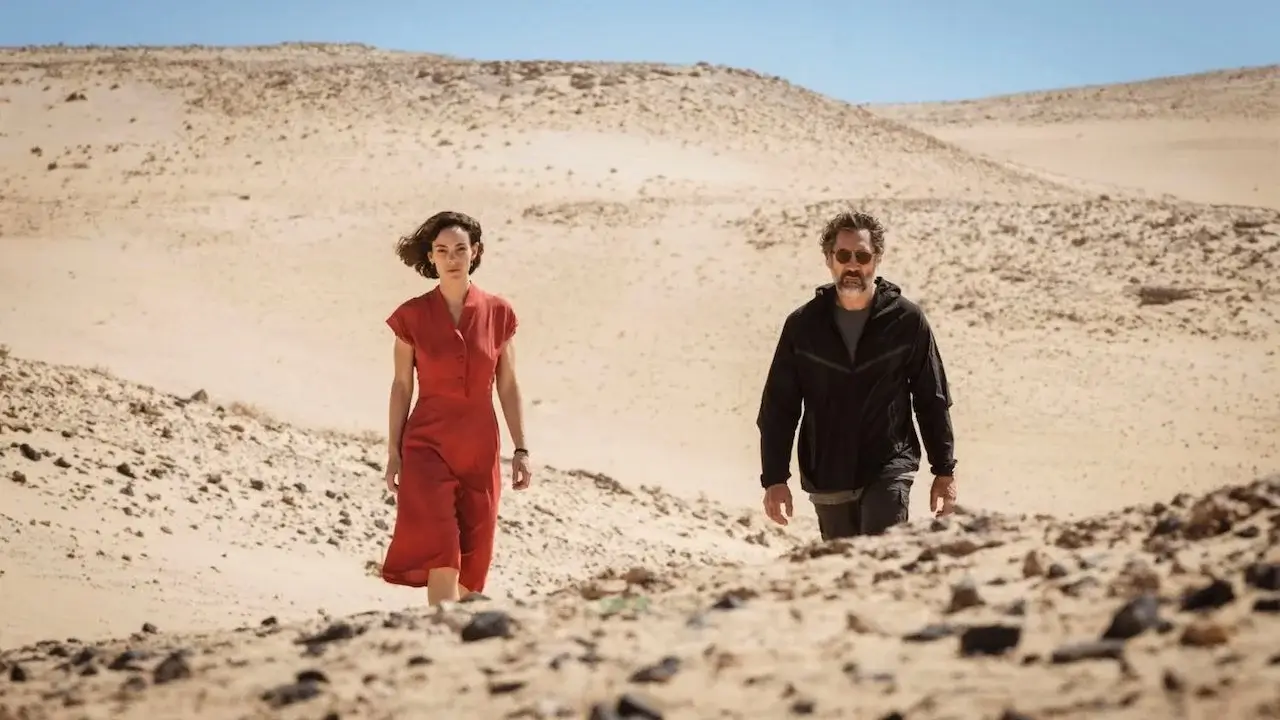
Rodrigo Sorogoyen’s The Beloved has plenty of ideas swirling around the script, ideas that Hollywood needs to think about. But it also fails to ask obvious and more relevant questions to help explore these themes more deeply. The writing is infuratingly almost there.
The Beloved is more concerned with Esteban and Emilia’s working relationship than their personal one, which is arguably the more interesting thread. Is she a good actress who Esteban believes in, or is this his way of making amends after a rocky childhood? As a director, is her performance and reputation his responsibility? Is she a personification of his history to be resolved rather than a living, breathing human?
In a Hollywood landscape rife with nepo babies and so-called auteurs, The Beloved has plenty to work with. Yet, their father-daughter relationship is strangely low-stakes. Perhaps that is the point, that you are not rooting for them. In fact, both characters are inherently more interesting when apart, navigating their own separate issues. Together,
Sorogoyen and cinematographer Álex de Pablo make some striking yet puzzling visual choices. Throughout the movie, scenes switch to black and white and then to camcorder footage. It is not always clear what the change in cinematography represents, initially appearing like the color drains during more introspective moments, but later it appears that isn’t the case. It’s annoyingly like the director is highlighting scenes and moments that are important rather than letting audiences decide their merits.
Two scenes in this film justify its worth. It’s a shame nothing else is quite as beautifully crafted or intense as these moments. The emotion from these scenes doesn’t appear to roll over to other moments. That is no fault of Bardem and Luengo, who match each other’s intensity perfectly. The Beloved is especially a showcase for Bardem, where you can see his anger bubbling under the surface, waiting to explode. It’s just a shame it all feels too low-stakes and sterile to fully immerse yourself in.
This post may contain affiliate links. If you make a purchase through these links, we may earn a small commission at no extra cost to you.
For more Reviews, make sure to check back to That Hollywood Show.











Reviews