
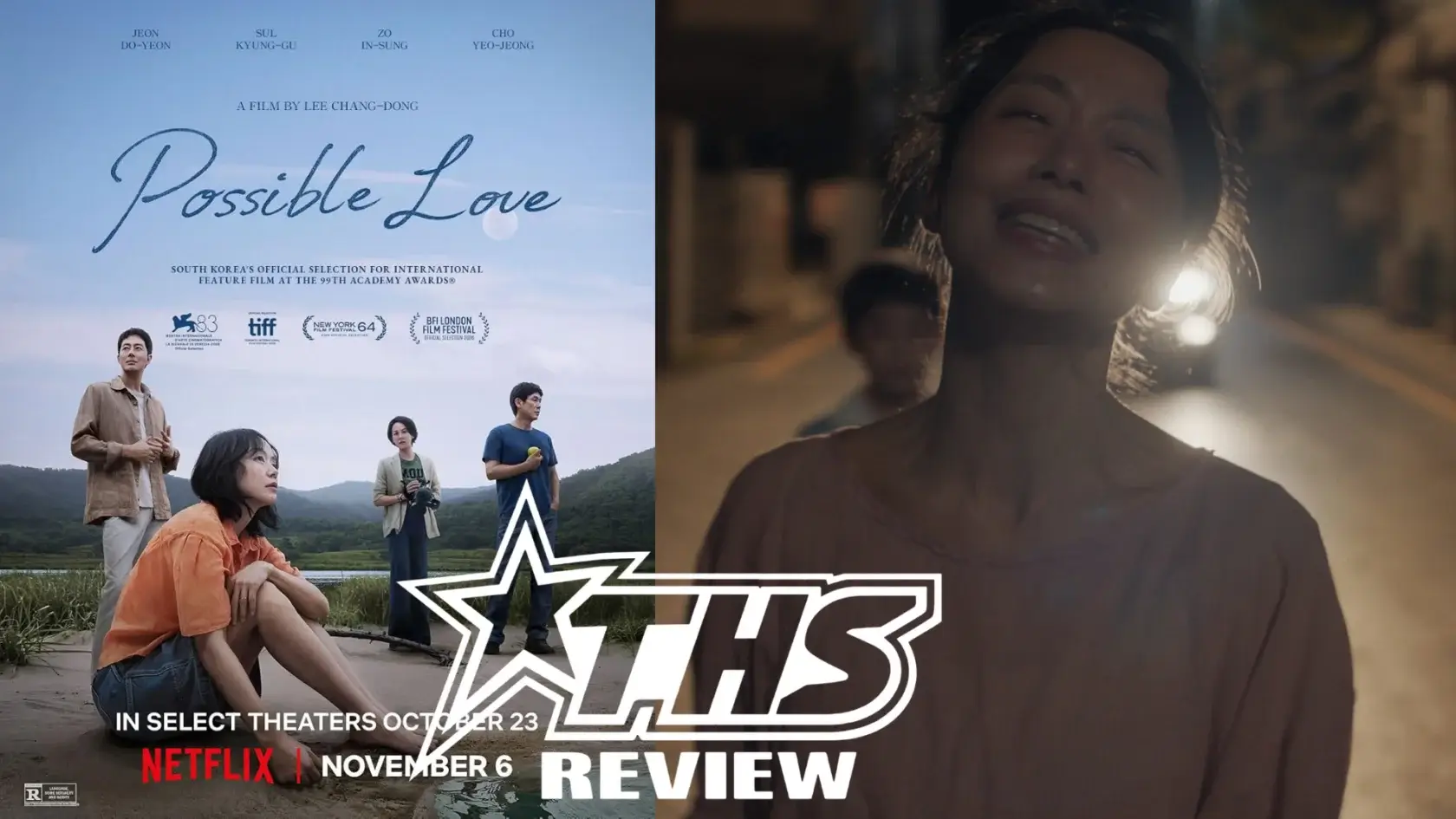
In his first film in almost a decade, Lee Chang-dong (Burning) languidly explores class in a thematically rich piece that rewards attentive audiences. It’s a dense, intricately written, almost three-hour movie that seems mundane on the surface but offers real psychological insight into Korean society.
Chosen as Korea’s submission for an international Oscar, Possible Love opens with two married couples at a funeral. It’s here that two couples from very different classes, backgrounds and levels of compassion meet. Middle-class Ye-ji (Parasite’s Cho Yeo-jeong) is making a documentary about a workers’ strike that ended in traumatic violence and caused ongoing redundancy. One of those blue-collar workers is Ho-seok (Sul Kyung-gu), a man who is a walking ghost, the weight of the world on his shoulders.
This meeting immediately introduces the two couples and how their dynamic will play out throughout the movie. When they arrive at the funeral for one of Ho-seok’s colleagues, he refuses to enter the building, when he does, he’s sullen and uncomfortable. Friends joke that their withdrawn 10-year-old son Cheol (Jung Seol) has more humor than his father; his wife warns him not to drink. It’s a quick but effective snapshot into their lives and dynamic.
A Friendship Divided By Wealth and Social Status
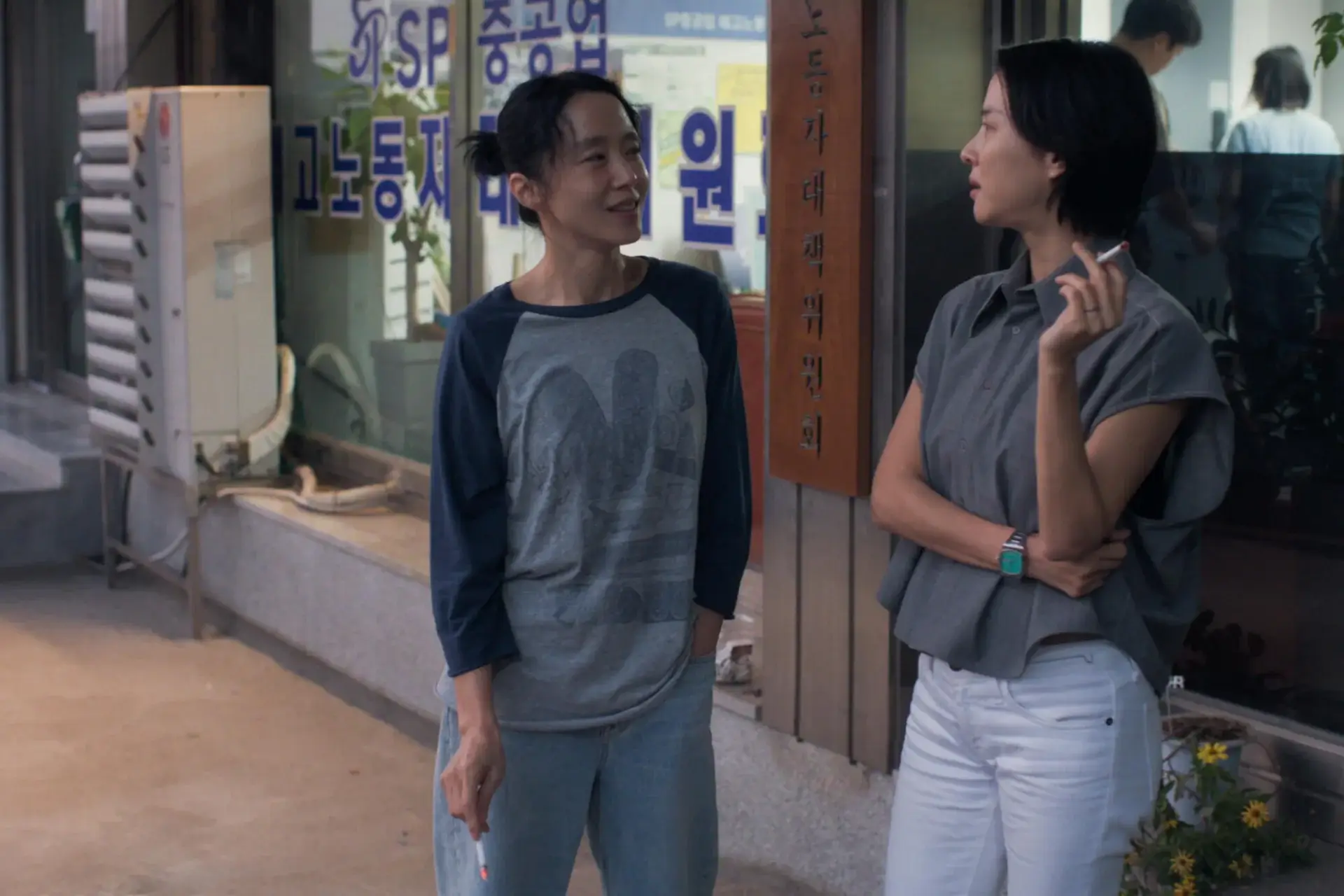
Ye-ji soon befriends his wife, the terminally peppy Mi-ok (Jeon Do-yeon). The filmmaker is married to wealthy and handsome businessman Sang-woo (Zo In-sung), who Mi-ok fondly nicknames Steve Jobs. Their friendship, although genuine, highlights the worst traits in each other. The slow-paced direction style makes their bond feels really organic. Ye-ji is clueless about the issues suffered by the working class; Ye-ji can’t help but enviously Google the price of her new friend’s bag.
Mi-ok is happy to share parts of her life and her second-hand stories of the protests; Ho-seok never speaks about it. The protest and subsequent police response were so harrowing that there are special support groups dedicated to it. The protests affected both couples profoundly, one severely compromised in terms of wealth and the finances of the other.
The couple get together routinely, sometimes for interviews, sometimes for dinner. This blossoming friendship starts to highlight the cracks in Mi-ok and Ho-seok’s marriage and forces them to confront some truths about the protest they had tried to hide. Ye-jis documentary also encourages the couple to think back to youth, growing up together, and how it felt both they became cogs in the blue collar working machine.
A Sympathetic But Patiently Directed Film
A lesser filmmaker would have made Ye-ji and Sang-woo overly smarmy, arrogant rich jerks. And while they certainly have some of those traits, there are far more interesting things to explore about the duo than their wealth. For example, the film raises significant questions about whether a woman in a designer handbag should be making a documentary about workers’ rights. While she is well-meaning, she can’t help but accidentally make jibes about Mi-ok’s paper manufacturing plants or assume that anything missing has been stolen by the family.
The plot slowly hurtles toward its big crescendo. When the quartet couples go off on a weekend at Sang-woo’s beachside mansion, the simmering plot starts to boil over. It’s a wildly bold and unpredictable ending for a film that had sailed smoothly throughout. The class divide between the two comes to a head, as the film theorizes that, as well-intentioned as the wealthy are, they will not understand or care enough about those beneath him.
The main quartet is extraordinary in this film, but the MVP of Possible Love is Ho-seok. Initially, he’s closed off, with a sadness in his eyes that hints that he has seen the unexplained. He can’t speak about it, his pain and shame too much to utter aloud. When the lid comes off his bottled-up anger, it’s one of the most heartbreaking moments in cinema this year. Feeling ashamed and broken and a zombie in your own life is universal.
Jeon is equally as moving as the overly exuberant Mi-ok. She chats away happily, but there are hints she is just desperately holding things together for her son. She’s lost weight with worry, so much so that her wedding band has fallen off. It’s a symbolic representation of their marriage. Being around wealth doesn’t initially make her sad or magnify her issues; she seems giddy with fascination for this other world.
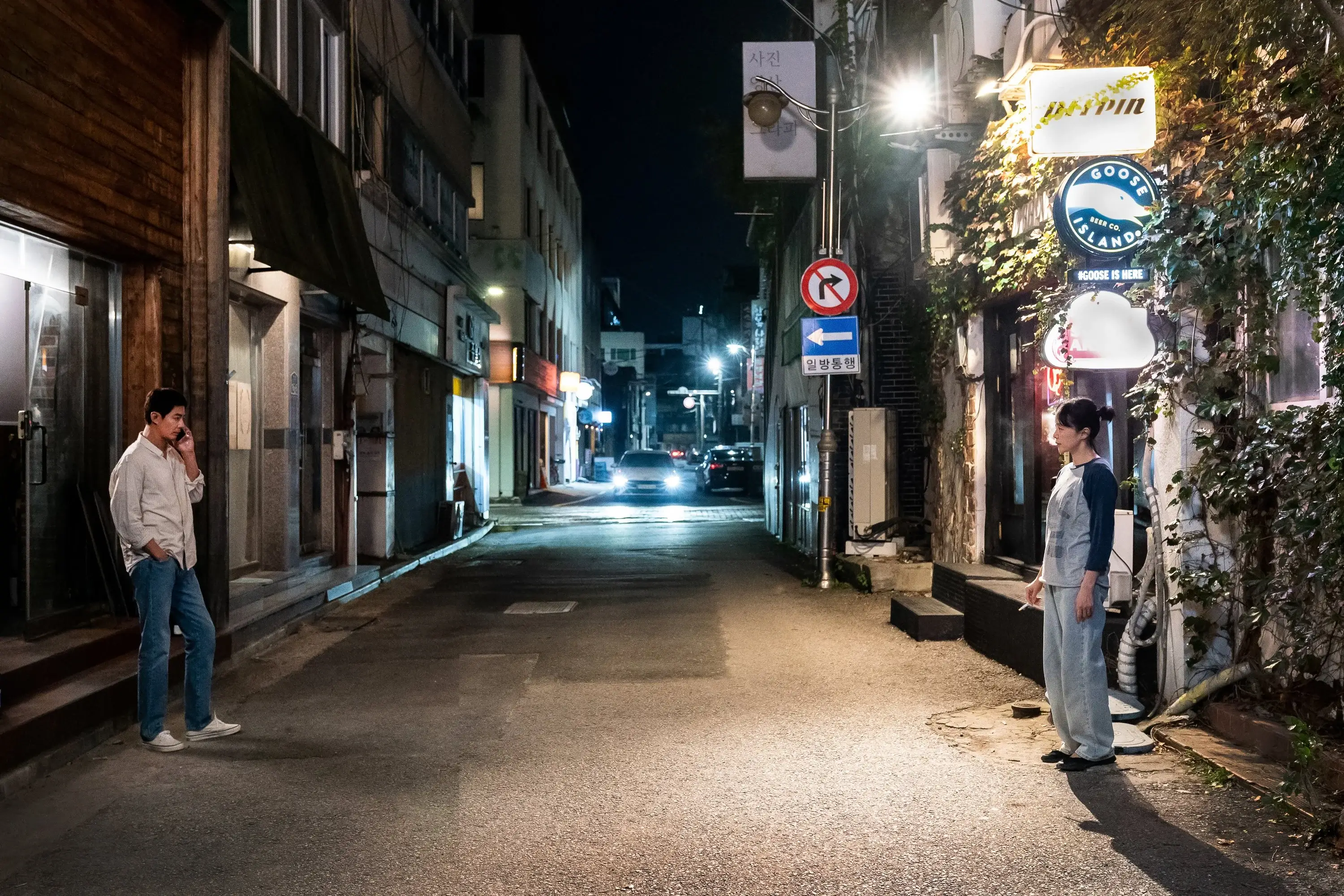
Possible Love Rewards Its Audiences For Sticking Around
Lee Chang-dong understands humanity in a way very few modern filmmakers appear to. Here, he acknowledges the realities of marriage, especially in a crisis, and the pressure a parent and spouse feel to keep their job.
Possible Love is a slow burn between the two couples. Whole scenes play out between them, playing on long after most directors say cut. It’s not a style of filmmaking that will work for audiences. It requires patience, and it needs you to stick until the very end. The first two acts can feel like a slog, but it comes into its own by the third. Every scene has a very specific purpose here, and if you stick to the end, they will all fit together as a perfect puzzle
For more Reviews, make sure to check back to That Hollywood Show.












Reviews