
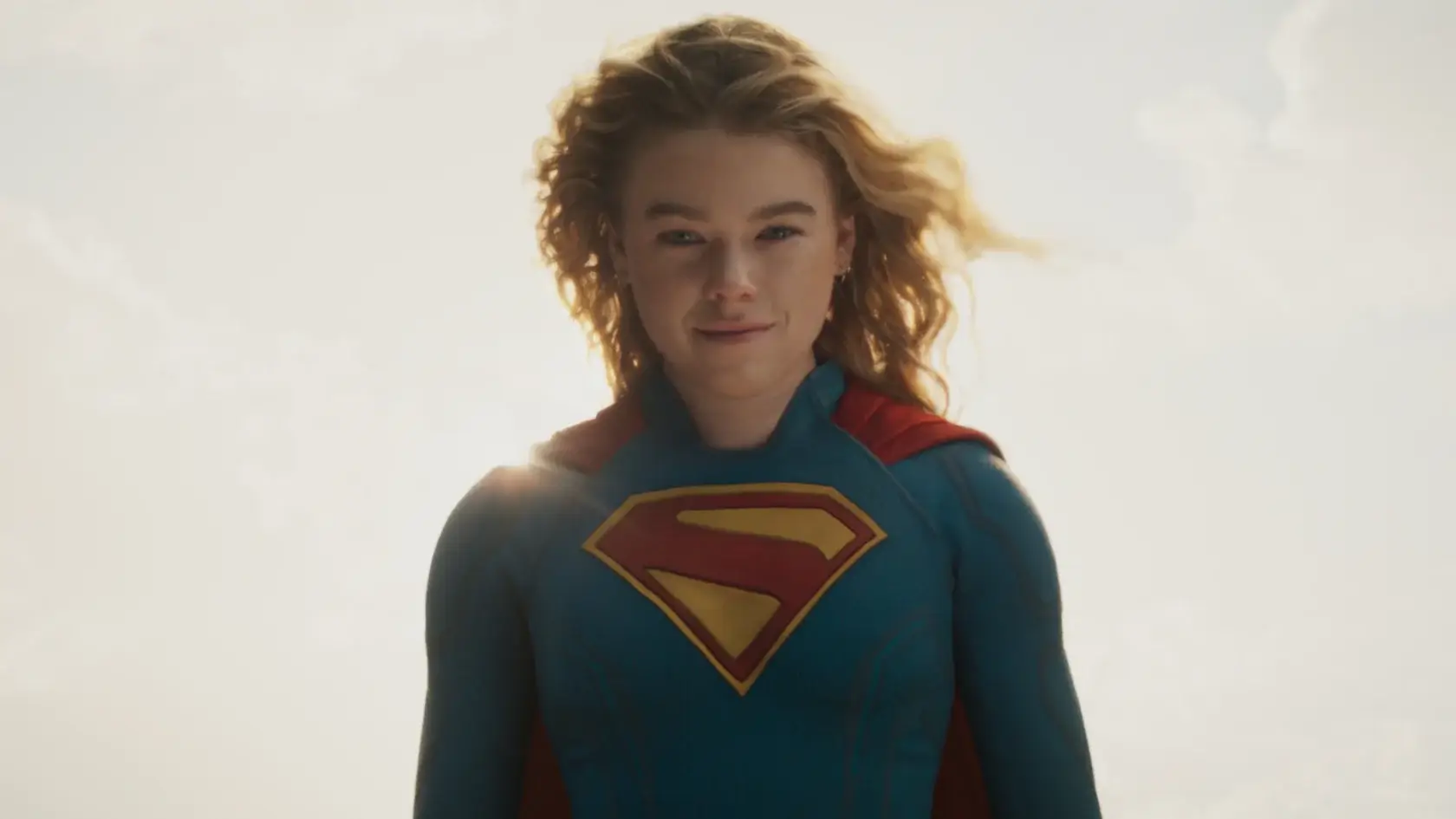
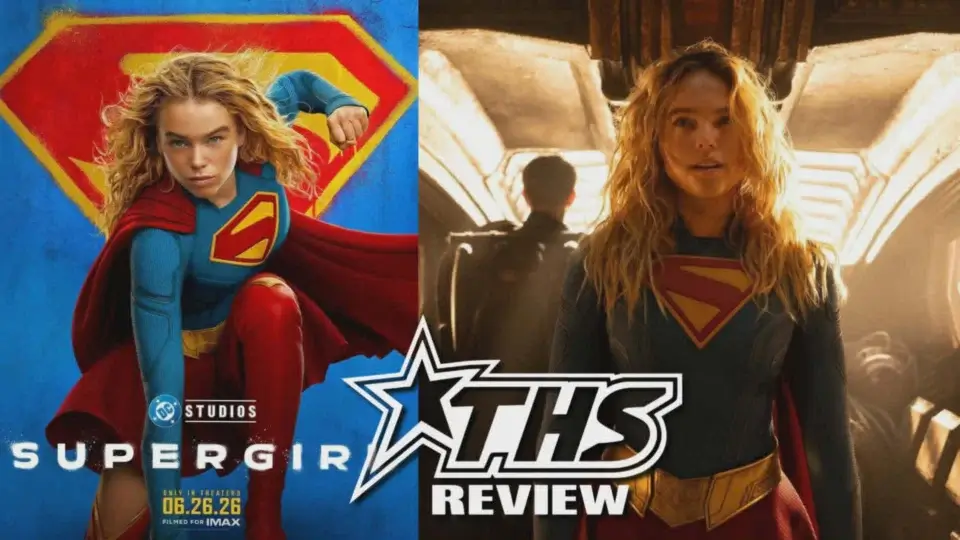
As the second entry of the new DC Universe after last summer’s Superman, Clark Kent’s cousin Kara Zor-El was expected to soar high with the release of Supergirl. Interest seemed to be there when it was announced that the film would be an adaptation of Supergirl: Woman of Tomorrow by Tom King and Bilquis Evely, and given the fact that Superman performed well last summer ($618.7 million earned worldwide), the DCU kicked things off with enough goodwill to build interest in Supergirl. Alas, that was not the case when the film opened last weekend following mixed reviews.
The box office was immediately lackluster, and it was quickly being deemed as one of the financial misfires of the summer movie season after Amazon MGM’s Masters of the Universe. It’s an unfortunate start with a few moving parts that have played into its reception. Perhaps the sad reality is that, despite what DC Studios co-CEOs James Gunn and Peter Safran may have believed, Supergirl was always going to be a tough sell from inception to its release.
The bad news for Supergirl began when pre-sales didn’t seem to budge from a suggested opening in the $50-60 million range. Even though early signs suggested it could open around the $74.3 million of last year’s Thunderbolts*, it was soon realized that audience interest simply wasn’t there. This was even after the film’s social media embargo was lifted a few days early, indicating confidence in the finished product.
Pre-sales still didn’t budge when those early notices appeared solid, and things only got worse for the Craig Gillespie-directed film when reviews emerged as decidedly mixed (currently 54 percent on Rotten Tomatoes). The result was a disastrous opening weekend of $37.1 million domestic and $68 million worldwide on a reported budget of $170-186 million, which doesn’t include marketing costs.
Supergirl Isn’t Well-Known Enough To Casual Audiences
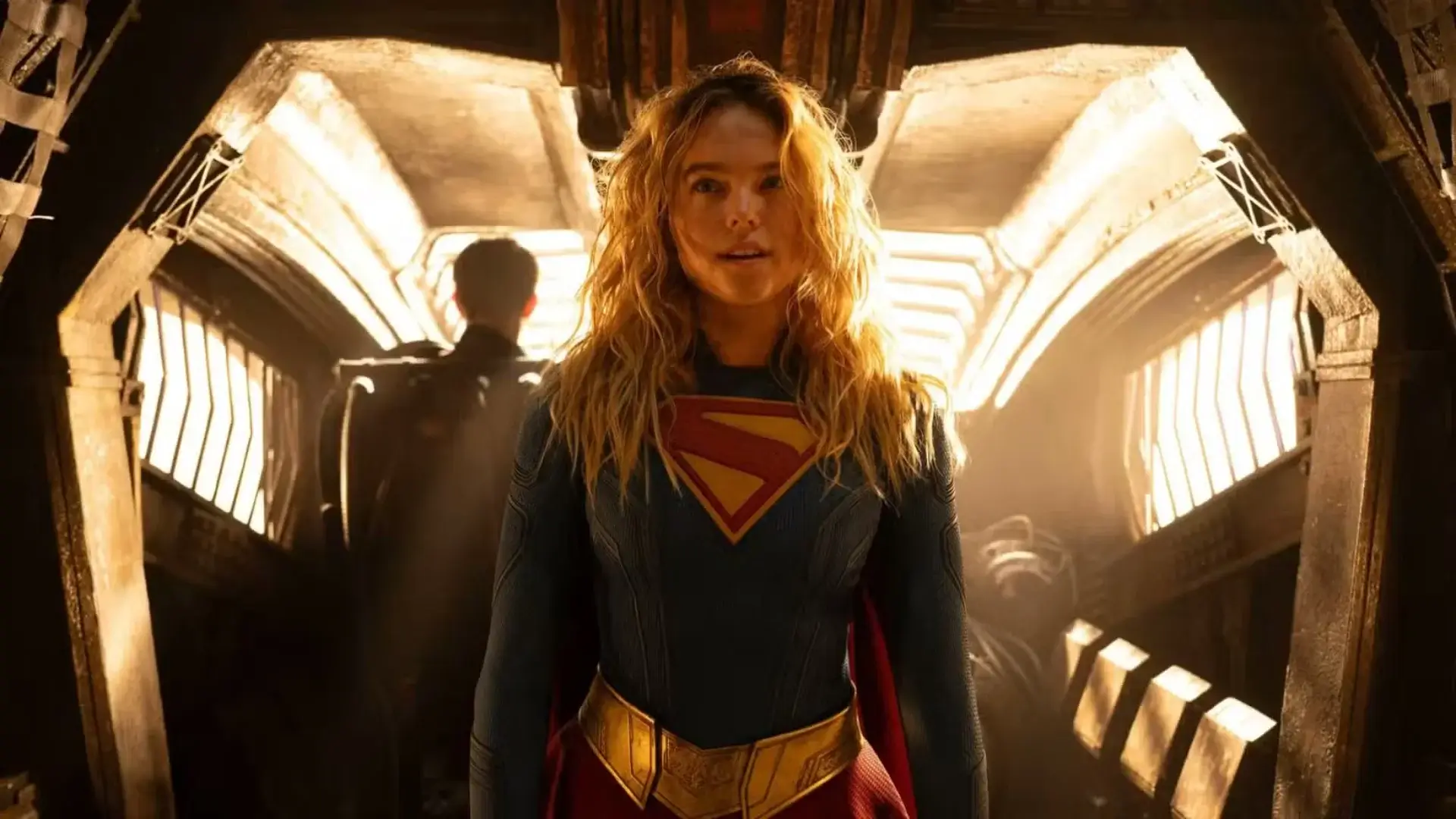
On the one hand, it can be respected that Gunn and Safran haven’t gone all-in on using all of the popular DC Comics characters right out of the gate to shape their cinematic universe. It would’ve been easy, right after Superman, to dive into Batman or Wonder Woman, but this has been done before, and it’s clear they intend to approach things differently. The downside to this is that, unless the project involving secondary/side characters is top-notch work, it can be hard to appeal to casual audiences who aren’t familiar with the lesser-known personality.
Kicking things off with Superman last year was a wise choice, but Supergirl as a second endeavor was always going to be a gamble because while Superman’s cousin is a recognizable character, she doesn’t have his mainstream appeal, and it certainly lags behind that of Batman and Wonder Woman. Adapting Supergirl: Woman of Tomorrow, which was a well-received eight-issue miniseries that could make for a solid live-action tale, was a choice that could’ve gotten around the character’s lack of mainstream visibility, but the powers that be seemed to mostly bank on her connection to Superman.
In mainstream media, the character’s exposure has been mixed. The 1984 film, while a cult favorite now, was a disaster when it was released, and it definitely didn’t capture a broad audience. The Melissa Benoist-led series, which ran for six seasons and 126 episodes, fared much better, but like most of the DC shows that aired on The CW, it had to deal with legitimacy while airing on a network believed to be the home of pretty faces rather than prestige output.
Supergirl is a character often relegated to sidekick status in larger ensemble storylines. That’s not to say she couldn’t have led her own feature film in the DC Universe eventually; it just would’ve made more sense to introduce her with a substantial supporting role in a Superman film and then give her the chance to shine in her own project. Her brief introduction at the end of last year’s Superman simply wasn’t enough. At least not to entice casual audiences and moviegoers.
Sadly, Online Toxicity Still Exists

Despite films like Captain Marvel and Wonder Woman achieving financial and critical success, the reception to female-led comic book films, particularly online and before they’re even released, is still downright misogynistic and toxic. In a recent interview with The New York Times, Safran commented on the film’s box office performance and expressed some of the negativity that erupted following star Milly Alcock’s comments in Vanity Fair leading up to the film’s release and other comments she made during press interviews regarding the character “not living inside the binary of gender expectations” and about the movie not centering around a man.
Safran expressed that they “were surprised by both the ferocity of the backlash and its reach, believing the culture had evolved past that sort of campaign.” The sad reality is that things haven’t evolved much in this area, and it remains a space where social media, in particular, becomes a firestorm of visceral disdain simply because a film wants to showcase a woman in a role where she’s strong and in charge of her own agency.
In the case of Supergirl, the film has been lambasted in some circles by people who clearly haven’t seen it yet and simply want to bash it as if they’re putting a woman in their place. In these circles the comments get more pointed and offensive, with Alcock taking the brunt of the attacks and not for her performance (which is excellent) but because of her looks and other attributes that hopefully the people around her are shielding her from because it wouldn’t be good for anyone’s psyche to hear unwarranted jabs like this simply for taking a job and be brave enough to be at the center of a mainstream project of this stature.
This doesn’t just stop at the men and incels, either. On the June 29 episode of The Megyn Kelly Show, the titular and performative host took the time to attack the movie following its box office performance, but her comments were laced with barbs that you would typically hear from misogynistic men. Kelly said, “We’re over the forced-upon-us girlboss era. We’re no longer buying it. It’s not that women can’t be empowered and fierce and all the great things. It’s just, stop forcing it on us in the form of ‘Supergirl.”
Then, instead of maybe suggesting what women and audiences might want to see that could be viewed as more authentic and less “forced,” she took the time to turn her comments to Alcock and her comments about sexism in the superhero genre. The host expressed that “People don’t want to hear it,” and then she seemed to mock the former House of the Dragon actresses’ comments because her work on the Game of Thrones spin-off shaped her views by saying, “You were in light porn. ‘Game of Thrones’ is soft porn. Who does she think she’s kidding?” Then she went on to criticize her stature and believability in the role because of it.
Online, they say she’s 5’5″. If she’s 5’1′, it’s a miracle. She’s very weirdly small, and they want us to believe she’s this fierce, super[hero]. No, she was in ‘Game of Thrones.’ She was very weird-looking, and she created problems for herself.”
This is the era we’re living in. A time when even a woman with a platform like Kelly can sling attacks like this. It’s unclear when we’ll get away from this or if we ever will, but it’s unfortunately a problem this film was going to face. Even if it’s clearly disgusting to discuss a film in a manner that doesn’t critique the film and merely attacks the actress or the movie’s place, highlighting a female superhero.
Supergirl Needed A More Manageable Budget
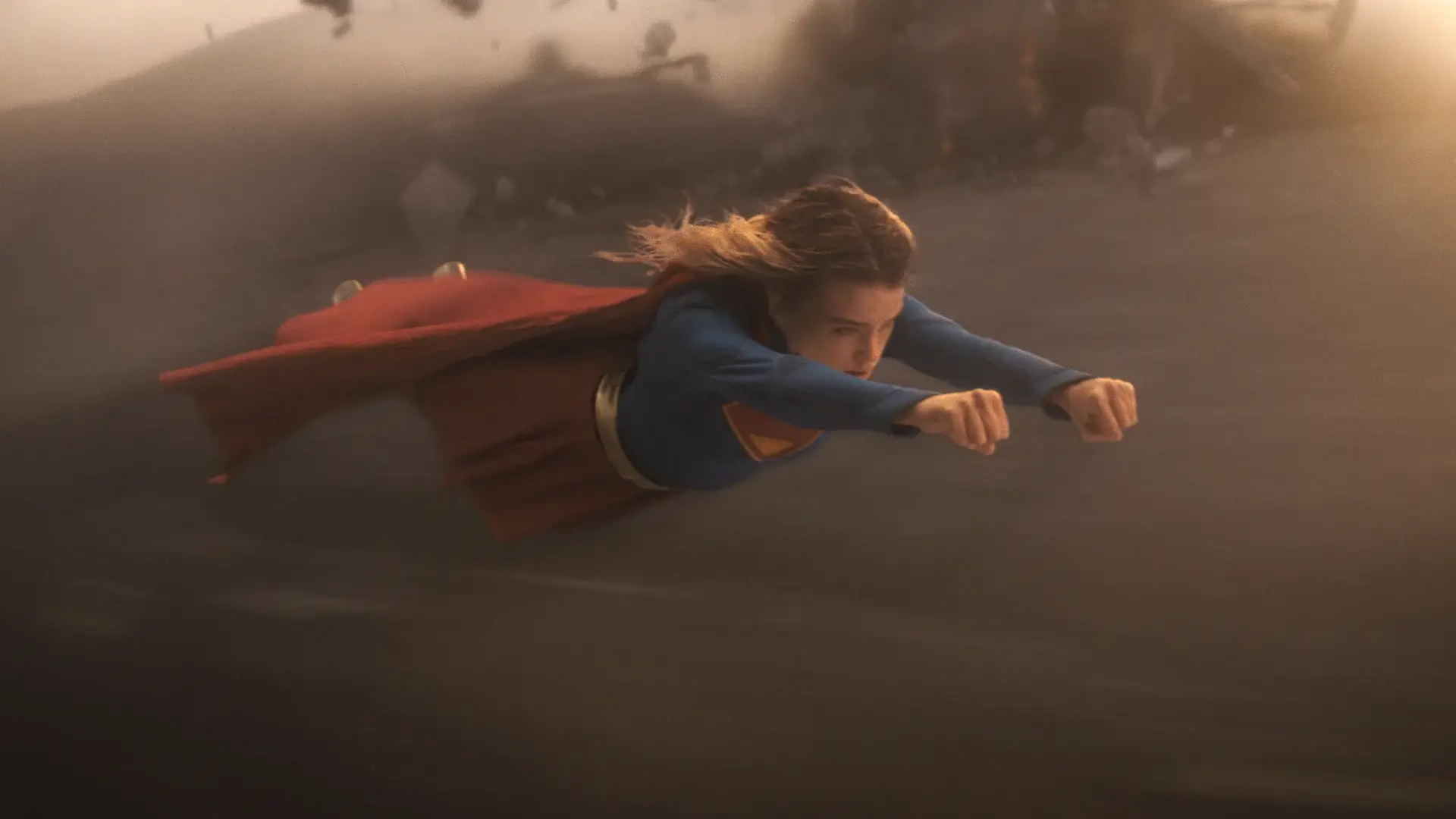
Superman, having a reported budget of $225 million, not including marketing costs, was massive for a character with more mainstream appeal, so it’s a bit head-scratching that Supergirl was put into production with a budget of $170-186 million before its $125 million marketing spend was factored in. Superman pulled in $618.7 million globally, and most of that came from the domestic box office ($354.2 million), so one has to wonder what Warner Bros. and DC Studios thought Supergirl would pull in and why moves weren’t made to make the budget more manageable because of this.
Given the size of the film’s budget, some reports say it needed to gross at least $500 million globally to simply break even. Supergirl could’ve easily been a project with a smaller budget that still would’ve looked like a near $200 million movie without having to throw that much cash at it. If Superman lacks true widespread international appeal (he’s way more popular stateside), then his cousin wasn’t going to have much of it either, and that’s evident by its global start, which isn’t expected to get any better.
Supergirl’s bloated budget is even more baffling, a bit since the story could warrant something smaller. The film isn’t tied to a grand cosmic event that shapes most comic book movie efforts. It’s more of a personal story about self-discovery, and even though it has its fair share of action set pieces, they’re not grandiose, and what one might expect from a film like this. Supergirl’s big-screen adventure could’ve had a tighter budget that would’ve stopped some of the bleeding it’s currently experiencing.
Supergirl Needed To Be Better

As it stands, Supergirl is a fine comic book film, but this is one that needed to be better than that to avoid a potential backlash. With a current 54 percent on Rotten Tomatoes and a “B-” CinemaScore, the movie just wasn’t up to par with critics and audiences who gave the film a shot. Sure, there is a pocket of the audience that was going to bash it anyway after seeing it, but a larger pocket would’ve embraced it if the film were better than average.
Supergirl, in many ways as a film, feels like a step back for the genre, and that has nothing to do with it being a female-led comic book movie. Alcock carries most of the film on her back, and that’s why it’s more frustrating that the movie around her isn’t better. The action scenes never really pop, the villain fails to resonate, and the stakes just never feel high enough. Supergirl needed to be more than a series of entertaining moments that worked. The film as a whole needed more agency, and there is much debate as to why this didn’t happen.
Some believe that Gillespie, despite directing female-led projects like I, Tonya, and Cruella, wasn’t the right choice for this film because he doesn’t have a background in tentpole action films. His direction of the action is adequate but not fantastic, and he lacks an exciting visual flair that this film needed. Others have pointed to Ana Nogueira’s screenplay, with a lot of critical reviews citing it as a primary weakness. It’s possible that Nogueira’s script had issues, but given Gunn’s confidence in it and her being attached to an untitled Teen Titans film and a fresh take on Wonder Woman, I’m of the belief that her screenplay was tinkered with a lot during filming.
It’s more than likely that Gunn was involved in the creative process through shooting and post-production, so with his inclusion, you have Nogueira’s script and Gillespie’s direction mixed with Gunn’s vision. This could lead to a project without proper cohesion that results in a muddled final product.
There Is Still A Place For Supergirl
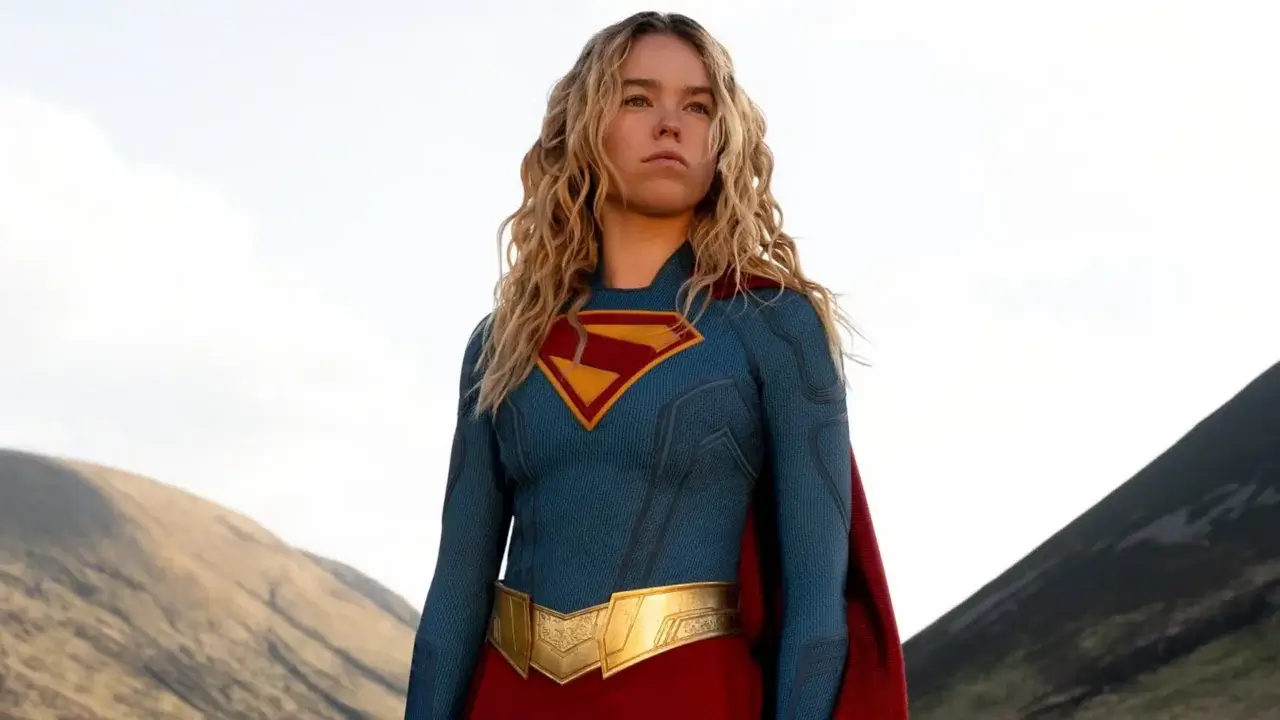
Despite the performance of Supergirl, this doesn’t mean that there is no place for the character in the DCU. She’s said to have a decent-sized role in the Superman follow-up, Man of Tomorrow, which bodes well because some of the best moments in Supergirl are the banter and rapport established between Alcock and David Corenswet’s Man of Steel. Seeing more of their interactions in a more sizable manner will certainly be welcomed.
In addition, despite what the internet or media might say, Alcock was a great get for Supergirl, and her talent in the role should not be squandered because her solo project didn’t fly as high as anticipated. When commenting about the film’s box office, Safran said, “While Supergirl didn’t meet our box office expectations, it’s just one component of a broader, long-term strategy at DC Studios that we remain confident in.” Let’s hope that Alcok and Supergirl remain part of that “broader, long-term strategy” because she deserves a place in it. She just needed a better launch for her to truly take flight.
Supergirl is now playing in theaters natonwide.
-

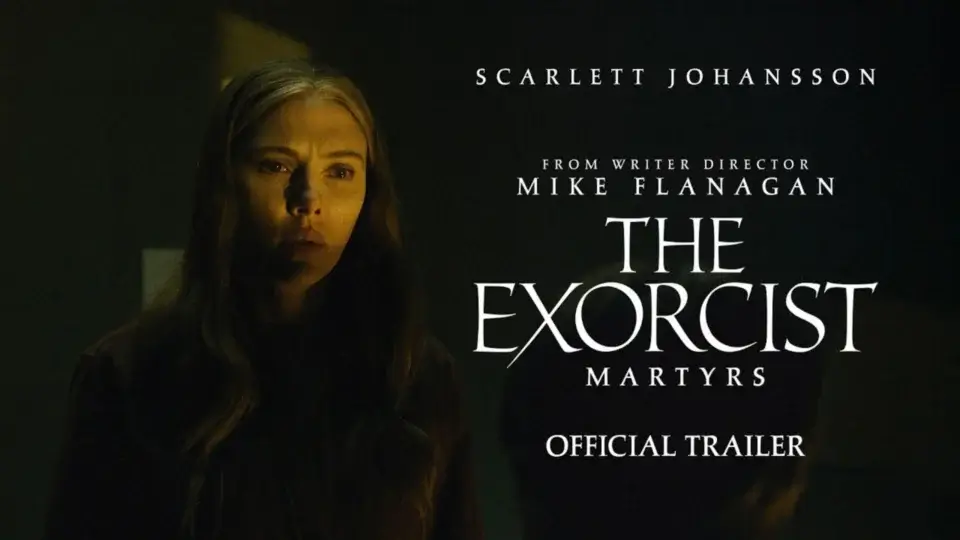
Blumhouse Unleashes ‘The Exorcist: Martyrs’ Trailer
Blumhouse and Universal Pictures have officially released the trailer for The Exorcist: Martyrs. The new film comes from writer/director Mike Flanagan and is the eleventh film in the Exorcist franchise. Check out the trailer below. The film stars Scarlett Johansson, Diane Lane, Chiwetel Ejiofor,
-
Score: 7.5
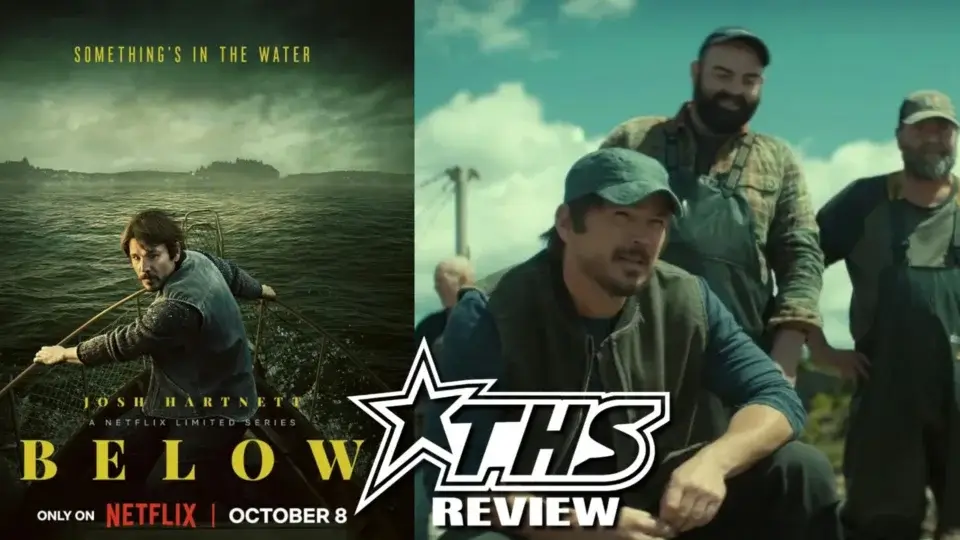
Below -TV Review: A Thrilling, Chilling Sea Monster Adventure
In the wake of the success of Apple TV+ Widow’s Bay is Below, an eerie supernatural Netflix drama about a fishing village in remote Newfoundland. The comparisons between the two feel inevitable. Both share enough water-based, spooky supernatural DNA to satisfy your cravings for the Matthew Rhys
-
Score: 5.5
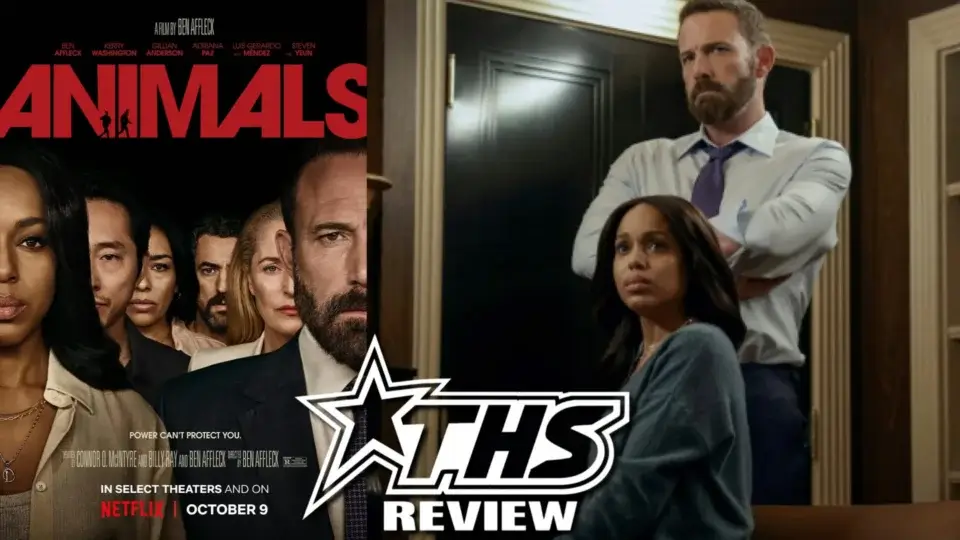
Animals [Review] – Ben Affleck’s Sanitized Netflix Political Thriller Takes No Risks
It is hard to imagine that the man who made Argo, arguably one of the best political thrillers of the 21st century, helmed Animals. Unlike the 2011 Oscar-winning drama, Animals is a paint-by-numbers drama that never commits to a single risk or novel idea. Director Ben Affleck takes on the leading
-
Score: 10
‘Tenzing’ – A Mount Everest Sized Achievement [Review]
Mount Everest is literally the physical pinnacle of Earth. It makes sense that climbing it for the first time on record is considered one of the pinnacles of human achievement. Tenzing is the first narrative feature from Sherpa and Mountain director Jennifer Peedom, who beautifully captures both




What Might Come After the Multiverse Boom
Every era of genre storytelling eventually hits a saturation point: grimdark reboots, found-footage horror, YA dystopias. The multiverse probably isn’t going away completely, but it will stop being the default twist.
What’s likely next:
- Smaller, character-driven arcs inside big franchises
- Self-contained seasons and films that don’t require a viewing checklist
- New “hooks” built around tone and format (anthologies, limited-series experiments) instead of timeline gymnastics
When the dust settles, the multiverse stories that last will be the ones that used the concept to say something true about their characters, not just their continuity.


![The “Digger” Complex: Satirical Deconstruction Through Nihilistic Cynicism and Movie Stars [Spoilers]](https://thathollywoodshow.com/wp-content/uploads/2026/07/diggers-1500x844-1-960x540.webp "diggers-1500×844")





Reviews