
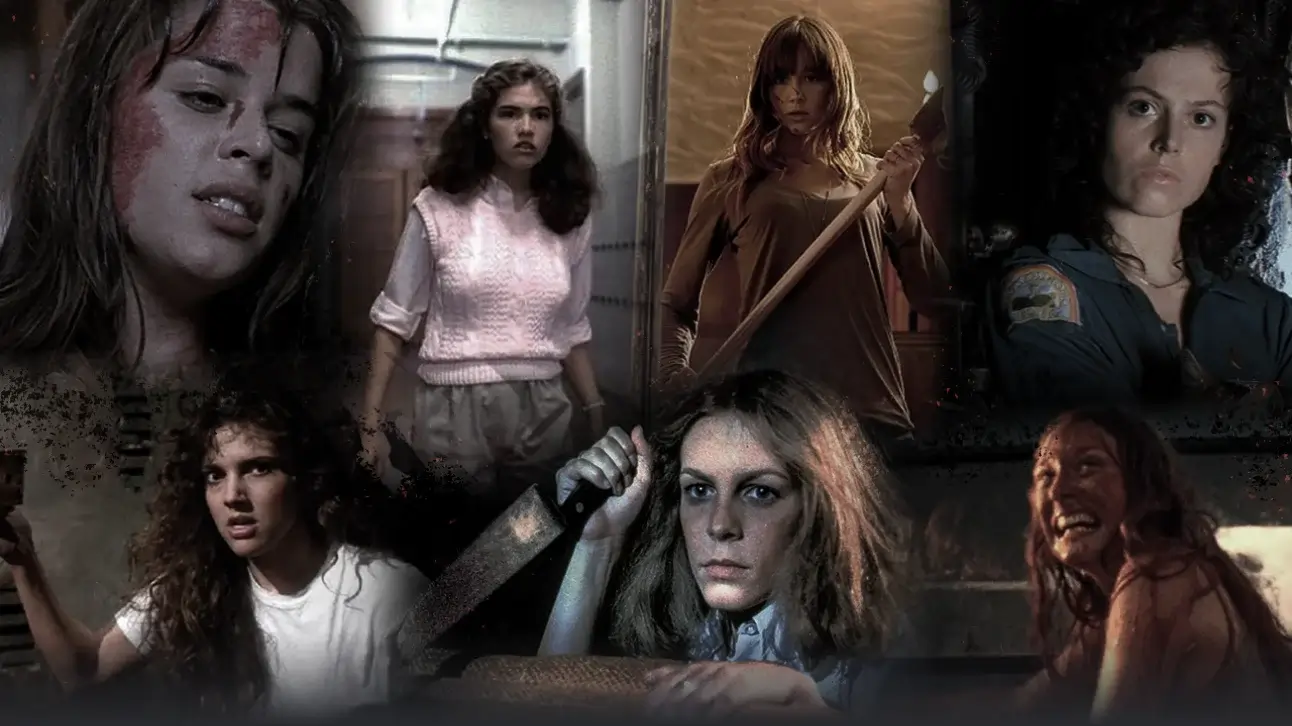
As Halloween quickly approaches, you might find yourself taking in horror films that may have one thing in common, and that’s the concept of the lone survivor. However, unlike most lone survivors in film, the one person who has to face off against the movie’s monster is typically a woman. Despite some critics suggesting that the horror genre is misogynistic and doesn’t respect women, most fans have long celebrated that horror has given female characters a platform where they emerge as the strongest, most intelligent, and most resilient individuals by the time the end credits begin to roll. Horror may not be universally loved, and it has seen its share of detractors, but there is no denying that it’s a genre where women tend to shine, and it’s a trope that continues to be prevalent today.
The concept of the “final girl” is usually associated with the slasher film subgenre of horror. A slew of characters in these films are typically introduced, and they each have identifiable traits that shape their personality before they become the target of a killer’s wrath and begin to be picked off one by one. In the simplest terms, you might get the party girl, the comic relief, the jock, and the promiscuous one. This leaves one last trope, and that tends to be the innocent one. The lone character not distracted by hooking up, partying, or any kind of tomfoolery. She’s typically the character that makes it until the end, and she’s usually the film’s “final girl” who has to match wits with the film’s villain and slay the dragon, so to speak.
Is The Final Girl An Outdated Concept?
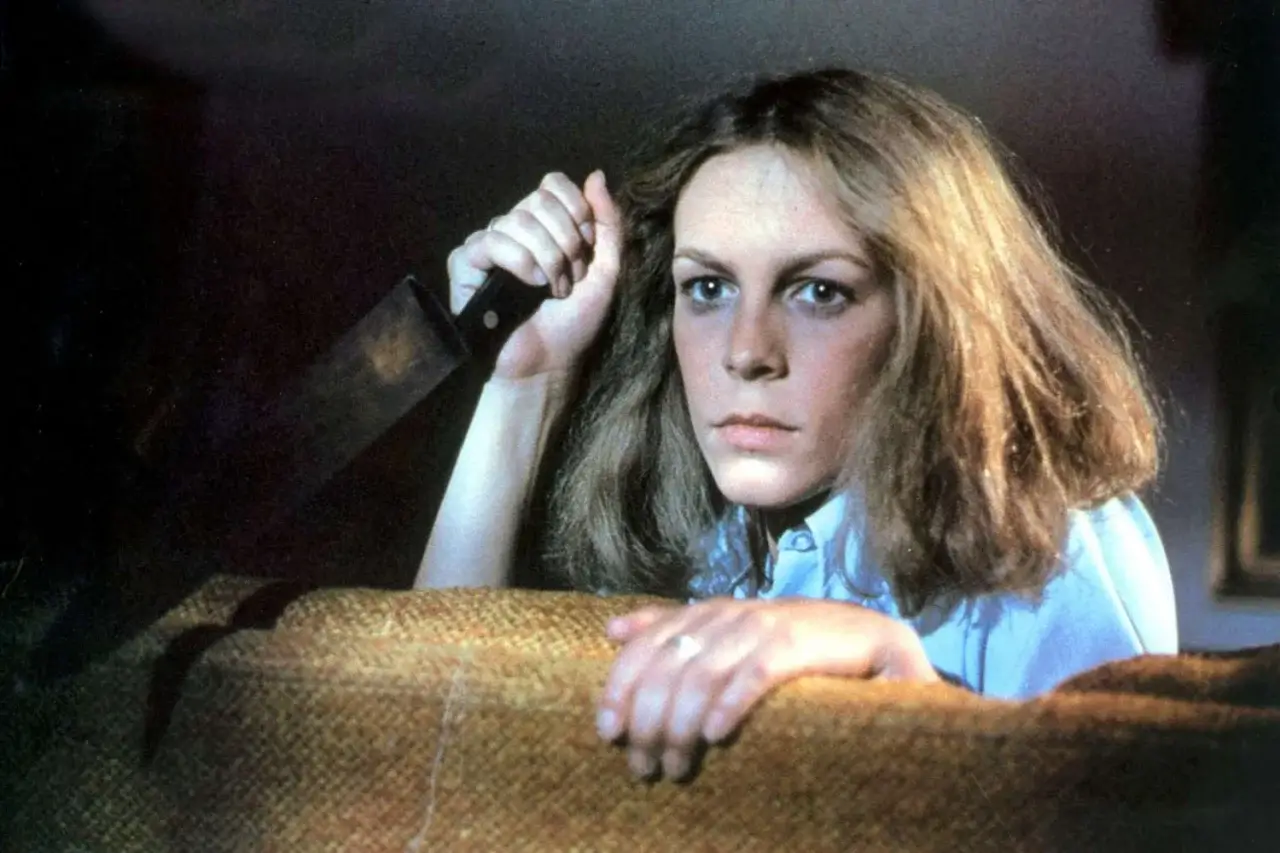
Critics have often been divided about the final girl trope. Is the final girl a feminist icon, or a product of the male gaze, shaped by how men view innocence and what makes a good girl? The idea that only pure virgins are inherently good, and those who push back on that are inherently bad, does seem like it was born out of some male outlook towards certain types of women. The thing is, even though women tend to be the leads in a genre dominated by male filmmakers, some criticism of the final girl trope is that viewers might find it easier to become emotionally invested in a lead character who is a beacon of vulnerability and chastity. This is why, in most cases, the person left standing at the end is a woman, or she’s standing side by side with her male lead.
The original trope of the final girl is certainly outdated, and that’s why fresher examples have turned it on its head a bit. Being a virgin is no longer necessary (look no further than Scream’s Sidney Prescott, who loses her virginity and has been the face of survival in that franchise). You also get examples like Erin Harson in You’re Next, who might seem unassuming when first introduced but is revealed to be a survivalist who has no problem handling herself during a home invasion. Final girls can be flawed, complicated, and have a troubled past. Their innocence isn’t what gets them to the end; it’s their inherent experience. They have lived a life that plays a part in their survival.
That’s not to say that the final girls from back in the day didn’t fit into simple stereotypes either. Jess Bradford in 1974’s Black Christmas is dealing with an unwanted pregnancy when the audience gets to know her, and she’s even contemplating having an abortion. Despite you feelings about what the closing credits and phone ring at the end of Black Christmas represents, she for all intensive purposes survives until the end, despite a character backstory that would make her flawed by most horror movie standards. What most horror fans have learned over the years is that the final girl doesn’t have to be one thing and that some of the stereotypes associated with them can certainly be done away with.
Resilience & Intelligence
An aspect of the final girl that still resonates today is her ability to confront and destroy her monster not only with brawn, but through resilience and intelligence. She’s typically pragmatic, observant, and tenacious in her ability to survive. This is why some horror filmmakers have pushed back on the notion that horror is punishing female characters who are promiscuous and rewarding those who are virginal and pure. For some, it’s as simple as the character deemed to be innocent is paying attention to what’s going on around her more and is not distracted in the same way her friends are.
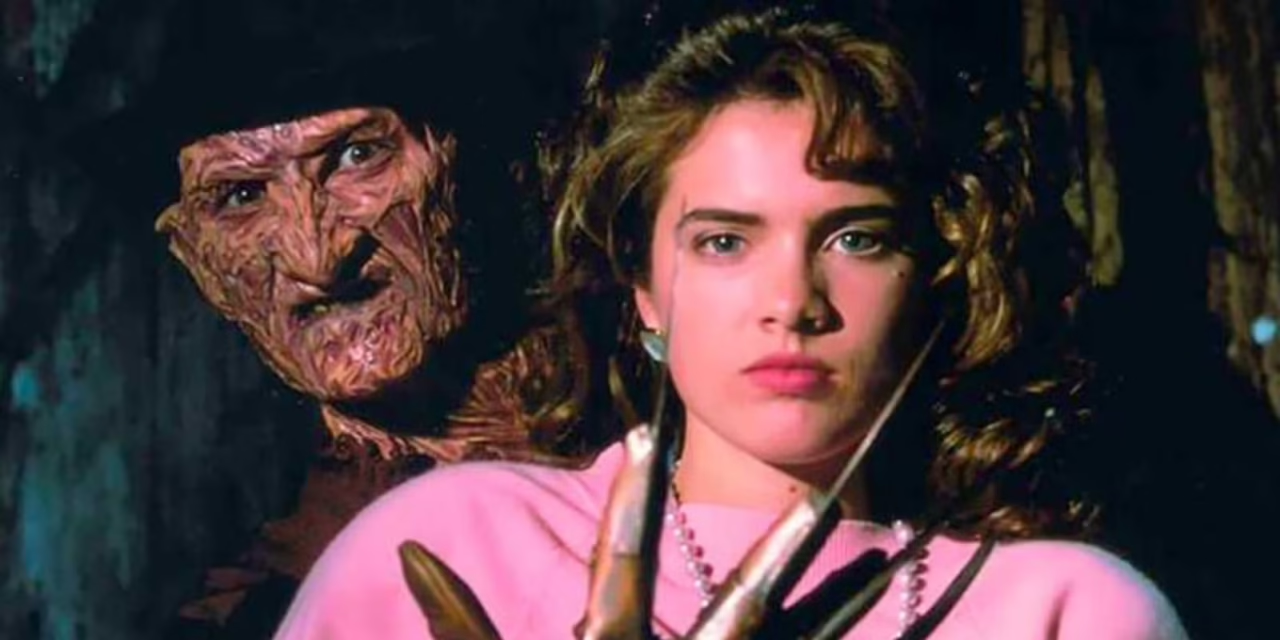
Final girls usually shift from victim to an active agent of their situation. They might begin the story as someone vulnerable and susceptible to fear, but they emerge as someone who takes charge of their situation. In A Nightmare on Elm Street, Nancy Thompson comes up against a monster that is killing her friends in their nightmares. Freddy Krueger is a different type of boogeyman, feeding on the fears of the young adults he pursues in their dreams because it gives him power. Nancy, who physically stands up to him on more than one occasion, realizes that her biggest weapon against Freddy is to take back all the power she gave him. Every ounce of fear and moment of her time that she wasted being afraid of this person is ultimately what defeats him by the end of that first film. She’s assessed her situation and discovered the true way to vanquish evil.
This can also be found in Kirsty Cotton, the heroine of 1987’s Hellraiser. After opening the mysterious puzzle box out of curiosity, she summons the Cenobites, who attempt to force her to return to their realm, where carnal desires can no longer be distinguished between pleasure and pain. Realizing that she came across the puzzle box after an encounter with her uncle Frank, who has returned in a skinless form seemingly from their world, Kirsty reveals to the Cenobites that Frank escaped them and arranges for him to be taken instead of her. They agree to her bargain, only if they hear Frank confess to escaping them, and even though they try to turn the tables on Kirsty in the end, she sends every single Cenobite back to where they came from. Despite being under immense pressure, Kirsty becomes keenly aware of what they desire and uses it against them.
The Female Audience Continues To Make Horror Thrive
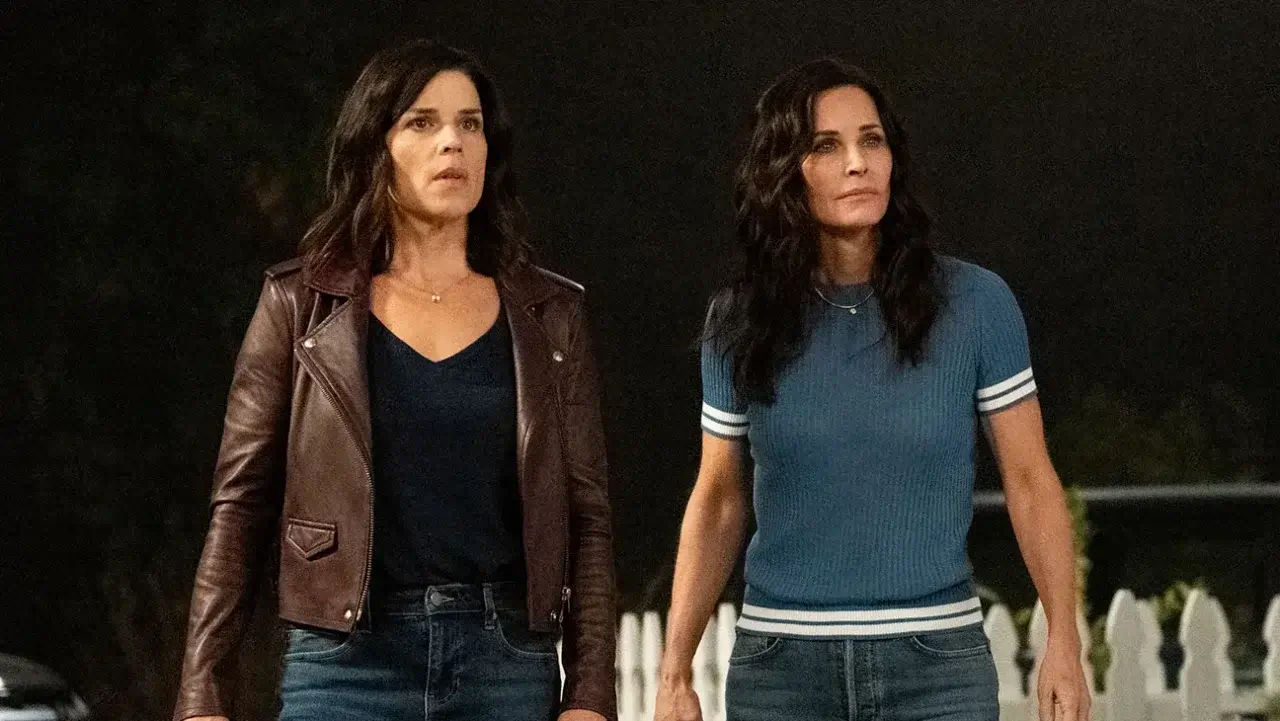
Despite horror seemingly appearing to be a male-oriented genre, female fans have consistently praised horror for the ways it presents them with strength and respect. As the final girl, women are rarely sidelined in horror films, and they are typically at the center of the story with complex attributes that aid in defeating the threat against them. She’s an active protagonist who isn’t just there for eye candy. If anything, she’s driving the narrative and keeps the audiences focus.
This could be why, among other reasons, why the horror audience is very split. Recent box office tracking shows that the horror audience is split down the middle between men and women, with each typically making up 50 percent of the audience for more recent releases, depending on the subgenre. John Carpenter, director of Halloween and the co-creator, alongside Debra Hill, of the genre’s signature final girl, Laurie Strode, has long paid attention to the female audience and has only seen it grow. Carpenter said, “Another trend is that a lot of women are going to see horror films. That’s a really welcome development for horror… It actually has a broadened audience.”
This isn’t all tied to a female angle that feels strong to them. Much like the guys, women will enjoy a good gore-fest with the best of them, but female leads and female-driven stories certainly help make the horror female audience evolve. With this year’s Obsession, while Nikki wasn’t a final girl in the traditional sense, she was the victim of a male antagonist who stripped her of her power, autonomy, and agency. That film became a topic of discussion for that very reason, and viewers were quick to notice various scenes where the real Nikki fought to emerge. The final girl doesn’t always need to be stalked and chased by a killer with a knife. Some of the threats are far more psychological and, in some cases, realistic.
The Final Girl Trope Will Contine To Evolve
As horror films continue to evolve with the times, so does the overall concept of the final girl. They no longer have to be passive or victims in the tradiontional sense, they can become the agents of destruction against their monsters, even hunting them down before becoming actively pursued.
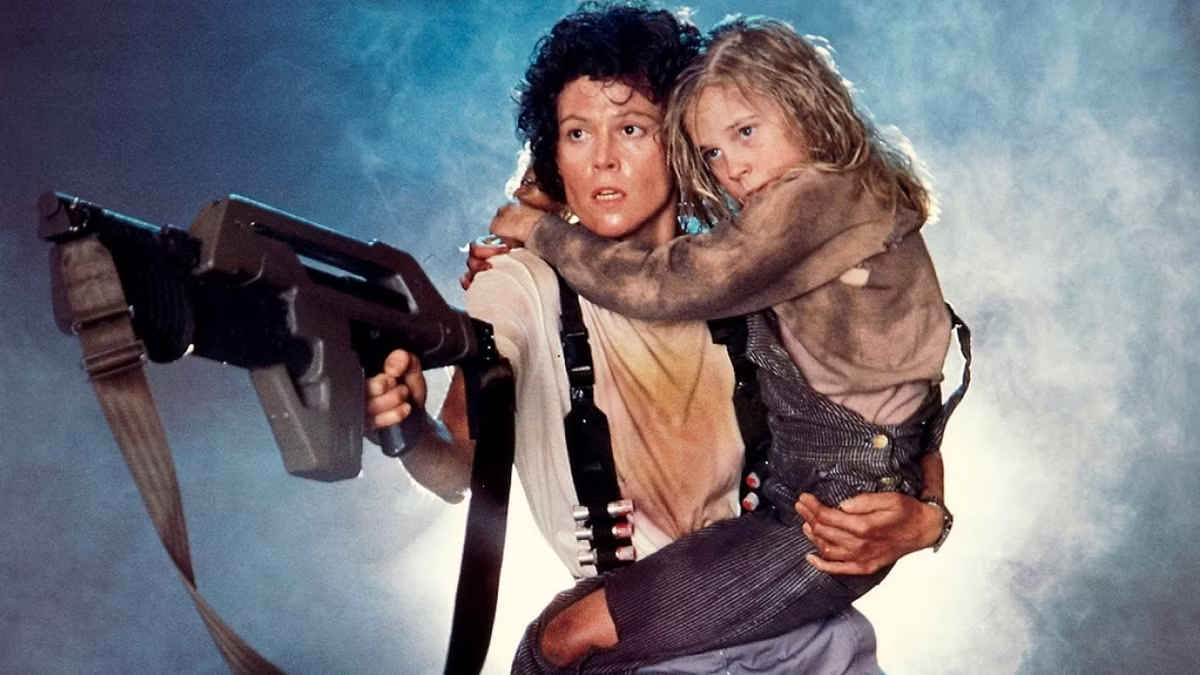
This trope is something we’ve seen in the past, but it’s great to see that it has evolved from its beginnings. Watching Sigourney Weaver in 1979’s Alien as Ripley is a far different beast from her progression in its sequel, Aliens. She’s quiet and more pragmatic when we meet her aboard the Nostromo in Ridley Scott’s film. She’s third in command and a standard crew member who, by the end, utilizes the environment around her and quick thinking to escape the Xenomorph.
In Aliens, because of the trauma she endured in the first film, she actively arms herself and takes immediate action because she’s aware of how dangerous the threat they’re facing is. She’s a hardened survivor who even goes beyond final girl tropes by transforming into a fully-fledged action hero. This is driven home even more by her desire to protect the young Newt by any means necessary.
You see this agency even more in the final girls of today. Some of them no longer run and hide; they take an active role as the monster’s executioner. In many cases, you’ll find them leading the charge more rather than playing second fiddle and needing the heroics of a man to save them. As the horror genre progresses year to year, you see more women in the final girl role taking action rather than waiting for the threat to come to them. Laurie Strode in 2018’s Halloween was prepared for her monster, no matter how crazy it made her appear, and her preparedness turned out to be very right.
As the final girl trope changes as each filmmaker seeks to create their ultimate heroine, it’s not something that should be viewed as a detriment or a slight against women. The final girl represents a woman at her strongest in all facets of her personality. She can be vulnerable, flawed, and complicated, but she can also have an inherent strength inside of her that gives the monsters something to fear should they cross her path.
For more on Horror, make sure to check back to That Hollywood Show.






Reviews