
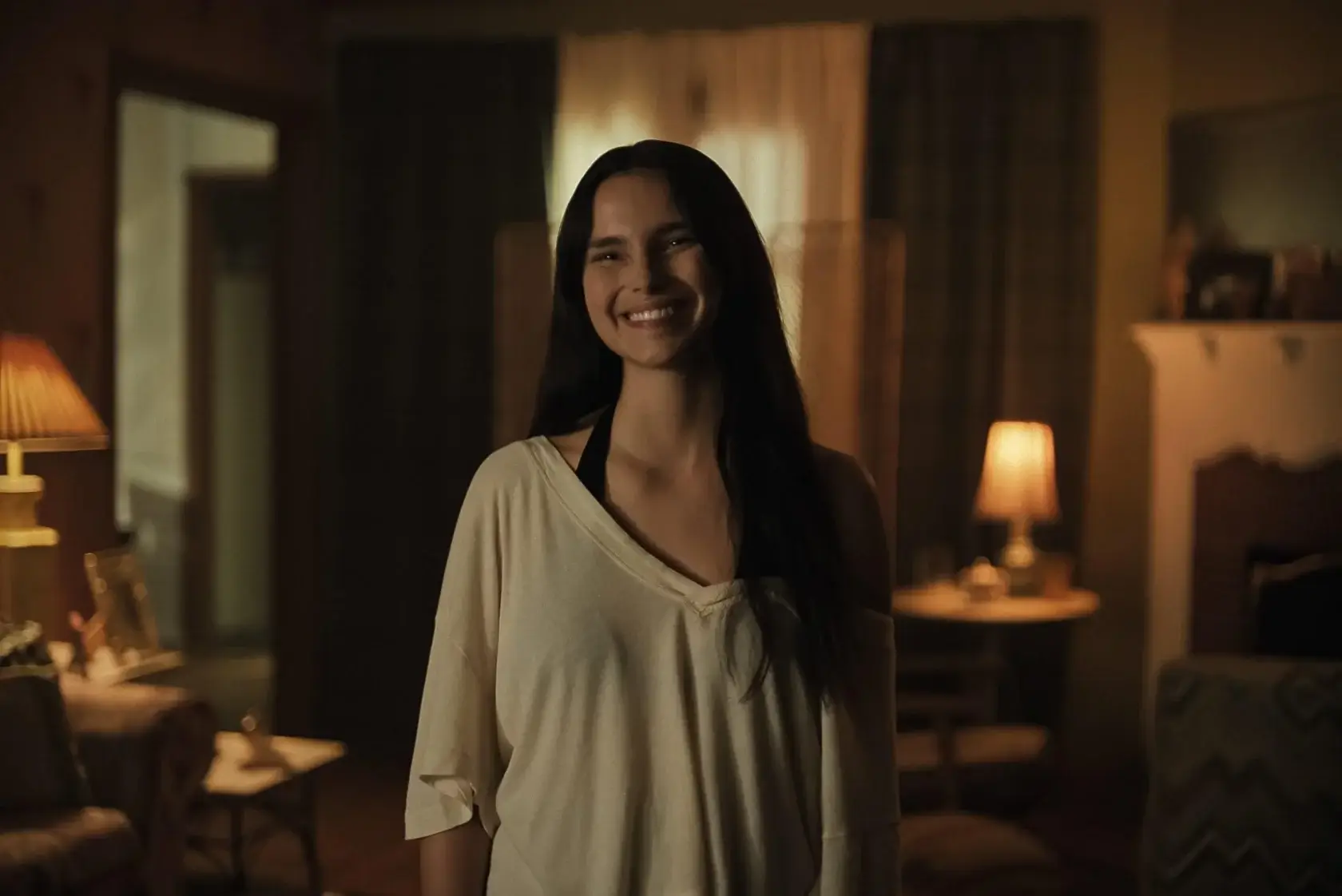
The industry has had a handful of word-of-mouth hits, but what is currently being witnessed with the horror film Obsession is largely unprecedented, especially for the horror genre. Most horror films essentially fall off a cliff following their opening weekends, but Obsession is bucking trends and seeing an increase from weekend one to weekend two, and, despite direct competition from this weekend’s Backrooms, the film is expected to match last weekend’s performance or even exceed it.
History is being made right before our very eyes, and even though box office analysts are saying there are really no comps for its performance, there have been other horror movies that have thrived with moviegoers and managed to be more than a weekend wonder. So, in honor of Obsession making this a summer to remember, let’s look at other horror movies that have had terrifyingly good box office runs.
Honorable Mention: Barbarian (2022)
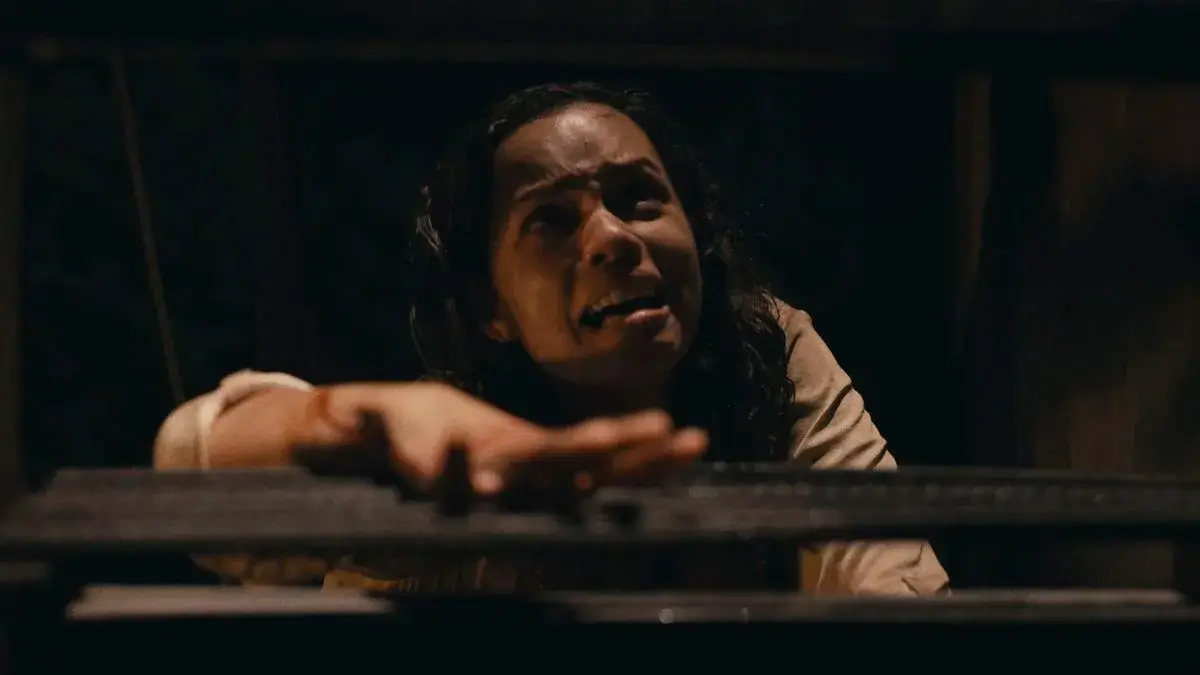
Director Zach Cregger burst onto the scene in a big way with the horror film Barbarian, a movie that wasn’t expected to do much business over the Labor Day weekend of 2022 but turned into a sizable word-of-mouth hit. Written and directed by Cregger in his solo directorial debut, Barbarian follows Tess Marshall (Georgina Campbell), a woman who rents an Airbnb and finds it already occupied by a man named Keith (Bill Skarsgard).
As the pair tries to work around the confusion, it will officially be discovered that the home is harboring a dark secret inside. Before its release, Barbarian was expected to open to a mere $5-6 million, which would’ve been solid against its $4.5 million budget, but the film exceeded those expectations. During its opening weekend, thanks to stellar reviews (94 percent on Rotten Tomatoes), Barbarian opened above projections with $10.5 million and claimed the number one spot at the box office. By the end of its run, the movie grossed $40.8 million domestically and $46.1 million worldwide, turning it into a major sleeper hit by earning more than 10 times its production budget and turning Cregger into a new voice for horror in the process.
Honorable Mention #2: Sinners (2025)
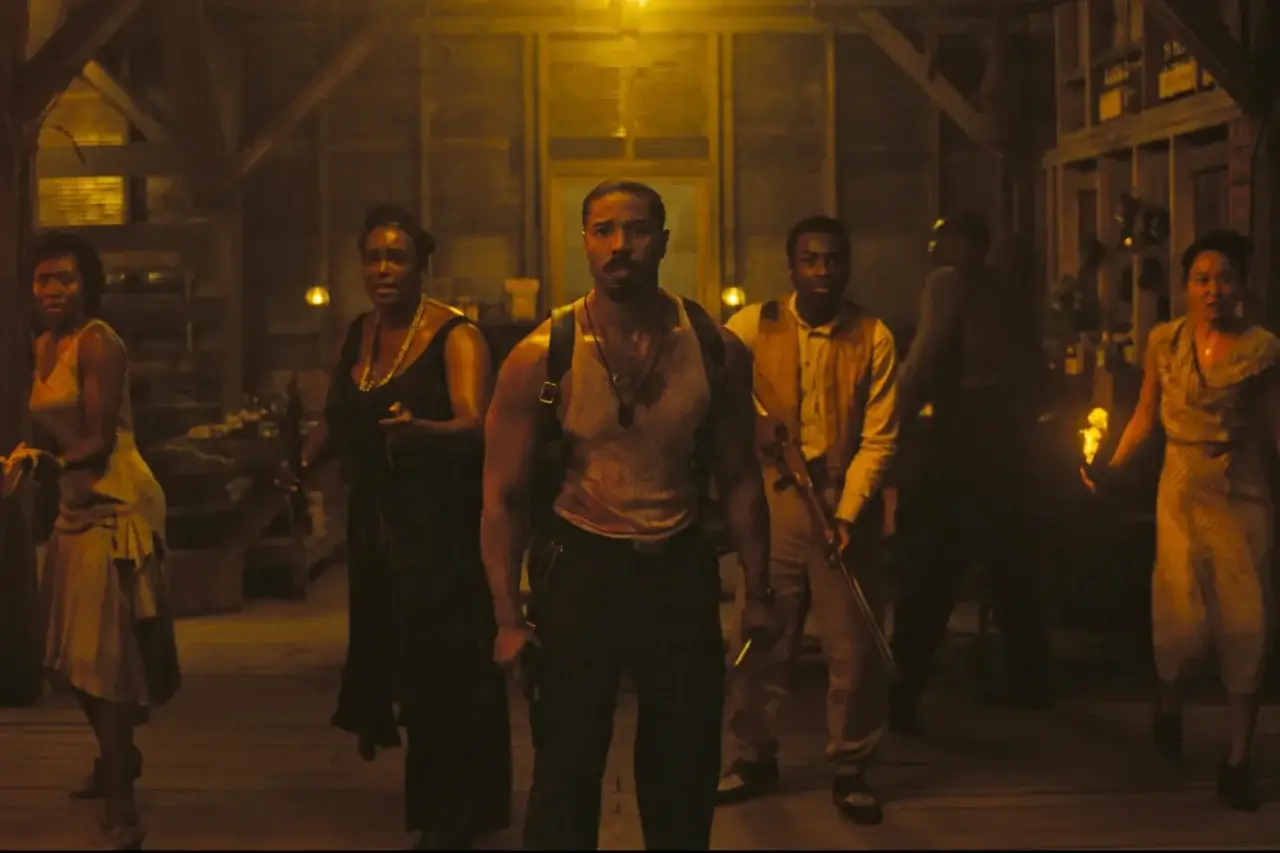
A more recent example of horror movie box office prowess is Sinners, a film that intrigued not only fans of the genre, but movie fans alike because of its originality that simply couldn’t be ignored. Written and directed by Ryan Coogler, Sinners follows the Smokestack Twins (both portrayed by Michael B. Jordan), who return to their hometown in the Jim Crow South to open a juke joint only to be confronted by a bloodthirsty supernatural force.
The critical buzz on Sinners was high with a 97 percent on Rotten Tomatoes, and those reviews made it clear that Sinners was no mere horror film and actually had creative juices flowing throughout it that made the film speak to audiences on multiple levels. During the Easter frame for 2025, the movie opened to $48 million, topping the box office and becoming the best opening for an original film since Jordan Peele’s Us earned $71.9 million in 2019.Sinners saw legs that most horror movies don’t see, dipping just six percent in weekend two ($45 million) with subsequent drops also being low for the genre that led to the film grossing $279.9 million domestically and $370.2 million worldwide (its domestic gross, where it was more potent, accounted for 75.6 percent of its earnings).
In terms of grosses, it’s the tenth highest-grossing R-rated film of all time domestically and sits within the top three highest-grossing horror films at the domestic box office. Sinners also earned numerous awards season acoolades, including a record-breaking sixteen Academy Award nominations, including Best Picture. It would go on to win four: Best Actor (Jordan), Best Original Screenplay (Coogler), Best Cinematography (Autumn Durald Arkapaw, the first woman to win in this category), and Best Original Score (Ludwig Göransson).
5. Scream (1996)
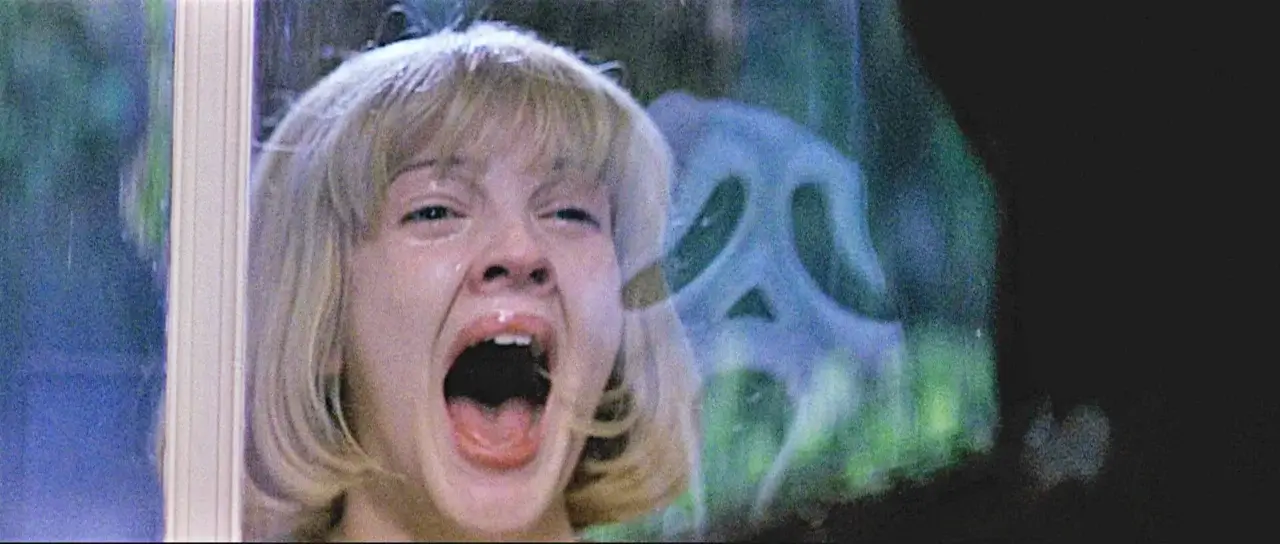
Back in the ’90s, the horror genre was in a particularly rough spot. While the occasional game-changer like Candyman or The People Under the Stairs breathed some creativity into the genre, most of the releases were D.O.A. while the Mount Rushmore idols of horror, such as Michael Myers, Freddy Krueger, and Jason Voorhees, were seeing diminishing returns. That all changed with a genre-defining screenplay by Kevin Williamson and return-to-form direction by master of suspense Wes Craven in the film Scream. This horror movie respected the audience enough to realize that they had seen these horror movies before and wasn’t afraid to comment on it.
In the film, Sidney Prescott (Neve Campbell) and her friends find themselves stalked by a serial killer on the anniversary of her mother’s murder, who also has an unhealthy affinity for horror movies and the rules that accompany them. Despite the Scream IP being a billion-dollar franchise today, its beginnings were more humble and made it seem like this clever tale would come and go with very little fanfare. Despite solid reviews, Scream opened to just $6.35 million, placing fourth place behind Beavis and Butt-head Do America and Jerry Maguire on the weekend of December 20, 1996. The creative team was set to write the film off, perhaps realizing that the holiday season wasn’t the right time to release a horror movie, but that all changed in subsequent weekends, thanks to solid word of mouth.
In its second weekend, the film increased to $9 million (surging 42.8 percent from its opening weekend), despite slipping to fifth place. In its third weekend, Scream increased to $10 million (a 10.4 percent bump from the previous weekend) and jumped to third place. From there, the film saw very few drops and, despite never hitting the number one spot, Scream grossed $103 million domestically and $173 million worldwide on a $14 million budget. Scream’s performance led to Ghostface becoming a household name, made Neve Campbell’s Sidney Prescott a final girl to remember, and turned the IP into one of the horror genre’s most financially consistent and enduring franchises. *Note: While Scream’s 42.8 percent weekend two surge is larger than Obsession’s 39 percent second weekend increase, the latter film is noteworthy for a wide release outside of the holiday corridor, while Scream’s bump took place during the holiday season of 1996, when films can typically see increases weekend to weekend.
4. Get Out (2017)
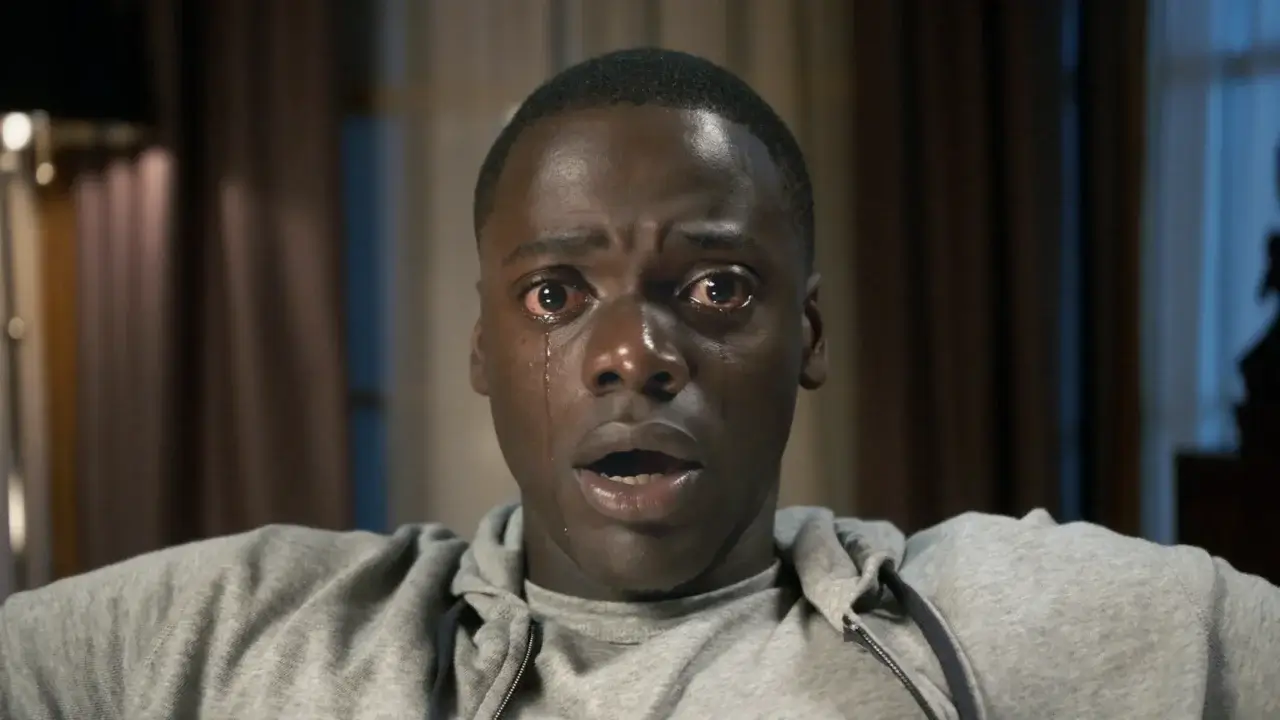
Jordan Peele became an unexpected voice for horror with his 2017 film Get Out, a psychological horror movie that struck a chord not only because it was good, but because it was superbly smart social commentary about racism, particularly when it comes to interracial relationships.
Written and directed by Peele in his directorial debut, Get Out follows a young black man named Chris Washington (Daniel Kaluuya) who uncovers disturbing secrets when he meets the family of his white girlfriend, Rose Armitage (Allison Williams). Perhaps because Peele already had a solid fanbase thanks to Comedy Central sketch series Key & Peele, a lot of attention was on Get Out when it was released, and that was bolstered by the film’s stellar reviews (98 percent on Rotten Tomatoes), alongside audiences responding to the film’s mix of horror and satirical outlook on race relations.
Get Out opened at number one to $33.3 million on a slim $4.5 million budget, making it an instant hit for Universal Pictures and Blumhouse Productions. While the film didn’t see increases in subsequent weekends, the drops were very slim, which is pretty unheard of for horror. Weekend two saw a dip of just 15.4 percent to $28.2 million, while weekend three decreased by 26.5 percent to $20.7 million.
By the end of its run, Get Out grossed $176 domestically and $255.5 million worldwide, leading to a reported net profit of $124.8 million. As a bonus, Get Out was also a player during awards season, going on to earn four Academy Award nominations, including Best Picture, Best Director, Best Original Screenplay, and Best Actor for Kaluuya.Get Out ultimately secured Peele the Best Original Screenplay Oscar, and it became the sixth horror film to be nominated for Best Picture at the time, after The Exorcist, Jaws, The Sixth Sense, The Silence of the Lambs, and Black Swan.
3. The Blair Witch Project (1999)
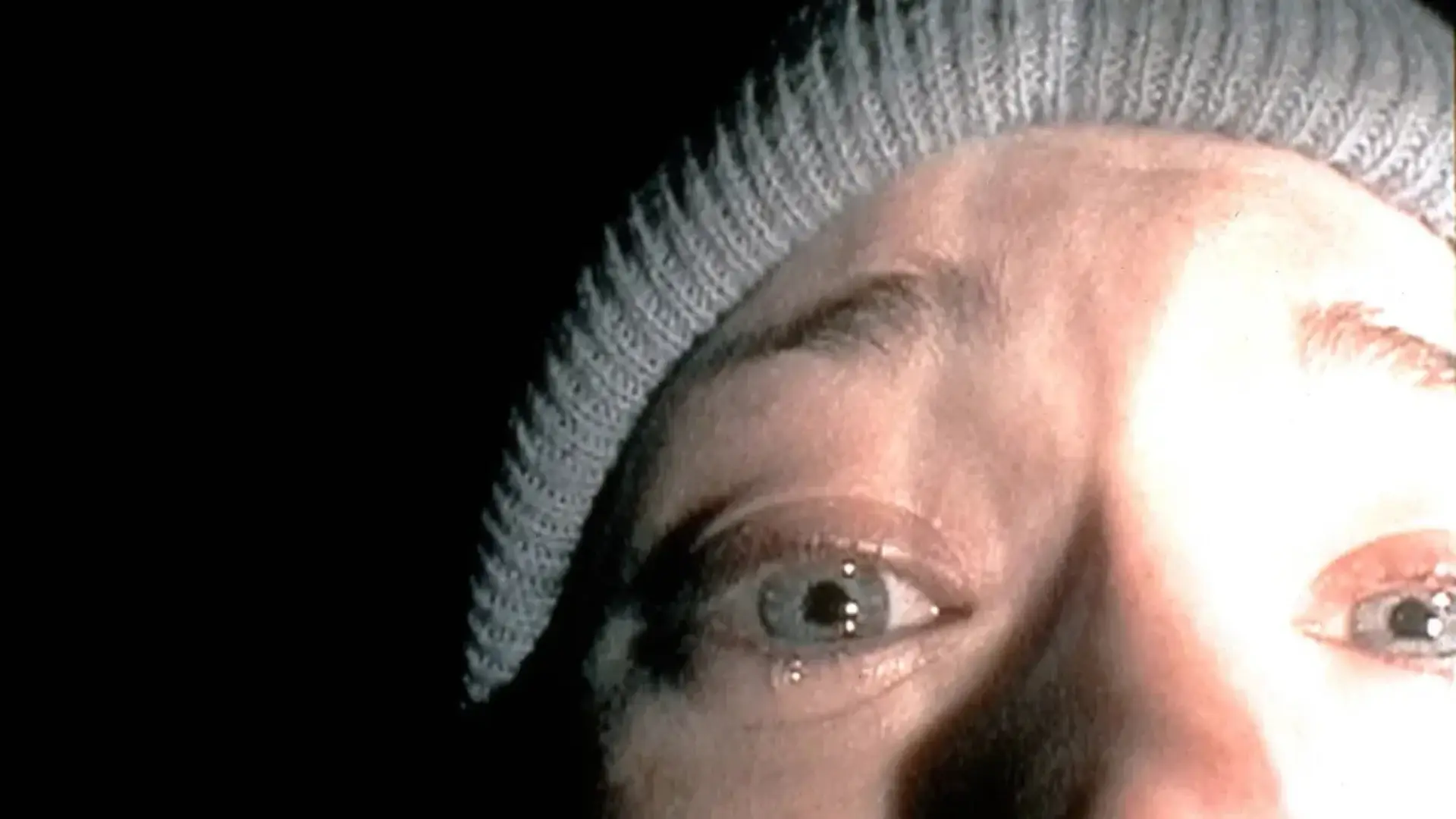
When we’re talking horror movie box office hits in relation to budget, The Blair Witch Project became a history-making winner that would be successful for any genre. Thanks to a marketing campaign that made audiences believe the found-footage horror film was actually real, The Blair Witch Project became a genre-defining horror entry that is now being brought up again in the wake of Obsession’s success.
Written and directed by Daniel Myrick and Eduardo Sanchez, The Blair Witch Project is a pseudo-documentary “found footage” film that follows three young students who hike into the Appalachian Mountains near Burkittsville, Maryland, to document the local myth known as the Blair Witch and go missing in the process.The Blair Witch Project did something unprecedented at the time, and that was the decision by Artisan Entertainment to make the world believe that Heather Donahue, Michael C. Williams, and Joshua Leonard really went missing while shooting their documentary about the Blair Witch.
What we have learned in the years since its release, the studio didn’t let them audition for other films and kept them from the film’s Sundance Film Festival premiere because, for the audience, these three individuals were missing or dead. The viral campaign that labeled the trio as missing or deceased actually began early on, before Artisan purchased distribution rights for the film for $1.1 million, and it continued to take off from there. The movie opened in limited release in just 27 theaters, grossing $1.5 million as word of mouth began to spread like wildfire via internet message boards. During its wide opening weekend, on roughly 1,101 screens, the film surged by 1,376.5 percent to $29.2 million.
Weekend two saw a slim 16.6 percent decline to $24.3 million, and the film continued to perform well during the summer of 1999 despite the presence of another word-of-mouth horror hit, The Sixth Sense. By the end of its run, the film grossed $140.5 million domestically and $248.6 million worldwide. On a budget of just 60,000, The Blair Witch Project is one of the most successful independent films of all time, earning over 4,100 times its original production budget.
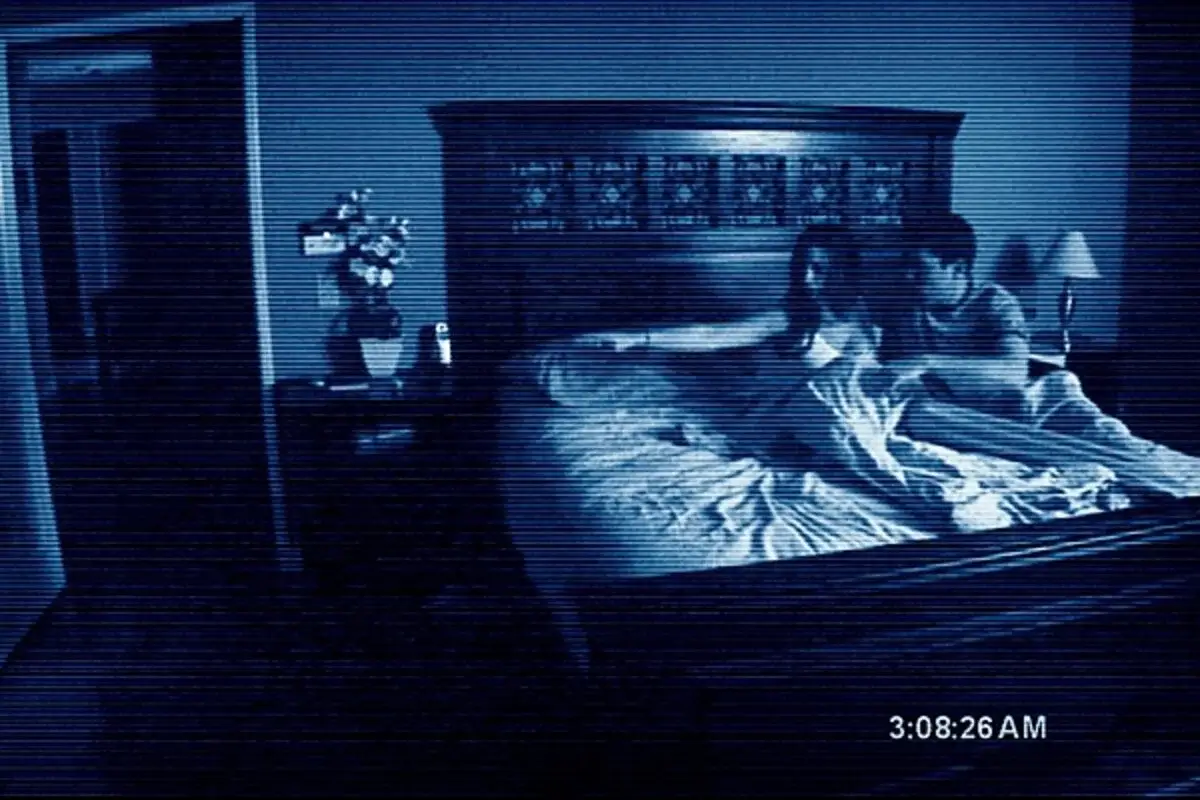
Following a similar trajectory that made The Blair Witch Project so successful, Paranormal Activity proved that the found footage sub-genre of horror, which was beginning to be done to death after the success of The Blair Witch Project, still had tricks up its sleeve to create another culturally defining hit.
Written and directed by Oren Peli, Paranormal Activity is a found footage horror film that follows a young couple named Katie Featherston and Micah Sloat, with the actors playing fictionalized versions of themselves, who are haunted by a supernatural presence in their home and begin to document what is haunting them. Paranormal Activity was shot for a very slim $15,000 and was eventually acquired by DreamWorks Pictures, who spent an additonal $200,000 to shoot a new ending for the film and do other narrative tweaks.
The genius behind the release was how DreamWorks slowly rolled the film out. Although the film premiered at Screamfest in 2007, before moving on to Sundance in 2008 and Telluride in 2009, the film’s rollout to the public began on September 25, 2009, in twelve college towns across the U.S., with eleven of the twelve screenings selling out (State College, Pennsylvania, was the sole exception due to the Penn State footaball game happening on the same night). From there, twenty other markets opened the film, including locations in New York and Chicago, with 33 screenings in those 20 markets selling out and grossing $500,000 at the domestic box office. After announcing a limited release in 40 markets, the studio revealed that it would release the film nationwide if the movie received one million demands to do so on Eventful.
The Eventful counter ultimately hit one million requests, and Paranormal Activity opened wide to $21.1 million on 1,945 screens, placing first at the box office. Made even more impressive is that because the studio built word of mouth and interest slowly, the film put up great numbers before its wide release. On 160 screens, a week before its wide opening, the movie grossed $7.9 million, which shows the groundswell of curiosity this film generated. By the end of its run, Paranormal Activity grossed $107.9 million domestically and $194.2 million worldwide, with most citing it as the most profitable film ever made, based on its original budget and return on investment. The success of the first film also launched a franchise consisting of seven films, with another on the way, that has grossed over $890 million globally.
1. The Sixth Sense (1999)
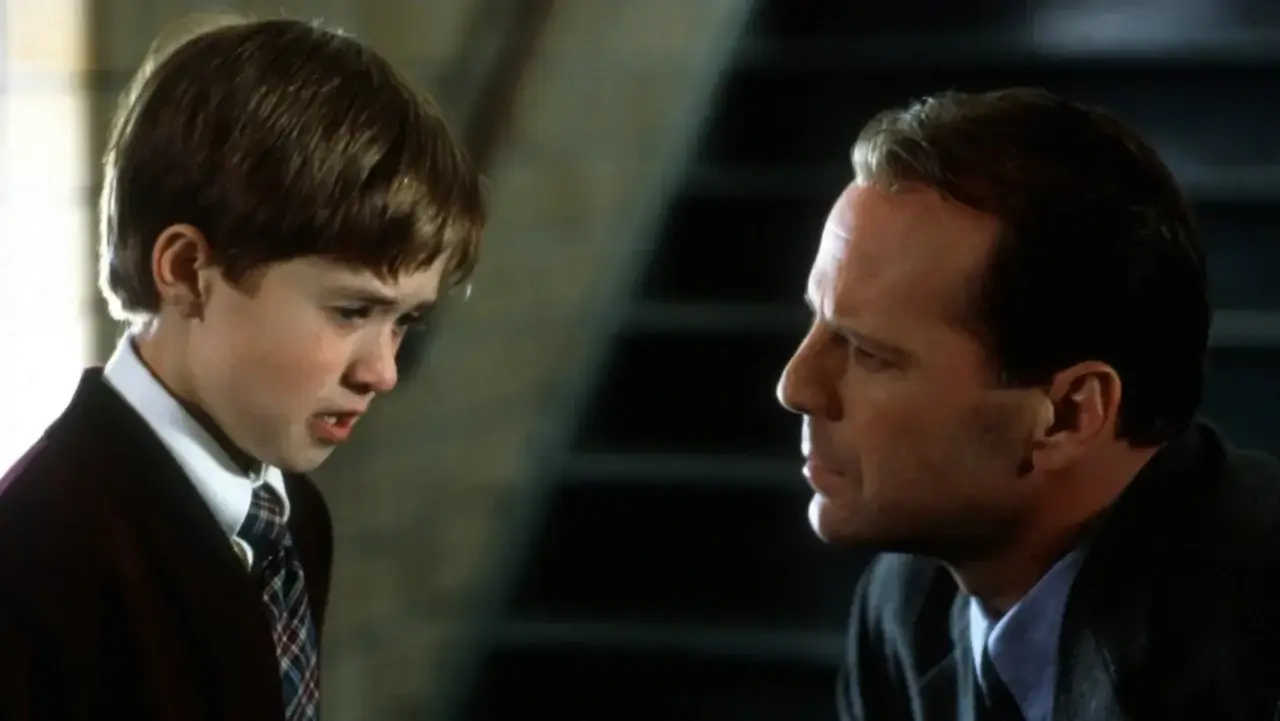
The summer of 1999 wasn’t only ruled by one horror sensation. Even though The Blair Witch Project was a huge success, an August release was waiting in the wings, and no one really saw its incredible run coming, which also turned it into a rare horror movie that saw itself being noticed during awards season.
The Sixth Sense quickly entered the pop culture zeitgeist and became the watercooler movie of the moment, much like Obsession has since it was released over two weeks ago. Written and directed by M. Night Shyamalan, The Sixth Sense follows child psychologist Malcolm Crowe (Bruce Willis), whose new patient, Cole Sear (Haley Joel Osment), claims he can see and talk to dead people.
Due to solid reviews (86 percent on Rotten Tomatoes) and stellar word of mouth, The Sixth Sense became one of the biggest hits of 1999. The film opened at number one to $26.6 million, a record for August at the time, and stayed at the top spot for five straight weeks. Following its opening weekend, the movie dropped by minuscule amounts, beginning with 3.4 percent in weekend two ($25.7 million) and 7 percent in weekend three ($23.9 million). Another fun fact, it was only the second film in history, after Titanic in 1997, to gross more than $20 million for five consecutive weekends. During the Labor Day weekend of its run, the holiday boosted grosses to $29.2 million, setting a record for Labor Day that wasn’t broken until the release of 2007’s Halloween remake ($30.5 million).
The reason for this is a perfect storm. The film was really good, but it didn’t hurt that the movie had a twist ending that had everyone talking and made you feel like you had to see it to believe it. On a budget of $40 million, The Sixth Sense earned $293.5 million domestically and $672.8 million worldwide, making it the second-highest-grossing film of 1999. The movie also went on to be nominated for six Academy Awards, including Best Picture, Best Director, Best Original Screenplay, Best Supporting Actor for Osment, and Best Supporting Actress for Toni Collette. It remains Shyamalan’s highest-grossing film and continues to be viewed as a pinnacle performance for horror at the box office.
Obsession is now playing and breaking records in theaters nationwide.





Reviews