
All Grown Up
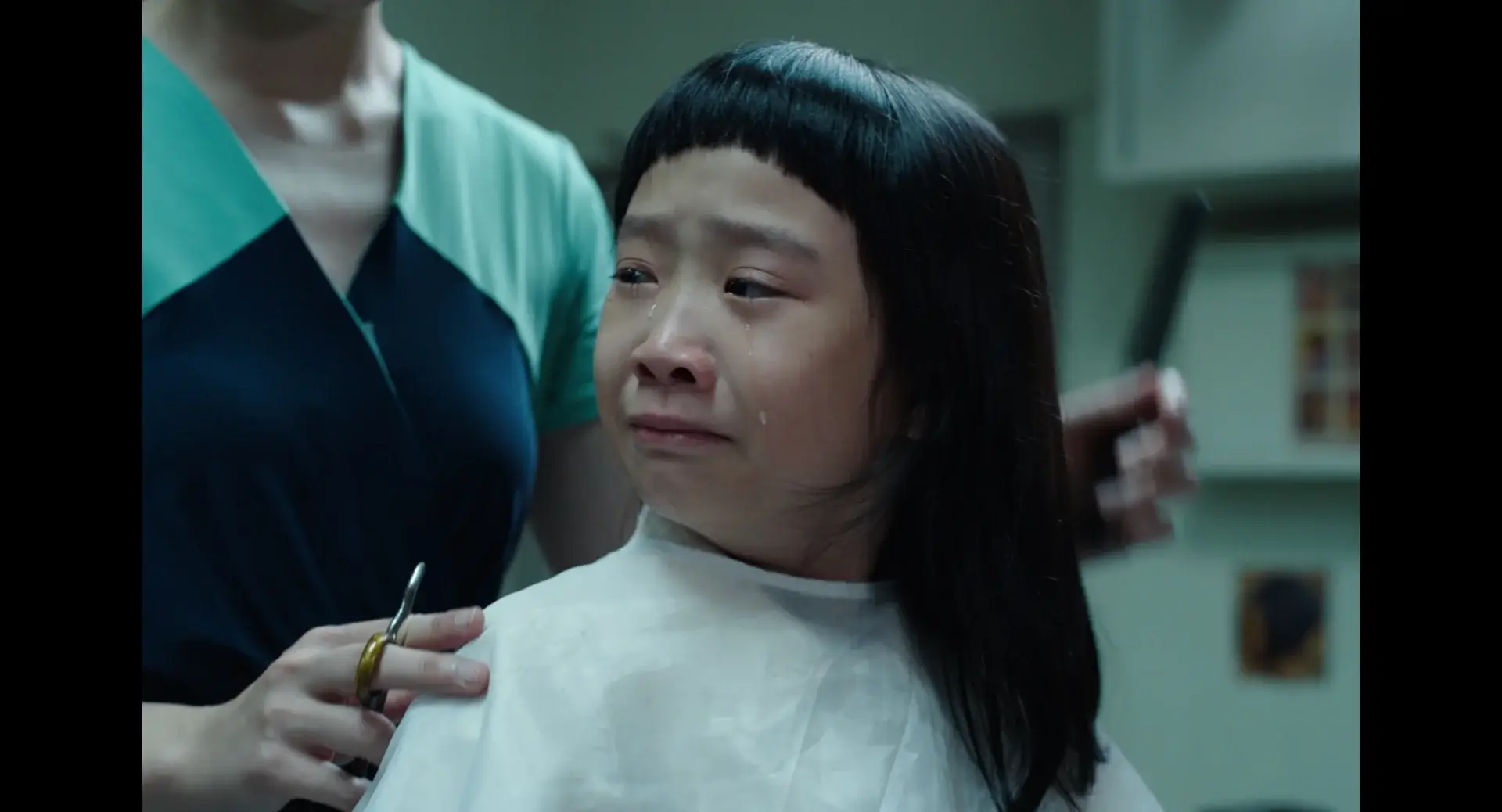
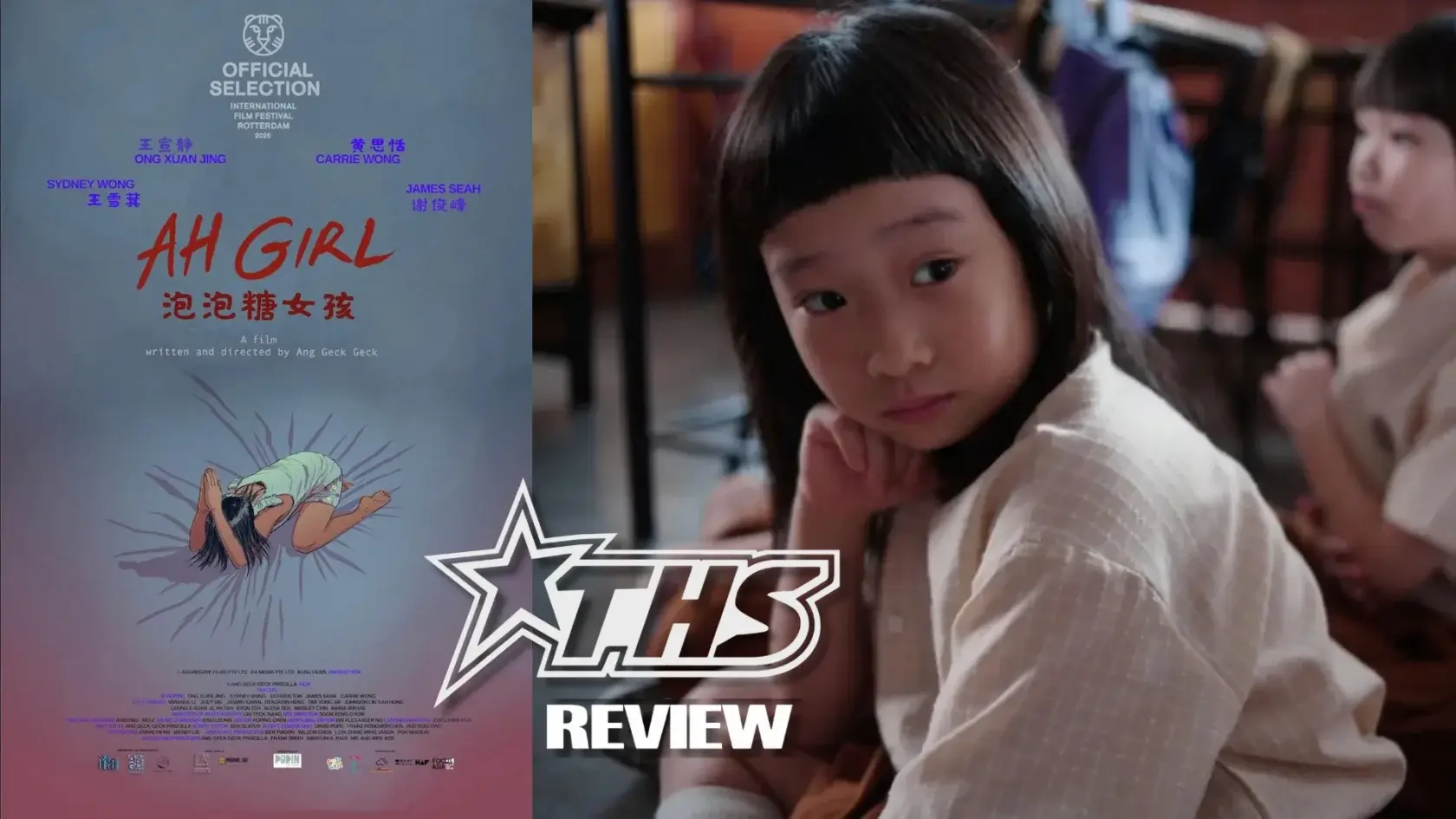
Movies about kids that aren’t for kids hold a special kind of nostalgia for the viewer. Despite ethnic background, there is something universal to the lives of little girls. Yes, each child is unique in their own special beauty, but there exists a kinship that just about anyone who was a little girl can empathize with. Maybe it’s the big feelings in a little body; or maybe it’s the release of childhood innocence. But there’s something healing about the idea of problems that can be solved with a kiss. Where our greatest punishment was having our hair cut and yes, that destroyed us as children, but looking back as adults we know we got off clean. Ang Geck Geck Priscilla’s Ah Girl is a sweet homage to the loves, losses and lives of little girls.
In Singapore, adding the prefix of “Ah” before a name creates a familiar and affectionate greeting. Placing it before a name or even “Girl” creates a sense of endearment. Our main endearment is Ah Girl (Ohn Xiang Jing) otherwise known as Swee Swee (or her American name – which she hates – Eileen Ang). She’s a young girl living in 1990’s Singapore, shortly after a nationwide chewing gum ban was enacted.
Naturally seeing the demand, Ah Girl creates a small business selling different flavors of gum to her schoolmates. It’s very enterprising and catches the eyes of a boy she likes, Shawn (Leong E-Xuan). She learns she has to compete with another girl for the young boy’s affections and ends up giving him free gum and hunting spiders to impress him. All of this added to her reluctance to learn English for her classes makes for a pretty busy if not stressful, school day.
Imagine her stress when she goes home to her Ah Ma (Doreen Toh) who babysits Ah Girl and her younger tomboyish sister Ah Tian (Sydney Wong). Grandma loves the children, but she is visibly tired – often needing to have her wig righted by Ah Girl. The girls’ parents are separated and seem to only want to be involved in their children’s lives to one up the other. Admittedly, Ah Pa (James Seah) – who is the son of Ah Ma – has fun with the kids, but he’s interested in pursuing his new paramours. There’s an interesting throughline where he’s interested in plus size lovers due to being stung by Mummy’s (Carrie Wong) skinniness.
This decision showcases a bit of simple thinking that comes to define Father. He’s very matter-of-fact and has a bit of arrested development which causes him to be absent even when he is right there. For Ah Girl and Ah Tian it’s better than nothing. And definitely better than Uncle Sam (Benjamin Heng), Mummy’s new boyfriend.
Girl, You’ll Be a Woman Soon
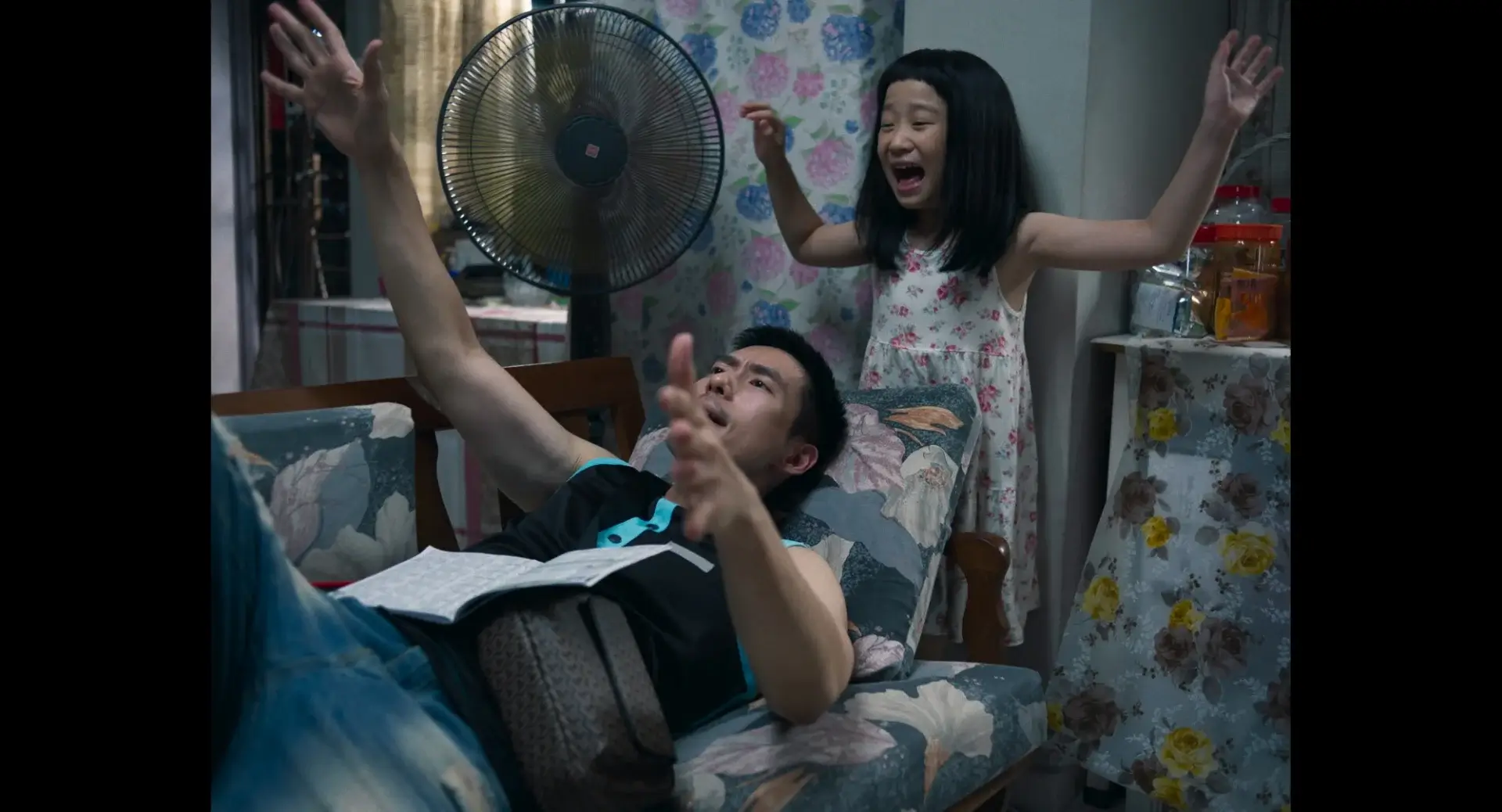
The film is largely told from Ah Girl’s perspective allowing Xuan Jing to give the performance of a lifetime. She imbues Ah Girl with the perfect amount of “Older sister syndrome” and sassy child. She’s got a big attitude in a little body and she will be heard. She’s 7 to Ah Tian’s 4. This means she understands she’s not the center of the world and she’s aware others exist.; she just hasn’t reached the age where she realizes she can’t control it, despite the universe’s examples that validate her dispossessiveness.
There’s a lovely bit of denial where she adjusts her prayers, instead hoping for something more manageable. She doesn’t pray for her parents to get back together, she prays for her mother to be happy. And if it comes true, she makes a promise to sleep prostrate with her hands clasped above her head in supplication. And she means it. She believes it will happen and she’s willing to pay the price. It’s the price that only a child could think to pay. When you have nothing true value to offer a deity, you offer your sacrifice, your discomfort. It’s such an innocent conclusion to come to and the sincerity only endears Ah Girl further to our hearts.
In a world where little girls have so many expectations thrust on them, all they want to do is escape and be kids again.
I loved this movie! Shot to resemble ‘90s Singapore, the cars, the home decor, the clothes, everything worked. Even the bright rainy days felt like they were shot through a muddy mid-’90s filter. Priscilla has such an eye for shooting and retaining intimacy from her subjects. There were times where Ah Girl and Ah Tian had to cry and I don’t envy the director having to get them there. Some of the shots were handheld and almost felt like camcorder footage which helped when the young, inexperienced actors would sometimes look into the camera. It was so charming and full of life – even when the girls were scared and lonely.
At it’s heart Ah Girl is the story of a lonely girl who just wants to be seen and understood. In a world where little girls have so many expectations thrust on them, all they want to do is escape and be kids again. On equal footing with the boys – or at least have the same access to freedom as the boys seem to.
Girls Rule, Boys Drool
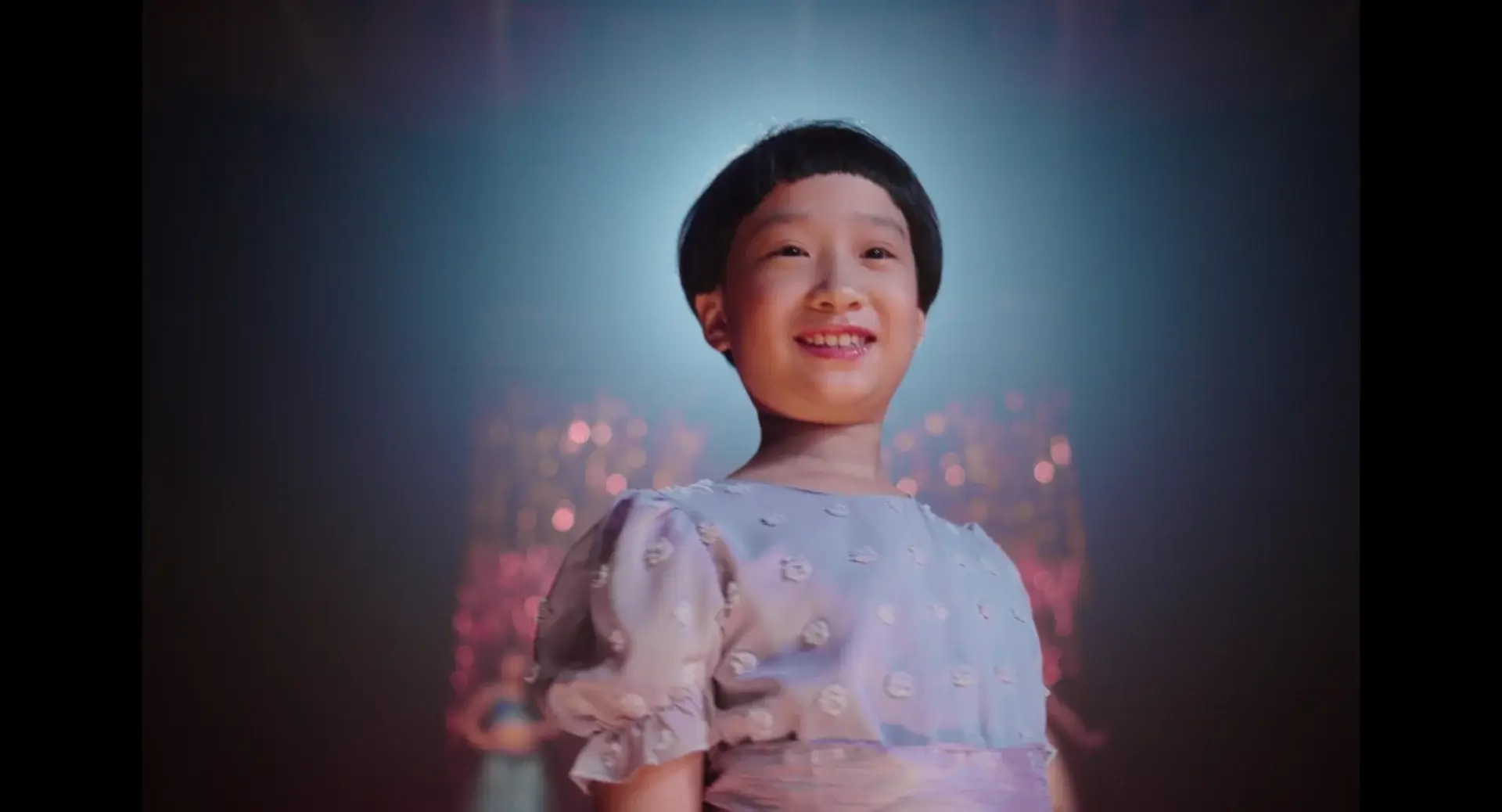
Another throughline exists with Ah Tian. She’s either a tomboy or experimenting with gender expression or some mixture of both. For the first 2/3rds of the film, I assumed Ah Tian was a little boy. The haircut, the clothes and her roughhousing made me think she was a boy. At one point in the film she inquires about her worth, saying she’s a boy and shouldn’t she be enough? I reached out to director Priscilla about this and she wrote back saying the character was based on her younger sister who also went through a tomboy stage.
“The ambiguity around Ah Tian’s gender expression is intentional, and I’m open to a queer reading of the character. However, I did not want to define or explain her identity too neatly.
The character was inspired by my younger sister, who wanted to be a boy when she was a child. Even now, she cannot explain why. Growing up, I had many theories: perhaps it came from knowing that our mother had hoped for a son, from her admiration for our father, or from a subconscious desire to be closer to him and to be noticed after our parents separated?
That uncertainty is important to me. When Ah Tian asks if she is not enough and then declares that she is a boy, it could be an expression of gender, but it could also come from a child’s longing for love, recognition and belonging. The film deliberately leaves space for both possibilities.”
It’s a lovely explanation that gives room for growth and exploration to a bittersweet upbringing. A common theme through many of the films at TIFF – especially the historical ones – feature women who lament being girls. Whether it’s The Julia Set (2026), Magazine (2026) or even La Bola Negra (2026), it’s hard being a girl, but also beautiful and Priscilla captures that irony with compassion and love.
I adored this film from opening credits to the final lullaby playing over the credits. The song is I’m Not Afraid of the Dark by Essie Jain with simple yet devastating lyrics “I’m not afraid of the dark, I’m just a baby, a baby, a baby baby. I’ve got your love from the start, I’m the way, I’m the way, I’m the way you made me.” It’s a tune that could have been easily written for the movie, or perhaps the movie was written from the song? Either way it’s a perfect companion piece for this near perfect film.
Trailer:
For more Reviews, make sure to check back to That Hollywood Show.












Reviews