
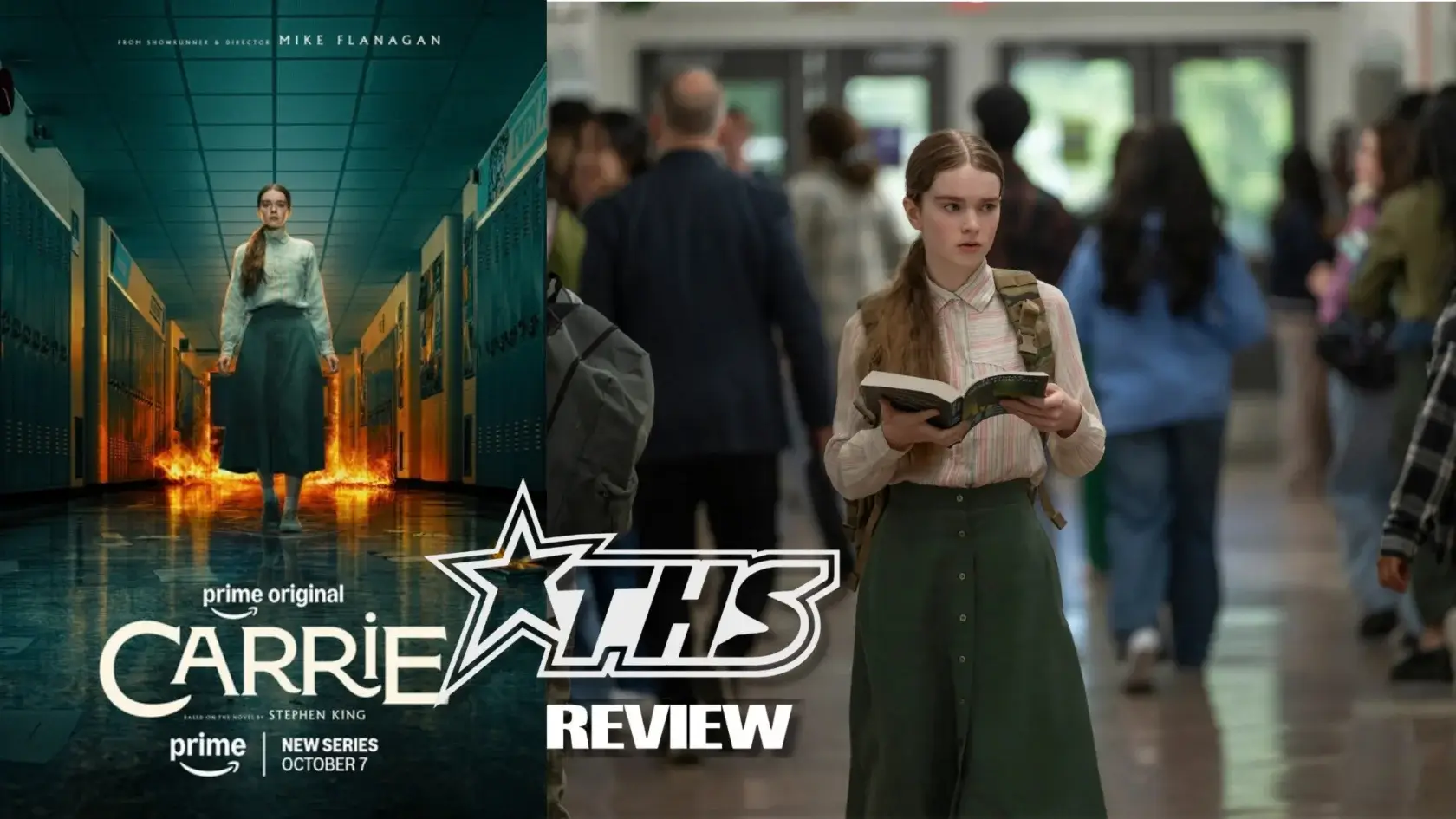
Carrie is one of Stephen King’s most loved and cherished works of fiction. Made into a seminal 1976 film and a later, more disappointing 2013 one, Carrie is an ageless tale of bullying, puberty, and female rage.
When Mike Flanagan announced he was tackling the story of a telekinetic high school student, people were obviously very skeptical that the man behind Haunting of Hill House and The Fall Of the House of Usher could do it justice. Flanagan has more than proven there is reason for adapting Carrie for a modern audience. He takes the foundations of King’s tale and brings it forward to a contemporary setting , adding in the extra horrors of social media and the social anxieties that come with being a teenager in 2026.
The prologue frames Carrie’s story like a true-crime documentary, aware that the audience knows the iconic pig’s blood on prom night is coming. The following eight episodes intermingle the before and the after, using talking heads and voiceovers to explain how Carrie went from a school outsider to a powerful supernatural being who wiped out half the town.
The story starts in the way you expect, by meeting meek and socially inept teenager Carrie (Summer H. Howell) and her ultra-religious mother Margaret (Samantha Sloyan). When their patriarch passes away, the social system forces Margaret to send home-schooled Carrie out into the big, scary, wide world.
And A Big Scary World It Is….
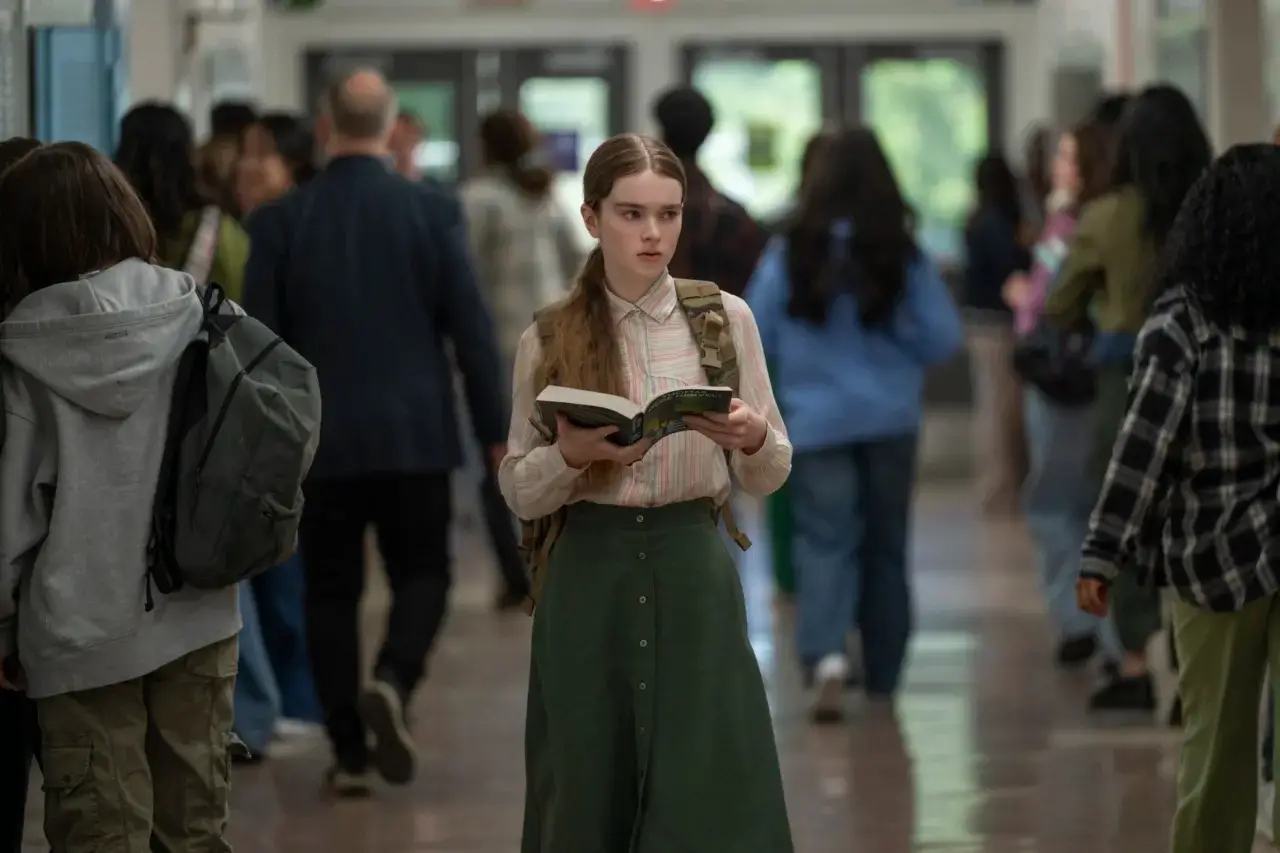
From the intro, you might be fooled into thinking the show is set in the late 70s, when the book was published. Carrie lives in an antiquated world without technology and the noise of modern life. Her mother has banned modern clothing and non-biblical books, everything Carrie knows about the real world comes from sneaking into the neighbors’ home.
This all changes when Carrie attends high school for the very first time. The soundtrack pumps up, playing modern music too loudly as she is introduced to 2026. The phones, the metal detectors to enter the school, the slang, the sexualisation of teenagers- it’s all a lot for young Carrie. The show amps up the soundtrack, the camera angles, and the edits to replicate the overwhelming nature of the 21st century.
Carrie takes familiar beats from King’s story, transplanting them very effectively into the 21st century. At school, our protagonist meets the evil Queen Bee Chris Hargensen (Alison Thornton) and the kinder Sue Snell (Siena Adudong), as well as their prospective love interests, Billy Nolan (Arthur Conti) and Tommy Ross (Joel Oulette).
The group welcomes her to their world in the two-faced way teenage girls make new friends. It’s only when their class acts out a shooter drill, something very normal to them but terrifying to Carrie, that they realize she really is a fish out of water.
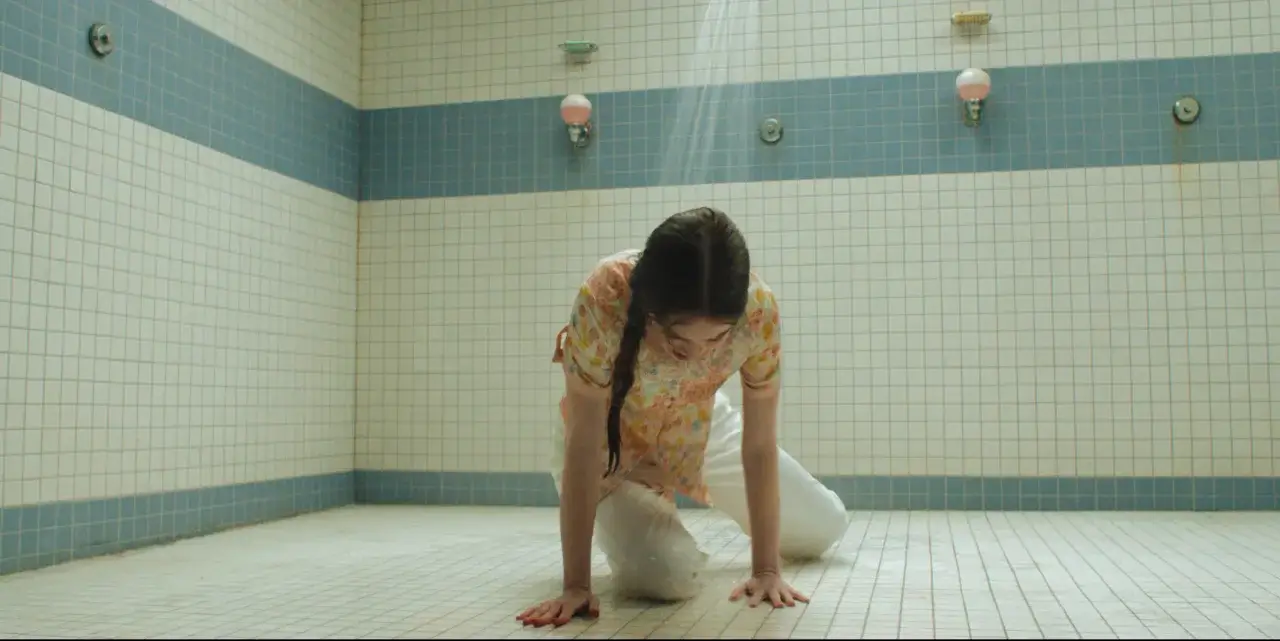
The inciting incident of Carrie’s story remains the first day she gets her period. Because her mother never taught her about periods, she believes she is dying in gym class. This is the first time the updated setting really adds to the horror because the girls not only taunt and mock Carrie, but they also film her trauma.
Carrie Highlights That Phones Are The Enemy
Chris decides to start an Instagram page called Carrie Red and uploads the video of a terrified Carrie screaming in the shower as she starts menstruating. Suddenly, the horrors of the original tale are magnified by 500% as the school gets to relive Carrie’s trauma through fun memes.. It’s this moment you realise the show is about to do something very special with King’s writing.
Mike Flanagan uses this defining moment of King’s novel to explore the perils of teenagers with technology. It’s not just Carrie who is targeted; soon every single student and teacher is being gossiped about on this account. You enter a blind item about anyone and Carrie Red will publish it, no matter how untrue it is.
Suddenly, everyone becomes an enemy as staff and students try to figure out who is running this mysterious anonymous account. This microcosm reflects much of our society, people worried about being watched, unsure who to trust, and quick to start riots over unproven facts.
What Flanagan is doing using Carrie’s story isn’t subtle, but it’s smart. Carrie has always been a universally loved book and film because the high school experience hasn’t changed. Only, now, teenagers have their insecurities beamed internationally through Instagram and TikTok.
Anyone who has been bullied in school, especially by women, will find these scenes incredibly difficult to watch. Flanagan has viscerally captured one of life’s big horrors in an incredibly emotive and uncomfortable way. There is something about the way these scenes that play out feel too natural and too raw, where other shows cut away, Carrie lingers on the brutality of high school.
Summer H. Howell looks so much younger than her peers, which makes the bullying so much rawer to witness. The show never gives her the grown-up makeover, keeping her wide-eyed and innocent throughout. Alison Thornton is utterly odious as Chris, bringing to life that girl everyone hated in school. Pretty, wealthy, two-faced, and cruel, many adult viewers will also find themselves comparing her to colleagues, in-laws, and so-called friends. All while Siena Agudong’s Sue Snell perfectly represents the people who go along with peer pressure and get caught up in situations they later regret.
The Benefits Of Adapting Carrie As A TV Show
We might not have needed another film adaptation of Carrie, but turning the story into a television show gives the writer/director a chance to expand the world effectively.
The series explores Carrie’s telekinesis throughout. Episodes start with lore connecting powerful and dangerous women with a history of supernatural powers. It’s a nice piece of world-building that connects womanhood with magic, but it doesn’t add much to Carrie’s story.
What does add to the series is the expansion of Chris and Sue’s characters. The series goes to great lengths to break down their home, romantic, and academic lives. While it never excuses their actions and treatment of Carrie, it contextualizes why teenage girls decided to make the lives of others so hellish. We’re all going through something; it’s how you channel that rage and sadness.
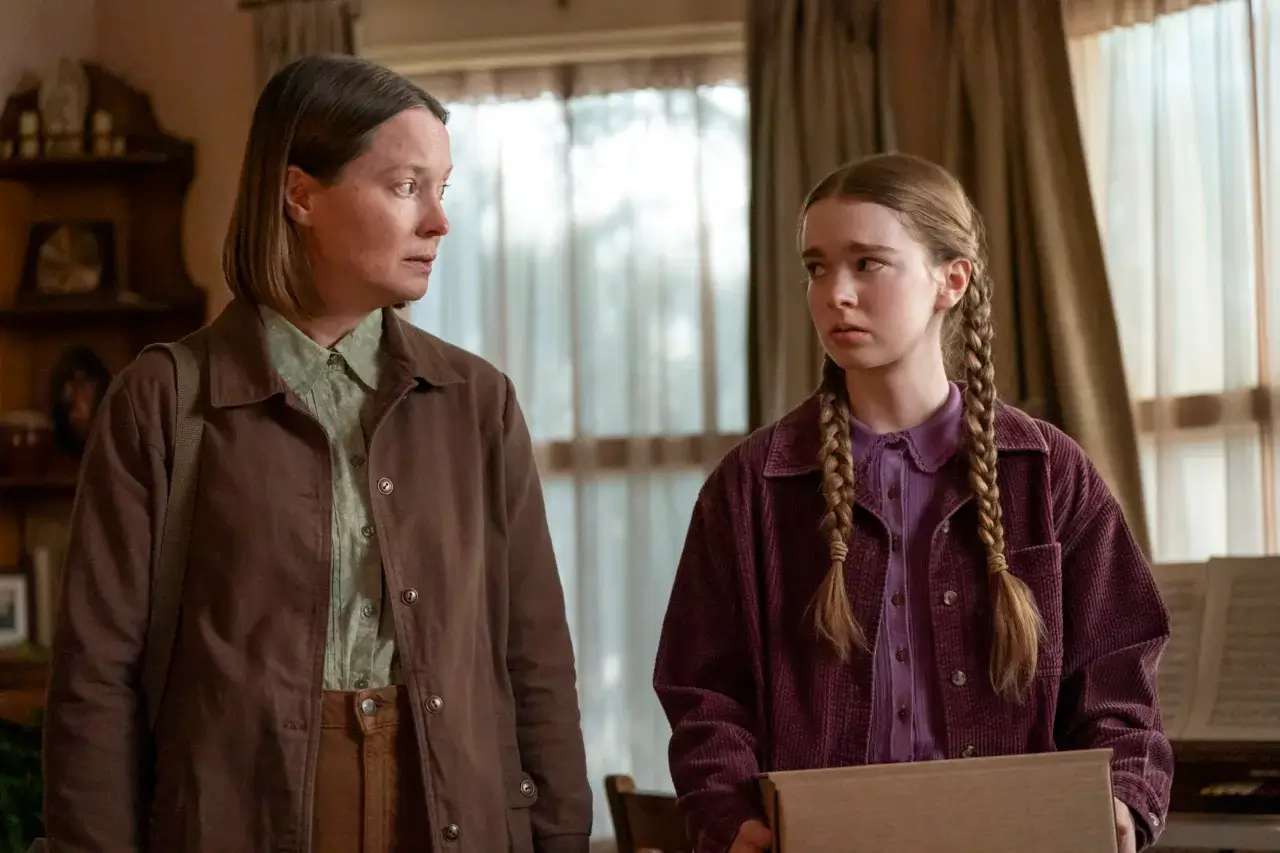
This updated adaptation also recontextualizes Margaret White. Previously portrayed as this shrill puritan, she is given a more sympathetic spin here as a genuinely concerned mother who doesn’t like what she sees in the modern world. While her methods of controlling her daughter are far from correct, you’ll find yourself agreeing with some of her points about the way people conduct themselves online.
The teachers also get their time to shine in this adaptation. Carrie finds a mentor in gym teacher Miss Desjardin (Amber Midthunder), while the school’s principal Henry Gayle (Matthew Lillard) tries to control a world he doesn’t quite understand, and English teacher Mr. Peist (Rahul Kohli) finds out that high school allegations have real-life consequences.
The New Additions To Carrie Don’t Always Work
Mike Flanagan knows that audiences already know this story. Even those who haven’t seen the film or read the book will know that this story always ends in a fatal prom scene after the mean girls douse Carrie in blood. So, the show starts with this scene instead of treating it like the big finale. The writer/director does have some shocks for audiences along the way, albeit they are ones even not-so-keen-eyed viewers will spot a mile away.
Flanagan seems keen on building up the world of women with telekinesis, connecting Joan of Arc, women lifting cars off their children, the burning of witches, with Carrie’s power. The show hints at a whole coven of women with this power, but does very little with this thread. Carrie’s powers are not something that requires this amount of context.
Sadly, the last episode is the worst of the entire season. The prom scene is THE moment, and it’s not given the justice it deserves. Carrie’s trauma is turned into a CGI-heavy MCU final act rather than the ultimate explosion of female rage. The show desperately wants to set up a spin-off or a sequel, doing a disservice to Carrie’s story. This isn’t a story that needed a big superhero finale and a post-credit scene to hint at a multiverse.
Despite falling at the hurdle, the series is a genius reimagining of a classic, yet timely story. Bringing King’s tale into the 21st century and using classic horror iconography to highlight how social media is ruining the lives of young and old alike is a masterstroke. Strangely, for a horror director, he handles the social commentary better than he handles the supernatural threads of Carrie’s story.
For more Reviews, make sure to check back to That Hollywood Show.








Reviews