

Despite opening in fourth place with $19.2 million, A24’s Primetime was this weekend’s most interesting box office story. The true-crime thriller directed by Lance Oppenheim and starring Robert Pattinson as To Catch a Predator host Chris Hansen didn’t have the nostalgia of the MCU on its side (Avengers: Endgame Encore, $26 million opening), the holdover strength of a familiar IP (Resident Evil, $23 million second weekend), nor the tug-on-your-heartstrings appeal of Brad Pitt doing it what takes to survive with a dog (Heart of the Beast, $20 million opening).
Primetime’s premise centers on a reality television series that last aired in 2007 and, on the surface, would seem to lack mainstream appeal. However, that’s really only surface level when you look at it. The $15 million film spoke to a younger audience and it was them that propelled the movie to be in a position to turn a profit during its theatrical run. It’s yet another example of Gen Z not wanting more of the same. They crave new, interesting ideas and don’t want a product that talks down to them.
Primetime is based on the 2007 Esquire article “Tonight on Dateline This Man Will Die” by Luke Dittrich, with its screenplay by Ajon Singh, following the production of the Dateline NBC reality series To Catch a Predator, a hidden camera show that set up stings to bust adult men who were initiating contact to have sex with minors. Typically ending with their arrest, the minors in question were actually adults impersonating underage kids in online chatrooms to get men to show up at the sting house.
The series was a pop culture behemoth that tapped into the appeal of trash TV but also seemed to serve the legitimate purpose of exploring real threats to children that lurked online. The film uses some creative license to explore its history and becomes an indictment of entertainment at all cost televison and what happens when the narcism and insecurities of its host take precedent over justice. The film also stars Merritt Wever, Skyler Gisondo, and Phoebe Bridgers.
The Power of Gen Z At The Box Office

Although To Catch a Predator premiered when Gen Z was too young to watch it, Primetime attracted a substantial audience under 30, with 69 percent of the audience falling in that demo. We’ve seen with films over the summer such as Obsession and Backrooms that Gen Z is attracted to more provocative ideas and doesn’t want to be offered slop, despite what some might think. In the case of Primetime, the trailers made the film look enticing and, despite To Catch a Predator having ended in 2007, clips of the show are easily accessible on YouTube, so it’s very easy for the Gen Z audience to get familiar with the former Dateline NBC series.
The demo breakdown is amazing when viewed even further. The 25-34 crowd responded at 46 percent, while the 18-34 audience was staggering at 80 percent. Speaking from my own personal experience with the film, I saw it during a packed showing on Friday, and a vast majority of the audience looked to be as young as 18, while only a few appeared to look over the age of 30. It was surprising to see because Primetime didn’t seem to look like a film that would appeal to a younger audience, but listening to the conversations when the film wrapped up changed my perspective.
The audience was speaking about the film in a way that was intelligent and didn’t turn some of it unsettling into a joke. It was thought-provoking and, to my surprise, they seemed hyper-aware of what To Catch a Predator was and also were in the know about the eccentricities of its host, Chris Hansen. It goes to show you that we shouldn’t underestimate what Gen Z is tapped into. What might seem too old for them to engage with could prove more interesting than some of the material that is being aimed directly at them.
The Appeal of Robert Pattinson

2026 is proving to be the year of Robert Pattinson as he continues to showcase why he’s one of the best actors of his generation working today. After what seemed to be a stumble with 2025’s Mickey 17 ($19 million opening, $131.8 million global finish on a $118 million budget), has turned into a year that has seen him featured in critical and box office hits (The Drama, The Odyssey, and now Primetime), with one more on the way with Dune: Part III. Movie stars are made differently than they were in the past, and Pattinson is certainly in that new mold of what audiences want to see.
Best on exit polls from Post Trak, more than 75 percent of the audience cited Pattinson as their top reason for checking out Primetime on opening weekend. The actor did this without a huge marketing blitz or press tour (most of it came from online junkets and didn’t use many of the shows and trades that drive promotion for most movies, since he’s busy shooting The Batman: Part II overseas in London). Pattinson was there for the film’s premiere at the Venice Film Festival, but it was his growing star power alone that seemed to appeal to moviegoers the most, especially the Gen Z crowd.
Thanks to a slew of interesting and offbeat indie projects, Pattinson became more than “the guy who was once a vampire in Twilight.” Those films, while hugely financially successful, didn’t earn the respect of most critics and moviegoers. Pattinson had to prove his worth after that franchise ended, and he has more than done that. He has won the respect of the audience, and it’s the respect of Gen Z in particular that has largely been working in his favor. From The Drama ($134.9 million global finish on a $28 million budget) to The Odyssey ($1.751 billion and counting), Pattinson has become the movie star that Gen Z has connected with, even though at 40, the actor is no longer in the Gen Z club. He gives off the energy of one, and he selects projects that keep him squarely in their sights. He continues that this year with Dune: Part III in December, and let’s not forget, he’s currently our Batman.
A24 Turns Films Into Events For Gen Z

With its $19.2 million opening, Primetime is the third-best opening weekend in A24’s history behind Backrooms ($81.4 million opening), Civil War ($25.5 million), and the three-day opening of Marty Supreme ($15.7 million). What these all have in common is that A24 continues to be the home of edgy watercooler films that get people talking. They also make their films feel like events for Gen Z without the bloated marketing budgets utilized by the major studios.
A24 has spent years becoming that studio, and other indie houses like Neon and Focus Features have done their best to take the crown. Whether it’s Everything Everywhere All at Once or Lady Bird, among many others, A24 makes its arthouse releases feel bigger than most, and it allows them to go from a more niche experience to something more mainstream. For a Gen Z audience seeking something more interesting than typical studio fare, the A24 logo is a sign of respectable material that won’t insult their intelligence.
The studio also knows how to speak to its audience. They lock into what they want and focus their marketing push on ensuring their butts will be in the seats. A24 knew what they had with the $10 million Backrooms and made sure they honed in on the appeal of the source material to the Gen Z audience. That turned into a worldwide behemoth at $400 million globally and a clear indication that younger audiences will head to the movies if you give them something that appeals to them.
A Young Filmmaker On The Rise
Lance Oppenheim, making his narrative feature film debut with Primetime, is a 30-year-old filmmaker known for his documentaries but in a year when fresh talent like Curry Barker and Kane Parsons are taking center stage, Oppenheim emerges as another fresh voice in movies that Gen Z can connect with.
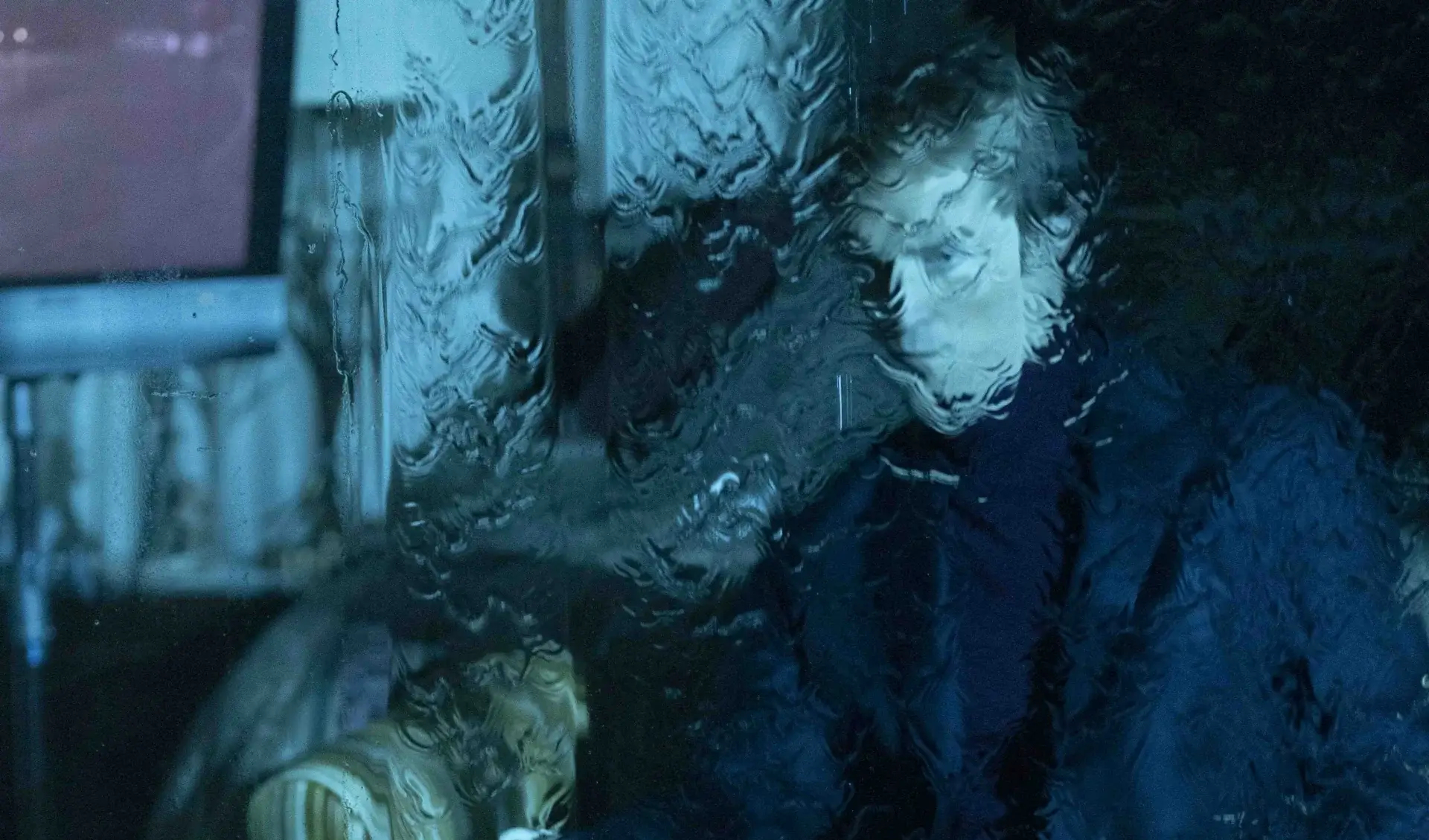
Oppenheim directs Primetime with a style that is engaging and unique. Alongside cinematographer David Bolen, the film is made to look like something from the mid-2000s reality TV era in certain moments, while other formats are used to give the film its eye-popping and surreal color bleeding that gives the movie its red, green, and blue tubes through the use of the 1980s Ikegami Japanese broadcast camera. Primetime doesn’t have a look that feels stale because Oppenheim mixes a modern digital look with something much more retro, even using a colonoscopy camera for a more voyeuristic approach during one pivotal scene. Gen Z will see something like Primetime and be hooked by its aesthetic and will likely want to learn more about. A youthful perspective plus roots that began in documentary filmmaking allowed Oppenheim to avoid a more polished Hollywood look and go for something more gritty and visually interesting.
Oppenheim is building considerable hype for himself and it’s not just linked to Primetime. After the film had its premiere at the Venice Film Festival, he and comedian Nathan Fielder had another ace up their sleeves when they debuted the documentary, You Can See Everything, at the Telluride Film Festival. The top secret project, about Theranos founder Elizabeth Holmes, exploded with universal praise that only made it more clear that Oppenheim is a talent to keep your eye on. A24 is also releasing this project and don’t be surprised if Gen Z’s interest in true crime and Oppenheim, turn it into another hit driven by a younger generation of moviegoers. They’re hungry for even more thought provoking material and they have proven to show up if you give it to them.
Primetime is now playing in theaters nationwide.
For more on Movies, make sure to check back to That Hollywood Show.



















Reviews