
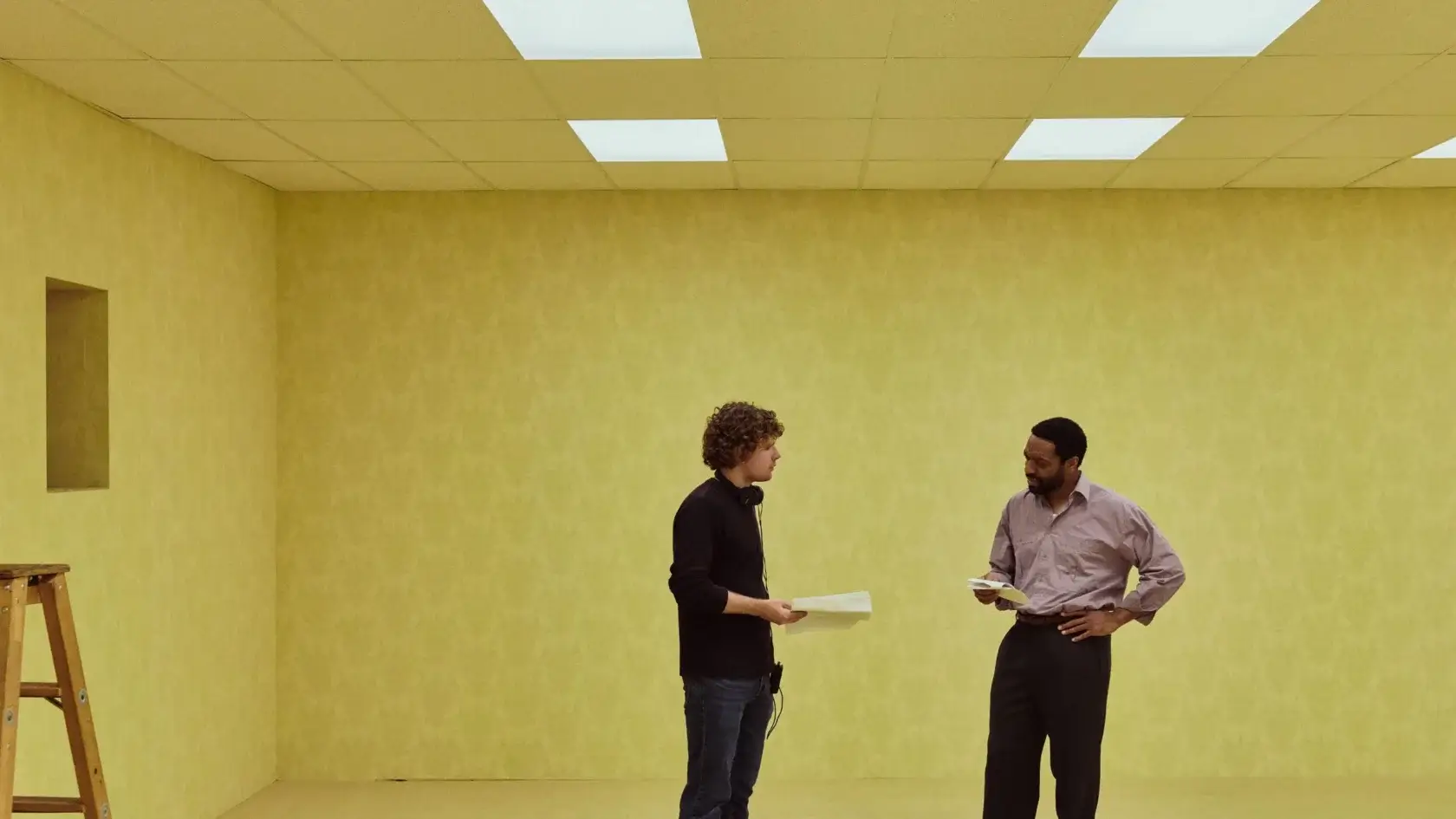
During a time when the industry claims it’s in need of new voices and originality, nothing has felt more original than how a filmmaker can get their movie in front of the masses. The training ground of film school, while still viable, feels like a relic of the past, and even the concept of “it’s all about who you know” doesn’t feel like the norm anymore. We are now in the age of burgeoning filmmakers honing their skills by creating their own content, whether its shorts films or a skit intended to go viral, and building a fanbase on YouTube.
Content creation feels like it’s the new film school, and it has seen a new crop of filmmakers emerge who have taken the industry by storm. Curry Barker pounded the pavement for years on YouTube with his buddy Cooper Tomlinson, creating comedy and horror films before his feature film debut, Obsession, turned into a hit that is currently experiencing an unheard-of box office run. Kane Parsons, all of 19 when the soon-to-be-released Backrooms was in production, was first a teenager visual effects artist who was creating viral videos of the web series of the same name before A24 made him their youngest director to date.
This new generation of filmmakers is rich with creativity and is bringing something fresh to the table that many have come to respect, while others seem unnerved by the success these directors of the future are finding. It feels as if the old guard is gatekeeping aspects of the industry and wants them to enter by more traditional means, and it seems as if people who fall within the age range of some of these directors and would be inspired by their success are deeply jealous of it, even spreading unfounded rumors online questioning if they directed the films they’re so obviously at the helm of. If we’re fighting for originality here, pushing back on it would definitely stifle it.
Why Are The Talents Of YouTubers Being Questioned?
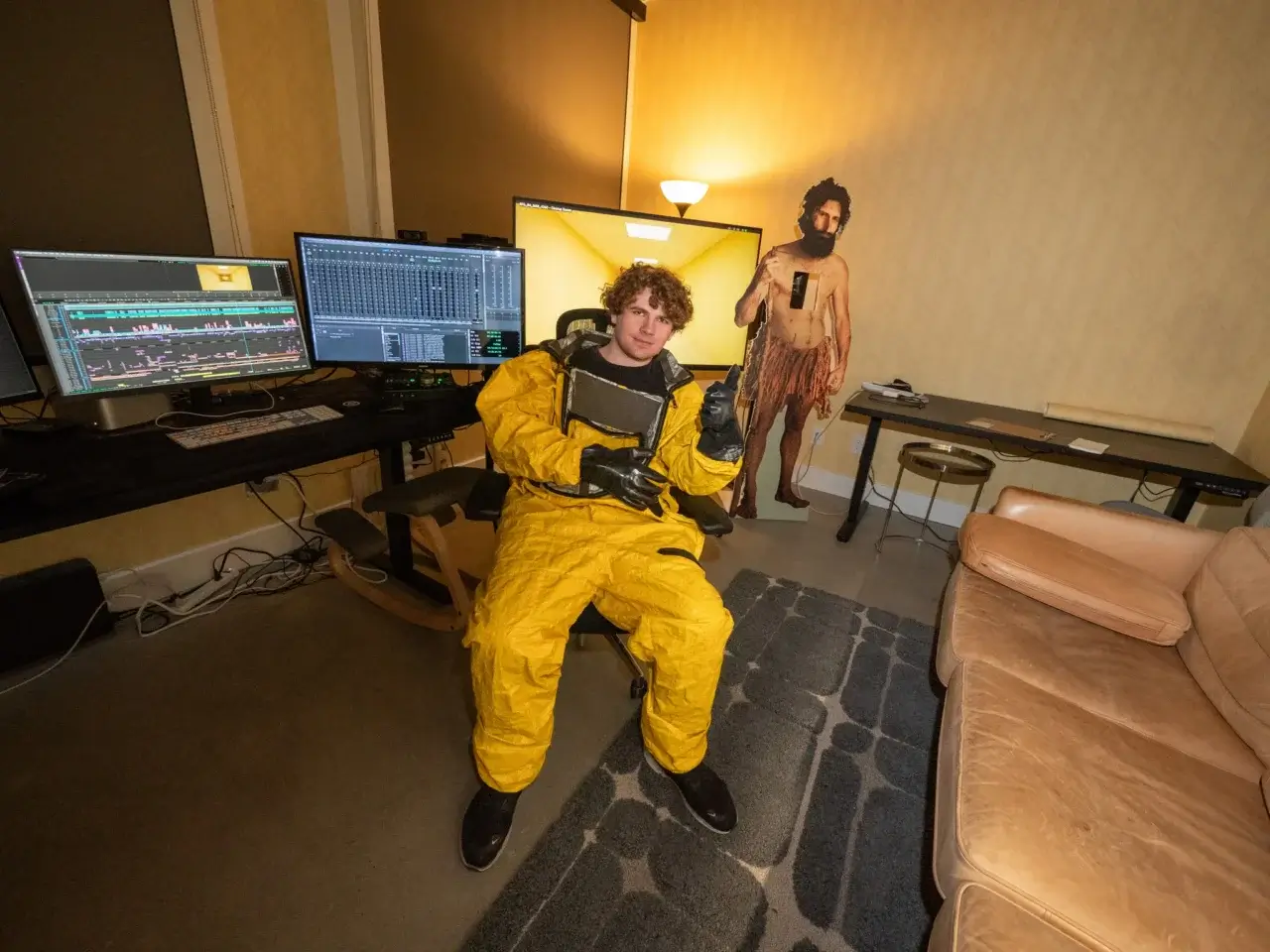
On the eve of the release of Backrooms, which is set to shatter A24’s opening weekend record at the box office, a silly and disrespectful rumor, made for either clickbait or purposes of jealousy, began to spread online that Parsons “ghost directed” Backrooms and that the film’s producers, such as James Wan, Osgood Perkins and Shawn Levy, established directors in their own right, were the real talents behind the camera. This seemed to originate from an X user named The CinemaTologist who wrote about the film’s potential record-breaking opening weekend, “Promising but we all know Kane Parsons absolutely didn’t direct this movie. But the needle is moving in the right direction.” Whatever the reasons this was suggested, it began to spread like wildfire, to the point where one of the co-stars of the film, Mark Duplass, had to push back on it with his very own statement.
“Hmmm, with all due respect, I don’t remember seeing you on set. When I was there, Kane was 100% in control. More so than many directors, 3x his age.”
At the heart of Duplass’ comment is a direct response to Parsons’ age, which would be impressive to anyone familiar with his eye from his viral videos (or, like me, recently discovered them) and his artistry on display throughout Backrooms, which appears to be made by a filmmaker with skills beyond his years. Sparked by jealousy or simply being jaded by the fact that a “kid” could never command a film set and showcase such creativity, it’s being questioned unjustly. This is the kind of drive and ambition that we should be pushing to the forefront, but, for various reasons, it’s being rudely dissected as if because of where these filmmakers got their start, they didn’t work as hard for it.
Criticisms Of The Platform
For the unfamiliar, there is this notion that content creators getting their start on YouTube are getting an unfair start and that their industry access isn’t as earned compared to filmmakers who break into the industry by more traditional means. There is a belief that they haven’t put in the work compared to traditional filmmakers who spent years of their lives as interns and production assistants on film sets or broke the bank attending film school. As they criticize what they view as an unfair advantage because of a YouTube filmmaker’s pre-existing fanbase that could lead to film deals from studios, they fail to realize that this didn’t happen for them overnight either.
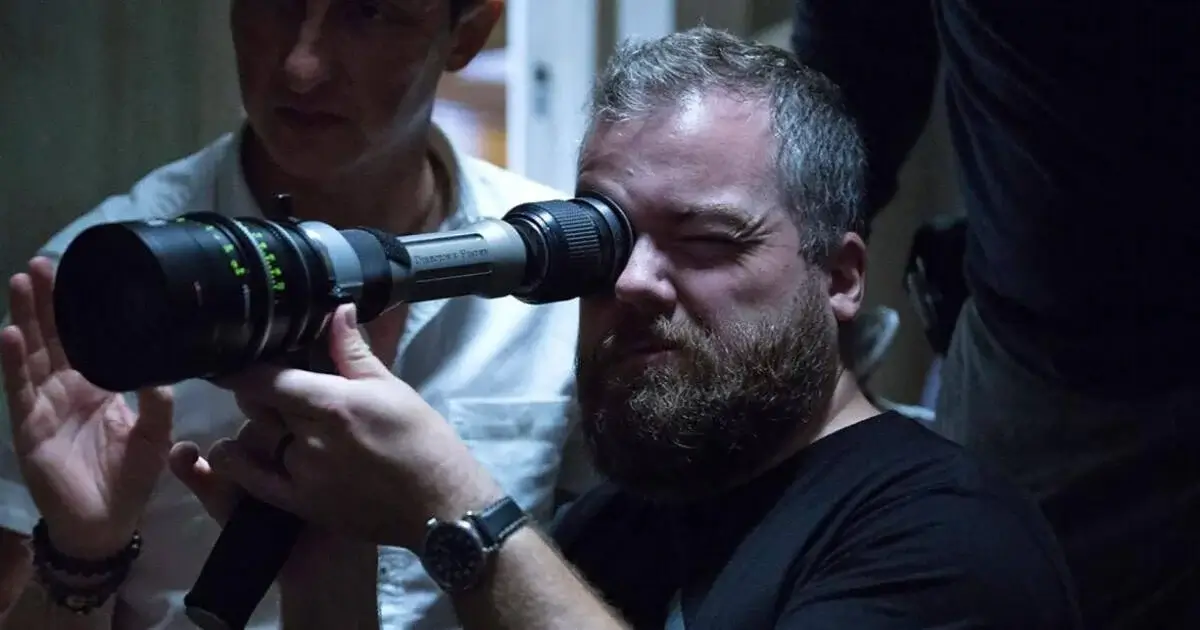
Building that following took work, and if it were as easy for them to skip the line, it would’ve happened for them a long time ago. Swedish filmmaker David F. Sandberg, who would go on to direct films such as Lights Out, Annabelle: Creation, and Shazam!, found moderate success online making animated short films beginning in 2006 before one of them, Van Tyst Det Blev, hit its stride on YouTube with 1.7 million views.
This got him noticed and working primarily on documentary projects from 2006 to 2009 before he shifted to horror shorts in 2013 as a way to get funding for future work because his short films were made with all heart and no budget. It would be his second horror short, 2013’s Lights Out, that would change his life because it garnered the attention of people in the industry who believed in its potential as a feature film. This led to the 2016 release of the film version of the same name, made on a slim $4.9 million budget, that went on to gross $148.9 million worldwide.
Transitioning From YouTube To Bigger Success Still Takes Time
The notion that these filmmakers speed ahead of others who are searching for their big break is simply absurd. They may have utilized a different avenue and format, but it comes with the same struggles. Sandberg’s online stride didn’t hit until 2006, and his first feature film was released ten years later. He had to make shorts with virtually no money and just a hope and a dream before he found his current success. Content created solely by the creator takes a substantial amount of time, and even though they probably have a ragtag group of friends helping them along the way, it’s typically done with the backing they have to raise themselves. For those who think this can be done in a hop, skip, and a jump, I suggest they take a moment to try and experience just how difficult it is.
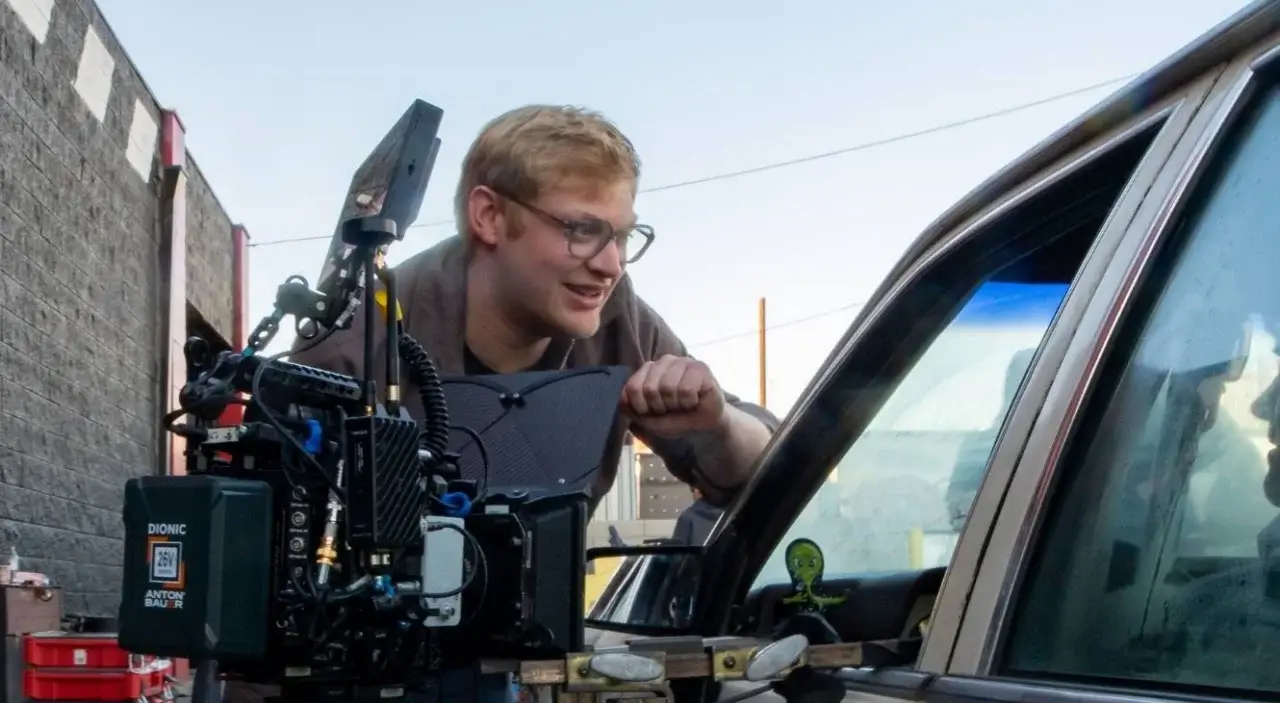
Barker, currently riding high on the unprecedented success of Obsession, spent four years producing and posting his own sketch comedy and short films on YouTube. He didn’t gain significant traction until the 2023 horror short, The Chair, went viral, and he garnered more attention by making the $800 budgeted short film, Milk & Serial, which was a hit with his fanbase. Getting to this point didn’t happen without hard work and dedication to a craft and art that he respects.
Before Barker’s current success, he and his team made their projects on little to no budgets, and even they didn’t believe in themselves in a way that felt substantial. The young 26-year-old director has said that he and his friends started their YouTube channel and TikTok to pass the time and simply create, at best, hoping they could maybe shop their short films to producers and casting directors. When he completed Milk & Serial, Barker and his team tucked it away on their computers for a year and a half before releasing it on the platform for free to build a following. It’s a form of creativity that is by no means easy, and it’s a way to get your content out there that might bypass traditional channels. Still, it’s also undeniably smart, and the future of creation these young people have had their eyes on long before others.
YouTubers Turned Filmmakers Are Used To Working With Nothing
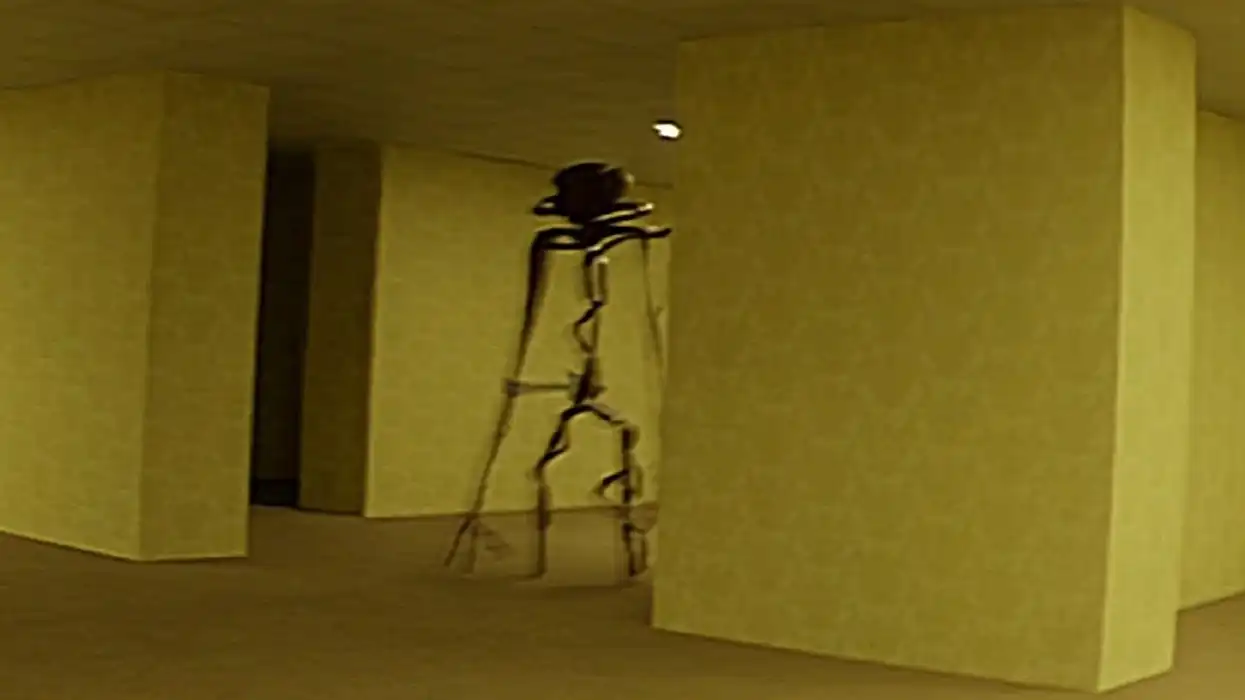
Beyond the huge following that these content creators have cultivated over time, once they transition to making films for the big screen, they are already used to working with very little due to their grassroots backgrounds. When you make a short film for $800, you learn to make every single one of those dollars count. From pre-production all the way to post-production, these filmmakers have become used to working with minimal money and a minimal crew, so their knowledge goes beyond what’s going on behind the camera.
YouTubers have trained themselves to learn all facets of the filmmaking pipeline beyond directing. This includes the nuances of an acting performance, proper sound design, the right lighting, trimming the fat from a screenplay, and trimming even more fat from a film during the editing process. Not only does this foster a strong sense of creative control, but it also shows signs that they could properly run a bigger film set because they’d have the knowledge of nearly every aspect of what makes a film come together.
By having their hands in every pot, and not as a means to overstep, they’re able to come onto a project with an intuitive understanding of the process that some might unfairly think they don’t have. Chiwetel Ejiofor, a seasoned actor who is one of the co-leads of Parsons’ Backrooms, spoke of him not as a young debut filmmaker who struggled with figuring out what to do on set, but as someone who had command over the project and its intricate universe. He also pointed to Parsons’ young age and experience level, which have become a topic of conversation for himself and Barker, as irrelevant because his knowledge of the craft was completely evident on set.
It is a real privilege to be on a set with somebody who is probably the only person on the planet who could direct the movie or who would know how to.”
This is why Parsons could make the $10 million budget of Backrooms feel like something far more expensive and vast, while Barker could make the $750,000 budget of Obsession look less indie and more like a film with much more money behind it. They have learned how to utilize every cent in a practical way because of their humble beginnings. They also have enough respect for the art to make it a truly collaborative effort. While more established directors may not encourage veering away from their vision, all reports about Parsons, Barkers, and others from this background are that they welcome new ideas and want even more to grow out of collaboration that can lead to organic greatness. They understand that the idea might be theirs, but they’re also always learning. This likely comes directly from creating their own content and understanding the importance of constant evolution.
This New Breed Of Filmmaking Should Be Encouraged Rather Than Ridiculed
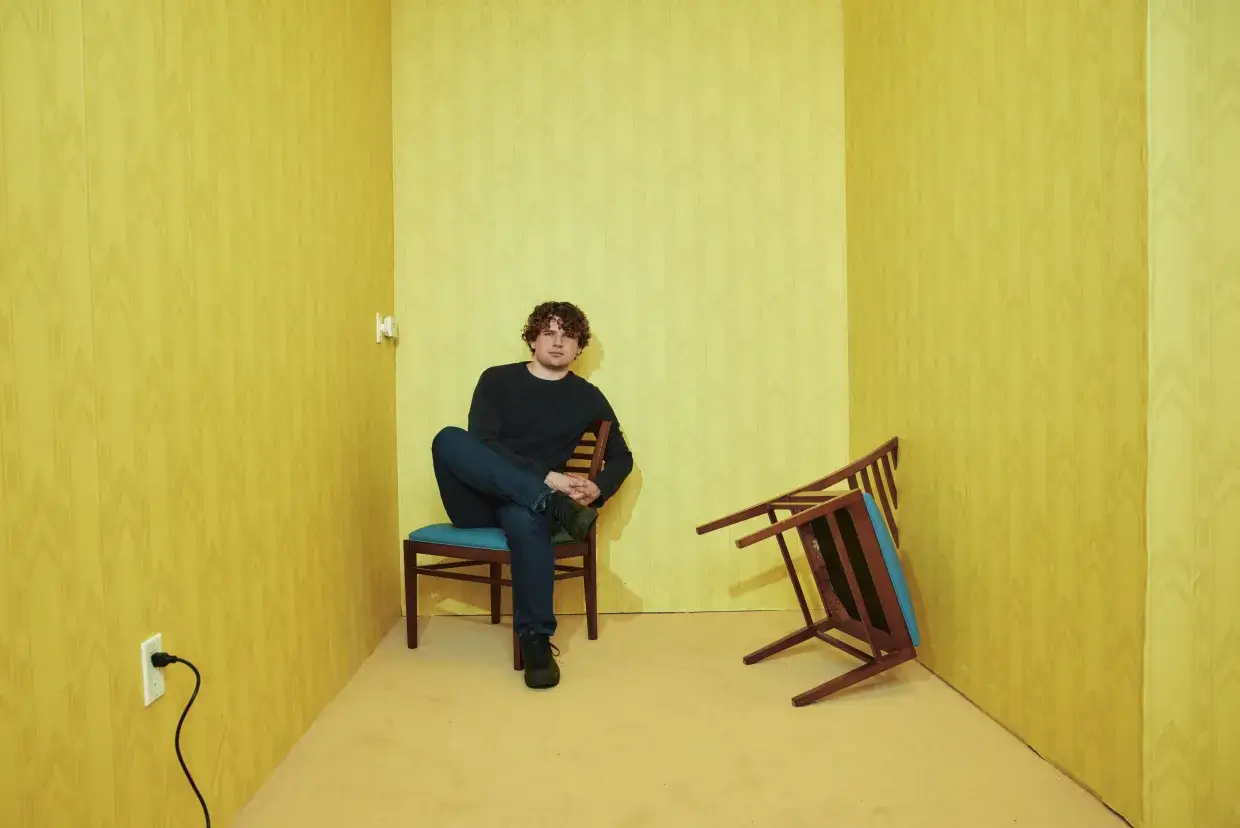
Perhaps some of the disheartening viewpoints that have emerged from those who are vocally against the YouTube to filmmaker pipeline is that it has made the success they have fought so hard for feel like something they should be ashamed of, when that shouldn’t be the case. Parsons is on his way to being at the helm of a record-breaking opening weekend at the box office for Backrooms. That is something that should be celebrated because a young man honed his craft to get to this point when society would really be criticizing him his he was squandering his potential.
When Mark “Markiplier” Fischbach’s Iron Lung takes in $51.2 million worldwide on a $3 million budget, a parade needs to be thrown because he got butts in the seats when the industry is questioning do people actually want to go to the movies instead of being salty it was self-financed/self-distributed and not released by a traditional Hollywood studio because they didn’t see the vision and passed on it. As Barker is setting himself up for a $10 million payday for his next project, sight unseen, let’s rejoice that studios are becoming wise enough to bank on a talent that has even more to offer us. Their forward thinking is not something that needs to be scoffed at, but rather utilized to the fullest.
It’s a new breed of filmmaking that can walk in lockstep with tradition. What’s certain about filmmakers this young and who began on the video posting platform is that they have respect for the greats who came before them. They’re not trying to overtake the Spielberg’s or the Nolan’s of the world. They just want their seat at the table and shouldn’t be denied it because of how they got their start.
For more on Movies, make sure to check back to That Hollywood Show.




![The “Digger” Complex: Satirical Deconstruction Through Nihilistic Cynicism and Movie Stars [Spoilers]](https://thathollywoodshow.com/wp-content/uploads/2026/07/diggers-1500x844-1-960x540.webp "diggers-1500×844")



Reviews